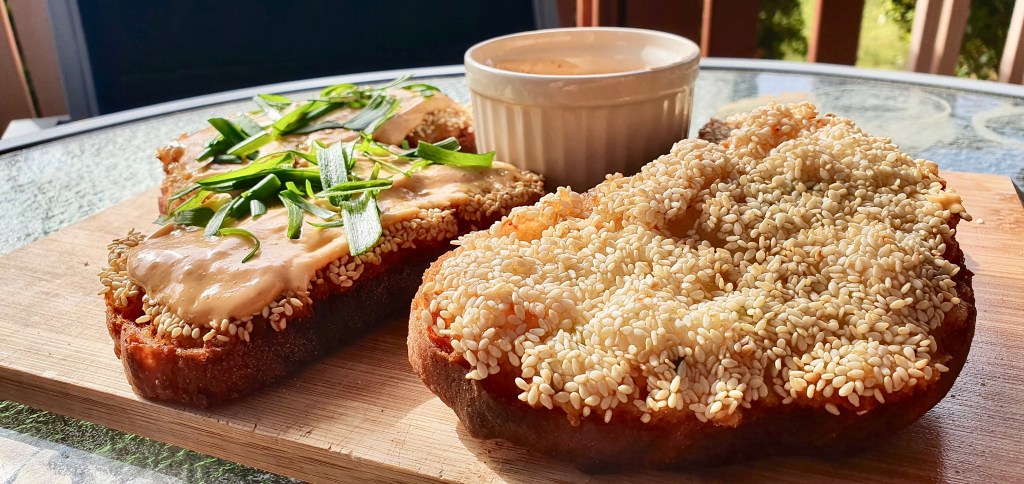
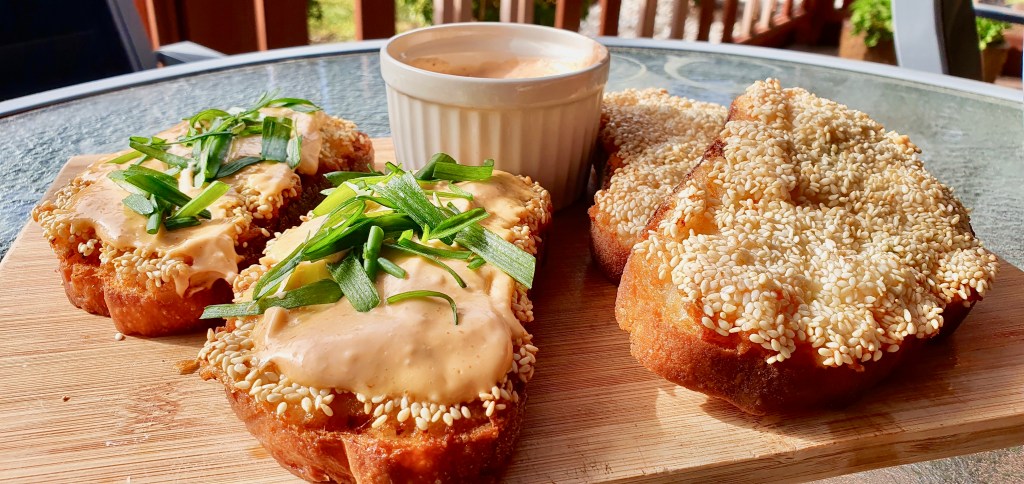
Baked Chicken Katsu


Date Published: August 1st, 2020 | Last Updated: August 1st, 2020
Author: Abby |Category: asian, mains, easy, low-cal
Serves: 4-6 | Prep time: 15 mins | Cook time: 30 mins

Jump to recipe |

NOM NOM NOM I LOVE KATSU. When Toby and I head out to a Japanese restaurant, katsu is usually one of our go-to items to order (second to ramen, of course).

If you’re not familiar with katsu, it’s essentially a Japanese version of a schnitzel topped with an iconic tonkatsu sauce. A katsu is made with either chicken (breast or thigh) or a pork cutlet (called tonkatsu). The breading is made with panko (Japanese breadcrumbs) rather than traditional breadcrumbs which results in a lighter, flakier, and crispier texture.

I’m not a fan of deep-frying things at home because a) you need to use so much oil, b) it pains me to waste all that oil for one dish, c) health reasons, and d) the clean up afterwards from oil splatters. Don’t get me wrong, I love having the occasional take-away fried foods, but I just really dislike deep-frying things at home. This was the reason why I never tried to make katsu at home and save it for restaurant outings until now! I stumbled across this recipe from Just One Cookbook (which is filled with amazing Japanese recipes btw and defs worth checking out) and I was skeptical if it would be as good as the real deep-fried thing. For the sake of science, experimentation, and the quest to making great food, I made both versions: one deep-fried one and one baked.

I’m VERY happy to report that the baked version was unanimously favoured over the deep-fried version. Who would’ve thought!? The baked version had a crispier texture with better crunch and was (obviously) less oily than the deep-fried version. The colour wasn’t as dark, but that’s easily solved by pre-toasting the breadcrumbs for the baked version.

Overall this recipe was surprisingly easy and quick with very minimal prep work. It’s rare that I can cook up a dish without having to do any chopping. Best of all, it’s also relatively low in calories too (under 300 calories per serving!). This recipe definitely makes the top 20 list in my books.

Anyways, without further ado, here’s the recipe! If you have any comments or suggestions, I’d love to hear from you in the comment section! You can follow me on instagram, youtube and facebook to see all the recipes I post!

Happy cooking!

Ingredients you’ll need:
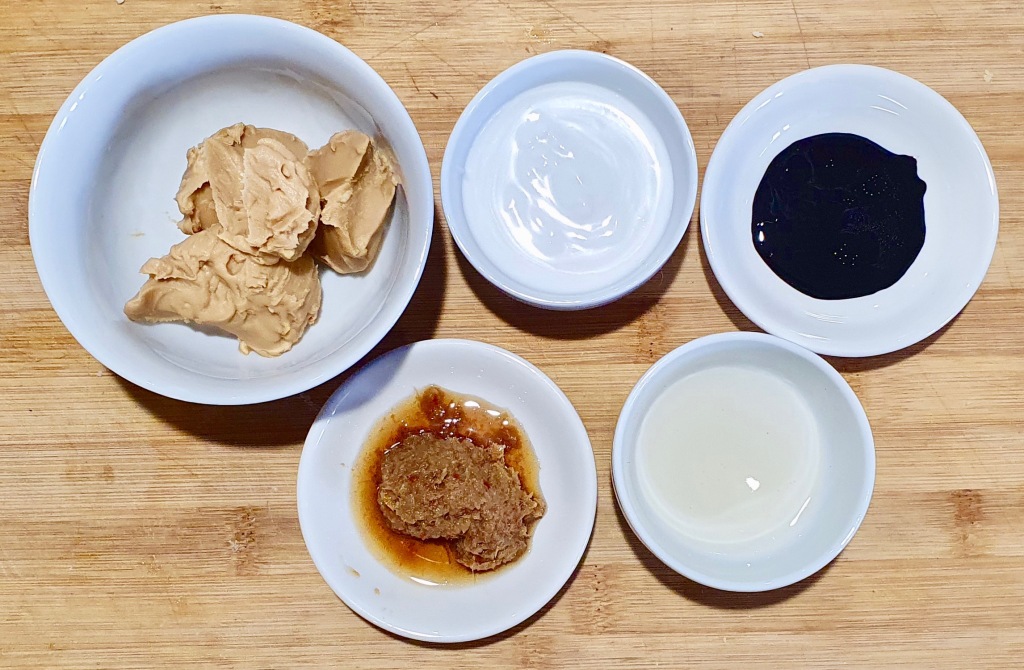
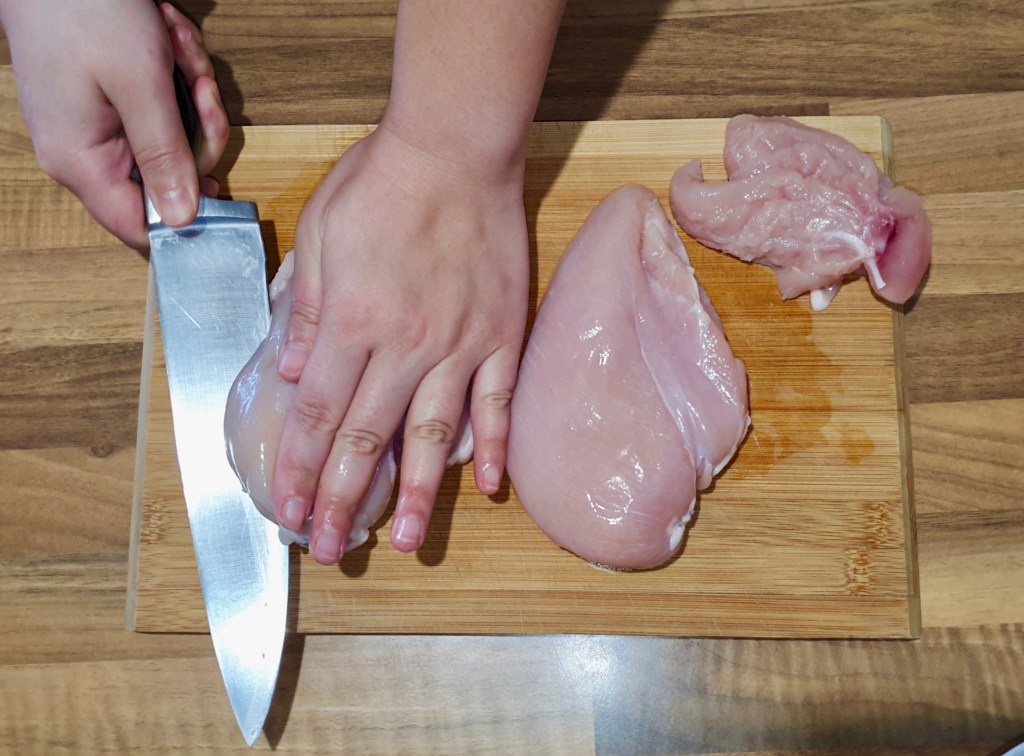
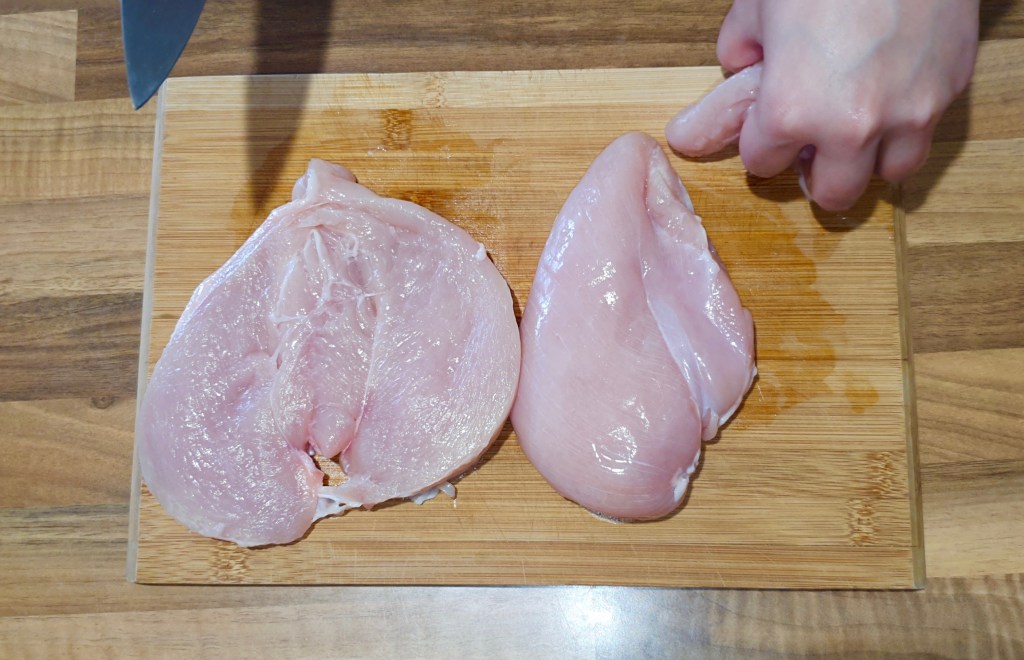
  • 4 chicken breasts, butterflied (note: one chicken breast makes a pretty large portion once you butterfly it (see finished photo) so I usually aim for 3/4 of a breast per person (unless you’ve got a big appetite) which is why I’ve written 4-6 servings for this recipe)
    • This recipe works well with chicken thighs or boneless pork loin chops as well (pound the chops to ~1.2cm thick)
  • salt & ground black pepper
  • 2 Tbsp extra virgin olive oil
  • 2 cups panko (Japanese breadcrumbs)
  • 4 Tbsp all-purpose flour (plain flour)
  • 2 large egg, beaten

Directions:

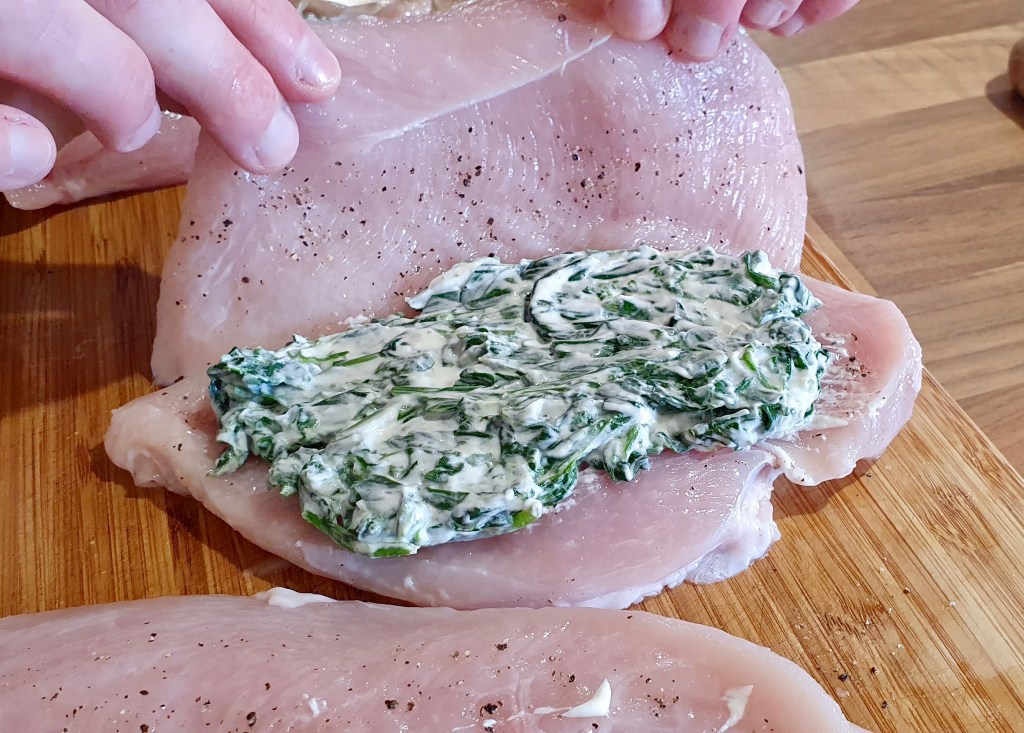
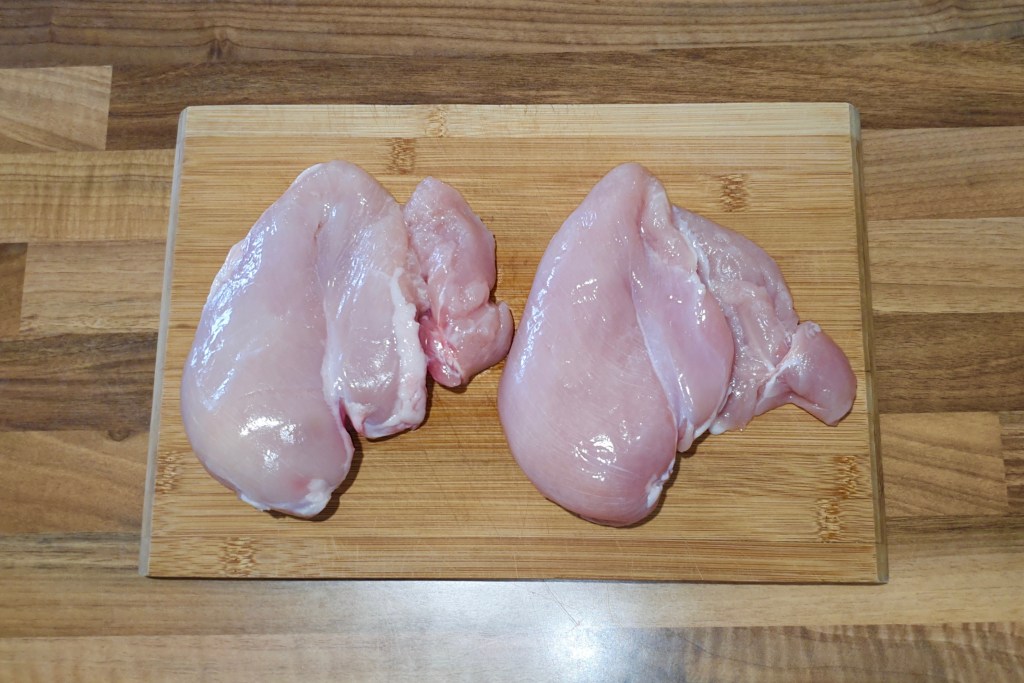
Rinse and pat the chicken breasts dry. If you haven’t already, butterfly your chicken breasts (see photo tutorial below on how to do this or click here for more detailed instructions). Season breasts with salt and pepper. Set aside.

(If you’re using pork cutlets, score the edge where the fat and the meat meet to ensure your cutlet doesn’t curl when cooking and use a meat tenderizer mallet to pound the cutlets to about 1.2cm thick.)

Preheat oven to 200˚C.

Heat a skillet on medium heat and add olive oil.

Add in the panko breadcrumbs and stir to combine with the oil and toast the panko until golden brown. Put the crumbs in a large bowl and set aside to cool.

Note: When you bake a katsu, the colour of the breadcrumbs doesn’t change much in the oven compared to deep-frying, which is why this step is important to get that delicious toasty crumb.

Prepare three bowls: 1) Flour, 2) Beaten eggs, 3) Toasted panko

Dip your butterflied chicken breasts first in the flour on both sides and shake off any excess flour. Make sure sure you cover every crevice. Then dip it in the beaten egg and finally in the toasted panko, pressing the crumbs in slightly to help them stick.

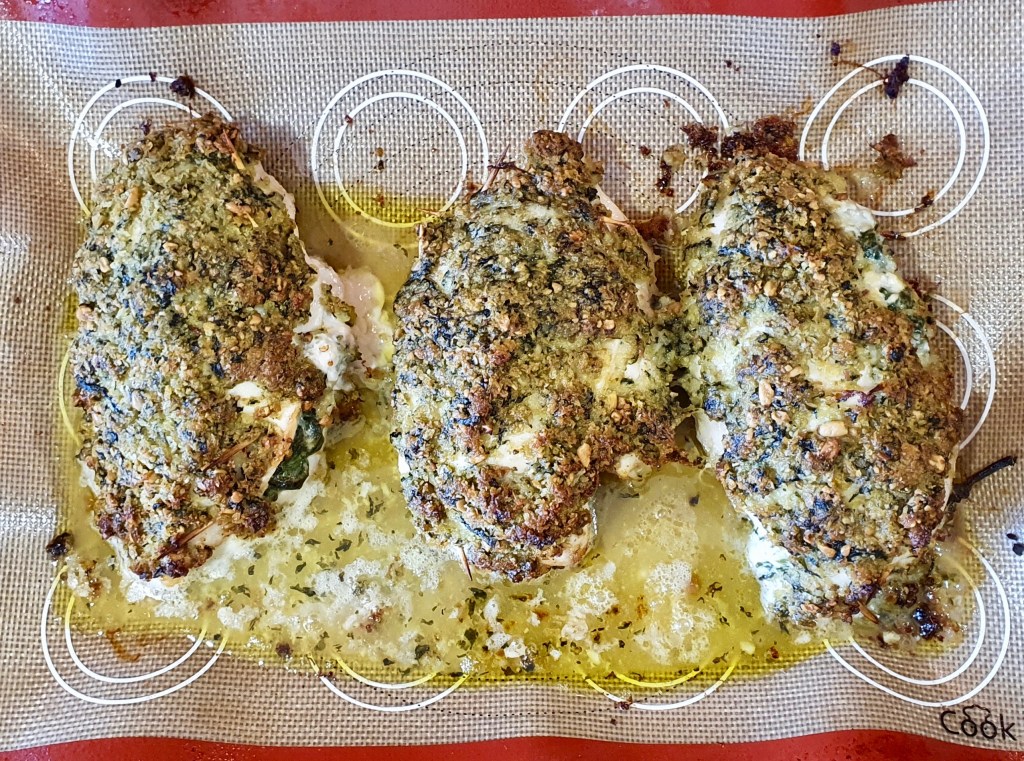
Set your chicken breasts on wire racks placed ontop of a baking tray and bake in the oven at 200˚C for 20-25 minutes, until the chicken juices run clear or a thermometer reads 74˚C in the thickest part of the breast.

Ready to bake! We made both chicken breast (top rack) and chicken thighs (bottom rack). Both came out perfectly. The breasts were more dense and steak-like whereas the thighs were more moist and chewier. Toby liked the thighs better whereas I liked the breasts. I guess to break the debate, chicken breast is healthier 😜.

While your chicken bakes, you can make the tonkatsu sauce (click to follow link to recipe).

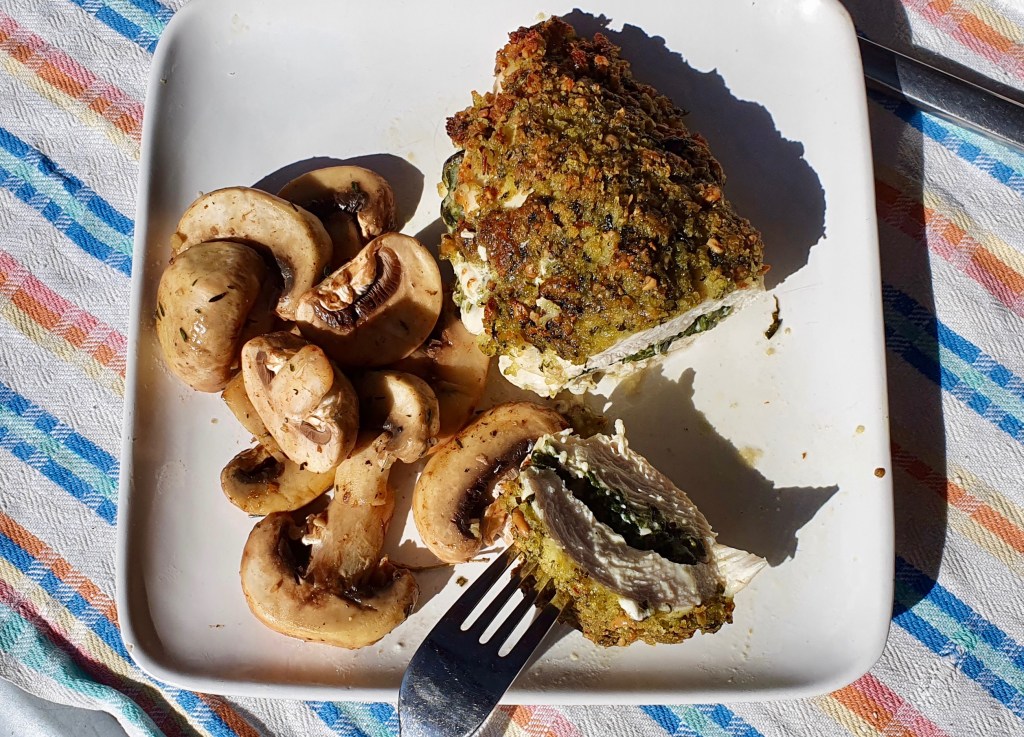
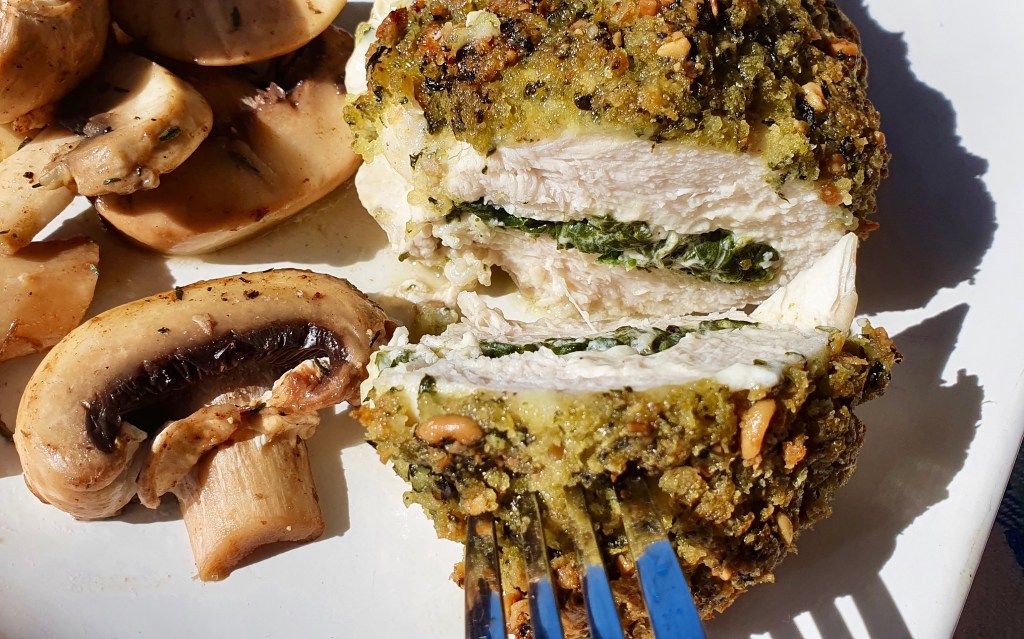
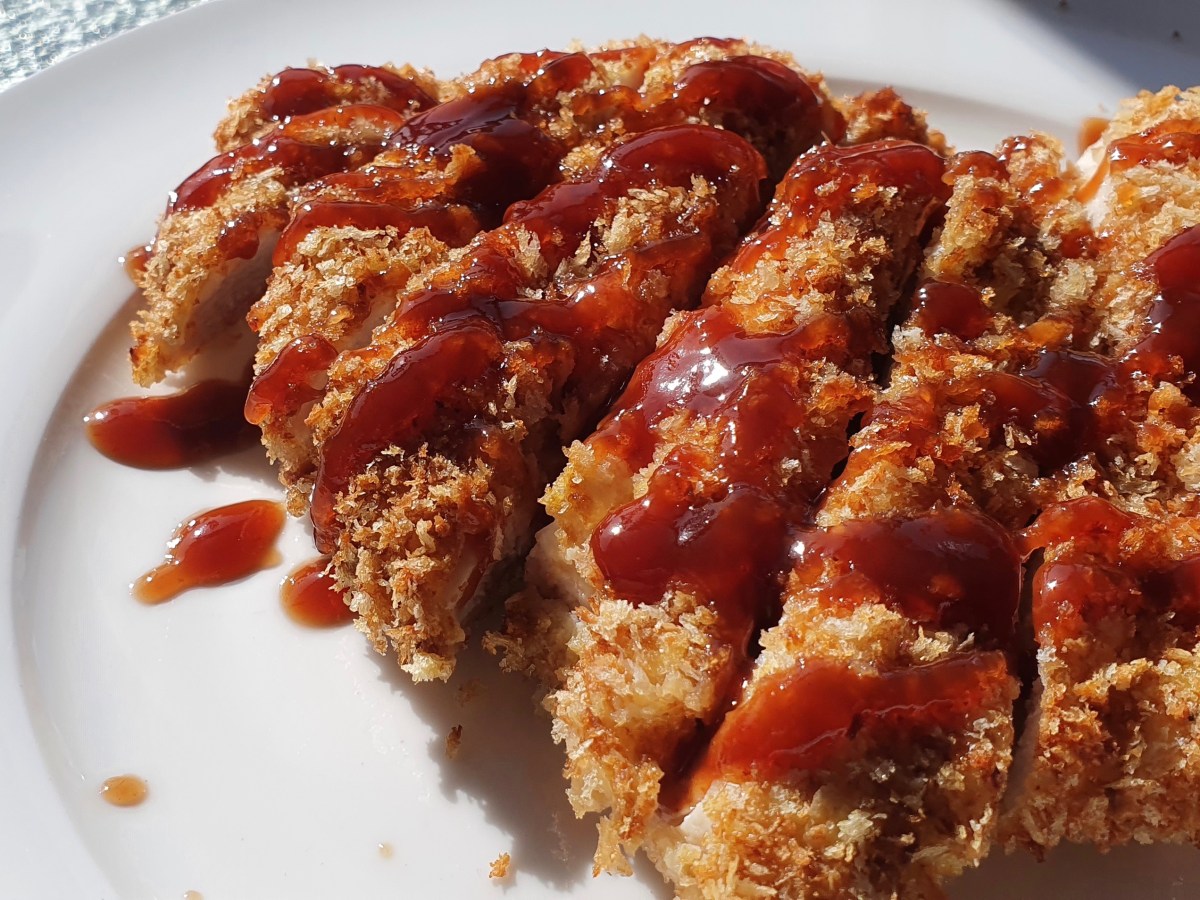
Once your chicken is cooked, let it cool for a couple minutes on the wire rack and serve immediately as whole cutlet or slice it into strips, drizzled with tonkatsu sauce.

Summarized Recipe:

Baked Chicken Katsu

Date Published: August 1st, 2020 | Last Updated: August 1st, 2020
Author: Abby |Category: asian, mains, easy, low-cal
Serves: 4-6 | Prep time: 15 mins | Cook time: 30 mins

Ingredients:

  • 4 chicken breasts, butterflied (or chicken thighs or boneless pork loin chops (pound chops to ~1.2cm thick))
  • salt & ground black pepper
  • 2 Tbsp extra virgin olive oil
  • 2 cups panko (Japanese breadcrumbs)
  • 4 Tbsp all-purpose flour (plain flour)
  • 2 large eggs, beaten

Directions:

  1. Rinse your chicken and pat dry. Butterfly the chicken breasts (see photo tutorial above) and season with salt and pepper on both sides and set aside.
    • If you’re using pork cutlets, score the edge where the fat and the meat meet to ensure your cutlet doesn’t curl when cooking and use a meat tenderizing mallet to pound the cutlet until about 1.2cm thick. Season with salt and pepper on both sides and set aside.
  2. Preheat oven to 200˚C.
  3. On a pan on medium heat, toast the panko with the olive oil. Stir to combine and toast until golden brown. Then put your panko in a large bowl and set aside to cool.
  4. Place your flour on a large plate or bowl for easy dipping and do the same with the beaten egg.
  5. Now bread your chicken:
    1. Dunk the chicken breast in the flour bowl to cover both sides. Shake off any excess flour.
    2. Next coat it in the beaten eggs.
    3. Finally coat it in the toasted panko crumbs, pressing the crumbs in slightly to help them stick.
  6. Place your katsu onto a wire rack over an oven tray.
  7. Bake for about 20-25 minutes on the middle rack until the chicken is no longer pink inside. If you have an oven thermometer, your chicken should be about 74˚C.
  8. While your chicken is baking, you can make the tonkatsu sauce (click on this link for the recipe).
  9. When your chicken is ready, serve immediately either as an entire cutlet or you can cut them into strips, drizzled with tonkatsu sauce.

Tonkatsu Sauce


Date Published: August 1st, 2020 | Last Updated: August 1st, 2020
Author: Abby |Category: sauces, asian
Serves: 1/3 cup (enough for 4 tonkatsu dishes) | Prep time: 2 mins | Cook time: 2 mins

Jump to recipe |

Here’s a recipe for an easy peasy tonkatsu sauce so you’ll never need to buy bottled sauce again (especially if you live ages away from the nearest Asian grocer like me). As the name suggests, tonkatsu sauce is most commonly used drizzled over a tonkatsu (a pork cutlet coated with breadcrumbs and deep fried). It’s a tangy flavourful sauce that gives tonkatsu its iconic flavour and it only takes a minute to make. This recipe makes enough for 4 tonkatsu dishes. You can double or triple the recipe and store it in an airtight container for a couple of weeks in the fridge. If you’d like to learn how to make a katsu, follow the recipe here.

Happy cooking!

Ingredients you’ll need:

  • 2 Tbsps ketchup
  • 1 3/4 Tbsp Worcestershire sauce
  • 3 1/4 tsp oyster sauce
  • 2 1/4 tsp sugar

Directions:

Mix all the ingredients together in a bowl until smooth. Taste and adjust to personal preference. Done!

Tip: if you fine that the sauce us a little grainy from the sugar, you can warm it up in the microwave for 15 seconds and stir until the sugar melts.

Summarized Recipe:

Tonkatsu Sauce

Date Published: August 1st, 2020 | Last Updated: August 1st, 2020
Author: Abby |Category: sauces, asian
Serves: 1/3 cup (enough for 4 tonkatsu dishes) | Prep time: 2 mins | Cook time: 2 mins

Ingredients:

  • 2 Tbsps ketchup
  • 1 3/4 Tbsp Worcestershire sauce
  • 3 1/4 tsp oyster sauce
  • 2 1/4 tsp sugar

Directions:

  1. Mix all the ingredients into a bowl until smooth. Taste and adjust to personal preference. Done!

To make a katsu to pair with this sauce, follow the recipe here.

Tip: if you find the sauce a little grainy from the sugar, microwave it for 20 seconds and stir until the sugar dissolves. Serve when cooled.

Hainanese Chicken Rice 海南雞飯


Date Published: July 31st, 2020 | Last Updated: July 31st, 2020
Author: Abby |Category: asian, mains
Serves: 4-5 | Prep time: 15 mins | Cook time: 45 mins

Jump to recipe |

I LOVE Hainanese Chicken Rice (I feel like I’m starting too many of my posts like this – I guess that’s no surprise since I only upload dishes I love to eat heh heh). I know I say this with a lot of recipes, but this dish is pretty simple and you only need 6 ingredients: chicken, ginger, spring onion, garlic, salt, and rice. These 6 ingredients make up the chicken, the rice and the soup. Add some oil and you can make the dipping sauce too! Since there are a few components to this dish, the recipe is a little lengthy, but once you start cooking you’ll realize that there’s not much difficulty at all.

If you’re unfamiliar with what this dish is, Hainanese chicken rice has many variations but the most commonly seen version is usually composed of 5 components: 1) poached chicken, 2) rice cooked in chicken fat and broth, 3) dipping sauce (like spring onion ginger oil, a soy sauce based sauce and/or a chilli paste), 4) chicken broth, and 5) sliced cucumbers as a refresher from the rich flavours. The chicken is meant to be light and let the flavours of the sauces take over accompanied by the rice.

I’ve adapted this recipe from Sarah Tiong’s (mine and Toby’s favourite Masterchef Australia 2020 contestant) new cookbook Sweet, Savoury, Spicy. I’m usually not one for buying cookbooks and also not usually a Masterchef fan, but since the pandemic started this show has been our weekly constant, 4 days a week at 7:30pm. Sarah was known for her bold Asian flavours on the show and we’d always be salivating to whatever dish she whipped up so naturally when her cookbook came out I bought it right away. The recipe is more or less the same but I’ve changed up some minor cooking methods, added photos and rewrote it to make it easier to follow for myself (and you!). I’ve also recorded a video but it’ll take me a little while to edit the footage so sit tight. I’d definitely recommend checking out her cookbook – there’s some really good recipes there like Char Kway Teow!

Anyways, without further ado, here’s the recipe! If you have any comments or suggestions, I’d love to hear from you in the comment section! You can follow me on instagram, youtube and facebook to see all the recipes I post!

Happy cooking!

Ingredients you’ll need:

Every time I look at this photo it surprises me how little you need to make this dish!
  • 1 whole chicken (~1.6kg), rinsed
  • 4cm piece of ginger, unpeeled & crushed into pieces
  • 10 cloves garlic, peeled & crushed
  • 8 spring onions, cut into 7cm pieces
  • 1 Tbsp salt
  • 2 chicken stock cubes
  • 2 cups uncooked jasmine rice
  • Optional: 2 pandan leaves, bruised and tied into knots
  • 1-2 Tbsp toasted sesame oil
  • Cucumber slices to serve (optional)
  • Chilli paste/oil to serve (optional)
  • Optional: Spring Onion and Ginger Oil
    • 1 Tbsp ginger, grated
    • 2 cloves garlic, finely minced
    • 6 spring onions, thinly sliced
    • 1 tsp salt
    • 1 cup (250ml) neutral oil (canola, vegetable…etc.)

Directions:

Render the chicken fat: (This is an optional step. You can alternatively buy already rendered chicken fat called Schmaltz from the shops.) The rendered chicken fat will be used for the chicken rice.

There are two pieces of chicken fat at the entrance of the chicken cavity. Remove this fat and the accompanying skin by pulling or cutting it out. It doesn’t need to be pretty, you’re just trying to harvest as much fat as you can from this area with the skin. Don’t worry about taking too much skin – you won’t miss it.
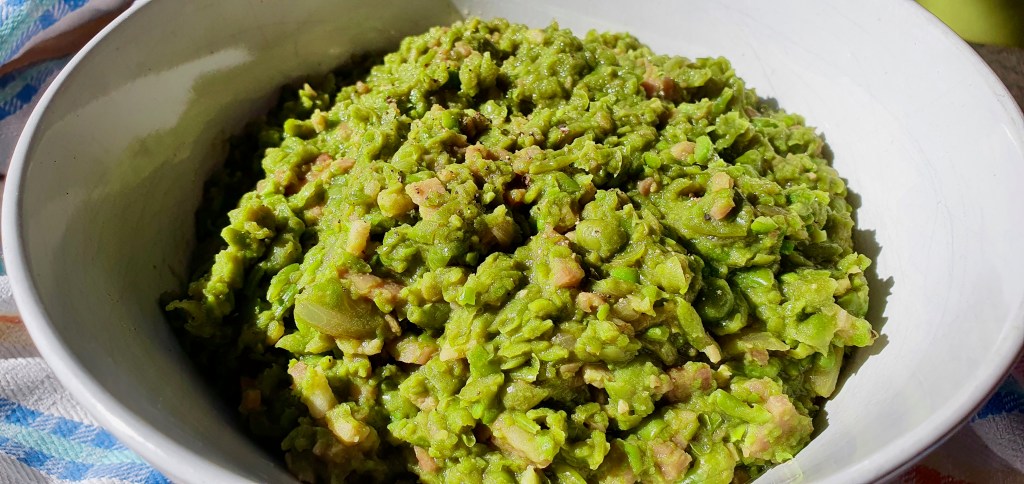
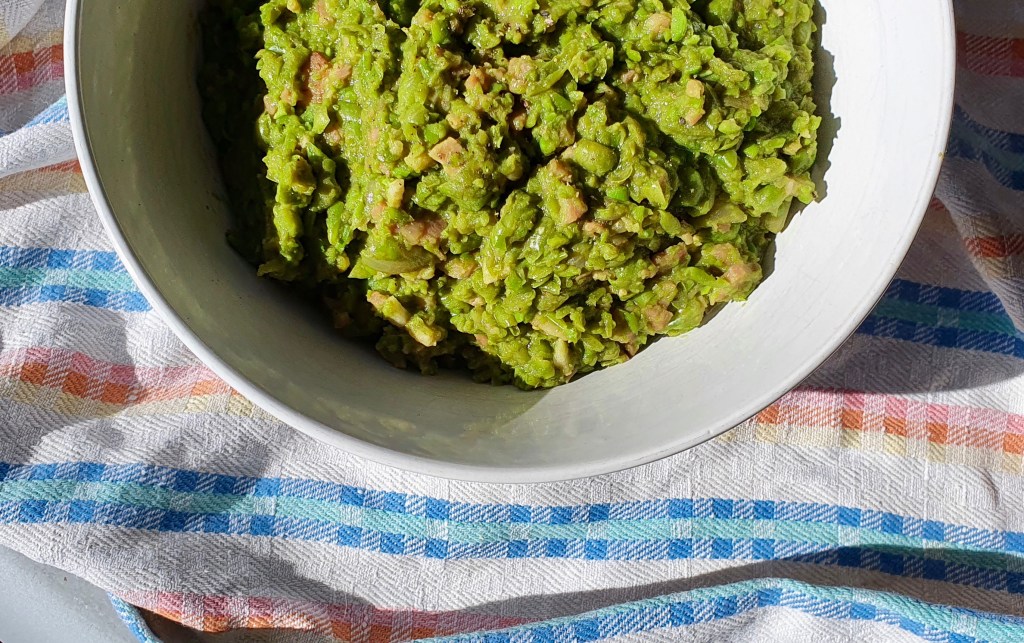
Chop the acquired fat and skin into small pieces and put it in a dry non-stick pan on low-medium heat until the fat melts and the pieces become crispy and brown (see photo below). Be patient. This is a slow process and can take about 20-30mins. While you’re waiting you can start on the chicken.

Finished rendered chicken fat with crispy brown pieces

Cook the chicken: Place the whole chicken in a big pot and fill the pot with cold water until it just covers the chicken. Add the ginger, 5 cloves of garlic, spring onion, salt, and chicken stock cubes to the pot. Stir.

Put a lid on the pot and bring the water to a boil over high heat then reduce the heat to low and simmer for 15 minutes (for larger chickens, cook for 20-25mins). After 15mins, turn off the heat and leave the chicken to poach in the soup for 20 minutes.

While the chicken is cooking, you can prepare the spring onion and ginger oil (follow the link for more thorough step-by-step instructions). (Don’t forget about the rendered fat if it’s still going!)

  • In a bowl, mix together ginger, garlic, spring onion, and salt. Set aside.
  • In a skillet, heat the oil on med-high heat until it just starts to smoke. Add in the ginger, garlic, spring onion and salt and stir for 20 seconds then turn off the heat. Let the ingredients steep in the hot oil and serve when cooled.

After 20mins, carefully remove the chicken from the broth and rest it for 20mins (ideally hanging off a hook or propped up to let any juices drip off into a bowl).

I didn’t have anywhere to hang my chicken so I got creative and used a wine bottle to prop it up. You can use tin can or glass jar as well. 😂

Chicken rice: While the chicken is resting, make the rice by heating the rendered fat (or 4 Tbsps of schmaltz if you haven’t rendered your own fat) in a medium sized pot (big enough to cook the rice in) on med-high heat and add in the remaining 5 cloves of garlic and uncooked rice. Stir fry the rice in the fat and garlic for a couple minutes until it’s completely coated in the chicken fat and fragrant.

Then cook the rice as normal using the broth that was used to poach the chicken in instead of regular water. You can do this step in a rice cooker or in the same pot over the stove:

I like to add in a few spring onions from the broth to the rice for a little extra flavour, texture and colour.

How I usually cook rice on the stove by using the same pot: add 3 cups of broth to the rice (and pandan leaves if using) and cook the rice with a lid on over low-medium heat until the broth is absorbed. Once all the liquid has been absorbed, taste and if the rice is still undercooked, add in half a cup of broth at a time and continue to cook with the lid on until cooked. Once rice is ready, turn off the heat and take off the lid and fluff up the rice with a fork.

Once the rice is cooked and the chicken has cooled, rub the chicken all over with sesame oil then carve it into pieces. Done! Serve with sliced cucumber, rice, chilli sauce and the spring onion ginger oil. Enjoy!

Optional: you can serve the chicken broth as a side dish to take advantage of that delicious flavour! Bring it back to a boil and adjust with salt and pepper. If it’s too salty, add boiling water to dilute it. Alternatively, you can put the bones back into the broth from the leftover carcass/bones and simmer on low heat for several hours to create a rich chicken stock that can be used in any other recipes in the future or served as a basic stock. This stock can easily be frozen by straining out all the ingredients first. It’s perfect to use next time you make Hainanese chicken rice and use this concentrated stock instead of chicken stock cubes to poach the chicken and use it to make the rice.

Summarized Recipe:

Hainanese Chicken Rice 海南雞飯

Date Published: July 31st, 2020 | Last Updated: July 31st, 2020
Author: Abby |Category: asian, mains
Serves: 4-5 | Prep time: 15 mins | Cook time: 45 mins

Ingredients:

  • 1 whole chicken (~1.6kg), rinsed
  • 4cm piece of ginger, unpeeled & crushed into pieces
  • 10 cloves garlic, peeled & crushed
  • 8 spring onions, cut into 7cm pieces
  • 1 Tbsp salt
  • 2 chicken stock cubes
  • 2 cups uncooked jasmine rice
  • Optional: 2 pandan leaves, bruised and tied into knots
  • 1-2 Tbsp toasted sesame oil
  • Cucumber slices to serve (optional)
  • Chilli paste/oil to serve (optional)
  • Optional: Spring Onion and Ginger Oil
    • 1 Tbsp ginger, grated
    • 2 cloves garlic, finely minced
    • 6 spring onions, thinly sliced
    • 1 tsp salt
    • 1 cup (250ml) neutral oil (canola, vegetable…etc.)

Directions:

  1. Render the chicken fat (optional*): There are two pieces of chicken fat at the entrance of the chicken cavity. Remove this fat and the accompanying skin by pulling or cutting it out. Chop it up into small pieces and put it in a dry non-stick pan on low-med heat until the fat melts and you get crispy pieces (see photo above). This step can take 20-30mins.
  2. Cook the chicken: While you’re waiting for your fat to render, place the whole chicken in a big pot and fill the pot with cold water until it just covers the chicken. Add the ginger, 5 cloves of garlic, spring onion, salt, and chicken stock cubes to the pot. Stir. Put a lid on the pot and bring the water to a boil over high heat then reduce the heat to low and simmer for 15 minutes (for larger chickens, cook for 20-25mins). After 15mins, turn off the heat and leave the chicken to poach in the soup for 20 minutes.
  3. While the chicken is cooking, you can prepare the spring onion and ginger oil (follow the link for more thorough step-by-step instructions). (Don’t forget about the rendered fat if it’s still going!)
    1. In a bowl, mix together ginger, garlic, spring onion, and salt. Set aside.
    2. In a skillet, heat the oil on med-high heat until it just starts to smoke. Add in the ginger, garlic, spring onion and salt and stir for 20 seconds then turn off the heat. Let the ingredients steep in the hot oil and serve when cooled.
  4. After 20mins, carefully remove the chicken from the broth and rest it for 20mins (ideally hanging off a hook or propped up to let any juices drip off into a bowl).
  5. Chicken rice: While the chicken is resting, make the rice by heating the rendered fat (or 4 Tbsps of schmaltz if you haven’t rendered your own fat) in a medium sized pot (big enough to cook the rice in) on med-high heat and add in the remaining 5 cloves of garlic and uncooked rice. Stir fry the rice in the fat and garlic for a couple minutes until it’s completely coated in the chicken fat and fragrant. Then cook the rice as normal using the broth that was used to poach the chicken instead of regular water. You can do this step in a rice cooker or in the same pot over the stove:
    • How I usually cook rice on the stove by using the same pot: add 3 cups of broth to the rice (and pandan leaves if using) and cook the rice with a lid on over low-medium heat until the broth is absorbed. Once all the liquid has been absorbed, taste and if the rice is still undercooked, add in half a cup of broth at a time and continue to cook with the lid on until cooked. Once rice is ready, turn off the heat and take off the lid and fluff up the rice with a fork.
  6. Once the rice is cooked and the chicken has cooled, rub the chicken all over with sesame oil then carve it into pieces. Done! Serve with sliced cucumber, rice, chilli sauce and the spring onion ginger oil. Enjoy!
  7. Optional: you can serve the chicken broth as a side dish to take advantage of that delicious flavour! Bring it back to a boil and adjust with salt and pepper. If it’s too salty, add boiling water to dilute it. Alternatively, you can put the bones back into the broth from the leftover carcass/bones and simmer on low heat for several hours to create a rich chicken stock that can be used in any other recipes in the future or served as a basic stock. This stock can easily be frozen by straining out all the ingredients first. It’s perfect to use next time you make Hainanese chicken rice and use this concentrated stock instead of chicken stock cubes to poach the chicken and use it to make the rice.

Spring Onion Ginger Oil


Date Published: July 31st, 2020 | Last Updated: July 31st, 2020
Author: Abby |Category: sauces/dips, asian
Serves: ~1 cup (enough for 4 ppl) | Prep time: 15 mins | Cook time: 5 mins

Jump to recipe |

This is hands down my all time favourite dipping sauce. It’s a common dip served in many Asian restaurants usually alongside a poached chicken. It’s a flavour BOMB and you only need a few ingredients to make it. This sauce is quite salty eaten on its own and along with its strong flavours, it will overpower most things, thus it really only goes well with lightly flavoured food. My favourite dish to use this sauce is with Hainanese Chicken Rice but I’d also happily drizzle this sauce over a bowl of plain white rice and an egg. Oh baby!

I’ve tried making this sauce since forever but never got the proportions right until now. I nearly uprooted all the spring onions in the garden to make this sauce! I’m seriously OBSESSED with the flavours in this sauce.

Anyways, without further ado, here’s the recipe! If you have any comments or suggestions, I’d love to hear from you in the comment section! You can follow me on instagram, youtube and facebook to see all the recipes I post!

Happy cooking!

Ingredients you’ll need:

  • 1 Tbsp ginger, grated
  • 2 cloves garlic, finely minced
  • 6 spring onions, thinly sliced
  • 1 tsp salt
  • 1 cup (250ml) vegetable oil (or any neutral-tasting oil)

The recipe makes roughly 1 cup of sauce which is enough for our family of 4 when served with Hainanese Chicken but feel free to adjust as you need.

Directions:

In a bowl, mix together ginger, garlic, spring onion, salt. Set aside.

In a skillet, heat the oil on MED-HIGH heat until it JUST starts to lightly smoke.*

Add in all your ingredients (ginger, garlic, spring onion, salt) and quickly stir for 20 seconds. Turn off the heat and let the ingredients continue to steep in the hot oil until cooled.

*Note: If you let your oil become too hot, it will splatter when you add in your ingredients (be careful!) – just take the pan off the heat for a minute to let the oil cool then add your ingredients. I find that the flavours aren’t as strong when the oil is too hot. It tends to deep-fry the ingredients rather than let the flavours infuse out. Just take the pan off the heat for a minute to let the oil cool down then add in your ingredients.

Done! Serve when cooled.

Summarized Recipe:

Spring Onion Ginger Oil

Date Published: July 31st, 2020 | Last Updated: July 31st, 2020
Author: Abby |Category: sauces/dips, asian
Serves: ~1 cup (enough for 4 ppl) | Prep time: 15 mins | Cook time: 5 mins

Ingredients:

  • 1 Tbsp ginger, grated
  • 2 cloves garlic, finely minced
  • 6 spring onions, thinly sliced
  • 1 tsp salt
  • 1 cup (250ml) vegetable oil (or any neutral-tasting oil)

Directions:

  1. In a bowl, mix together ginger, garlic, spring onion, salt. Set aside.
  2. In a skillet, heat the oil on MED-HIGH heat until it JUST starts to lightly smoke. Add in all your ingredients from step 1 (ginger, garlic, spring onion, salt) and quickly stir for 20 seconds. Turn off the heat and let the ingredients continue to steep in the hot oil until cool. Done!

Click here to learn how to make Hainanese Chicken Rice to pair with this sauce!

Sloppy Joes


Date Published: July 31st, 2020 | Last Updated: July 31st, 2020
Author: Abby |Category: mains, healthy/low cal, kid-friendly
Serves: 4 | Prep time: 15 mins | Cook time: 40 mins

Jump to recipe | Watch the video

Sloppy Joes – a classic American dish made of beef (or pork) mince, onions, green peppers/capsicums and a buttload of ketchup. This recipe is super easy, doesn’t need any fancy ingredients, and only requires one pot. The best part about this recipe is that it’s also surprisingly low in calories (roughly 200 calories per serving without the bun) yet still filling.

If you’ve never had a sloppy joe before, it’s kind of like a sweeter spaghetti bolognese but without the spaghetti, sandwiched between a hamburger bun. You can’t eat it without making a mess – hence the “sloppy” in the name. It’s a popular dish in North American and is commonly served to kids and picky eaters due to its simple flavours. It’s not the dish for date night nor a dish to impress foodies, but it’s easy, filling and satisfying. It would actually be really good to bring to a BBQ lunch and you can cook up a big batch in no time.

It’s a pretty straight forward recipe but you can watch the video below to guide you through if you need any help.

Anyways, without further ado, here’s the recipe! If you have any comments or suggestions, I’d love to hear from you in the comment section! You can follow me on instagram, youtube and facebook to see all the recipes I post!

Happy cooking!

Ingredients you’ll need:

I doubled the recipe in the photo so it’ll look much more than what you need
  • 500g lean ground beef
  • 1 small onion, chopped
  • 1 green bell pepper/capsicum, chopped
  • 1 clove garlic, minced
  • 2 tsp yellow mustard
  • 1.5 cups ketchup
  • 1 Tbsp brown sugar (optional)
  • 1/2 tsp Worcestershire sauce
  • salt and pepper to taste
  • 4 hamburger buns

Directions:

Brown the ground beef in a pan over medium heat. Drain off any excess liquids.

Add in the onion, garlic, and bell pepper/capsicum. Cook until soft.

Drain out as much liquid and oils as you can. I only had regular mince meat in my freezer rather than lean so I had quite a lot of fat to strain!

Drain off any excess liquids and oil.

Mix in garlic powder, mustard, ketchup, Worcestershire sauce and brown sugar. Reduce heat and simmer for 20 mins.

Season with salt and pepper, add more sugar or ketchup if you prefer it “sloppier”.

Serve over hamburger buns. Done!

Watch the Video Tutorial!

Summarized Recipe:

Sloppy Joes

Date Published: July 31st, 2020 | Last Updated: July 31st, 2020
Author: Abby |Category: mains, healthy/low cal, kid-friendly
Serves: 4 | Prep time: 15 mins | Cook time: 40 mins

Ingredients:

  • 500g lean ground beef
  • 1 small onion, chopped
  • 1 green bell pepper/capsicum, chopped
  • 1 clove garlic, minced
  • 2 tsp yellow mustard
  • 1.5 cups ketchup
  • 1 Tbsp brown sugar (optional)
  • salt and pepper to taste
  • hamburger buns

Directions:

  1. Brown the ground beef in a pan over medium heat. Drain off excess liquids if any.
  2. Add in the onion, garlic, and green pepper/capsicum. Cook until soft. Drain off excess liquids and oil.
  3. Mix in garlic powder, mustard, ketchup and brown sugar. Reduce heat and simmer for 20 mins.
  4. Season with salt and pepper, add more sugar if needed or more ketchup if you prefer it “sloppier”.
  5. Serve over hamburger buns. Done!

Good For You Chocolate Peanut Butter Granola


Date Published: July 30th, 2020 | Last Updated: July 30th, 2020
Author: Abby |Category: healthy, < 30mins, quick & easy, snacks
Serves: 8 cups (16 servings) | Prep time: 10 mins | Cook time: 20 mins

Jump to recipe |

Ohhh granohhhhla! I love making my own granola. I love the smell that fills the kitchen as it bakes and I love that I can put in whatever I want and feel good about it. I’ve adapted this recipe from Erin Lives Whole which and changed it up to better accommodate my taste (read: making it chocolate!) – don’t worry, I’ve kept all the good stuff in there so I can still enjoy this relatively guilt-free. I’ve also doubled the recipe because Toby and I go through it so quickly.

In the vet world you don’t always get to have your lunch break, so I usually pack a small container in my bag just in case and sneak in bites here and there between consults. It’s perfect to keep me satiated for the rest of the day and I don’t have to worry about heating it up or taking time to prepare it – just add milk! This recipe has saved so many people from a hangry vet 😜.

What makes this granola good for you? The natural and wholesome ingredients! Like most granolas, the bulk of this recipe is rolled oats. Oats is chocked full of fibre and has benefits in lowering cholesterol. It’s also made with coconut oil, chia seeds, honey, and natural peanut butter. Depending on the brand of peanut butter you use, each serving (1/2 cup) is roughly 220 calories. This granola makes a wonderful quick breakfast on the go when topped with some fresh fruit, or a filling snack throughout the day. You can change it up and add extras like nuts, dried fruit, chocolate chips…etc. Have it with milk (regular, almond, soy…etc.), greek yogurt, or even sprinkled on top of ice cream. Mmmmmmm.

This recipe is super simple and quick to put together. I’ve added in the weights of each ingredient so if you’re feeling lazy and have a kitchen scale, you can just pour everything in one bowl to the correct weight and mix!

Anyways, without further ado, here’s the recipe! If you have any comments or suggestions, I’d love to hear from you in the comment section! You can follow me on instagram, youtube and facebook to see all the recipes I post!

Happy cooking!

Ingredients you’ll need: 

  • 1 cup (280g) natural chunky peanut butter (unsalted and unsweetened)*
  • 2/3 cup (220g) honey
  • 1/2 cup (100g) melted coconut oil
  • 2 tsp vanilla extract
  • 6 cups (620g) rolled oats (also called old fashioned oats)
  • 1/3 cup (26g) cocoa powder
  • 1/2 tsp salt
  • 4 Tbsps (47g) chia seeds
  • 2 tsp cinnamon

*If you’re struggling to locate natural peanut butter or find it too $$$, you can use regular peanut butter but skip the salt and half the amount of honey (110g instead of 220g).

Directions:

Preheat oven to 165˚C (~325˚F). Line a baking sheet with a baking mat or parchment paper.

In a large bowl, mix together the wet ingredients: peanut butter, honey, coconut oil, and vanilla.

Then add in the rest of the ingredients except for the oats: cocoa powder, salt, chia seeds, cinnamon.

Then add in the oats and mix until fully combined.

Press the mixture into the tray and compress it down (this will help you get chunky clusters).

Bake until golden brown (about 15-20mins).

Let it COMPLETELY cool before breaking apart (~20 minutes). If you try to break it apart too early, it will be very crumbly.

Enjoy! Store in an airtight container for 3 weeks.

Summarized Recipe:

Good For You Chocolate Peanut Butter Granola

Date Published: July 30th, 2020 | Last Updated: July 30th, 2020
Author: Abby |Category: healthy, < 30mins, quick & easy, snacks
Serves: 8 cups (16 servings) | Prep time: 10 mins | Cook time: 20 mins

Ingredients:

  • 1 cup (280g) natural chunky peanut butter (unsalted and unsweetened)*
  • 2/3 cup (220g) honey
  • 1/2 cup (100g) melted coconut oil
  • 2 tsp vanilla extract
  • 6 cups (620g) rolled oats (also called old fashioned oats)
  • 1/3 cup (26g) cocoa powder
  • 1/2 tsp salt
  • 4 Tbsps (47g) chia seeds
  • 2 tsp cinnamon

*If you’re struggling to locate natural peanut butter or find it too $$$, you can use regular peanut butter but skip the salt and half the amount of honey (110g instead of 220g).

Directions:

  1. Preheat oven to 165˚C (~325˚F). Line a baking sheet with a baking mat or parchment paper.
  2. In a large bowl, mix together the wet ingredients: peanut butter, honey, coconut oil, and vanilla.
  3. Then mix in the cocoa powder and chia seeds.
  4. Finally, add in the oats and mix until full combined.
  5. Press the mixture into the baking pan and compress it down with your spatula.
  6. Bake until golden brown (about 15-20mins).
  7. Let it COMPLETELY cool before breaking apart. Enjoy! Store in an airtight container at room temperature for up to 3 weeks.

Rough Puff (Easy Puff Pastry)


Date Published: July 29th, 2020 | Last Updated: July 29th, 2020
Author: Abby |Category: pastry, how-to
Serves: 1 sheet of puff pastry | Prep time: 5 mins | Make time: 50 mins

Jump to recipe | Watch the video

Get ready to have your world changed with this easy puff pastry recipe. If you don’t know what puff pastry is, it’s a flaky buttery dough that’s commonly used in pastries such as danishes, turnovers, tarts…etc. The traditional way to make this dough takes effort and time which is why a lot of people commonly buy the pre-made frozen dough from grocery stores. It’s great to keep in the freezer for a quick dessert or snack. There are SO MANY things you can make with puff pastry. I love using it to make spanakopita, curry puffs and cherry cheese danishes (all of which are on my to-do list of recipes to write up). Once you learn how to make puff pastry, you’ll unlock a world of possibilities!

In Australia, especially in country towns, puff pastry isn’t always easy to find which led me to try and make it myself. This puff pastry dough is a rough and easy version (hence the name “rough puff”) that yields fantastic flaky buttery results. All you need is 4 basic ingredients that you most likely already have in your fridge.

Like a croissant, in order to get buttery flaky layers, you need butter and you need to keep it in layers within the dough rather than have it combined together. Therefore, the key to a flaky puff pastry is to keep everything cold so the butter doesn’t melt into the dough. We’ll be using cold butter, cold water and lots of fridge time. This dough is easy to make, but make sure you keep everything cold and don’t overwork the dough to keep the buttery layers.

You can watch the video below to guide you through the recipe.

Anyways, without further ado, here’s the recipe! If you have any comments or suggestions, I’d love to hear from you in the comment section! You can follow me on instagram, youtube and facebook to see all the recipes I post!

Happy cooking!

Ingredients you’ll need:

  • 2 cups (288g) all-purpose flour
  • 1 tsp salt
  • 250g cold unsalted butter (NOT softened!)
  • 1/2 cup (125ml) cold water

Directions:

In a bowl, combine the flour, salt and cold butter cubes.

Use a spatula to mix it all together and coat the butter in flour.

Add cold water to the mixture.

Mix the ingredients until you get a thick mixture of clumpy flour and butter (pictured above).

Turn out this mixture on a lightly floured surface and knead a few times with your hands until you get a rough thick dough (1-2 mins). Do NOT overmix! You want there to be flecks or small chunks of butter in your ball. This is what makes your pastry flaky. If your dough is all one colour, you’ve kneaded it too much! Gather your dough into a ball and wrap it in plastic wrap and refrigerate for 20 minutes.

After 20mins, roll out your dough on a floured surface into a rough rectangle shape. You should have a marbled effect in the dough (see photo above).

Fold the top third of the dough down and the bottom third up (like a letter). Then turn the dough 90 degrees, roll it out in an up and down direction (not side to side) and fold it into thirds again. Repeat rolling and folding the dough another 3 times. Remember to always stick with one direction of rolling so the butter doesn’t become too incorporated into the dough. If this sounds confusing, check out my video tutorial below.

Try to do the rolling step relatively quickly because you don’t want the butter in the dough to melt while rolling. If melting, put it in the fridge for a few minutes to harden up then continue rolling.

After you’ve finished working with the dough, wrap it in plastic wrap and chill in the fridge for another 20mins or overnight.

Ready to use for your recipe! (When you use the recipe, you don’t need to unfold the dough, just roll it out.)

Watch the Video Tutorial!

Summarized Recipe:

Rough Puff (Easy Puff Pastry)

Date Published: July 29th, 2020 | Last Updated: July 29th, 2020
Author: Abby |Category: pastry, how-to
Serves: 1 sheet of puff pastry | Prep time: 5 mins | Make time: 50 mins

Ingredients:

  • 2 cups (288g) all-purpose flour
  • 1 tsp salt
  • 250g cold unsalted butter (NOT softened!)
  • 1/2 cup (125ml) cold water

Directions:

  1. In a bowl, combine the flour, salt and cold butter cubes. Use a spatula to mix it all together and coat the butter in flour.
  2. Add cold water to the mixture and mix the ingredients until you get a thick mixture of clumpy flour and butter (pictured above).
  3. Turn out this mixture on a lightly floured surface and knead a few times with your hands until you get a rough thick dough (1-2 mins). Do NOT overmix! You want there to be flecks or small chunks of butter in your ball. Gather your dough into a ball and wrap it in plastic wrap and refrigerate for 20 minutes.
  4. After 20mins, roll out your dough on a floured surface into a rough rectangle shape. You should have a marbled effect in the dough (see photo above). Fold the top third of the dough down and the bottom third up (like a letter). Then turn the dough 90 degrees, roll it out in an up and down direction (not side to side) and fold it into thirds again. Repeat rolling and folding the dough another 3 times. Remember to always stick with one direction of rolling so the butter doesn’t become too incorporated into the dough.
    • Try to do the rolling step relatively quickly because you don’t want the butter in the dough to melt while rolling. If melting, put it in the fridge for a few minutes to harden up then continue rolling.
  5. After you’ve finished working with the dough, wrap it in plastic wrap and chill in the fridge for another 20mins or overnight.
  6. Ready to use for your recipe! (When you use the recipe, you don’t need to unfold the dough, just roll it out.)

Thai Green Curry Paste


Date Published: July 29th, 2020 | Last Updated: July 29th, 2020
Author: Abby |Category: sauces/dips, asian
Serves: 1 large bowl, enough for ~4-5 curries (at 4 portions each)
Prep time: 20mins | Cook time: 5mins

Jump to recipe

Thai curries. They’re fantastic. They’re amazing. They’re so flavourful that I can never pass it up when I visit a Thai restaurant. The actual process of making a good Thai curry isn’t all that complicated as long as you have the curry paste, which is where most of the flavour comes from (and also the most effort). You can buy packaged Thai curry pastes from pretty much any supermarket these days and for pretty cheap too, but if you’re like me and have the need to conquer seemingly complex recipes, then this is the recipe for you!

Thai curries come in a wide variety, but the most common ones you’ll see are red and green curries. Traditionally the main difference between these two are the colour of the chillies that are used. The red curries are usually spicier by using red chilli peppers and chilli powder whereas the green curry colour comes from the more mild green chilli peppers and other green ingredients like kaffir lime leaves, coriander/cilantro and sometimes basil.

Brace yourself. There are a BUTTLOAD of ingredients that go into this Thai green curry paste (17 to be exact) but it’s packed with flavour and beautiful aromas. It does takes some time to gather and prep all the ingredients, but the end result is a wonderfully fragrant and flavourful paste that’s well worth the effort. Since this paste does require a bit of effort and time, I’ve adjusted the recipe to yield a large portion so you only need to make this once and be able to use it again and again. ✌🏻

The actual process is pretty simple – just chop and blend, but the sheer number of ingredients required to make this paste takes time. If you don’t have access to an Asian grocer, it may be pretty challenging to gather some of these ingredients.

Anyways, without further ado, here’s the recipe! If you have any comments or suggestions, I’d love to hear from you in the comment section! You can follow me on instagram, youtube and facebook to see all the recipes I post!

Happy cooking!

Ingredients you’ll need:

*Note: all of these ingredients are going into a food processor/blender, so you only need to roughly chop them to fit into the processor!

  • 2 lemongrass stalks, white part only, roughly chopped – I usually buy a large pack of frozen lemongrass stalks since it’s harder to come by near my area, but feel free to use fresh ones!
  • 4 long green chillies, roughly chopped (keep the seeds in for extra spiciness)
  • 5 red shallots, roughly chopped
  • 7 cm piece of ginger, chopped
  • 2 Tbsps grated galangal (or sub with 2 Tbsp ginger + zest of 1 lime)
  • 5 garlic cloves, chopped
  • 2 Tbsps of coriander/cilantro roots and stems, washed – roots have a milder flavour than stems. If you prefer a stronger coriander flavour, have more stems than roots or all stems
  • 6 kaffir lime leaves (fresh or dry)
  • 2.5 tsps dried shrimp paste (belachan)
  • 2 Tbsps fish sauce
  • 1/2 tsp turmeric powder
  • 1 tsp ground coriander seed
  • 1 tsp ground cumin
  • 1/4 tsp ground white pepper
  • 1/4 tsp sea salt (or 1/8 tsp table salt)
  • 2 tsp palm sugar syrup (or equal amount of brown sugar or maple syrup or 1/2 tsp molasses)
  • 2-4 Tbsps coconut milk (or water) as needed to help the paste blend

Directions:

In a food processor or blender, combine all of these ingredients except the coconut milk and blend until you get a thick paste.

Tip: if any of your ingredients have excess moisture (ie. thawed lemongrass stalks), squeeze out the extra liquid before blending to prevent having an excessively wet paste.

Add in the coconut milk one tablespoon at a time to help your ingredients blend to a smooth paste.

Taste and adjust flavours. If it’s too spicy or salty, add more coconut milk. Adjust sugar and salt as needed. Remember that this is a paste to be used in recipes, so getting the perfect balance isn’t as important at this stage unless you’ll be eating this paste on its own. You can always adjust the flavours in your actual recipes later.

Storage:

  • Refrigerate: you can keep this paste in an air-tight container (I usually use a glass jar) in the fridge for 1-2 weeks.
  • Freeze: if you’re not going to use the paste anytime soon, you can freeze it in ice cube trays and take them out as needed (roughly 1 Tbsp of sauce per ice cube). Will freeze well for several months.

Recipes that use this paste:

Summarized Recipe:

Thai Green Curry Paste

Date Published: July 29th, 2020 | Last Updated: July 29th, 2020
Author: Abby |Category: sauces/dips, asian
Serves: 1 large bowl, enough for ~4-5 curries (at 4 portions each)
Prep time: 20mins | Cook time: 5mins

Ingredients:

  • 2 lemongrass stalks, white part only, roughly chopped
  • 4 long green chillies, roughly chopped (keep the seeds in for extra spiciness)
  • 5 red shallots, roughly chopped
  • 7 cm piece of ginger, chopped
  • 2 Tbsps grated galangal (or sub with 2 Tbsp ginger + zest of 1 lime)
  • 5 garlic cloves, chopped
  • 2 Tbsps of coriander/cilantro roots and stems, washed
  • 6 kaffir lime leaves (fresh or dry)
  • 2.5 tsps dried shrimp paste (belachan)
  • 2 Tbsps fish sauce
  • 1/2 tsp turmeric powder
  • 1 tsp ground coriander seed
  • 1 tsp ground cumin
  • 1/4 tsp ground white pepper
  • 1/4 tsp sea salt (or 1/8 tsp table salt)
  • 2 tsp palm sugar syrup (or equal amount of brown sugar or maple syrup or 1/2 tsp molasses)
  • 2-4 Tbsps coconut milk (or water) as needed to help the paste blend

Directions:

  1. In a food processor or blender, combine all of these ingredients except the coconut milk and blend until you get a thick paste.
    • Tip: if any of your ingredients have excess moisture (ie. thawed lemongrass stalks), squeeze out the extra liquid before blending to prevent having an excessively wet paste.
  2. Add in the coconut milk one tablespoon at a time to help your ingredients blend to a smooth paste.
  3. Taste and adjust flavours. If it’s too spicy or salty, add more coconut milk. Adjust sugar and salt as needed. Remember that this is a paste to be used in recipes, so getting the perfect balance isn’t as important at this stage unless you’ll be eating this paste on its own. You can always adjust the flavours in your actual recipes later.

Storage:

  • Refrigerate: you can keep this paste in an air-tight container (I usually use a glass jar) in the fridge for 1-2 weeks.
  • Freeze: if you’re not going to use the paste anytime soon, you can freeze it in ice cube trays and take them out as needed (roughly 1 Tbsp of sauce per ice cube). Will freeze well for several months.

Garlic Rosemary Rub


Date Published: July 28th, 2020 | Last Updated: July 28th, 2020
Author: Abby |Category: sauces/dips
Serves: 1/2 cup (enough for a 2.5-3kg lamb roast)
Prep time: 10 mins | Cook time: 30 secs

Jump to recipe |

This rub is SO freaking good and PACKED with flavour. It goes fantastically on a roasted leg of lamb or as a sauce for a steak. It only takes a few minutes to put together and you only need a few simple ingredients. It’s even better if you get to pick the herbs from your own garden ☺️. You’ve just gotta try this!

This recipe is originally from Damn Delicious where she used this rub on a roast leg of lamb. The lamb was so damn good that I just had to add it to my recipe box and share it with you guys.

Happy cooking!

Ingredients you’ll need:

  • 4 cloves garlic, minced
  • 1 Tbsp olive oil
  • 1 Tbsp fresh rosemary, chopped
  • 1 Tbsp fresh thyme leaves, chopped
  • 1 Tbsp dijon mustard
  • 1 Tbsp salt – cut the salt in half if you’re going to use it as a sauce
  • 2 tsps ground black pepper

Note: instead of chopping all the ingredients, you can put them all in a food processor and blitz until chopped.

Directions:

In a small bowl, combine all the ingredients. Done!

Summarized Recipe:

Garlic Rosemary Rub

Date Published: July 28th, 2020 | Last Updated: July 28th, 2020
Author: Abby |Category: sauces/dips
Serves: 1/2 cup (enough for a 2.5-3kg lamb roast) | Prep time: 10 mins | Cook time: 30 secs

Ingredients:

  • 4 cloves garlic, minced
  • 1 Tbsp olive oil
  • 1 Tbsp fresh rosemary, chopped
  • 1 Tbsp fresh thyme leaves, chopped
  • 1 Tbsp dijon mustard
  • 1 Tbsp salt – cut the salt in half if you’re going to use it as a sauce
  • 2 tsps ground black pepper

Directions:

  1. In a small bowl, combine all the ingredients. Done!

Note: instead of chopping everything you can put all the ingredients in a food processor and blitz until combined.
Recipe source: Damn Delicious

Tabbouleh (Mediterranean Quinoa Salad)


Date Published: July 28th, 2020 | Last Updated: July 28th, 2020
Author: Abby |Category: salads, healthy, easy, < 30 mins
Serves: 4 as a side dish | Prep time: 10 mins | Cook time: 5 mins (20mins including cooking quinoa)

Jump to recipe |

Tabbouleh (or tabbouli) is a simple mediterranean salad mainly comprised of whole grains, tomatoes and parsley. There are many versions of this salad out there but this one is by far my favourite and simplest. The freshness from the lemon juice and veg pairs really well with a heavy main dish such as a roast lamb. It’s also pretty good as a topping in wraps!

I like to use white quinoa in this recipe for the fluffiness, but you can sub it out for a different whole grain if you like for different textures. This recipe is super simple, healthy and filling. Feel free to add in some baked chicken breast or canned tuna or salmon for an easy lunch.

Anyways, without further ado, here’s the recipe! If you have any comments or suggestions, I’d love to hear from you in the comment section! You can follow me on instagram, youtube and facebook to see all the recipes I post!

Happy cooking!

Ingredients you’ll need:

  • 3 cups of cooked quinoa, cooled to room temp (equates to 1 cup uncooked quinoa) – if you’ve never cooked quinoa before, it’s super simple. Just boil 2 parts water to 1 part quinoa until the liquid is absorbed. You can follow this tutorial for a step-by-step guide on how to make quinoa for some guidance if you need.
  • 2 cups cherry tomatoes, halved
  • 2 cups fresh parsley, finely chopped (either curly or flat-leaf)
  • 1 cup dried cranberries or raisins, roughly chopped
  • 1 can black beans, drained and rinsed – optional
  • Salt and pepper to taste
  • Dressing:
    • 1/4 cup olive oil
    • 1.5 tsps lemon or lime juice
    • 3 tsps ground cumin
    • 1/2 tsp sea salt
    • 1 tsp red pepper flakes (or more to taste)

Directions:

Make the salad dressing by combining all the dressing ingredients together (olive oil, lemon juice, cumin, salt, red pepper flakes) and whisk until incorporated. Set aside.

In a large bowl, combine the rest of the salad ingredients together (parsley, cherry tomatoes, dried cranberries, black beans (if using)). Add your salad dressing and toss everything together. Salt and pepper to taste. Serve at room temperature or chilled in refrigerator.

Done!

Summarized Recipe:

Tabbouleh (Mediterranean Quinoa Salad)

Date Published: July 28th, 2020 | Last Updated: July 28th, 2020
Author: Abby |Category: salads, healthy, easy, < 30 mins
Serves: 4 as a side dish | Prep time: 10 mins | Cook time: 5 mins (20mins including cooking quinoa)

Ingredients:

  • Salad Dressing:
    • 1/4 cup olive oil
    • 1.5 tsps lemon or lime juice
    • 3 tsps ground cumin
    • 1/2 tsp sea salt
    • 1 tsp red pepper flakes (or more to taste)
  • 3 cups of cooked quinoa, cooled to room temp (equates to 1 cup uncooked quinoa) – you can follow this tutorial for a step-by-step guide on how to make quinoa for some guidance if you need
  • 2 cups cherry tomatoes, halved
  • 2 cups fresh parsley, finely chopped (either curly or flat-leaf)
  • 1 cup dried cranberries or raisins, roughly chopped
  • 1 can black beans, drained and rinsed – optional
  • Salt and pepper to taste

Directions:

  1. Make the salad dressing by combining all the dressing ingredients together (olive oil, lemon juice, cumin, salt, red pepper flakes) and whisk until incorporated. Set aside.
  2. In a large bowl, combine the rest of the salad ingredients together (parsley, cherry tomatoes, dried cranberries, black beans (if using)). Add your salad dressing and toss everything together.
  3. Salt and pepper to taste. Serve at room temperature or chilled in refrigerator. Done!