The Battle of Fredericksburg: The Deadliest in the American Civil War


Date Published: May 25th, 2026 | Last Updated: May 25th, 2026
Author: Abby | Category: Travel, USA
Date of travel: Feb 8th, 2026

Fredericksburg and Spotsylvania National Military Park is a massive historic park operated by the National Park Service. It commemorates four major battles in the American Civil War: Fredericksburg, Chancellorsville, The Wilderness, and Spotsylvania. Of these 4, the most notable one is the Battle of Fredericksburg at Sunken Road, which will be the focus of this article.

Note: To be honest, if you’re not into American history and you have limited time, then you’re probably going to find this kind of boring. We’re not history buffs, but we found it pretty cool to walk amongst this place and seeing the stone wall along the Sunken Road.

Visitor Info:

Location: 1013 Lafayette Boulevard, Fredericksburg, VA 22401 (takes you to the visitor’s center)
Hours: sunrise to sunset, the visitors center is open 9am-5pm
Website: https://www.nps.gov/frsp/planyourvisit/directions.htm
Cost: free

A little background info:

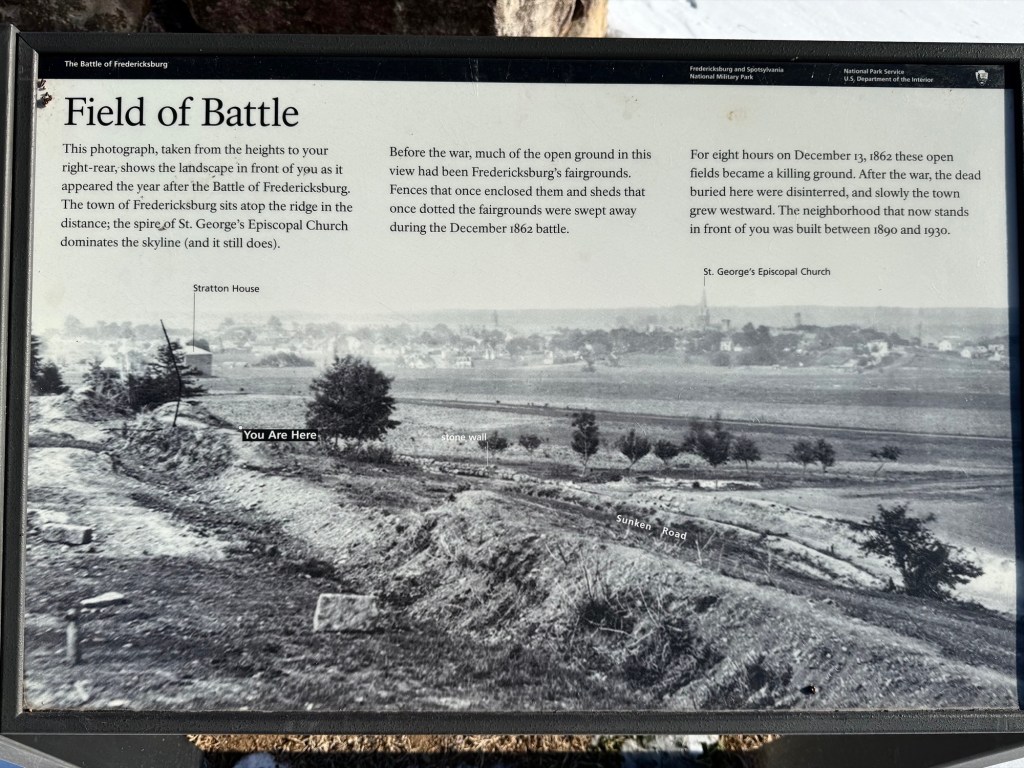
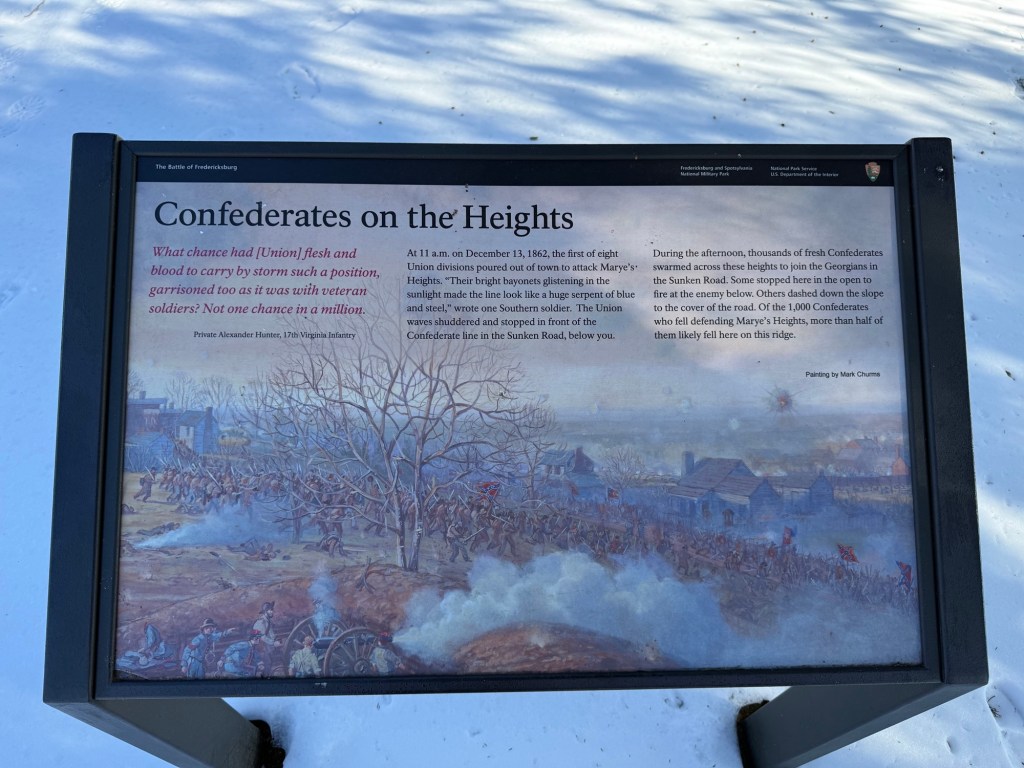
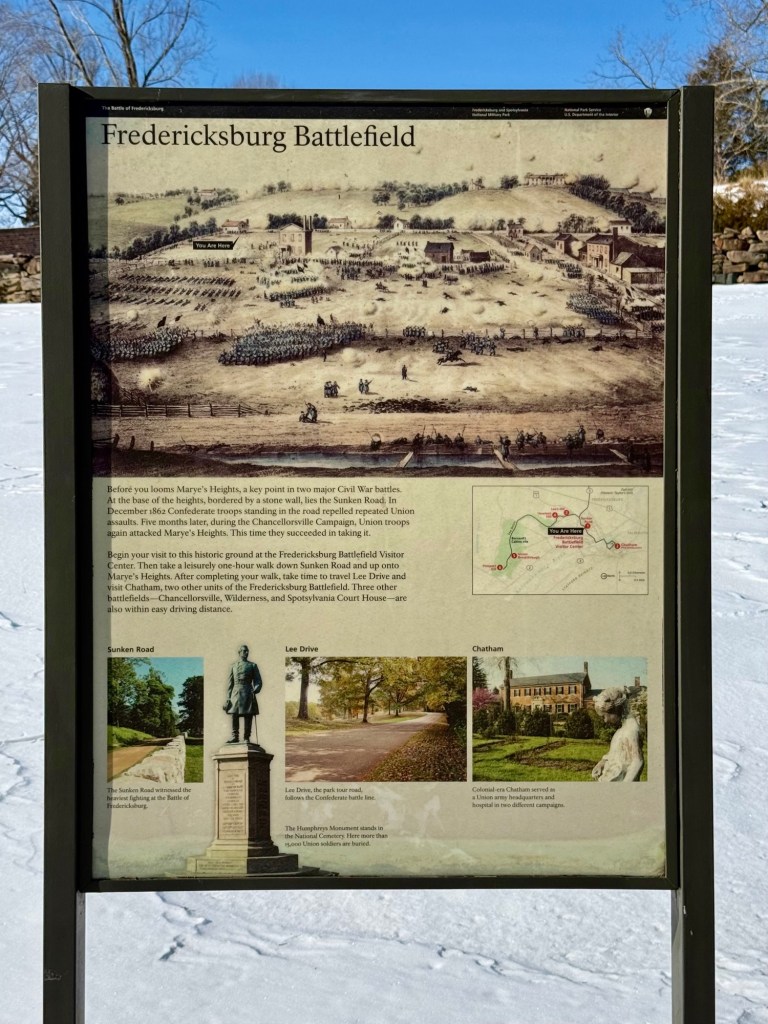
The Battle of Fredericksburg at Sunken Road lasted 4 days and is known as the largest and deadliest battle of the American civil war. It was a massacre of the Union forces. Here, the confederate army occupied ‘Marye’s Heights’, a hill that overlooks the town of Fredericksburg. This site gave them the advantage of height as well as cover on the “Sunken Road” which was a road with a small stone wall. It was literally an uphill battle for the Union soldiers who had very little to no cover climbing up the hill while being targeted. It was estimated that 20,000 soldiers died here (at least 13,000 of them being Union soldiers), but only 3000 were able to be identified.

Check out this short 4 minute video of a park ranger that explains more about the background surrounding this battle: https://www.britannica.com/video/overview-Battle-of-Fredericksburg-American-Civil-War/-224645

How much time do I need?

Fredericksburg and Spotsylvania National Military Park is a massive historic park. We only visited the Battle of Fredericksburg site at Sunken Road which is the main highlight of this park. It took us 2 hours to walk through the Sunken Road trail (see map further down this article) and read all of the information plaques. If you just walk the trail without reading anything, you’ll be done in less than 1 hour. We then spent another 15-20 minutes driving through the small town of Fredericksburg to see some of the other historic sites on the map, but the signage wasn’t very clear and the spots were easy to miss so we didn’t stay very long.

If you want to visit the other 3 battlefields in the massive Fredericksburg and Spotsylvania National Military Park (Chancellorsville, Spotsylvania, and Wilderness), I can’t say exactly how much time you’ll need for them since we didn’t visit, but I’ve heard some people say 1-2 days to see everything. I’ve attached a picture of the overall park map you can pick up from the visitors center to give you an idea of how big this place is. You can also find a pdf version of it here: https://www.nps.gov/frsp/images/FRSPmap1_1.jpg.
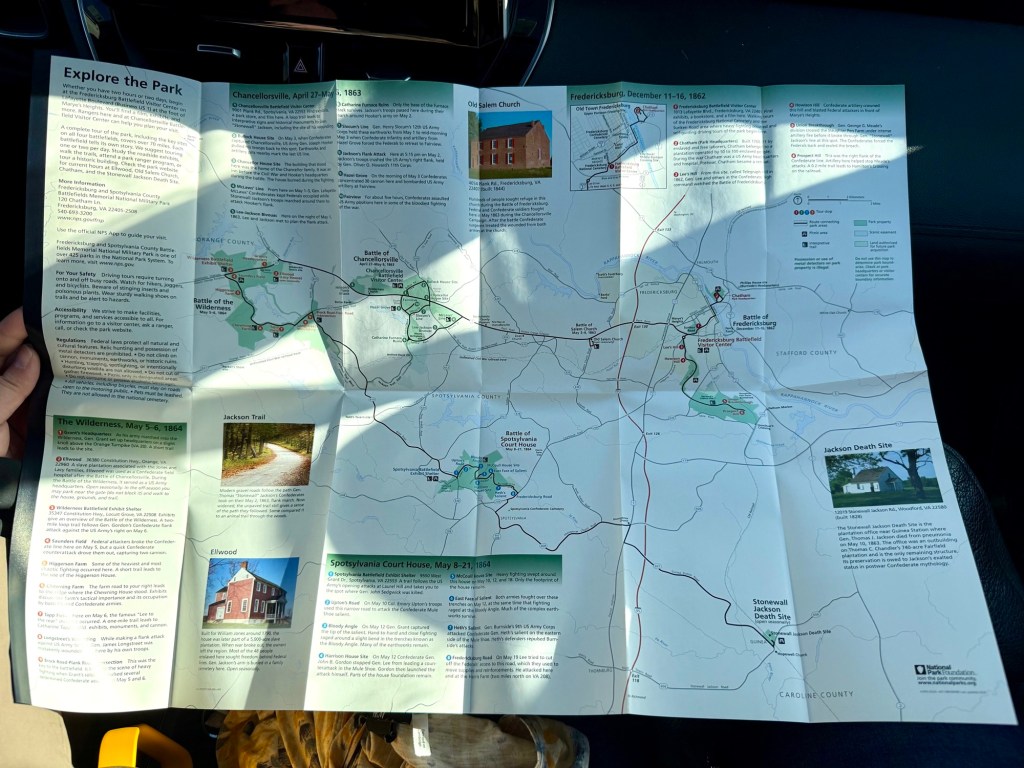
Overview Park Map of all 4 Battle Sites

Best time of year to travel?

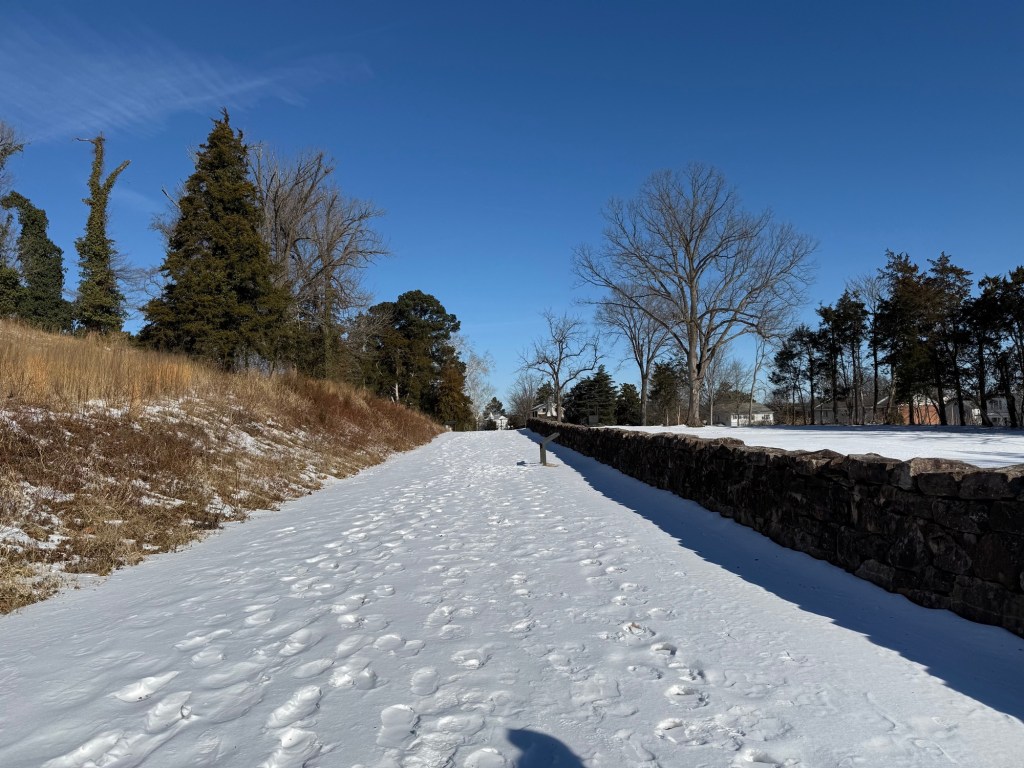
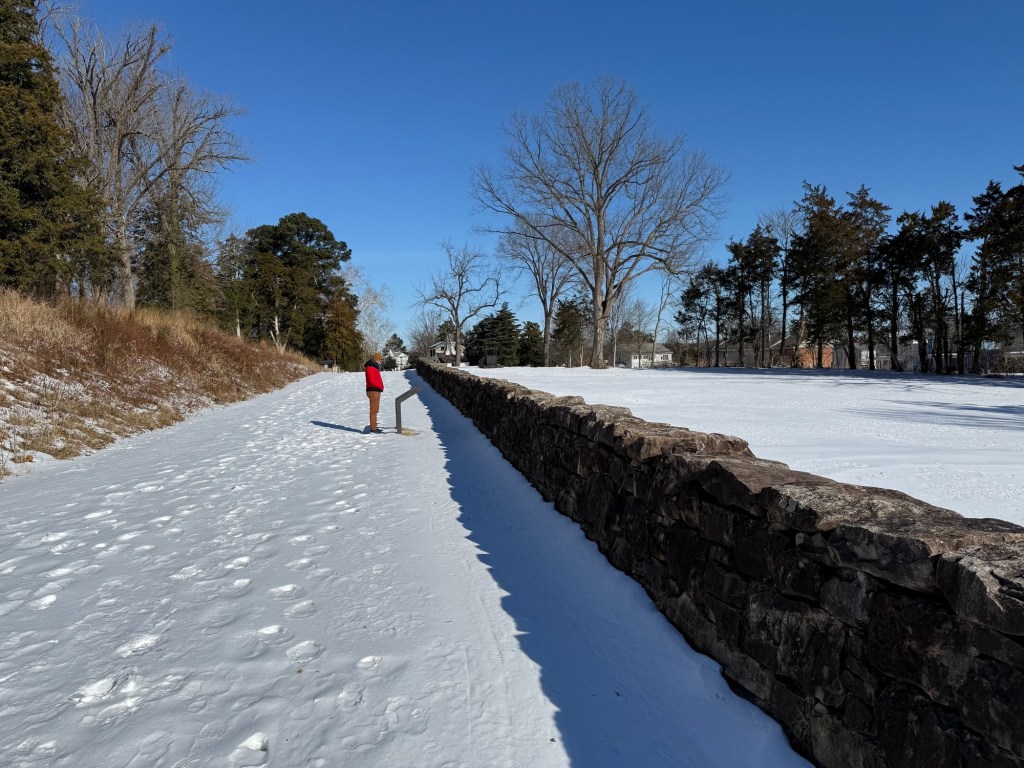
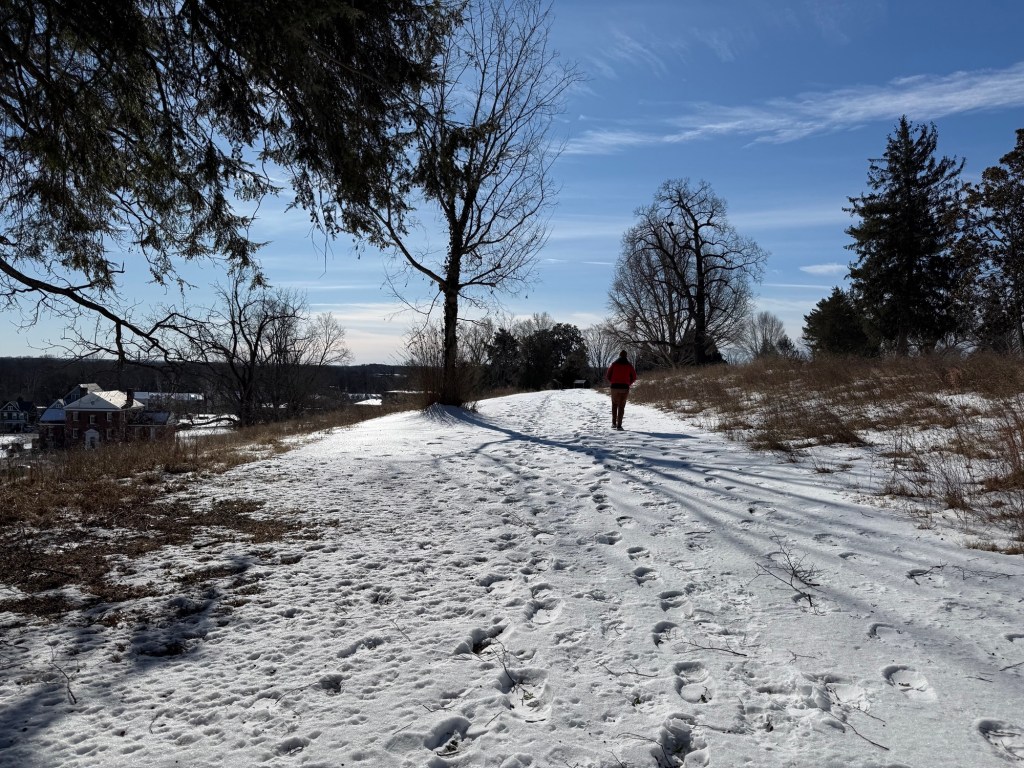
The historic park is open year-round, however the walking paths are not very well maintained in the winter, so keep that in mind if you’re visiting in the colder months. We visited in the middle of winter and had to walk over icy snow on the Sunken Trail and stepped in other people’s snowy footprints to make it up Marye’s Heights hill.

The best time to come is anytime where there’s no snow or ice cover on the ground.

Getting Around & Parking

Driving is the best way to get around. Park your car for free at the Ferdericksburg Battlefield Visitor Center (1013 Lafayette Boulevard, Fredericksburg, VA 22401) and the historic Sunken Trail path starts just behind the building.

What to Expect

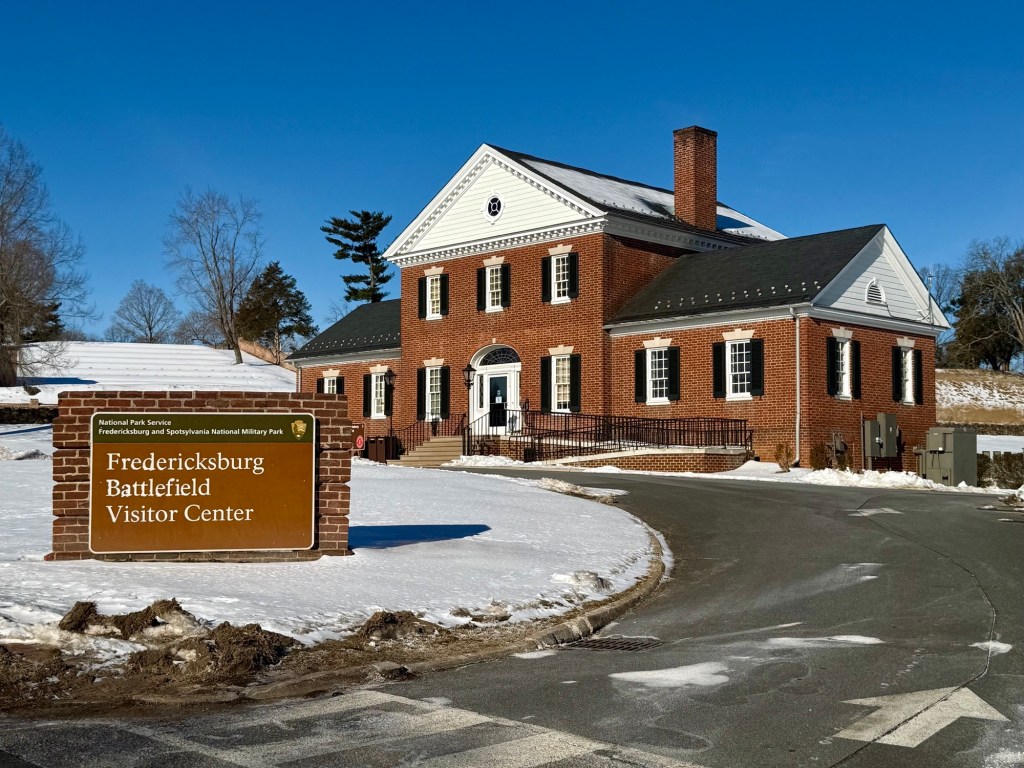
Start at the Fredericksburg Battlefield Visitor Center (1013 Lafayette Boulevard, Fredericksburg, VA 22401) where you’ll park your car. The main visitors center is temporarily closed until further notice for renovations, however they relocated into the smaller bookstore building next door. Here, there is a souvenir shop, bathrooms, and staff members you can speak to about the area and pick up a map. It’s open 9am-5pm. On the park website it says that they offer ranger tours at 10am, 11am, and 2pm (we weren’t here at the right time so we did a self-guided walk following the map).

Here’s a link to the park website for more pdf maps incase you can’t get your hands on one: https://www.nps.gov/frsp/planyourvisit/trails-brochures.htm
Below is a walking map of the Sunken Road Trail which is your guide to explore the battlegrounds. The path starts behind the visitors center on the “Sunken Road” where you parked your car. In this guide, I’ll walk you through this path and the things you’ll see along the way.
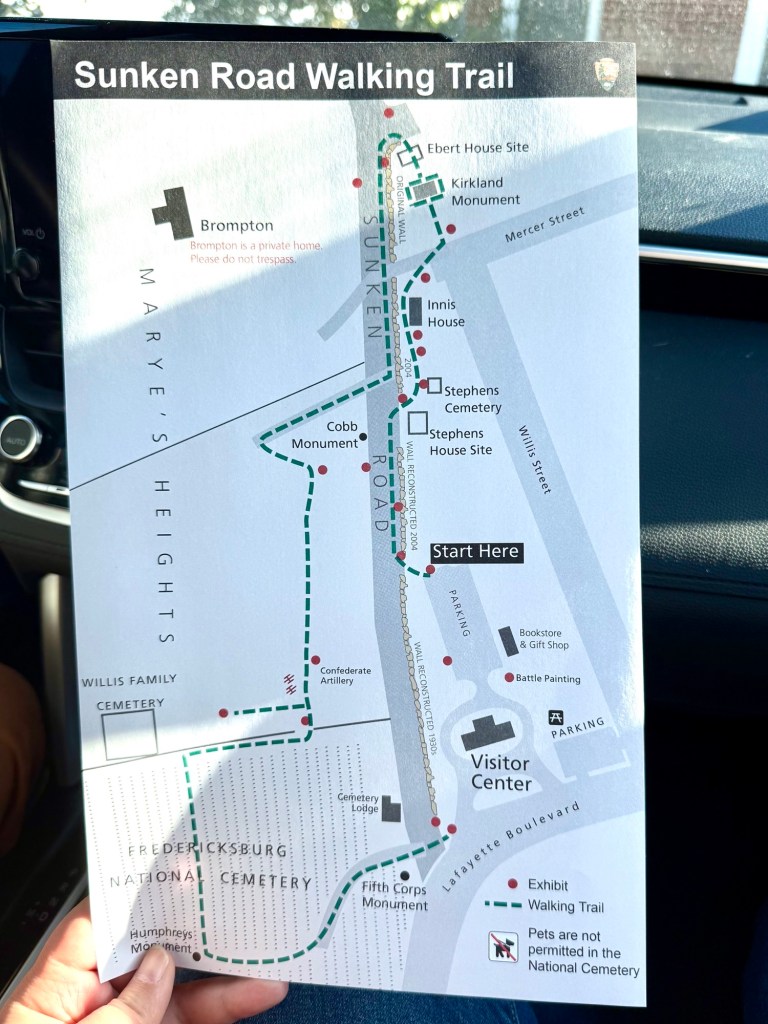
Walking map of the Sunken Road Trail (white squares = where buildings used to be; filed in squares = where a current building stands)

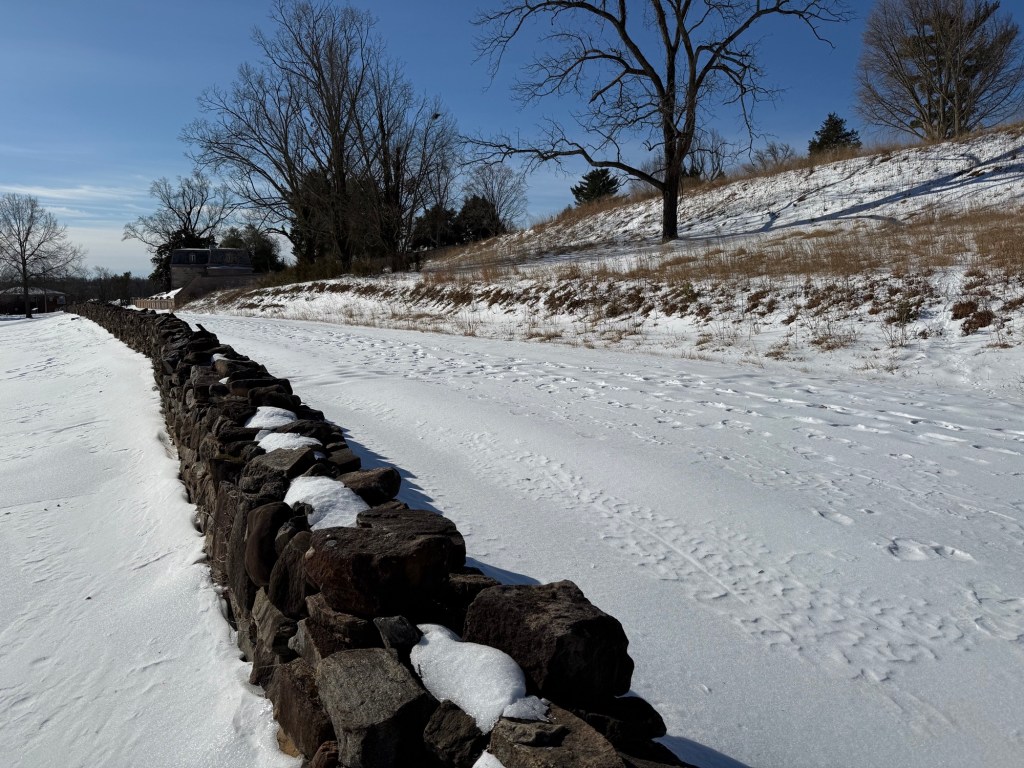
The Sunken Road was originally called ‘Country Road’ or ‘Telegraph Road’ and was a normal everyday road used by farmers to transport crops into town and locals to visit neighbours. This road had a short stone wall and was built along the side of ‘Marye’s Heights’ hill. Sunken Road was the perfect position for the confederate soldiers to take cover by the shield of the stone wall while taking aim at the charging Union soldiers to defend the hill.
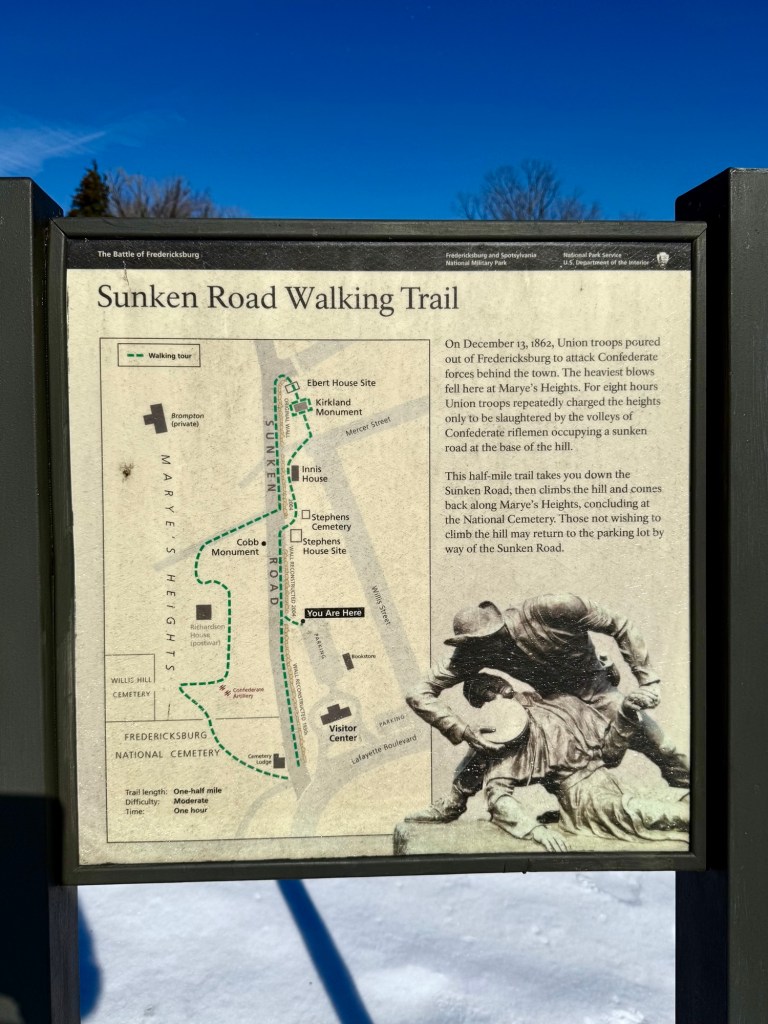
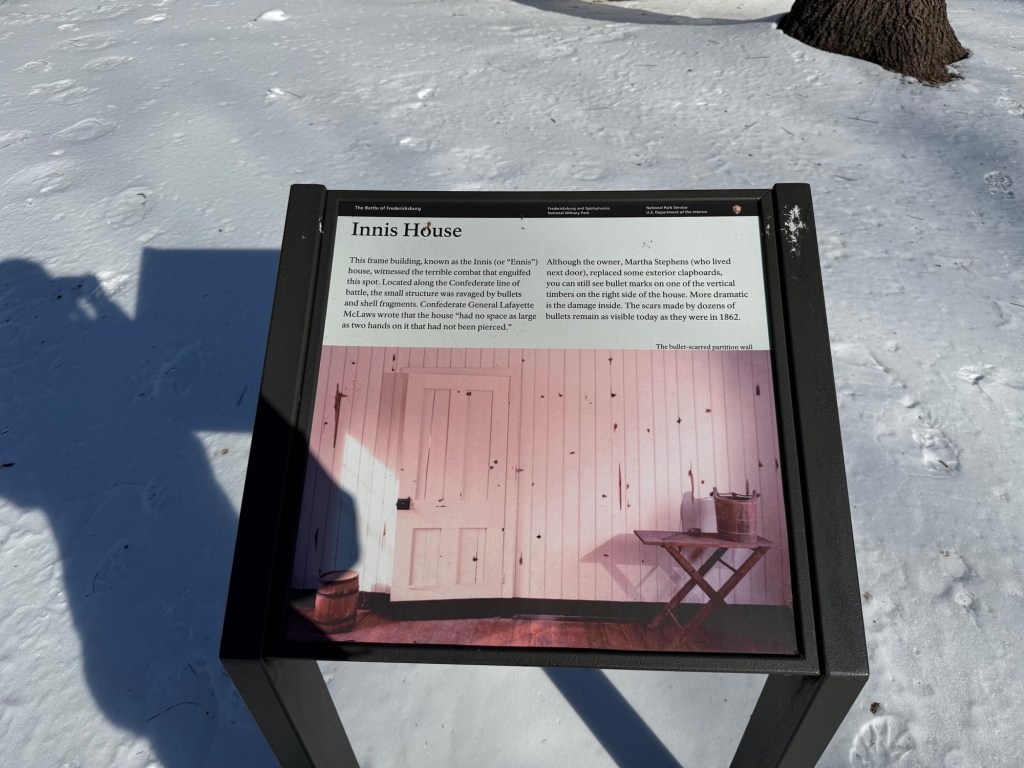
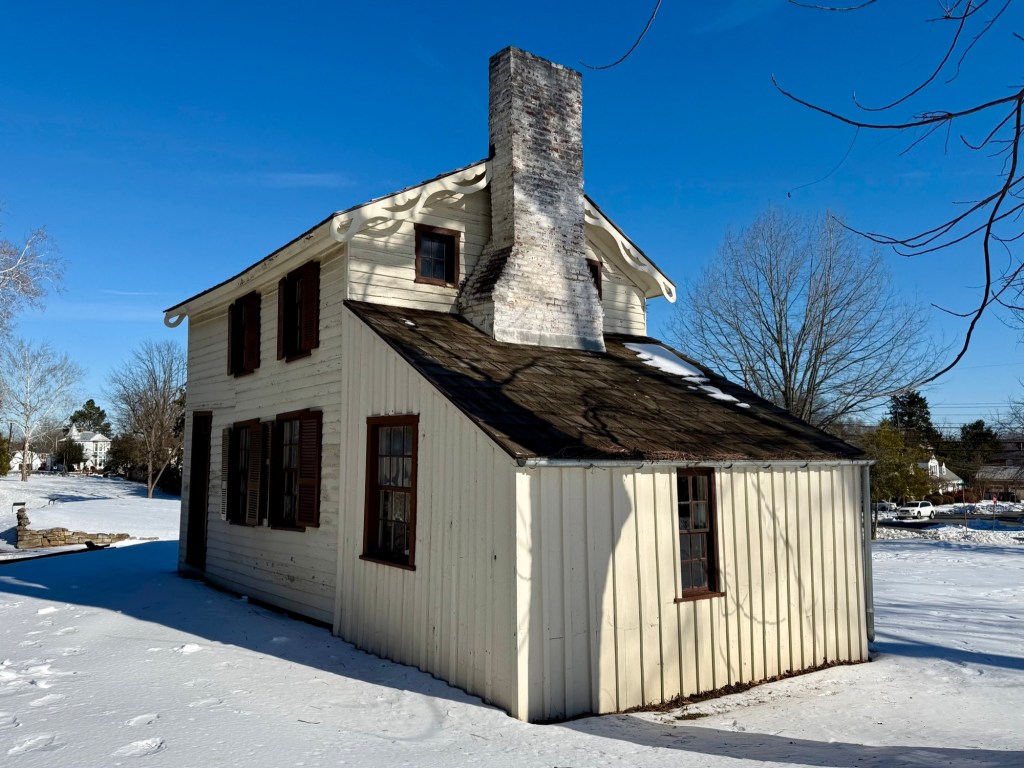
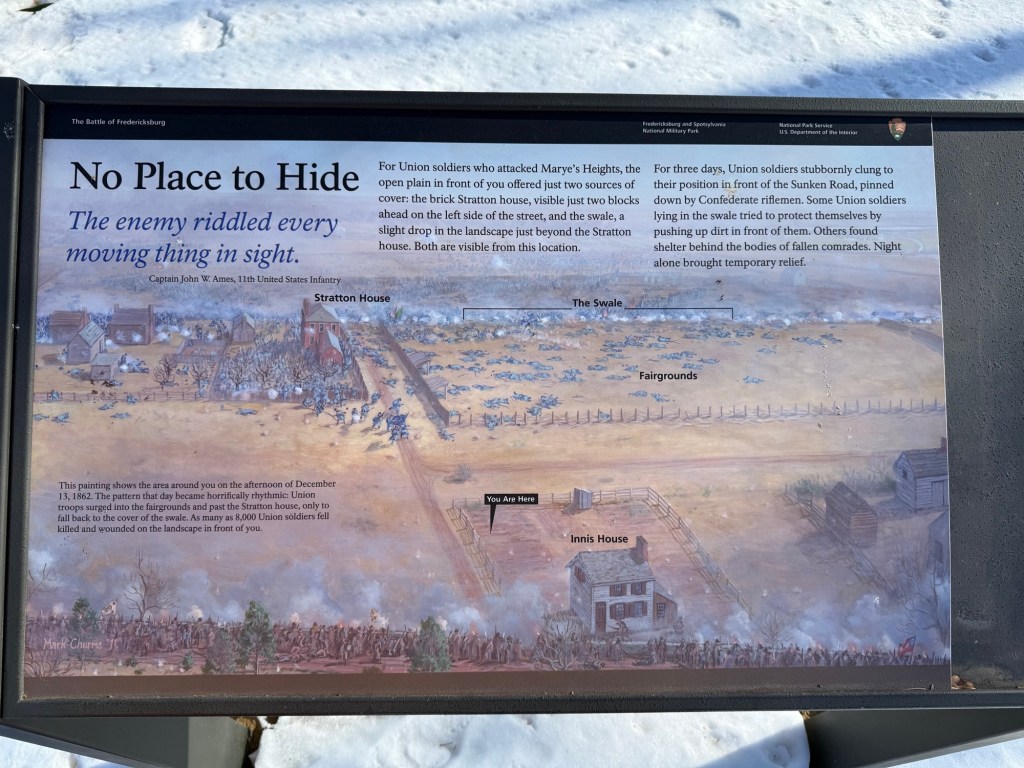
As you follow the walking trail map, you’ll pass by the Innis House. This house was present during the roaring Battle of Fredericksburg and you can see evidence of bullet holes and shell fragments on the walls! The outside panels have been replaced overtime, but you can peek your head in the window and see all the bullet holes on the interior walls.
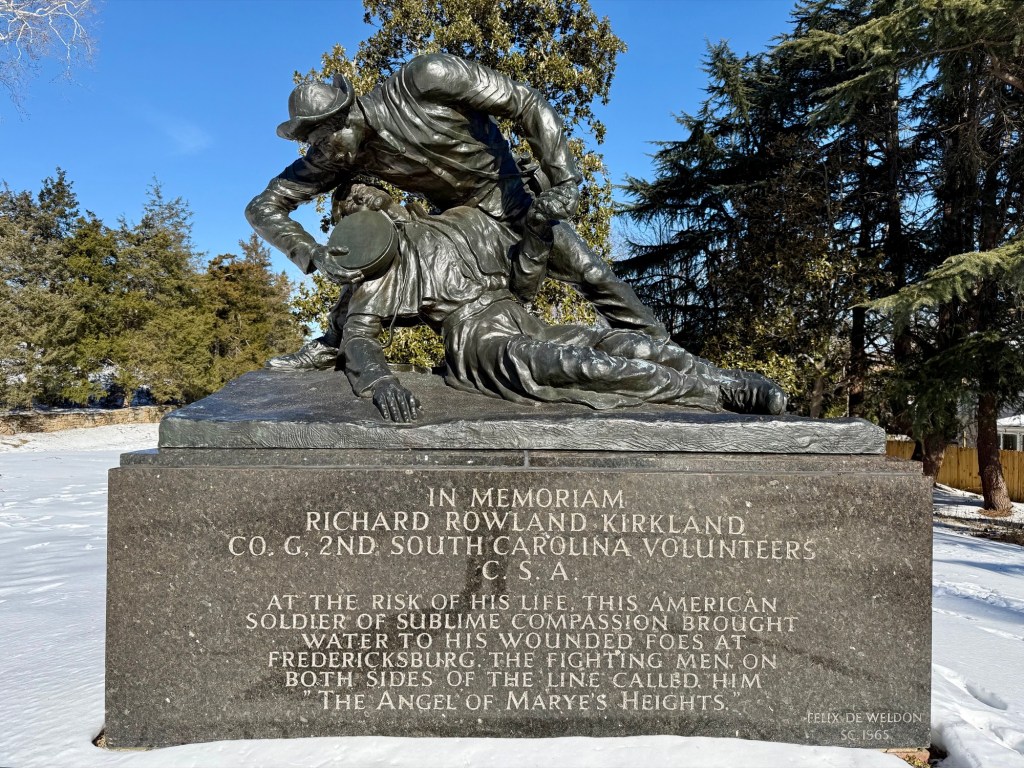
Next you’ll pass by Kirkland Monument, which is a large statue dedicated to “the angel of Marye Heights”, Seargent Richard Kirkland. This young confederate soldier heroically crossed over the Sunken Road walls to aid wounded enemy Union soldiers.
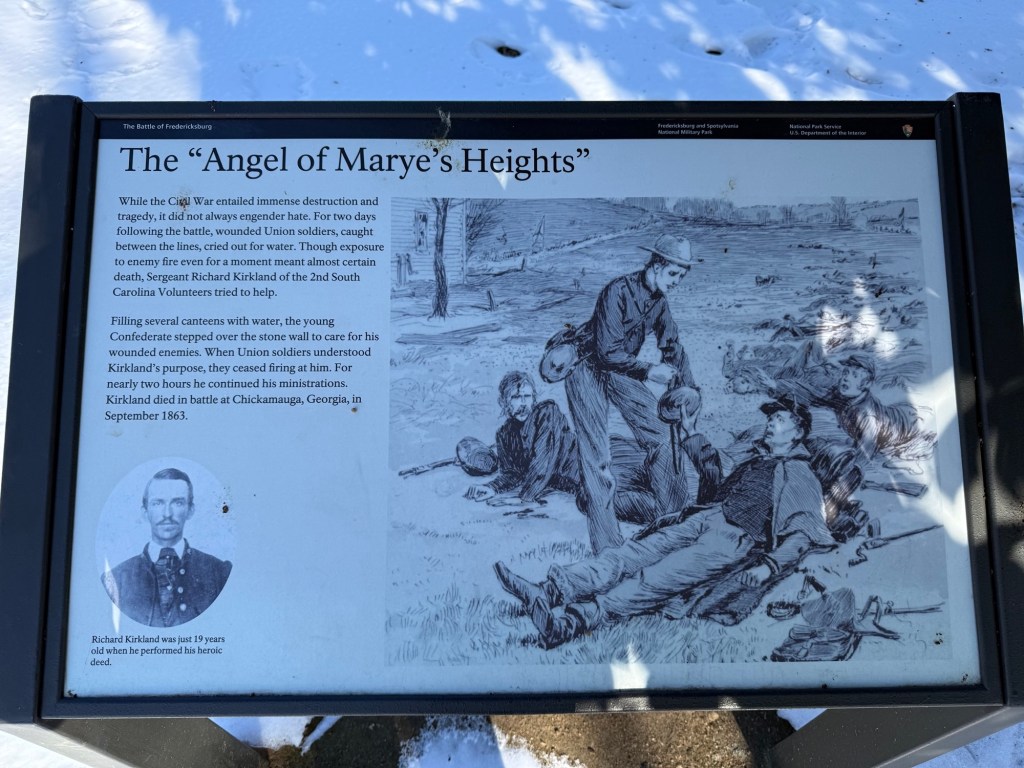
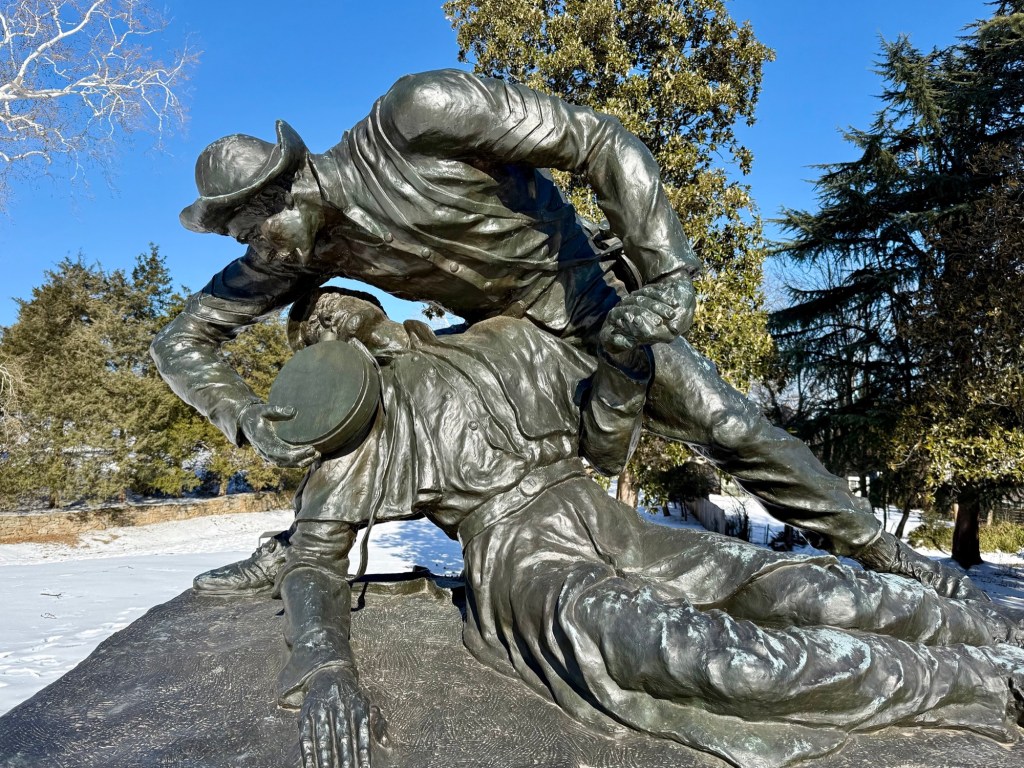
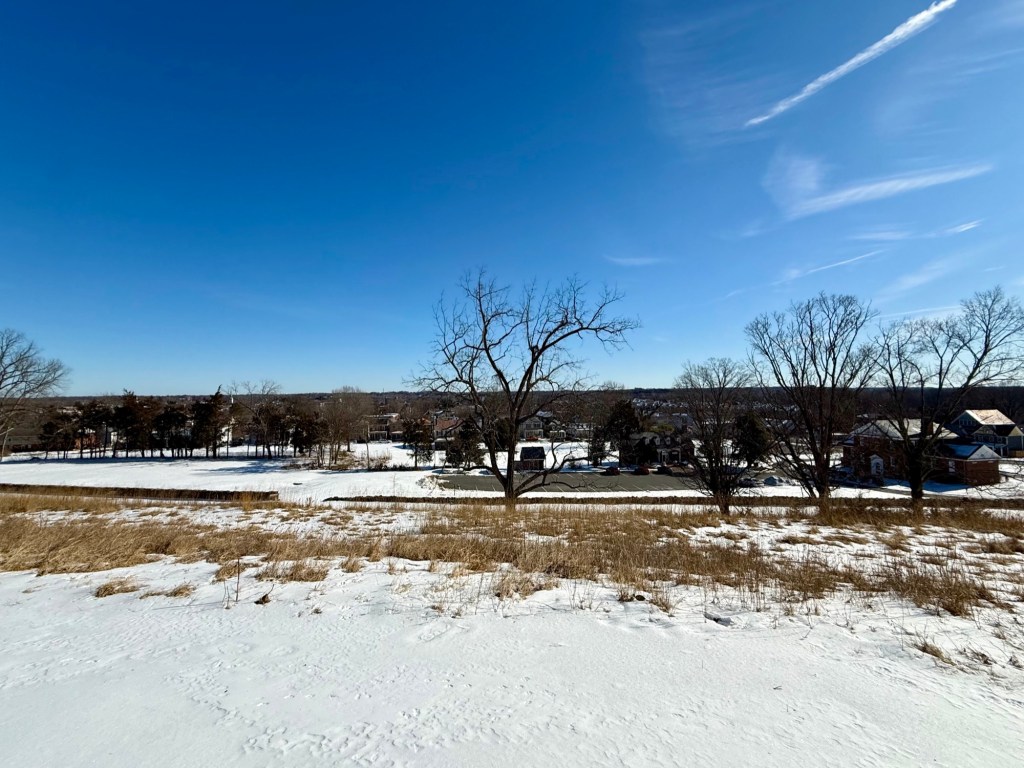
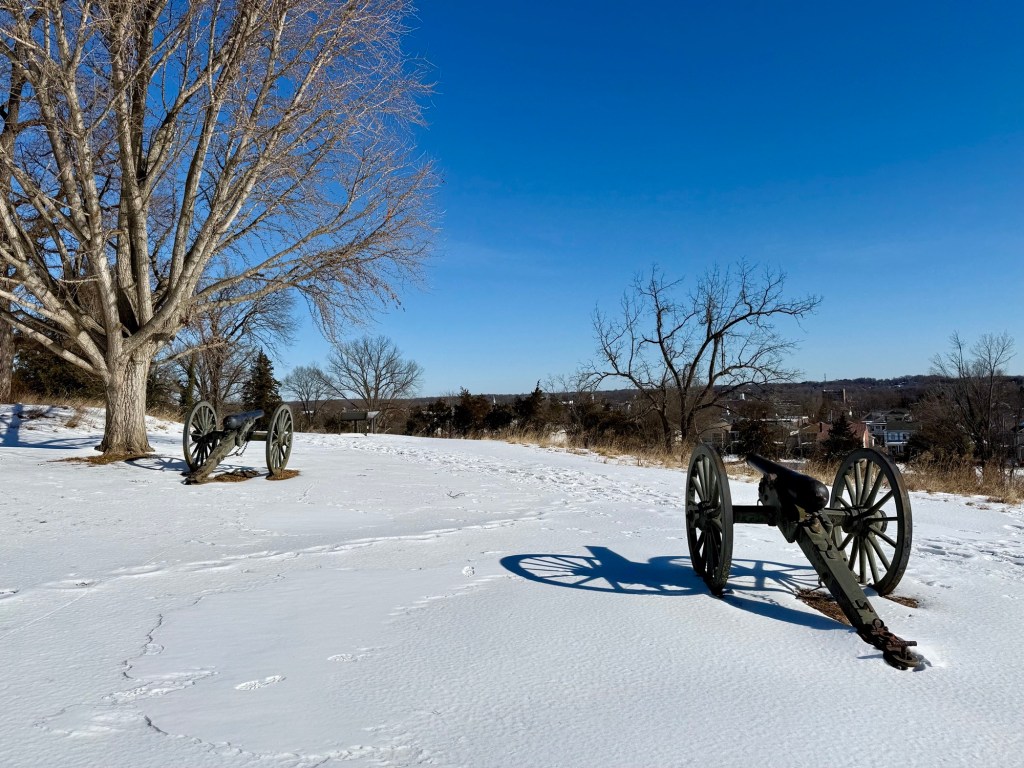
Next you’ll continue to path and U-turn up towards the top of Marye’s Heights. Here you’ll get a view of the land below and what it would’ve been like to be a confederate soldier looking down below towards the Union soldiers charging uphill. There was minimal cover for them and it was no wonder why this was a massacre.
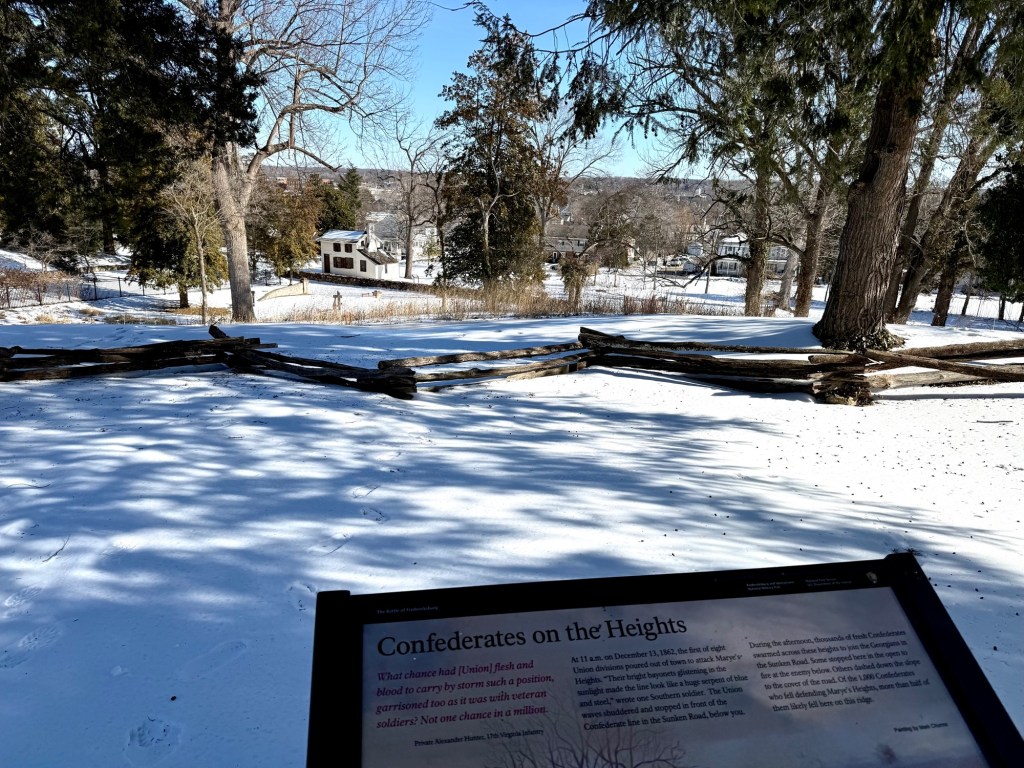
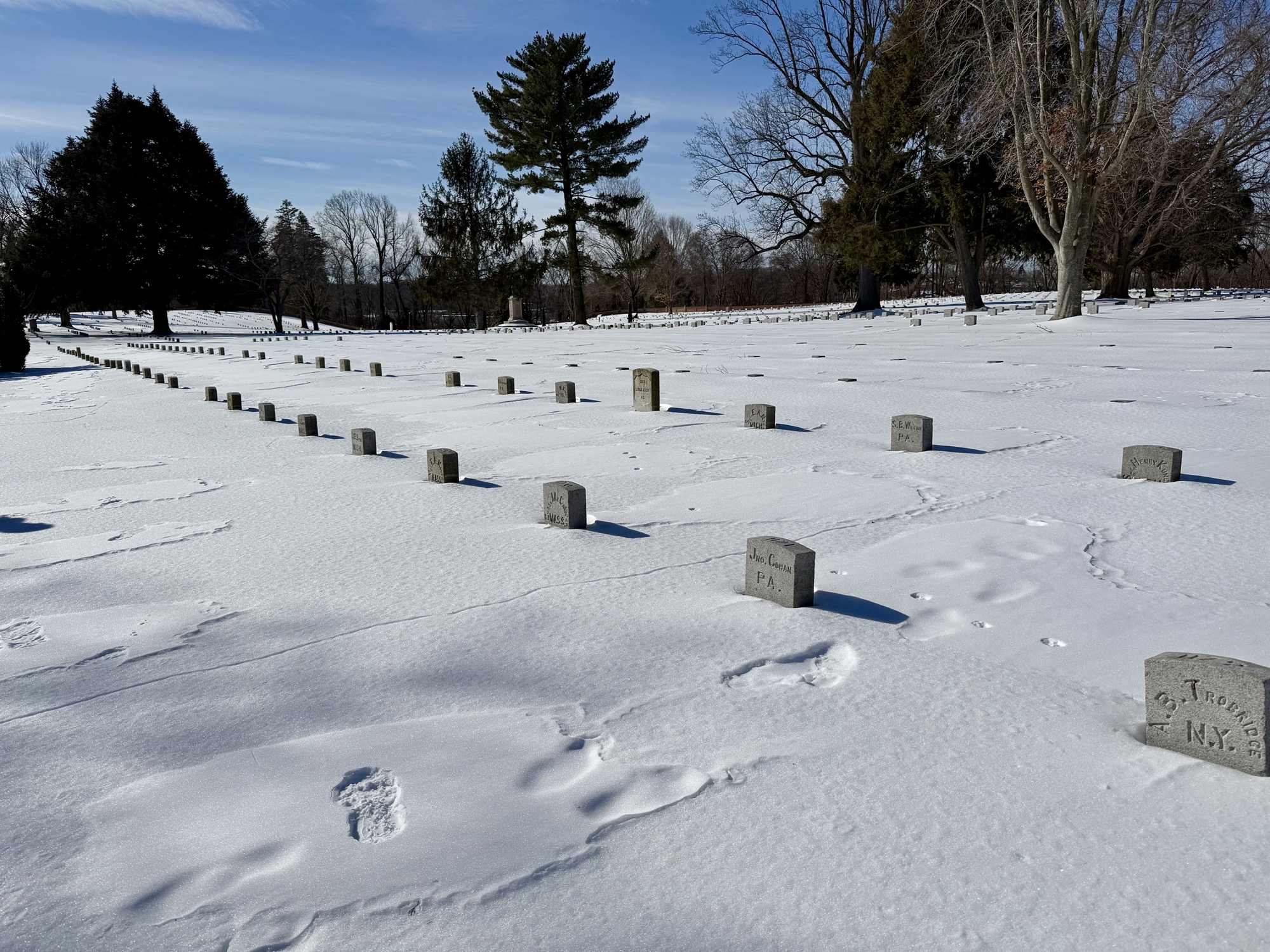
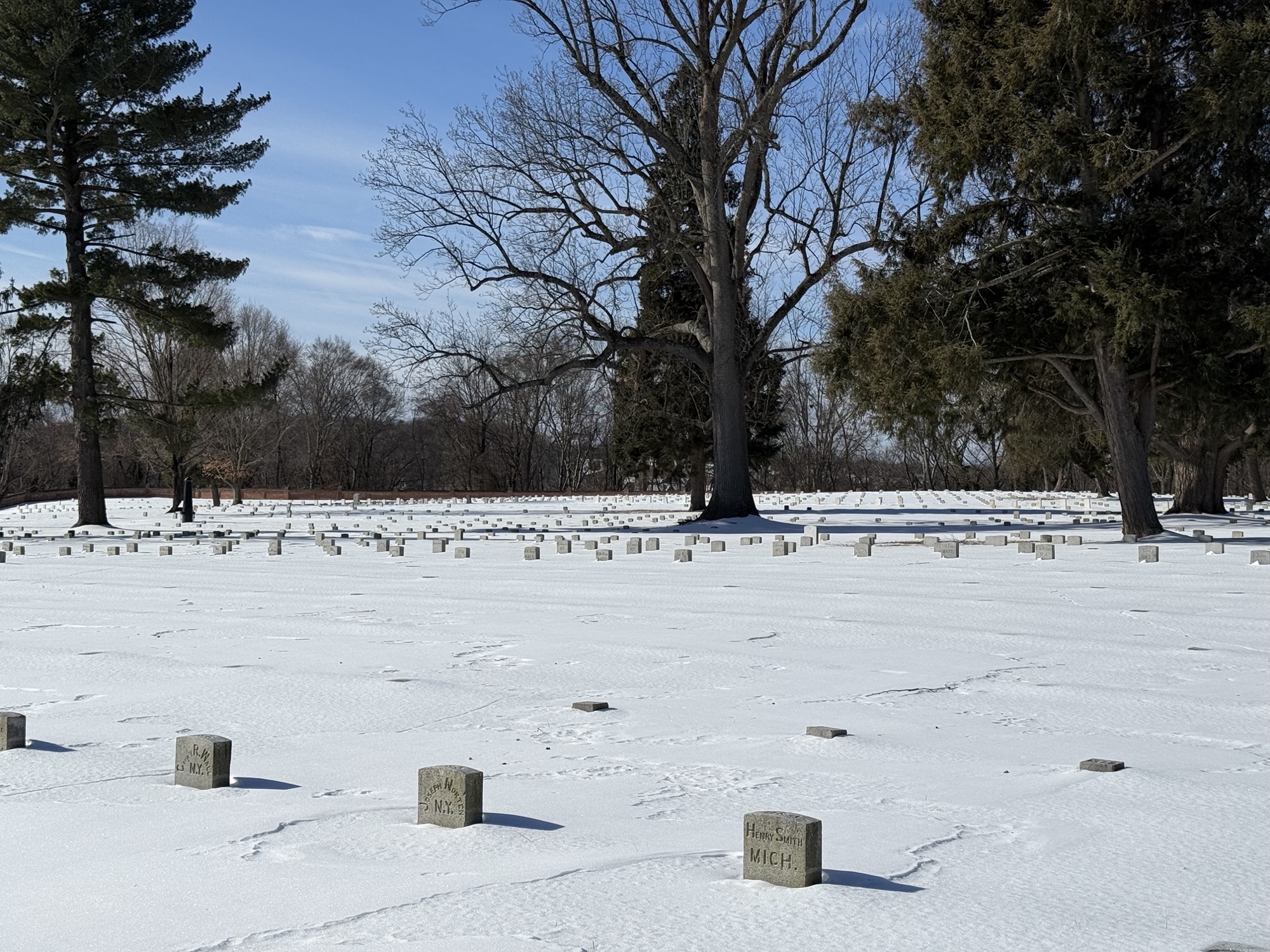
At the end of the walking path, you’ll come across the Fredericksburg National Cemetery with thousands of small granite headstones that mark the graves of both identified and unknown solders.
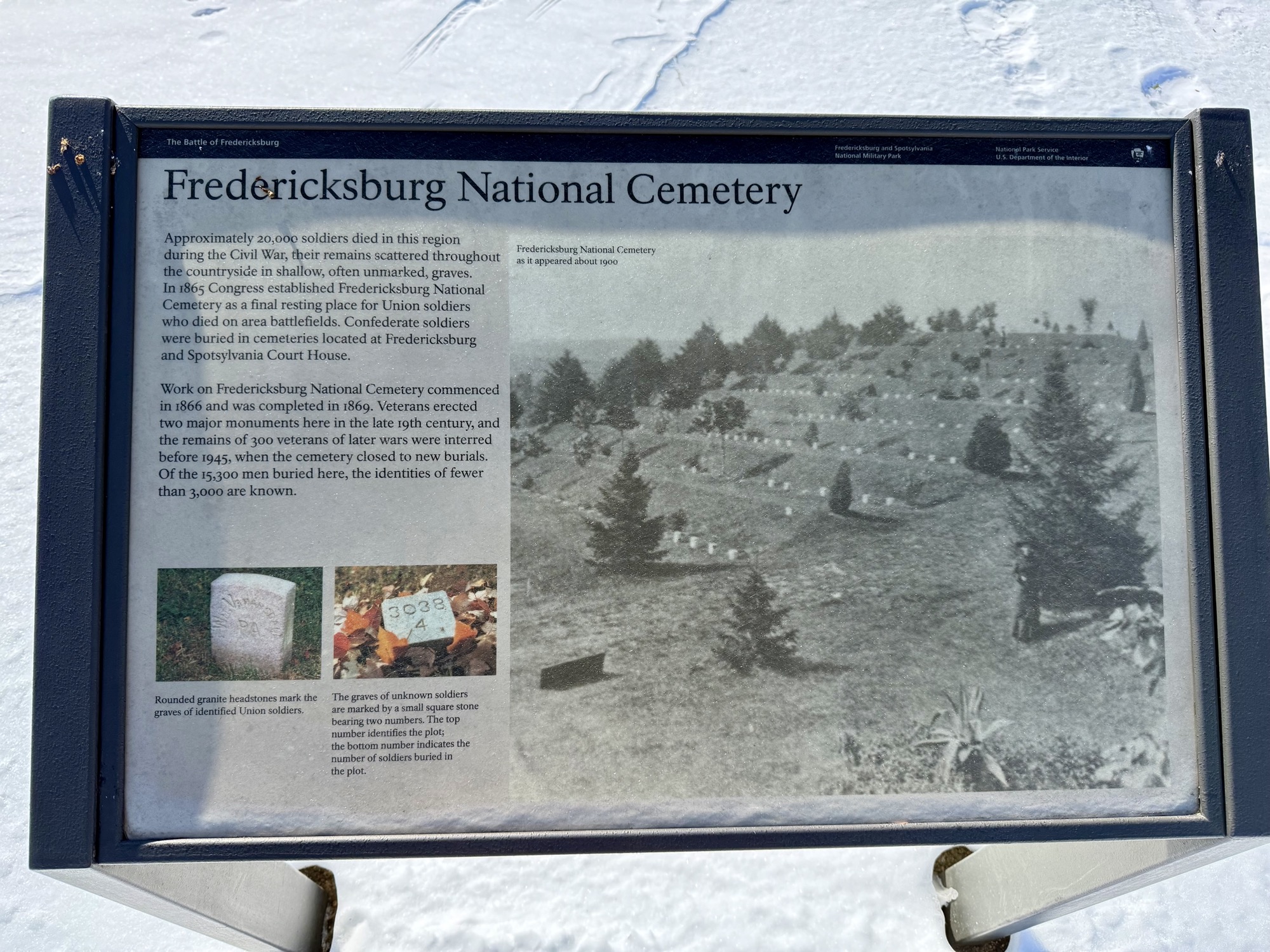
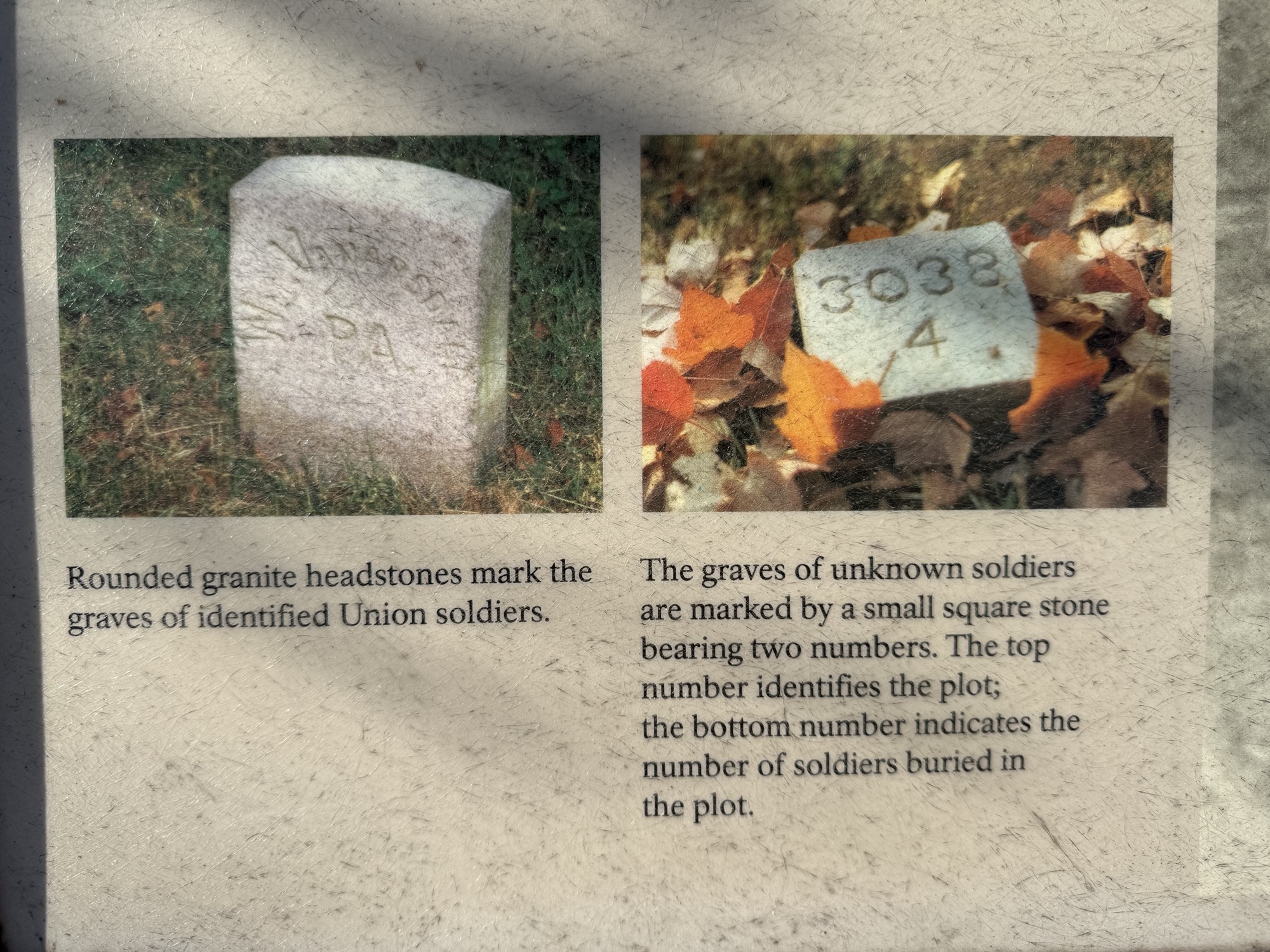
After the cemetery, you’ll intersect with the Sunken Road again briefly before heading back to the parking lot at the visitors center.
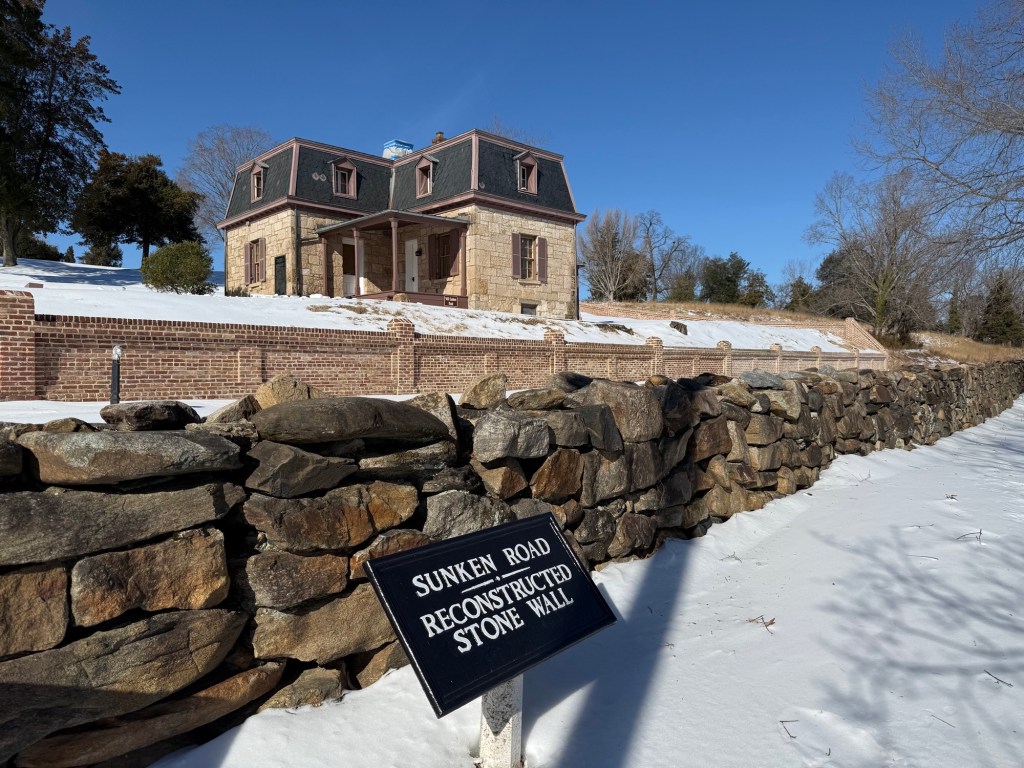
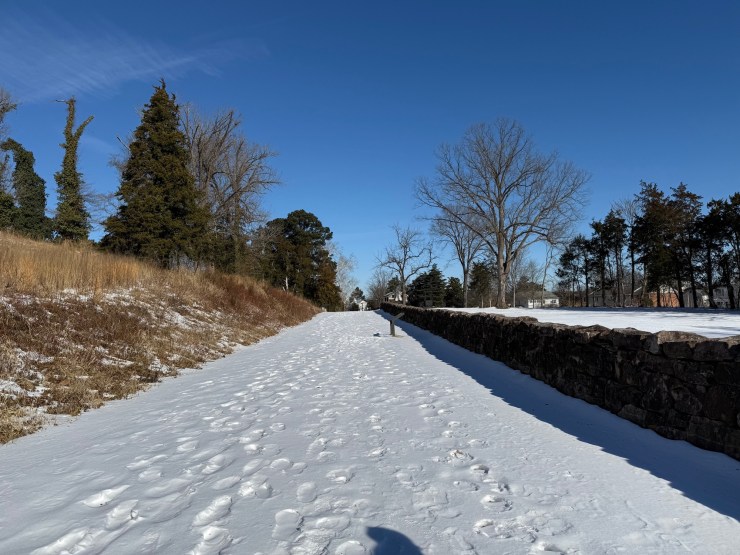
Sunken Road with the reconstructed stone wall and view of the Cemetery Lodge behind it

After Sunken Road, we did a mini self-guided driving tour of a few historical battle spots around town – see the map below. The sites weren’t very well marked and was easy to miss so we didn’t spend much time at them.
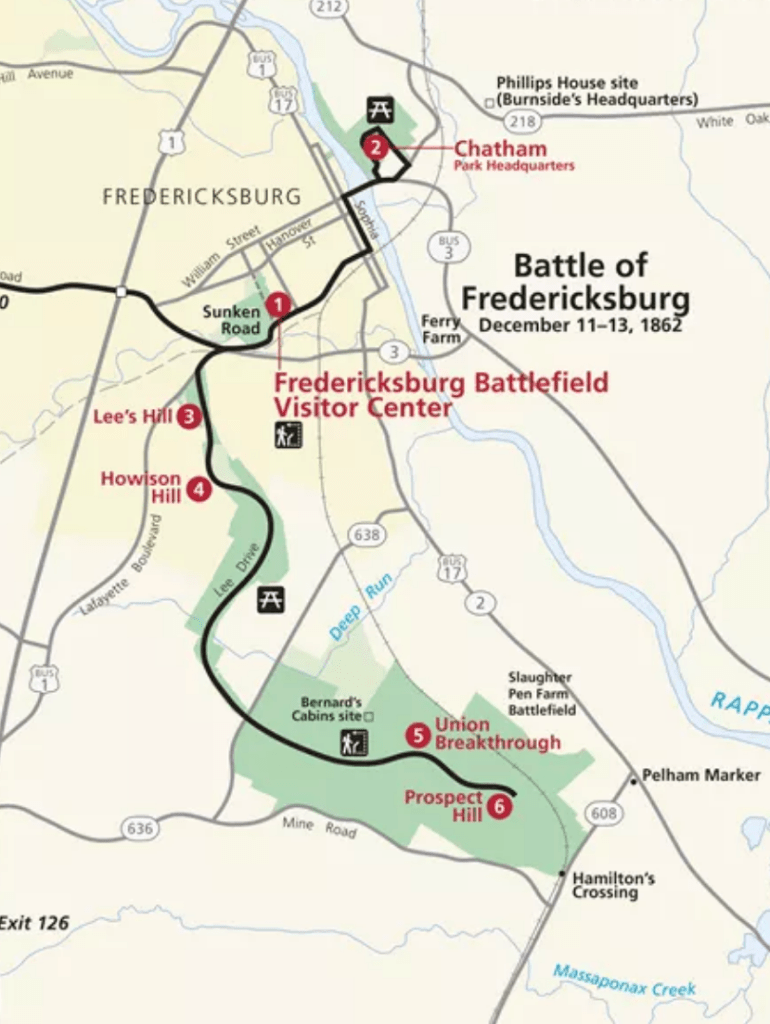
Driving map around Fredericksburg: https://www.nps.gov/frsp/planyourvisit/directions.htm

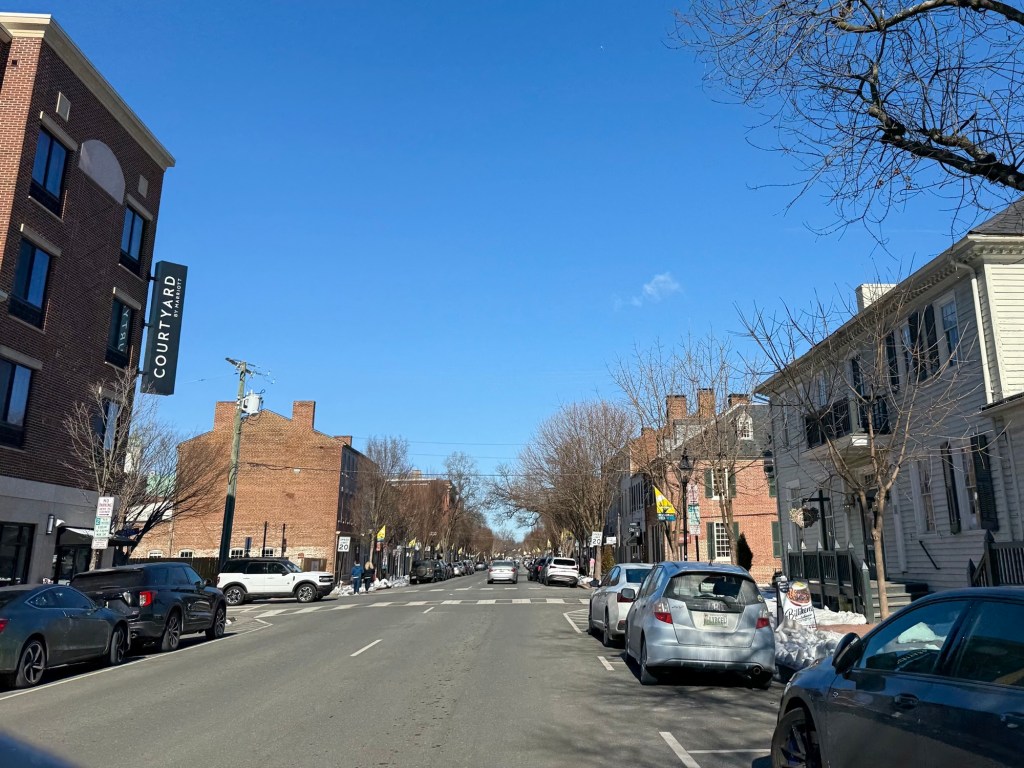
We also drove through downtown Fredericksburg which wasn’t all that exciting – many of the shops were closed or for rent.
Some Final Thoughts

  • The historic site at Sunken Road marks one of the bloodiest battles in the civil war. If you’re not that into American history, then maybe give this a skip. We’re not history buffs, but we enjoy visiting historical places to learn about significant events that helped shape this nation.
  • Consider a guided tour at the posted times if you want to avoid reading the information plaques.
  • Have proper footwear if you’re going to visit in the colder months since the trails are not very well maintained.
Your Ultimate Day Trip to Alexandria, Virginia: What to See and Do


Date Published: May 23rd, 2026 | Last Updated: May 23rd, 2026
Author: Abby | Category: Travel, USA
Date of travel: Feb 7th, 2026

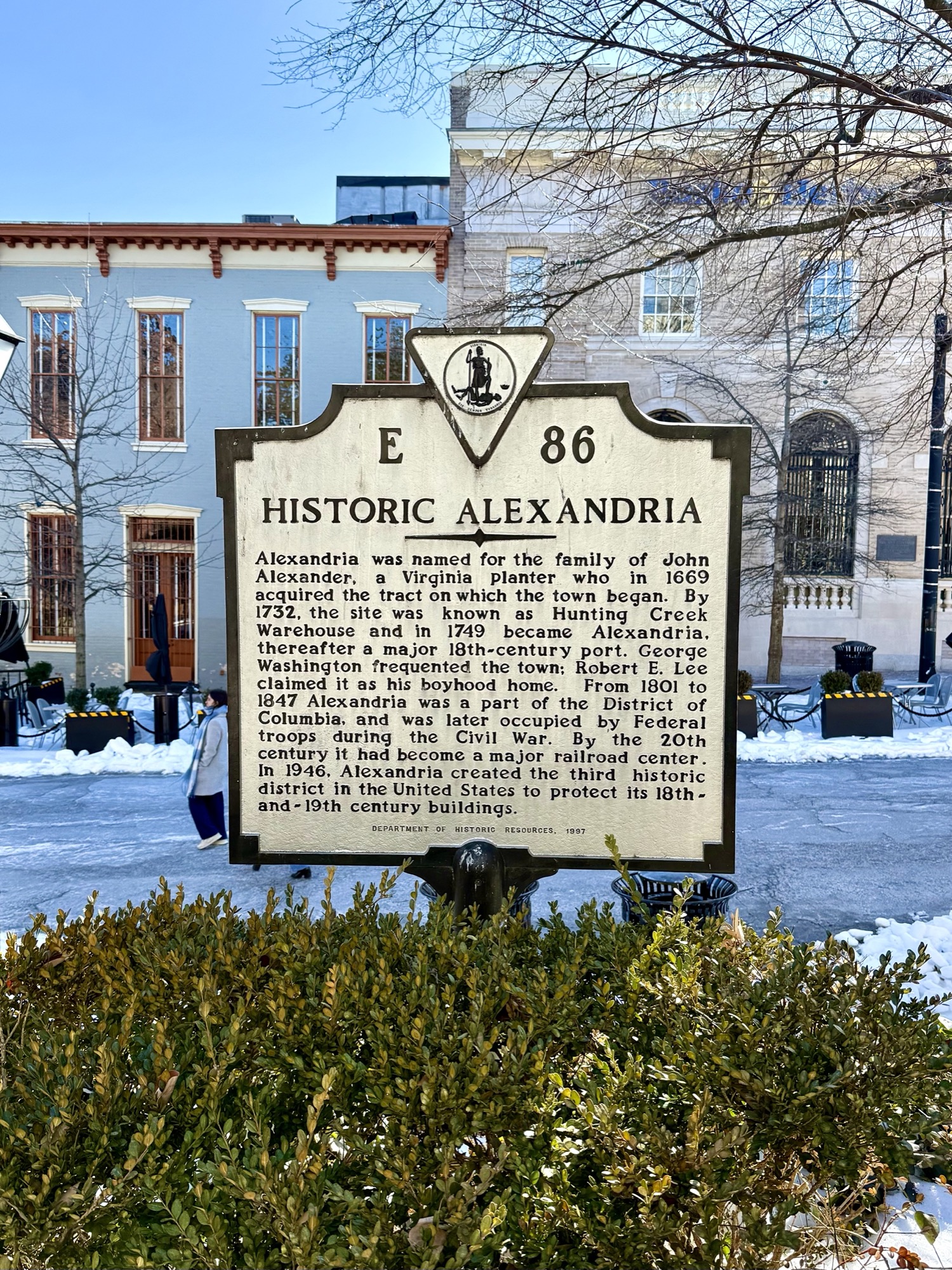
The town of Alexandria, Virginia, is a historically rich city on the Potomac River that originally started as a tobacco trading post in the mid 1700s and became one of the busiest ports in America. It is famously known as George Washington’s hometown. He surveyed the land at the age of 16 and was a part of the foundational planning of this town and maintained a close relationship until his death in 1799. He lived, dined, worshipped, and conducted business through these historic streets of Alexandria.

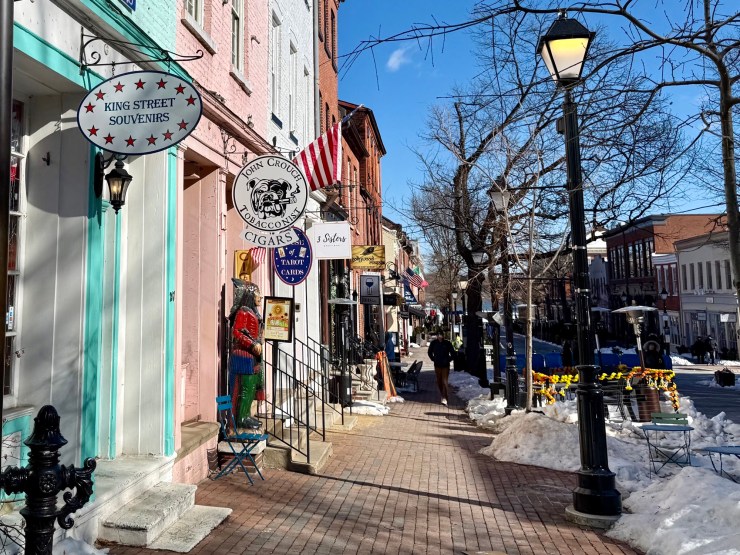
Today, the main things to do here is to explore the preserved streets and buildings of Old Town, take a short stroll along the waterfront, check out the converted Torpedo Factory, and visit a masonic temple dedicated to the memorial of George Washington.

Best time of year to travel?

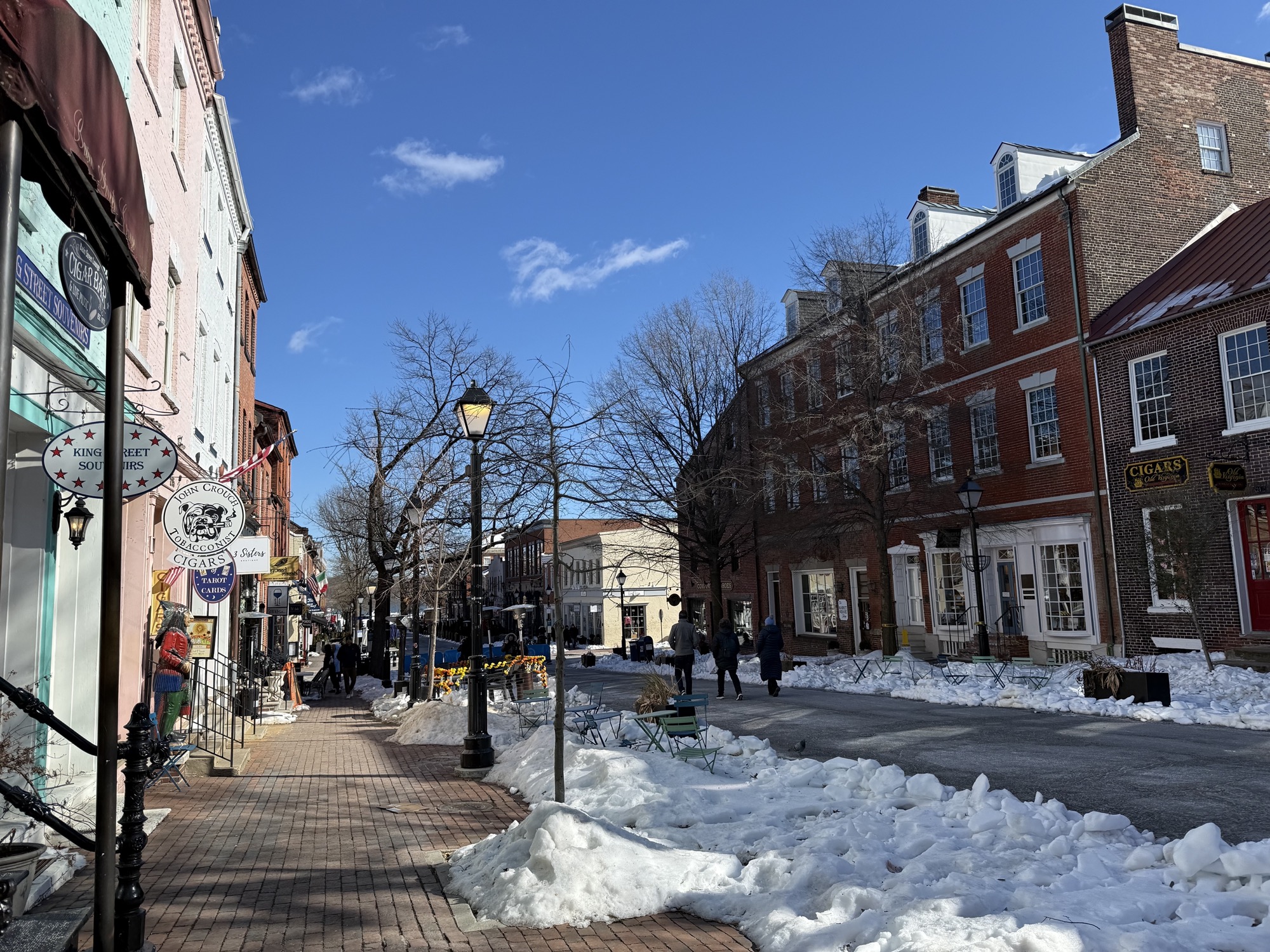
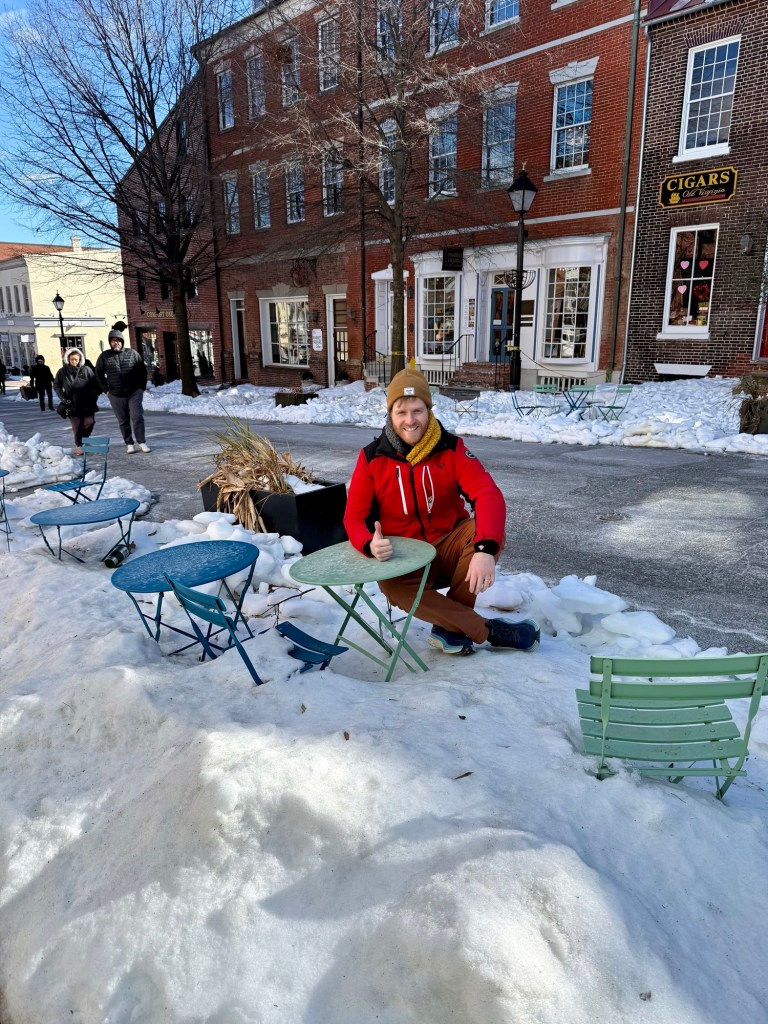
You can visit any time of the year, but the best time to visit will be in Spring or Summer when the weather is warmer and it’ll be nicer to walk around. We came in the middle of winter and a lot of streets were covered in snow.

Where to stay?

Although a very cute lively town, there’s not a ton of nightlife in Alexandria, so it’s not imperative to stay in the middle of old town, unless you really want to be within walking distance to a few restaurants or bars. We chose a cheaper option about a 10 minute drive away off the side of the freeway and just drove into Alexandria to save on hotel costs.

Getting Around & Where to Park?

Driving will be your best option to explore the main sites around Alexandria. Old Town will be the main attraction and is a very walkable town. We found the cheapest parking to be in the underground parking garage at Market Square underneath City Hall (address: 108 N. Fairfax Street Alexandria, Virginia). It was $2/hour, maximum $10 per day. You can also park on the street, but parking is limited and has limited hours.

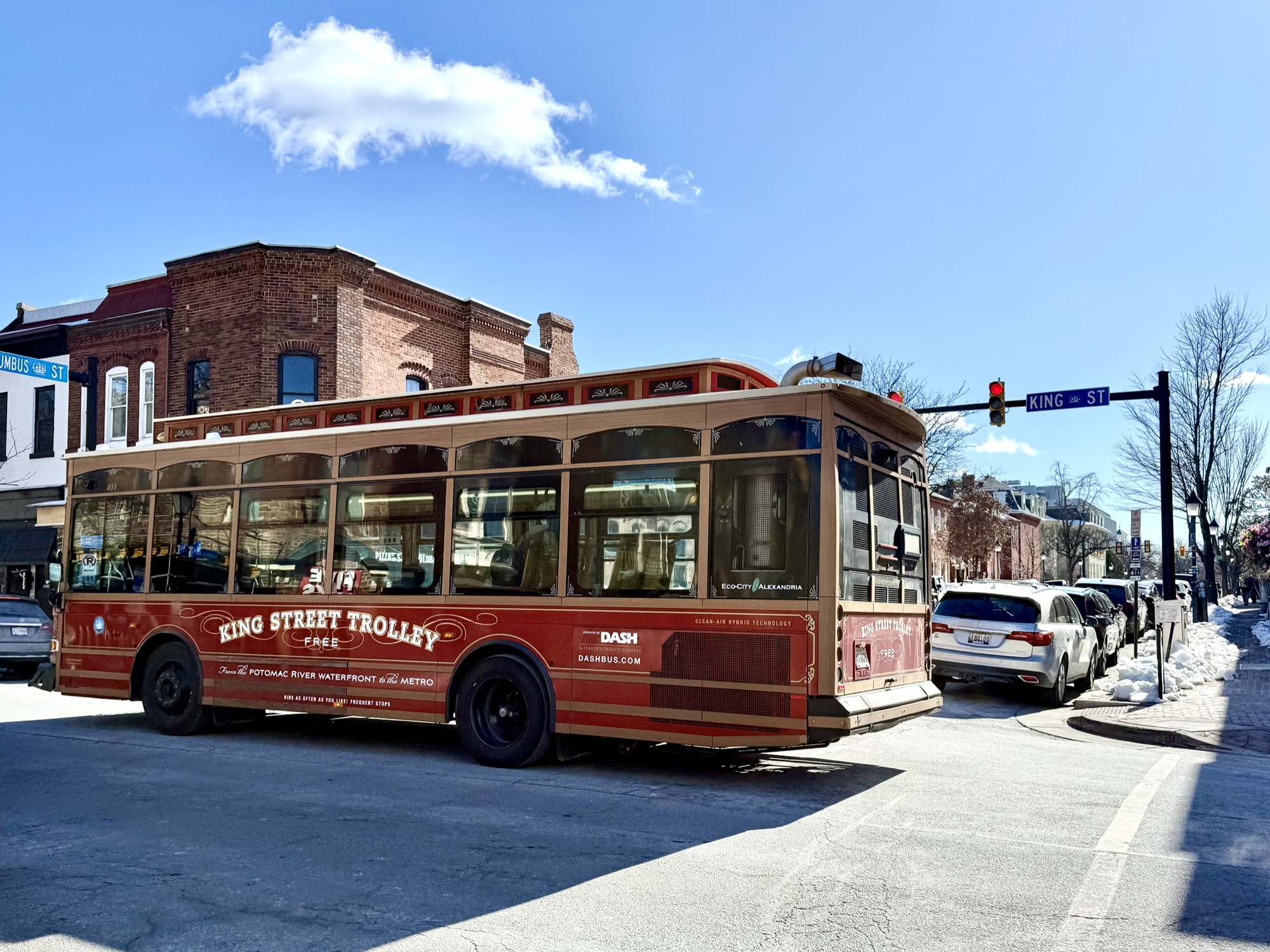
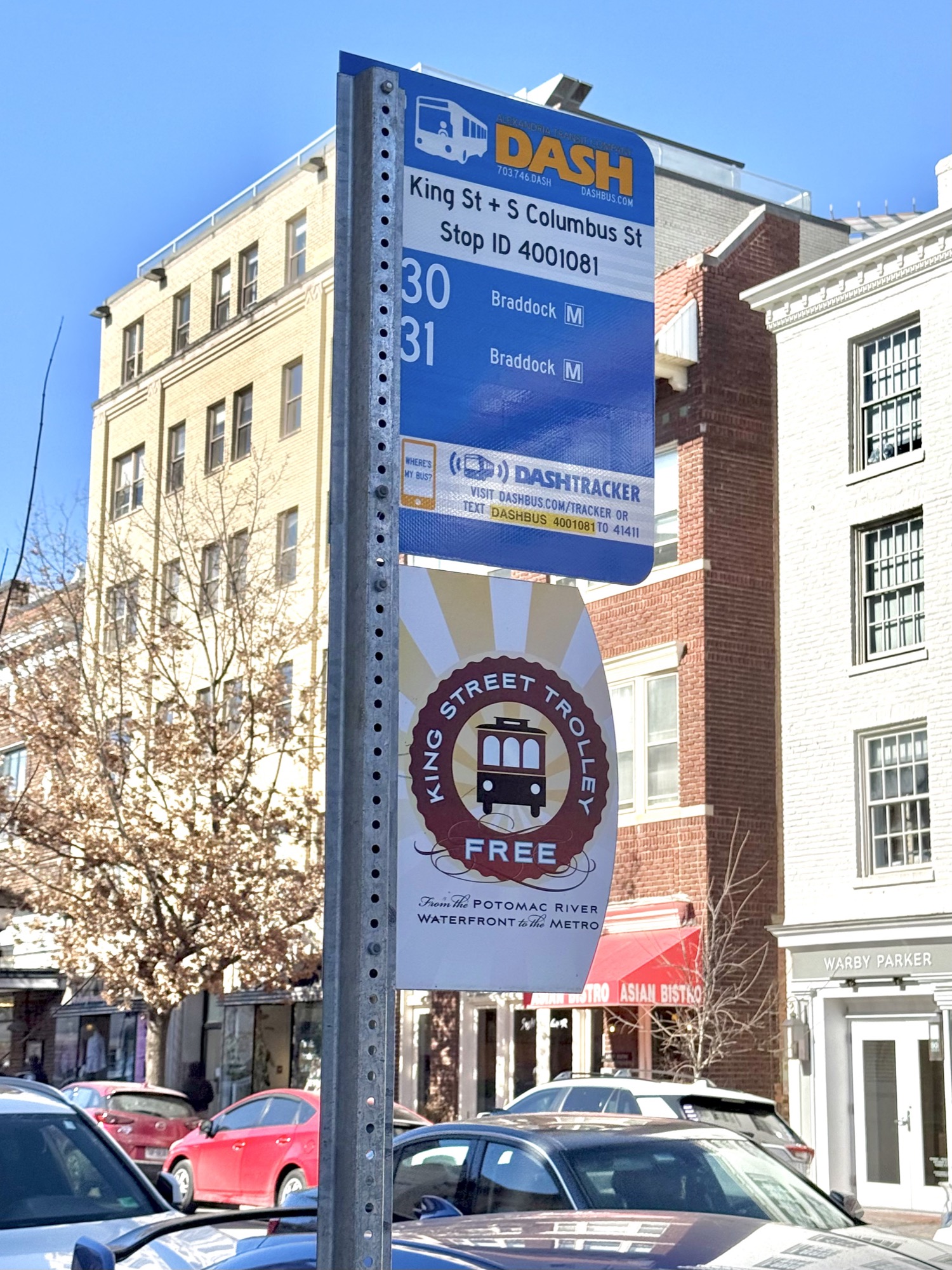
There is a free “King Street Trolley” that you can take around town. We didn’t take it because the places we wanted to visit were relatively close together and very walkable within Old Town. You can find out more about the trolley service and routes here: https://visitalexandria.com/plan/king-street-trolley/ .

How many days do I need?

Alexandria is a pretty small town and it only takes about 20 minutes to walk from one end of the main street to the other, but there are plenty of restaurants, shops, and a few historic sites to keep you busy. 1 day will be enough time to see all the highlights here. Check out the sample itinerary below to help plan your day.

If you haven’t already, consider visiting the nearby Mount Vernon (the historical home of George Washington) – it’s only about a 30 minute drive North:

A Comprehensive Guide to Visiting Mount Vernon, George Washington’s Home


Mount Vernon, George Washington’s estate, offers a glimpse into the life of the first president. Visitors can explore the mansion, museum, and gardens, with many tour options available. Follow this comprehensive guide on visiting this vast estate and how to get the most out of your visit!

Sample Itinerary to Hit All the Alexandria Highlights in 1 Day:

  • 9am -11am – Start at the George Washington Masonic National Memorial since it opens the earliest at 9am (remember they’re closed Tues and Wed). Book the 9:30am tour that lasts 1 hour and then explore the floors and museum displays.
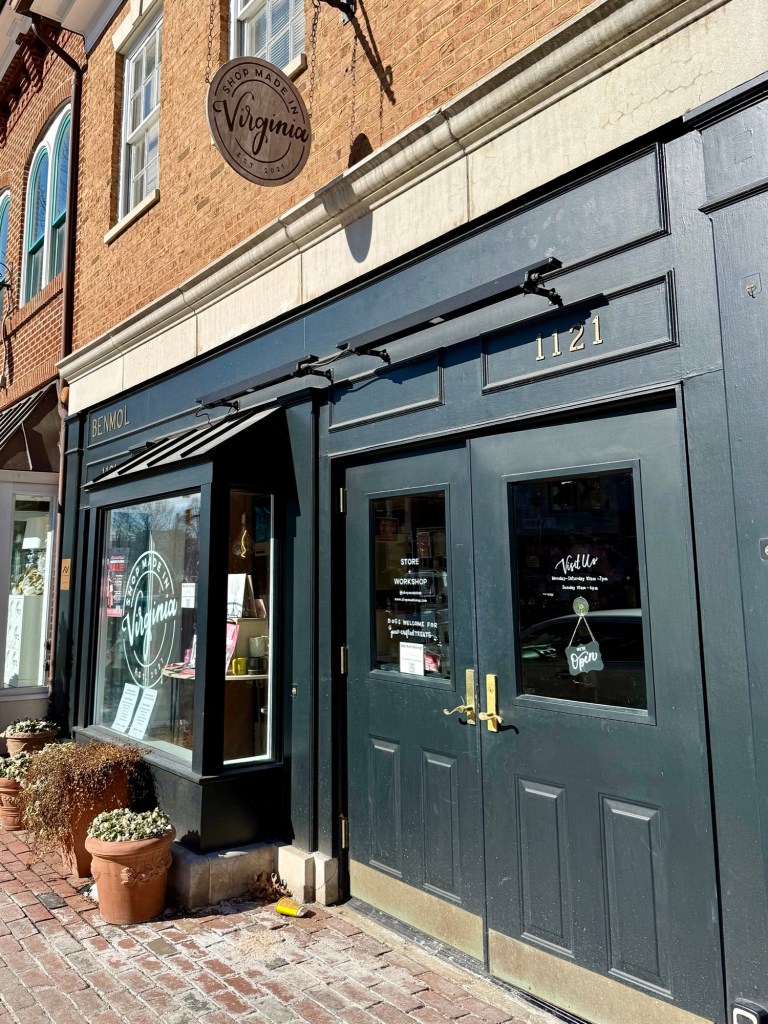
  • 11am – 3pm – Explore Old Town Alexandria: follow a self-guided tour to check out the historical buildings including Spite House, Captain’s Row, Carlyle House (remember it closes at 4pm and not open on Wed), Christ Church (also closes 4pm most days, closed Monday). Walk down King Street and have lunch in one of the many restaurants in town, go shopping and make sure to visit “Shop Made in VA” for unique souvenirs made by Virginian artists.
  • 3pm – 6pm – From King Street, walk towards the waterfront and take the waterfront walk to the Torpedo Factory Arts Center and browse through 3 levels of artist studios and maybe do some shopping.
  • 6pm onwards – Do a quick stop by the Jones Point Lighthouse if you have time for more waterfront views and to check out this small lighthouse. Then have dinner back in Old Town before heading out!

Things to Do:

The main things to explore in Alexandria, Virginia are: the streets of historic old town, the waterfront walk, the torpedo factory, and the George Washington Masonic National Memorial. If you have time you can also visit the Jones Point Lighthouse.

The George Washington Masonic National Memorial

Address: 101 Callahan Dr, Alexandria, VA 22301, United States
Hours: 9am-5pm Thursday through Monday, closed Tuesdays & Wednesdays
Tour times (1hr long, included in admission cost): 9:30am, 11am, 12:30pm, 2pm, 3:30pm (check the website to reserve tickets and updated hours)
Admission: $20 per person (pretty steep if you ask me)
Parking: Free, on-site
Website: http://gwmemorial.org/
How much time to spend here: roughly an hour to go through everything

I will preface this by saying that you absolutely must have a reserved tour time if you plan to visit. Unfortunately we didn’t know about the tours and we came just after the last tour finished and couldn’t go up the tower where some of the exhibits are and missed a lot of what was offered including the grand views from the observation deck at the top. We paid full price admission ($20) for essentially a self-guided walk-through of the main floor and a small museum room. It didn’t feel worth it for the admission cost, but when you look on their website, there were a lot more things we could have seen. Check it out here: https://gwmemorial.org/pages/tours .

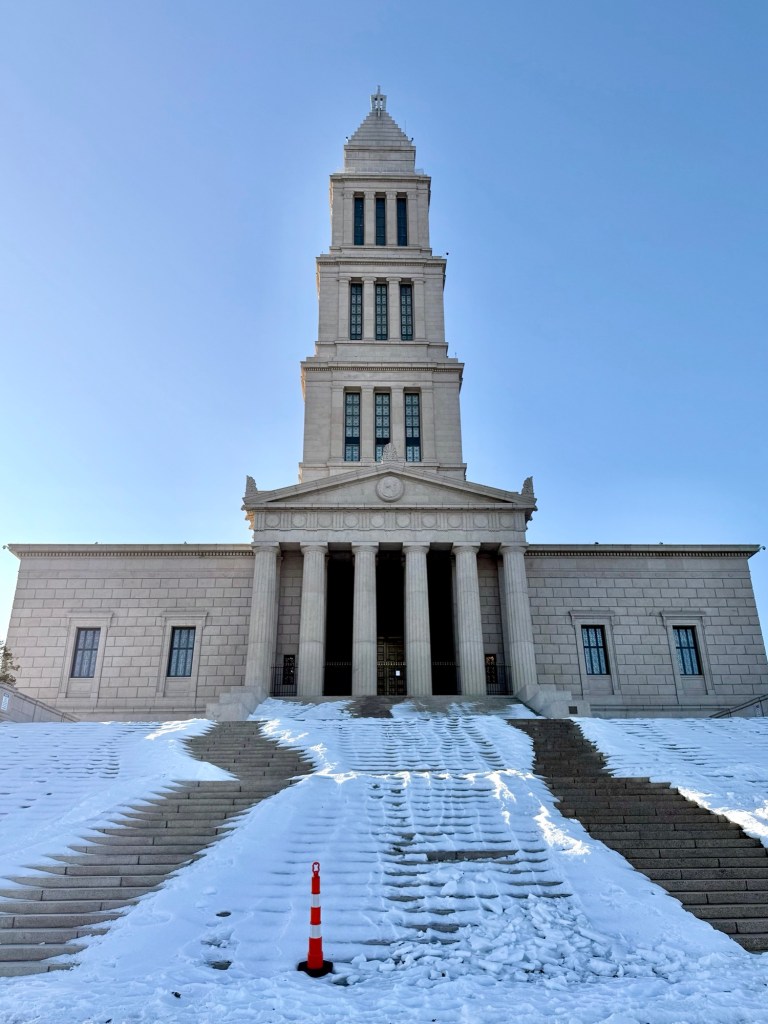
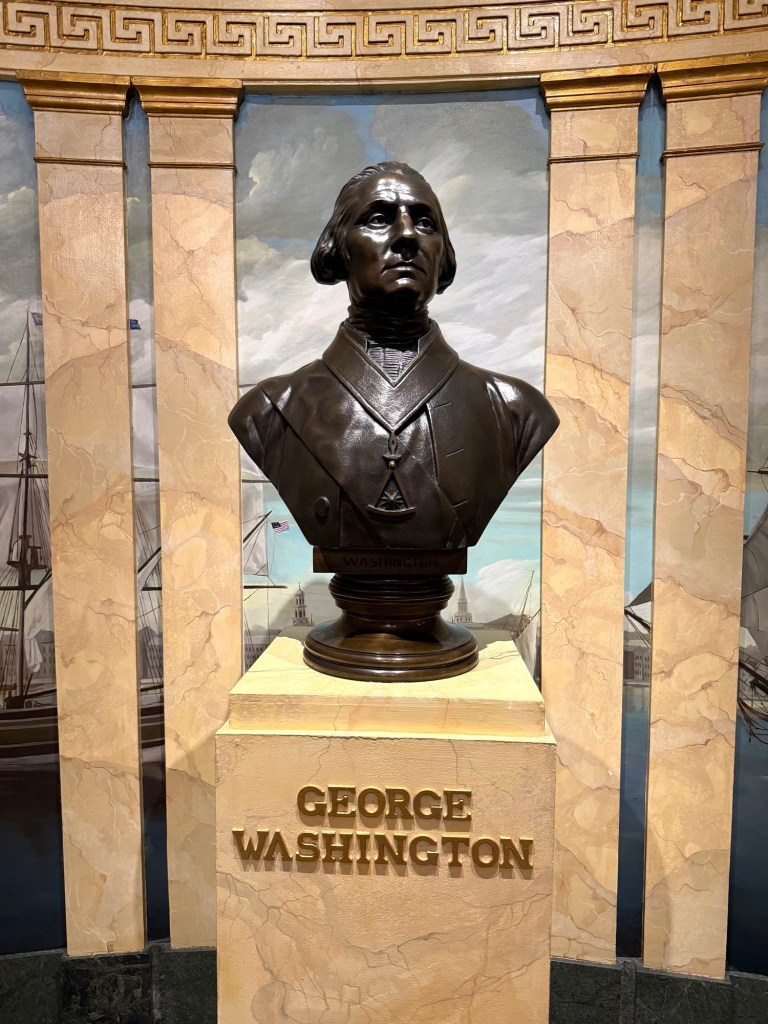
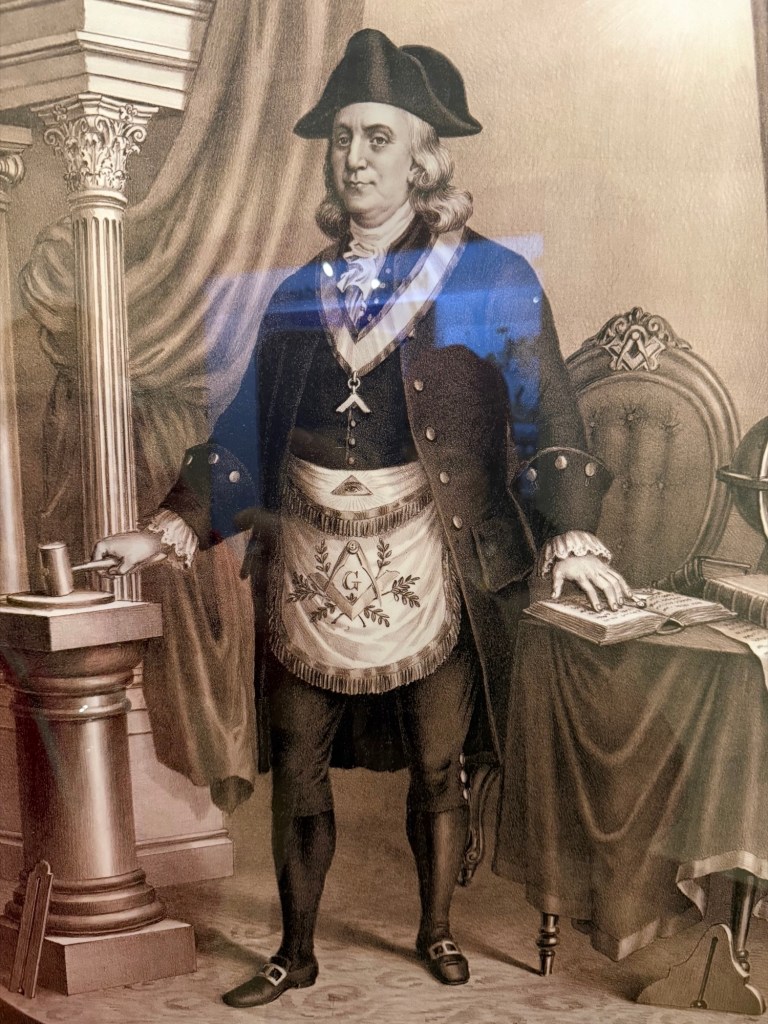
The George Washington Masonic National Memorial is an active Freemasons temple that also incorporates a memorial to George Washington, one of their most notable and famous historic members. They have deemed him the ultimate example of a freemason:

To American Freemasons, George Washington’s life symbolizes the reward of virtue and morality dedicated to public service. He is the culmination of striving to overcome the rough human nature to be perfect in service to family, neighbor, nation and God. His life exemplifies the transition from rough to perfect ashlar.

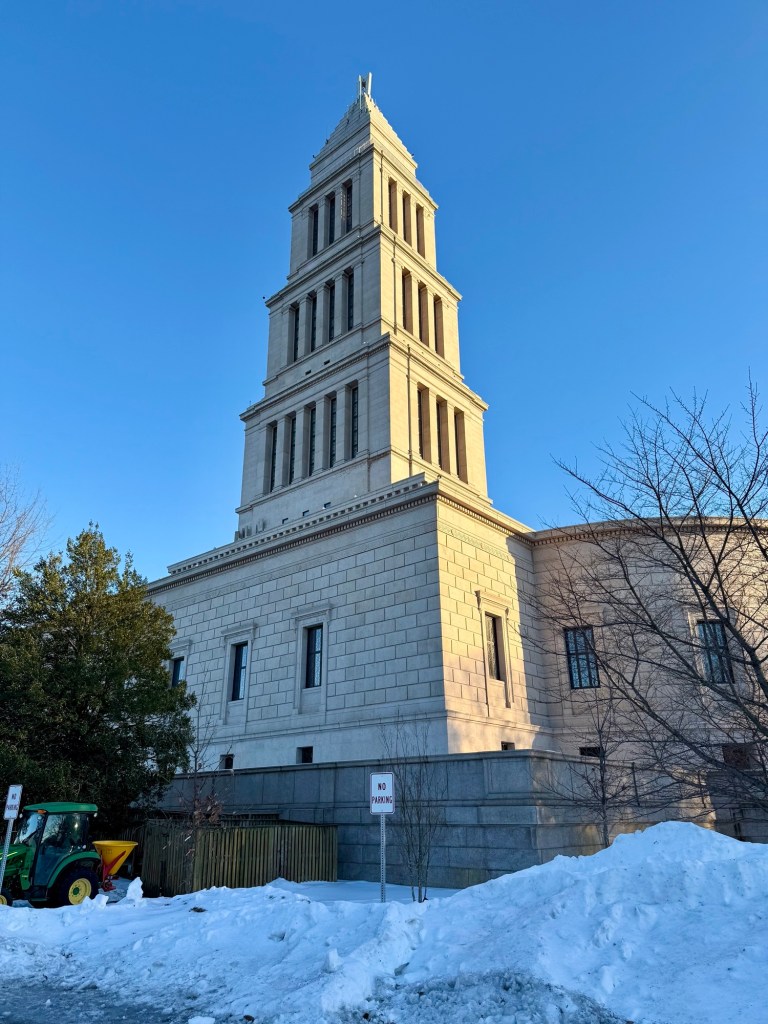
We’ve driven past many masonic lodges in our travels, some looking like a small shack, but this is the most grand one we’ve come across. This building has mutiple purposes not just a Masonic temple, but also a research library, a cultural space, and a performing arts center. You can walk here from Old Town Alexandria (roughly a 30 minute walk from the Torpedo Factory Arts Center) or drive here (free parking on site).

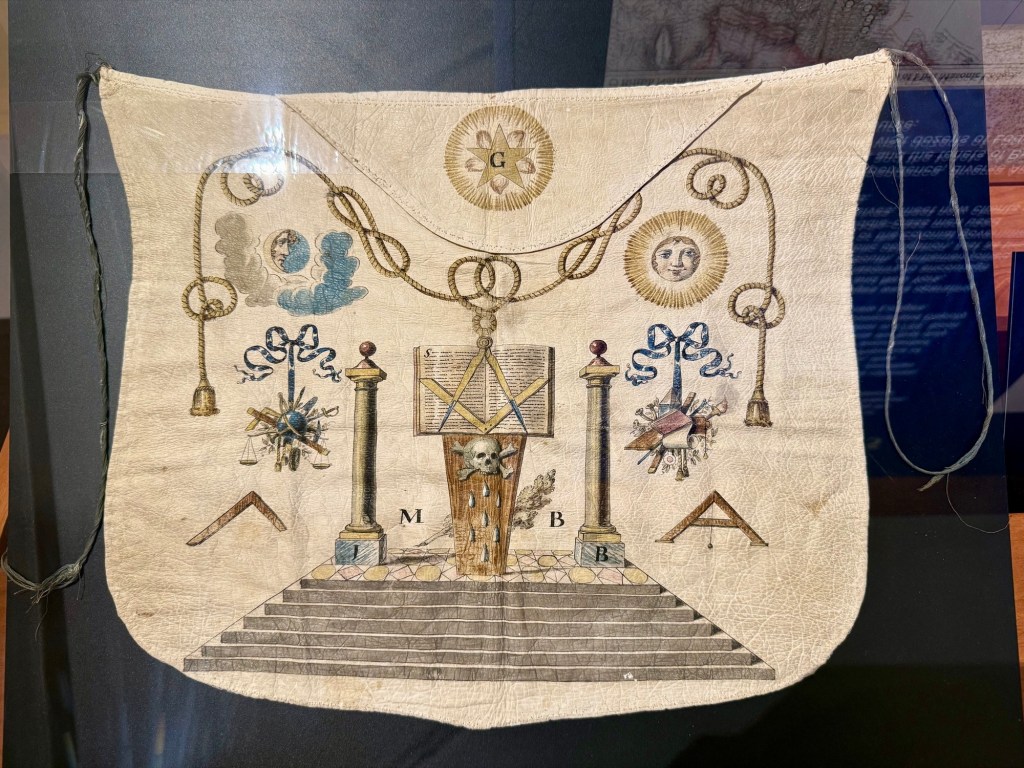
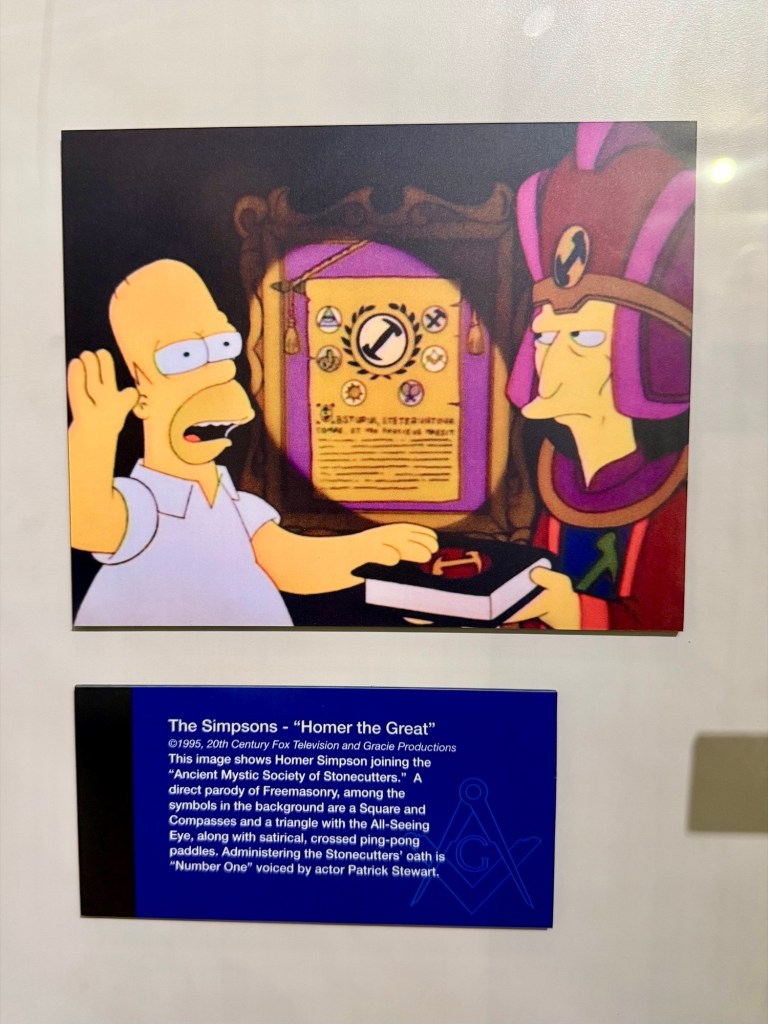
What is Freemasonry? That’s a loaded question. Honestly, I had always assumed it was some sort of secret cult like they depict in that episode of the Simpsons where homer joins the Stonecutters. In being exposed to it more over the years and coming across a few masonic lodges and reading about historic Freemason members, the best I can simplify and summarize my understanding is that it’s an adult men’s club where their “primary purpose is to improve men”. I think of it like Boy Scouts but for adults and without the wilderness training 😅 – that’s probably a bit too simplified. They meet, they discuss, they plan in the goal of “self-improvement, moral discipline, and brotherhood”. They have deep roots that started in Britain as far back as the 1600s. It’s not so much a secret society, but the rules, rituals, and traditions they follow are kept a secret from non-members. Here’s another excerpt from the museum that may help explain it a little more:
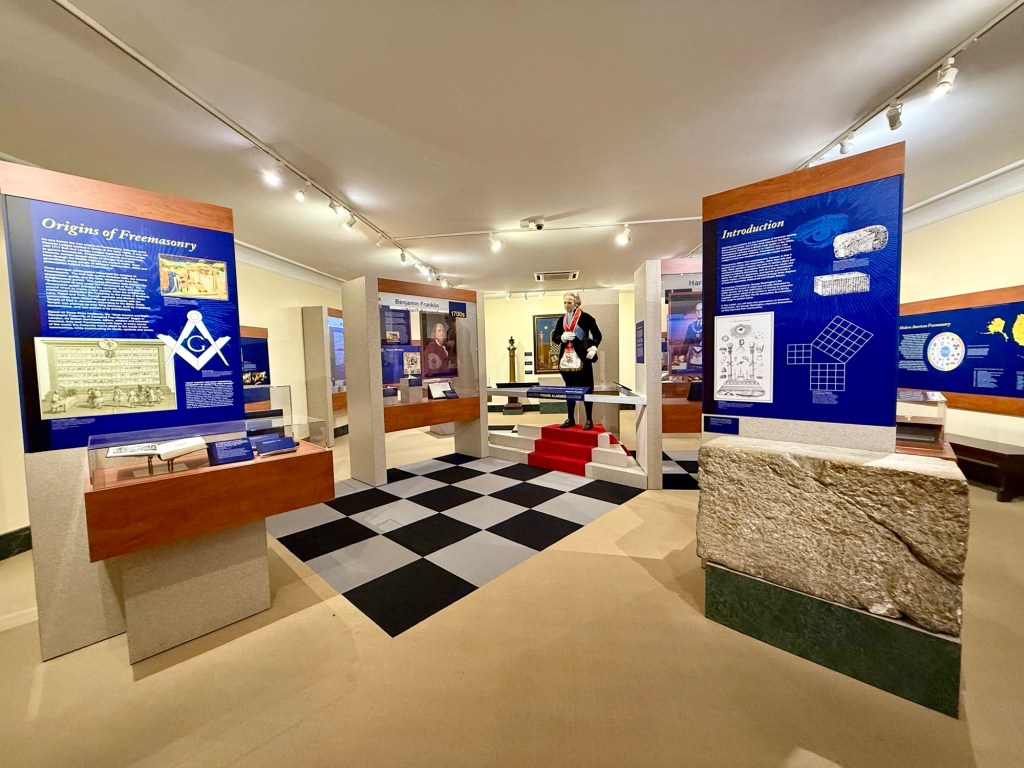
Freemasonry differs from stonemasonry, however, in that it teaches men virtues and moral truths, rather than arts and skills. While operative masons use tools to fashion stone and construct buildings, speculative Freemasons use rituals and symbols to improve themselves. Just as a new stonemason learns his craft as an apprentice, journeyman and finally a master mason, a Freemason is initiated through three degrees of Entered Apprentice, Fellowcraft and Master Mason.

When you first enter the building, there’s a reception desk where you can purchase tickets and get more information. The whole building is 9 floors high, but without a tour, you cannot enter the tower portion and only have access to the first 2 floors. The first floor has a (relatively) small museum of the history of the Freemasons in America. The information here is quite dense and took us some time to get through it all. It covers historical members and their morals and beliefs.

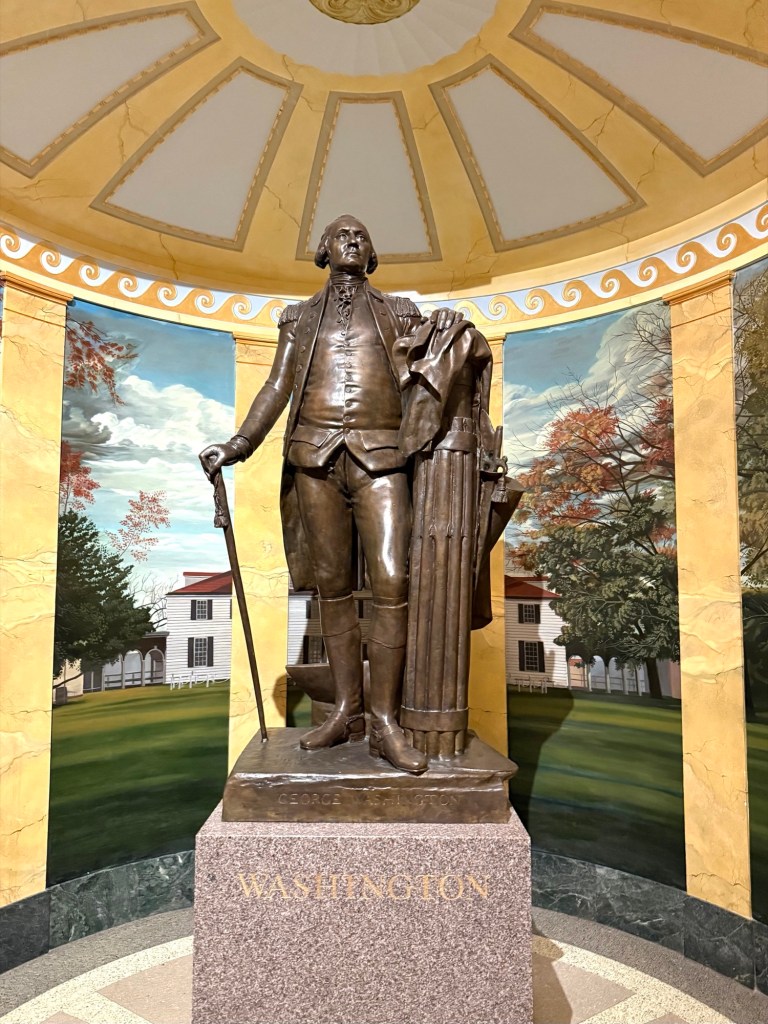
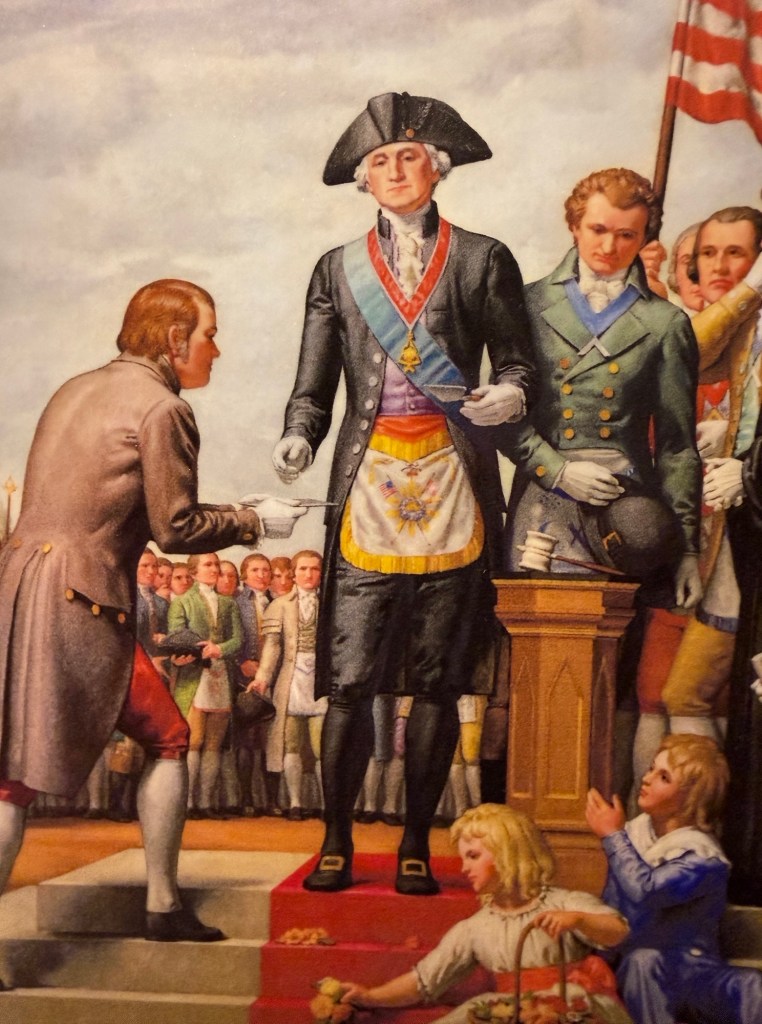
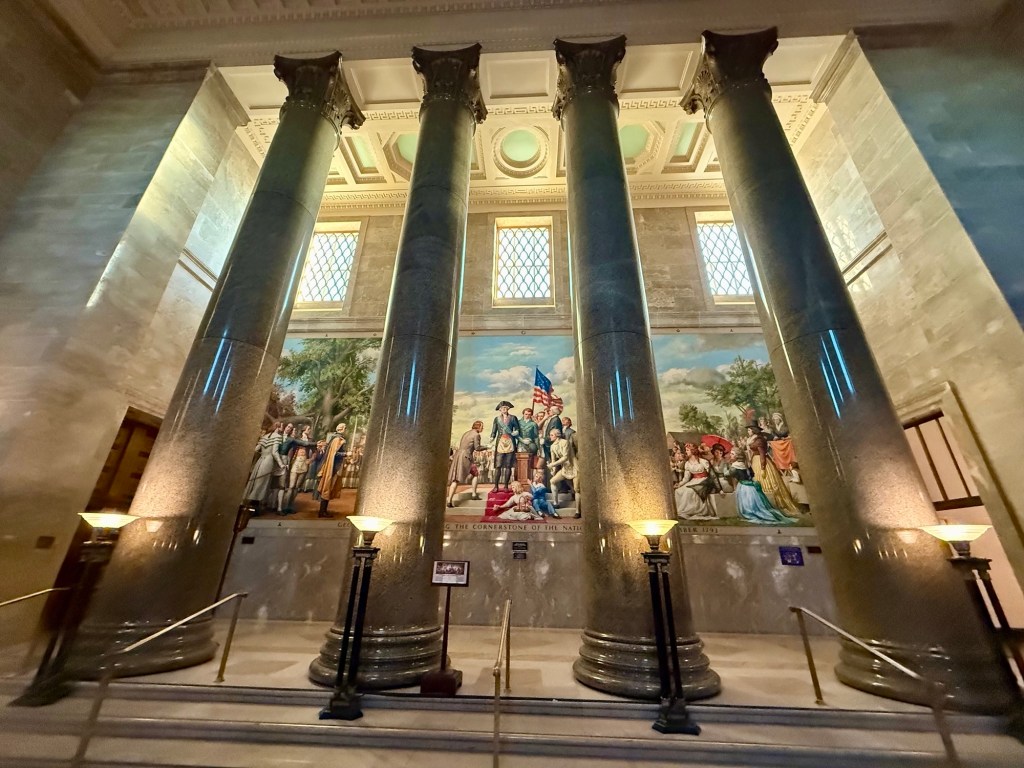
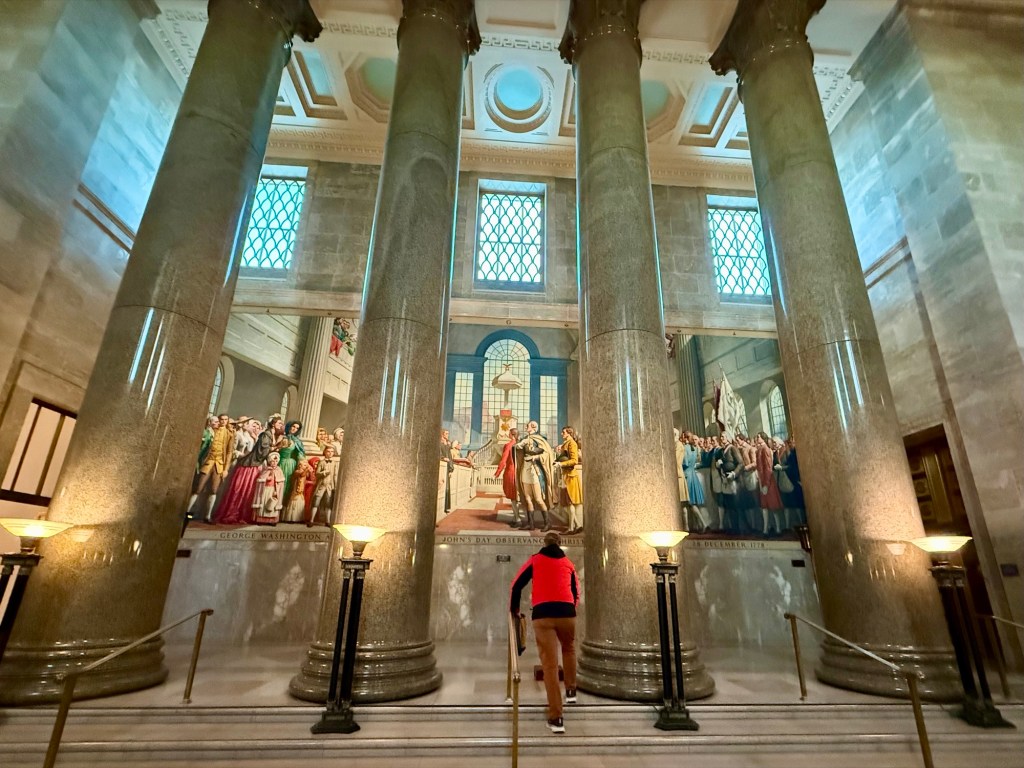
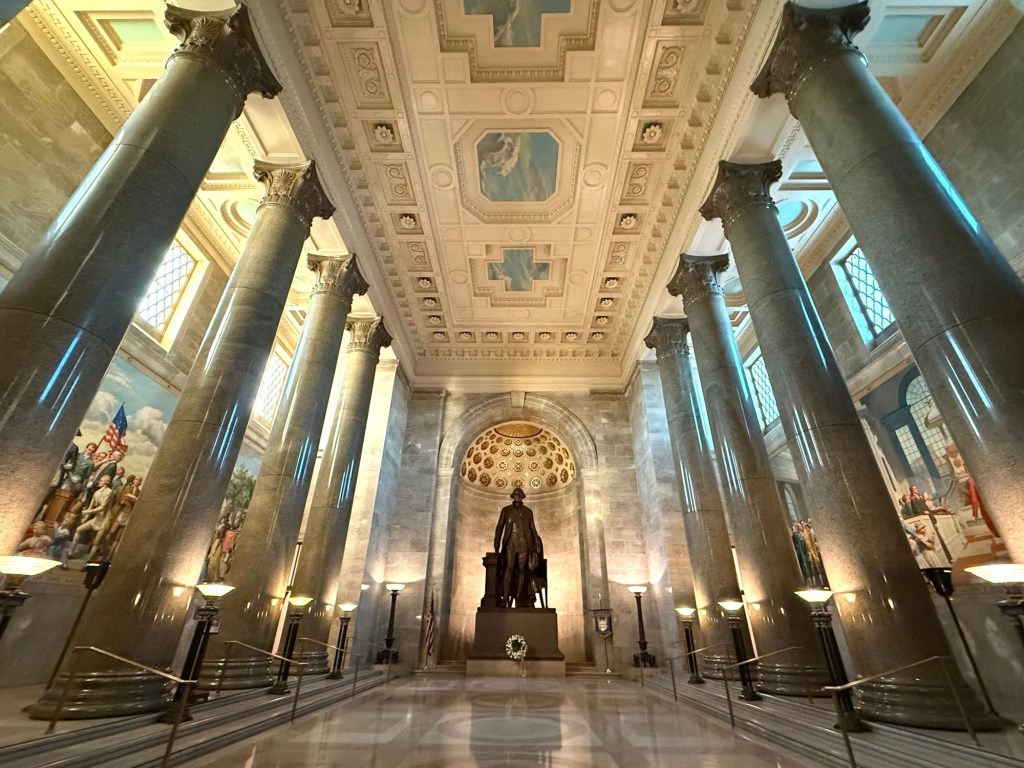
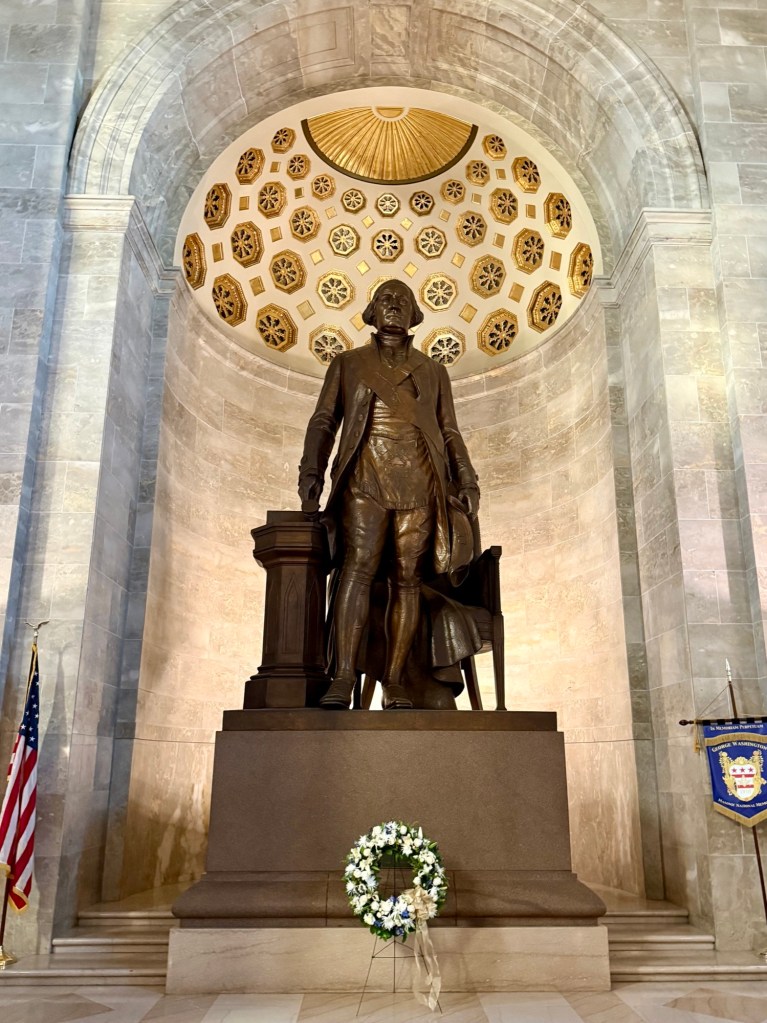
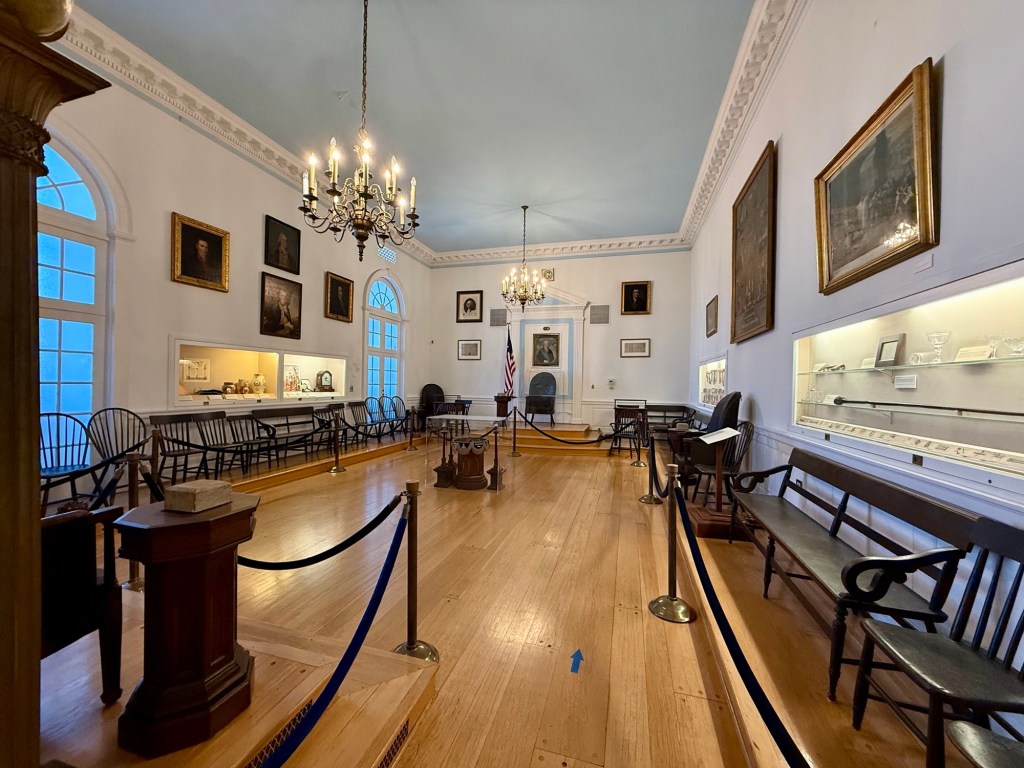
The second floor has a big statue of George Washington with 2 large murals and a replica meeting room for the Freemasons.

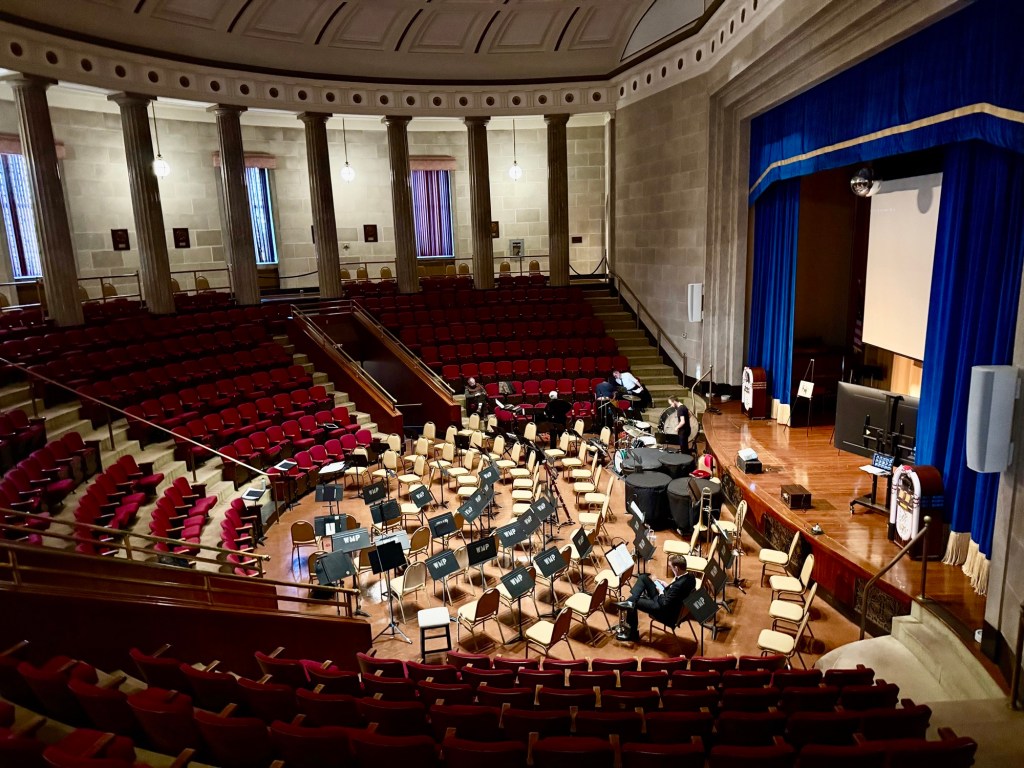
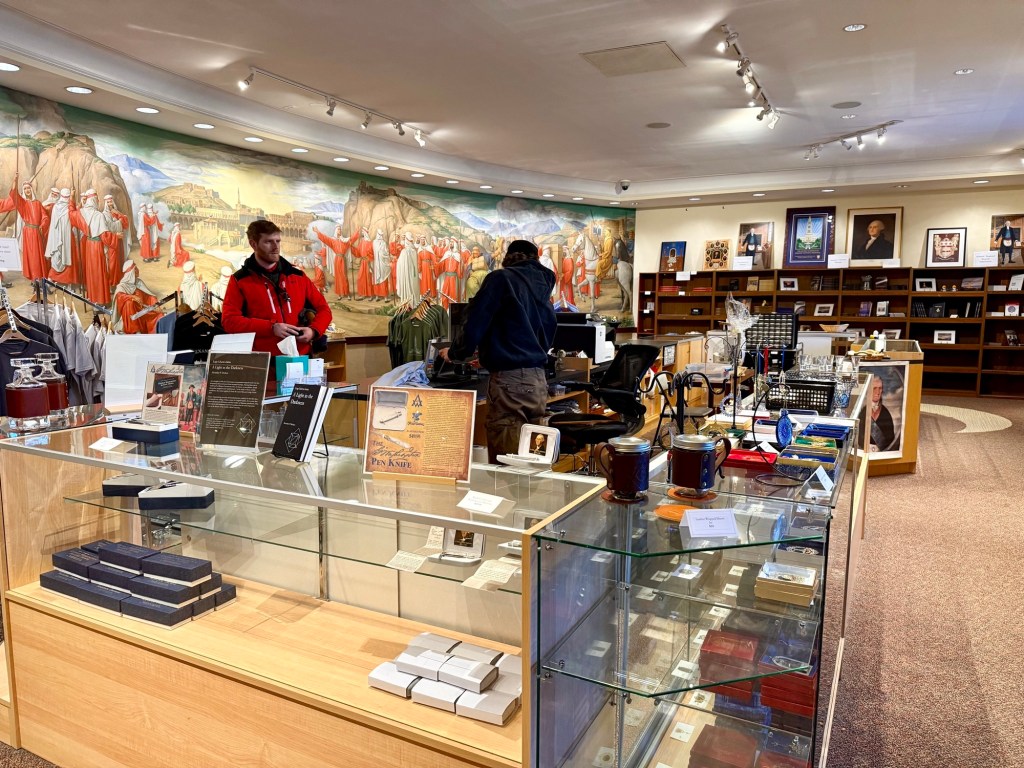
There’s also a theatre for the community and a decent sized Freemasons gift shop before you exit, which was surprising for this secret but not so secretive club!

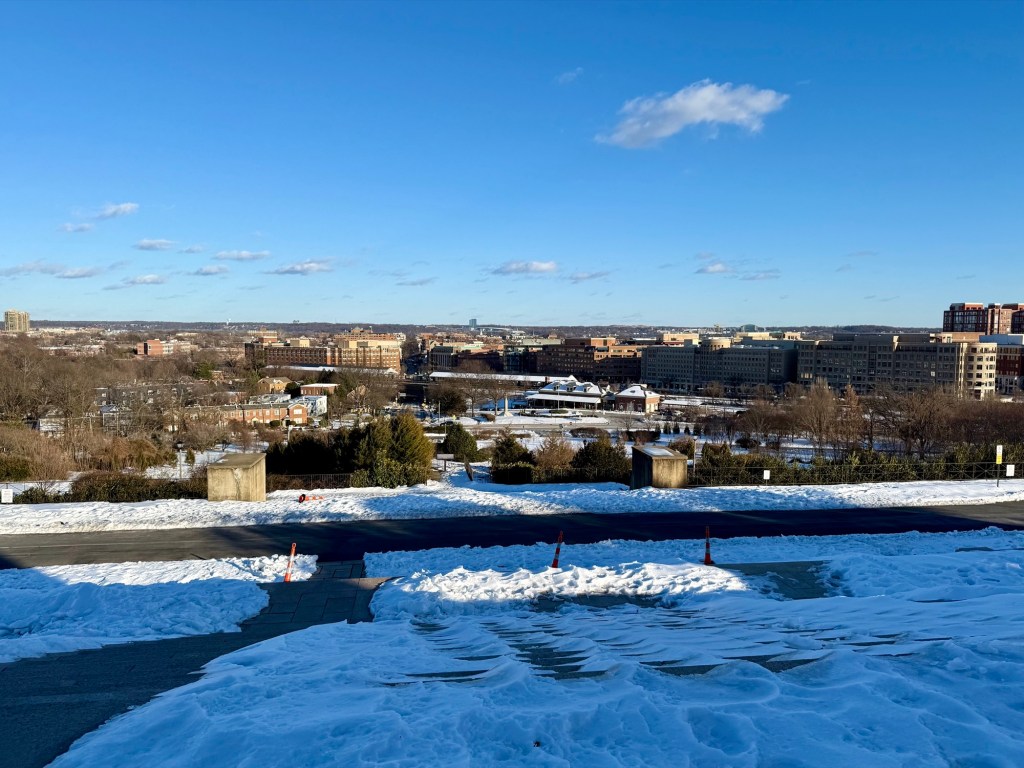
In summary, if you’re into learning about the Freemasons and see some cool murals and a statue of George Washington in his masonic clothing, then come for a visit. If for nothing else, come to get a great panoramic view of the town of Alexandria from the top floor of the temple (but remember that you can only get access to the tower with a guided tour)!

Historic Old Town

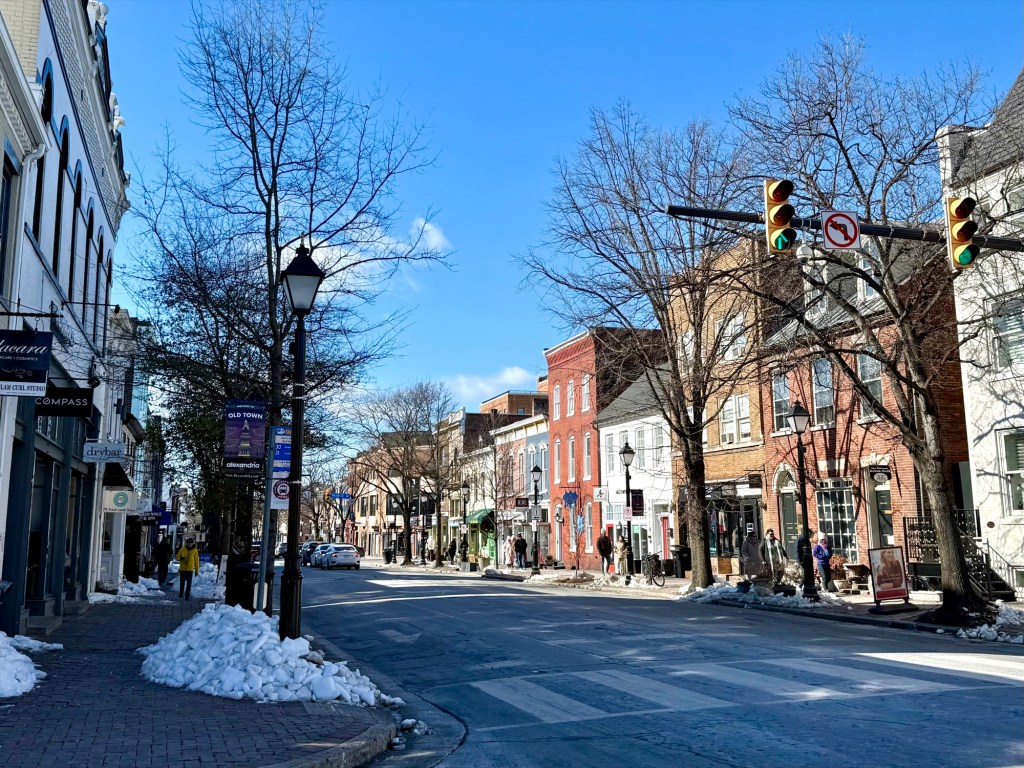
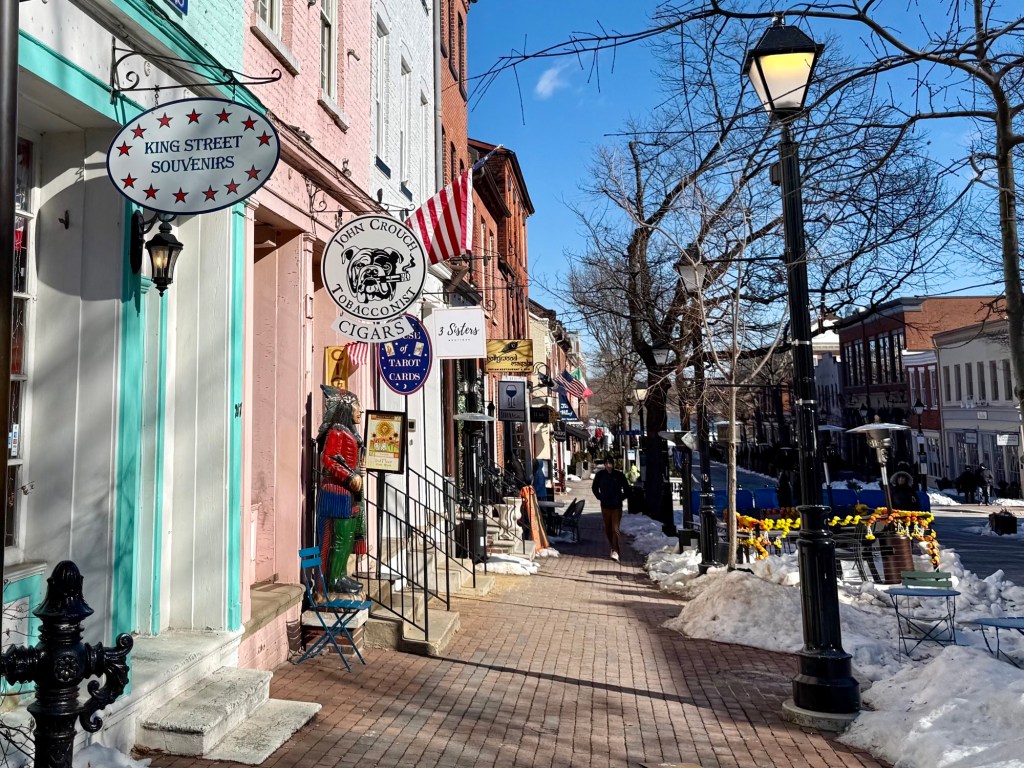
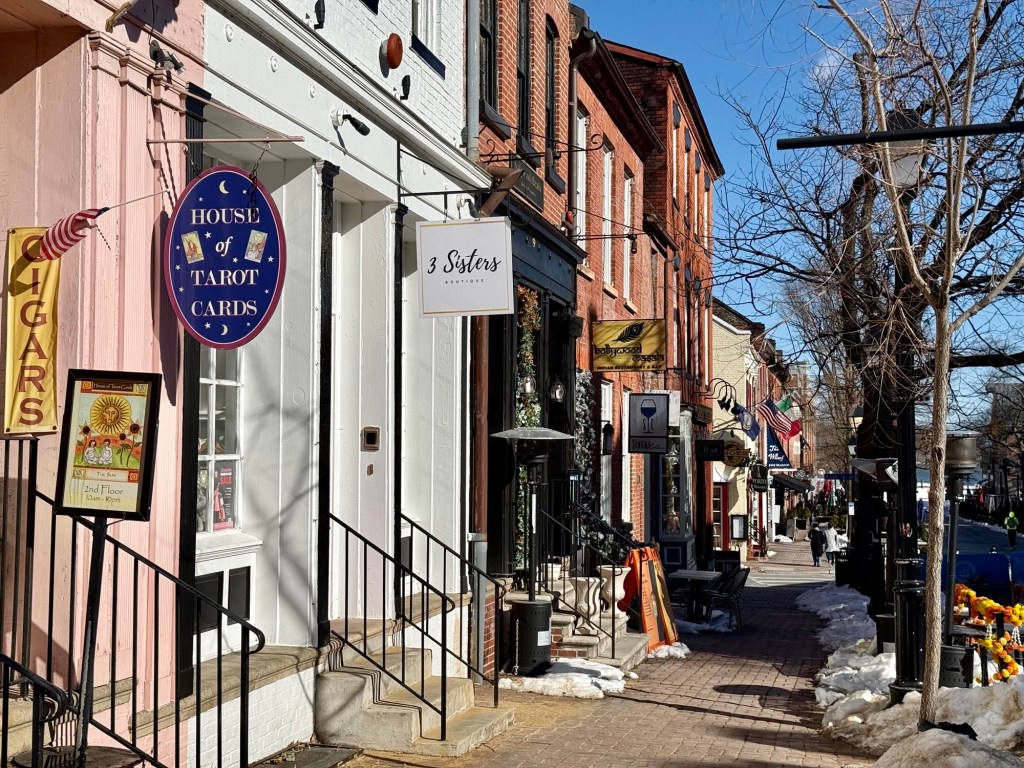
Historic Old Town is a very walkable area. The main street to explore is King Street, with the most exciting area between West Street and the Waterfront. It takes about 15-20 minutes to from one end to the other.

Although it’s not a large area to explore, there are a ton of historical buildings and sites here that can be easy to miss. Check out this website from the town of Alexandria for self-guided tours/maps: https://www.alexandriava.gov/SelfGuidedTours#WalkingToursofOldTownHistory

Tip: There’s a scavenger hunt map in the link above. If you complete it and bring it back to the visitors center, you get a free prize!

If you’re here for George Washington history, there’s also a map in the link above that focuses just on notable places where George Washington lived/worked/dined/worshipped.
Shopping on King Street:

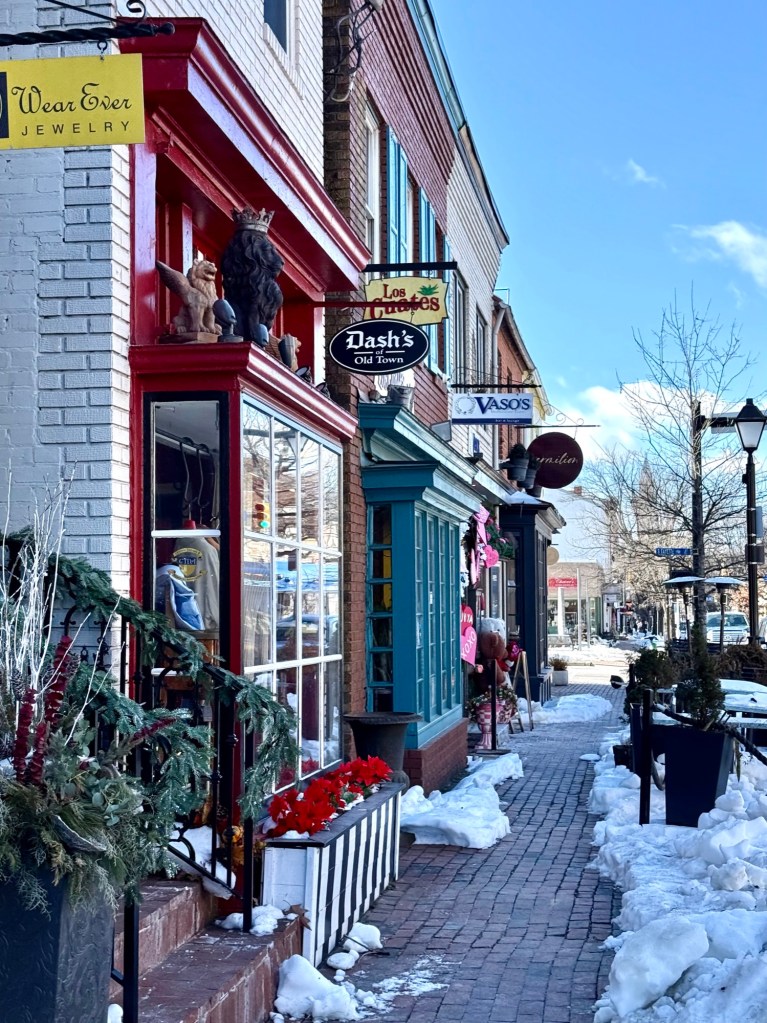
There are tons of shops on King Street to explore. My favourite was “Shop Made in VA” which had unique souvenirs made by local Virginian artists!
The Hollensbury Spite House

Address: 523 Queen St, Alexandria, VA 22314, USA

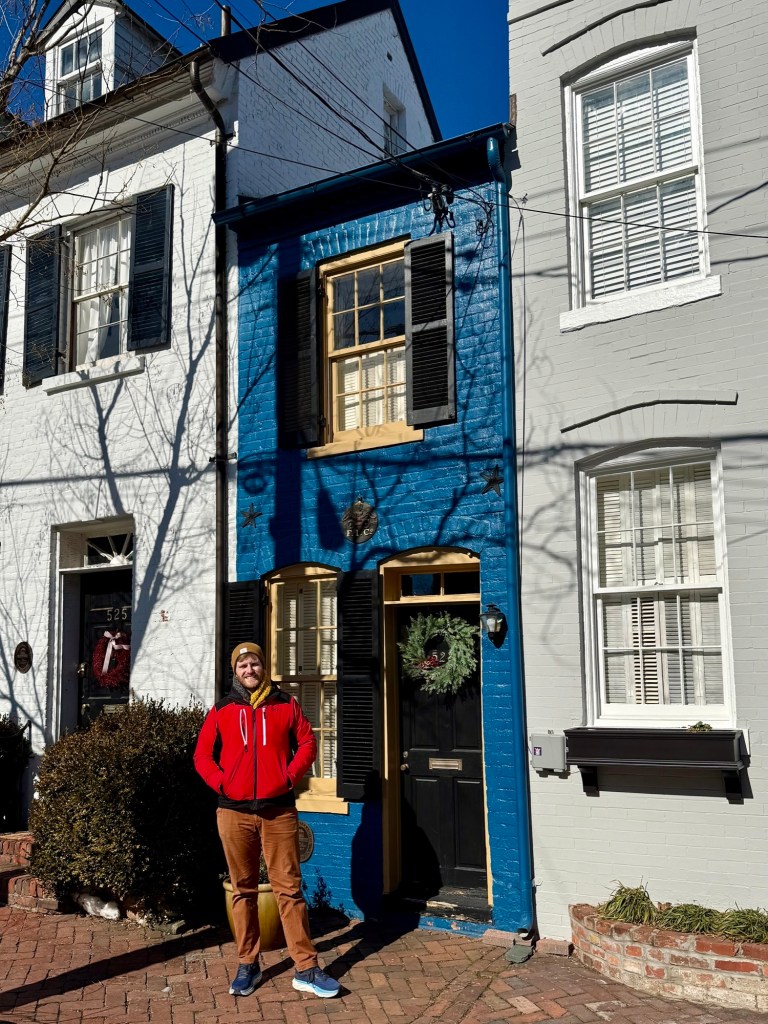
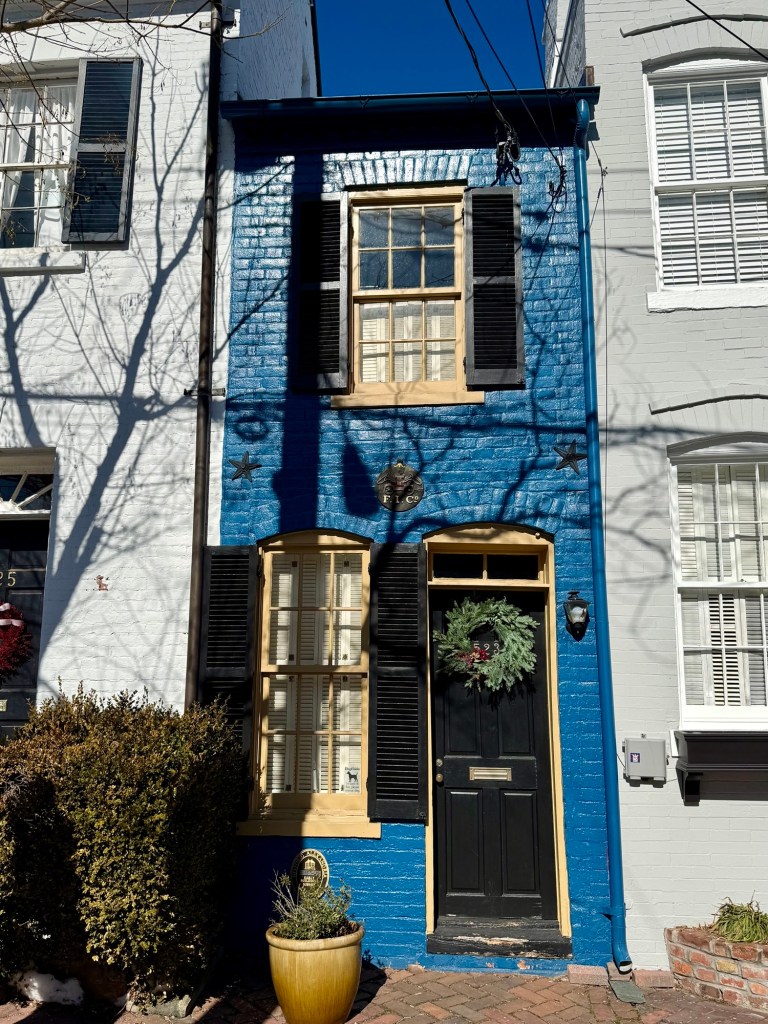
The Hollensbury Spite House is the skinniest historic house in the US, measuring at just 7ft and 6 inches wide (229cm) and 325 square feet! Why is it called a spite house, you ask? Prior to 1830, this place was an alleyway and local brickmaker, John Hollensbury, owned the buildings adjacent to the alley. He was tired of people loitering here and the horse and wagons scraping against his buildings and damaging the brick, so his solution was to purchase this narrow alley (for a little over $45!) and built this house to block the walkway.

This spite house is located at 523 Queen Street. There’s no signage and can be easy to miss, so just punch the address into Google maps to guide you. It’s currently a private residence (so don’t go knocking) – which probably explains the lack of signage.

Fun fact: Although the Hollensbury Spite House is the most famous for being the most narrow, there are actually 3 other spite houses in Alexandria – check out this article here: https://alexandrialivingmagazine.com/home-and-garden/queen-street-spite-house-alexandria-va-historic-alley-homes/

Christ Church

Address: 118 N Washington St, Alexandria, VA 22314, United States
Hours: closed Mondays, 9am-4pm most days except Wed and Sun (check the website for updated hours)
Website: https://www.historicchristchurch.org/
Admission: free, also free tours available, donations accepted

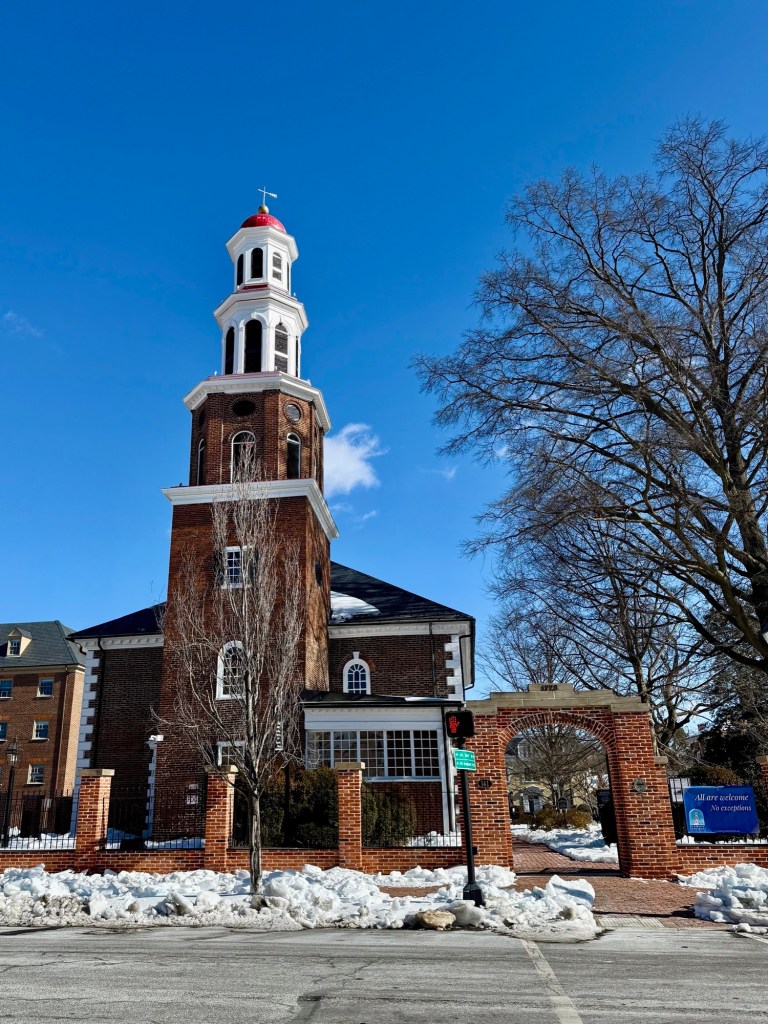
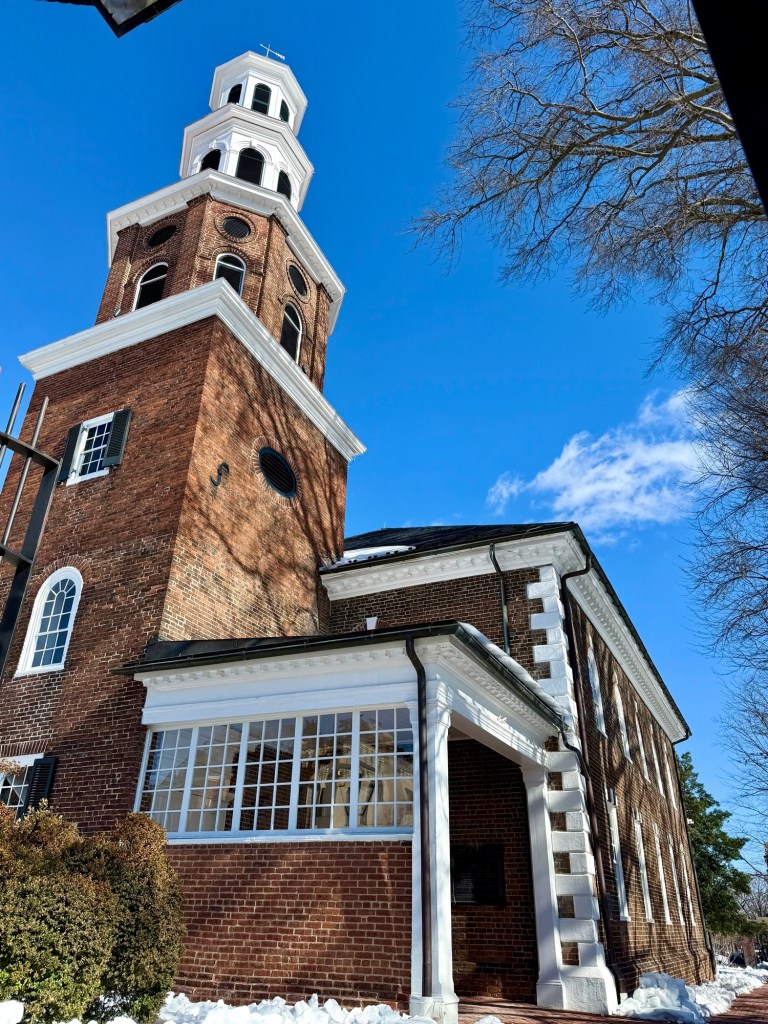
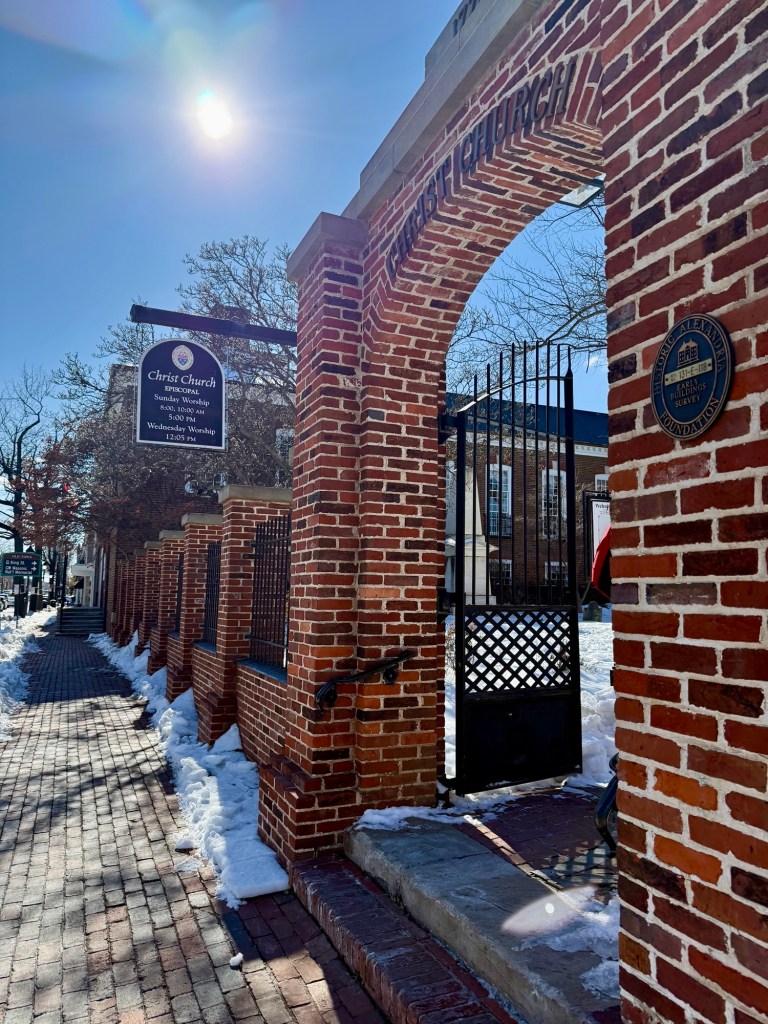
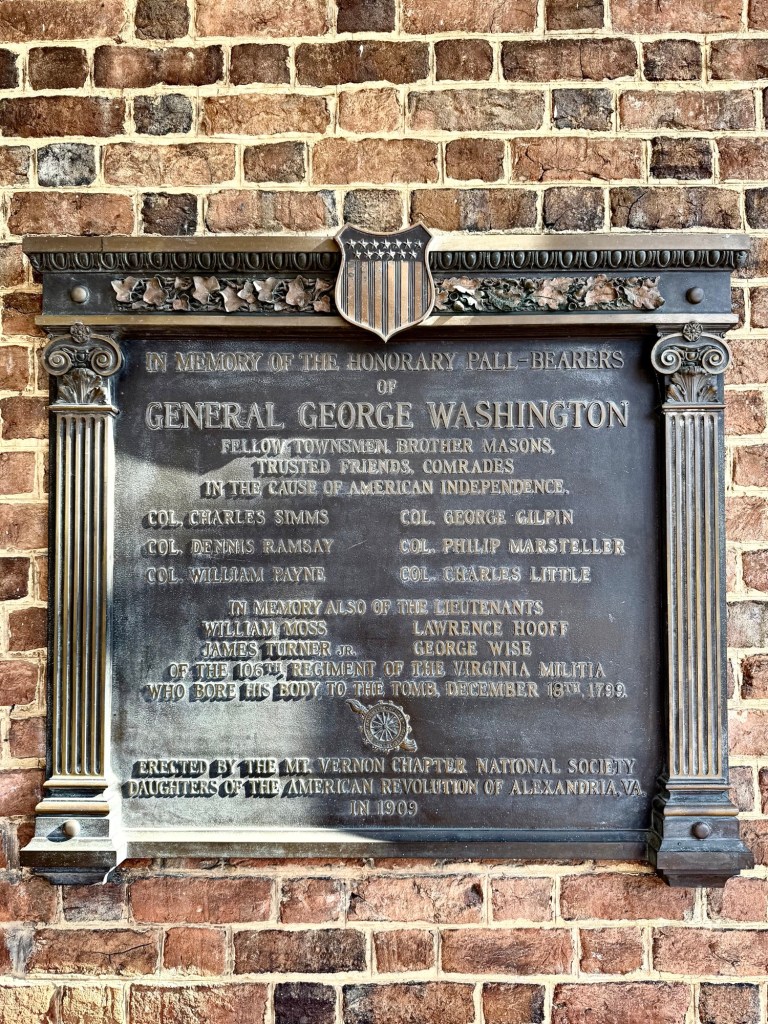
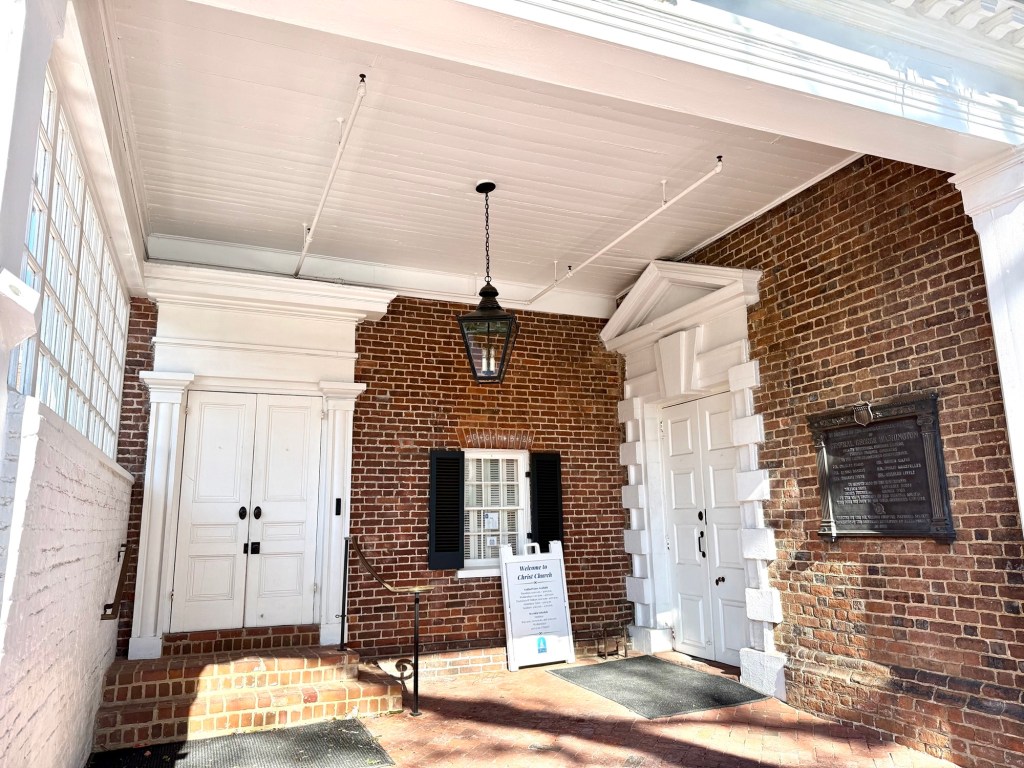
Christ Church was built in 1773 and is still operating today. There is no charge for admission and they also offer free tours daily (check website for updated hours). This is where George Washington came to worship and he even purchased his own pew box (back in the day, the pews were inside boxes and you can purchase a box to ensure that your family members could sit together). Another notable parishioner was Robert E. Lee, whoever later became the general of the Confederate army.

The church is a walkable distance from King Street, but you can also drive here with free street parking in the vicinity.

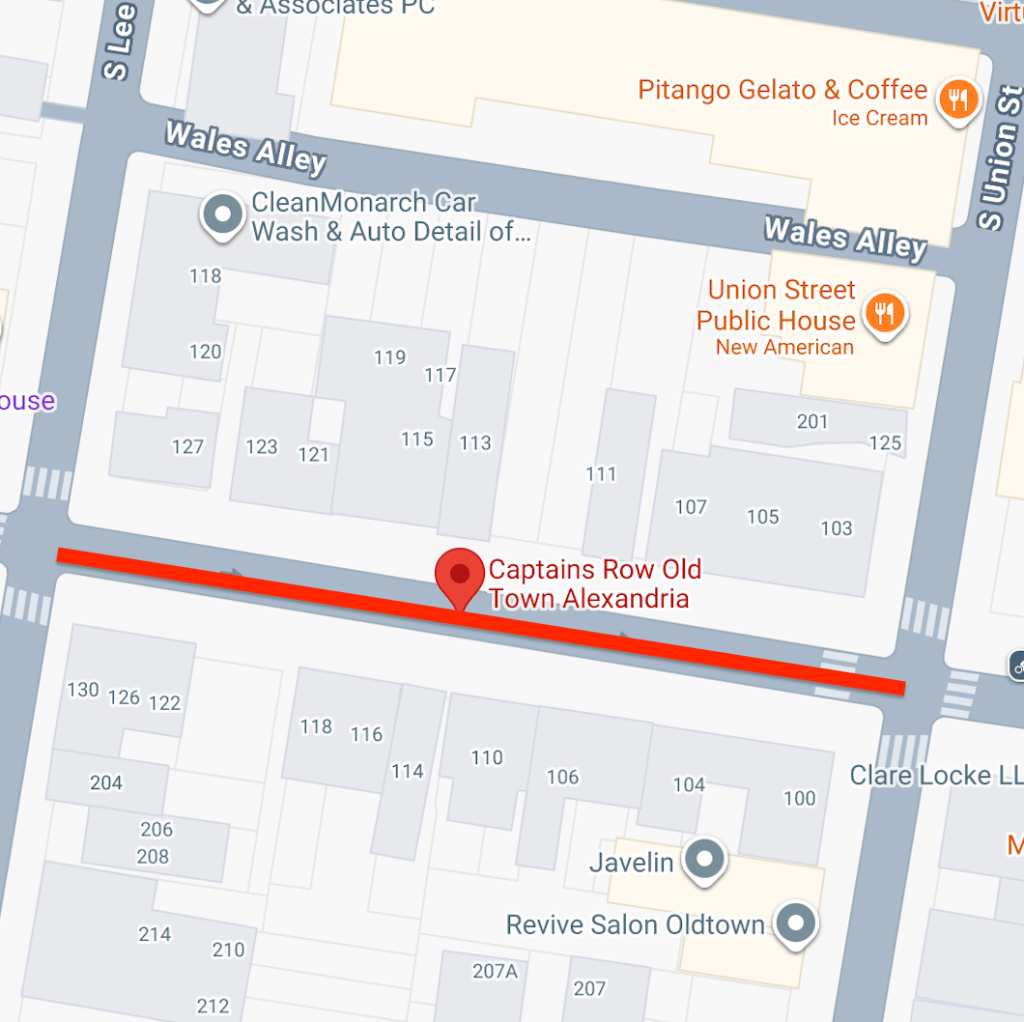
Captain’s Row (cobblestone road)

Address: no exact address. It’s located at the 100s block on Prince Street (houses in the ‘100s’) between S. Union Street and S. Lee Street (see map below). You can type in ‘100 Prince Street, Alexandria’ in Google Maps and it’ll take you to the corner of S. Union Street.

No exact address – it’s at the 100’s block of Prince Street between S. Union St. and S. Lee St. in Old Town Alexandria

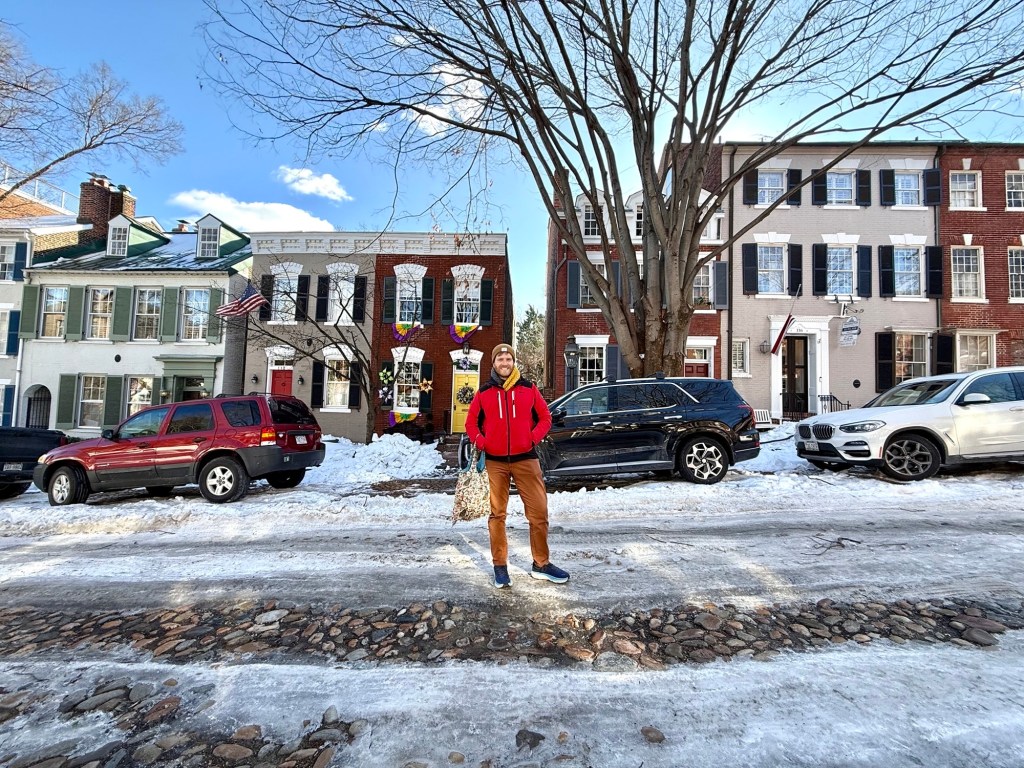
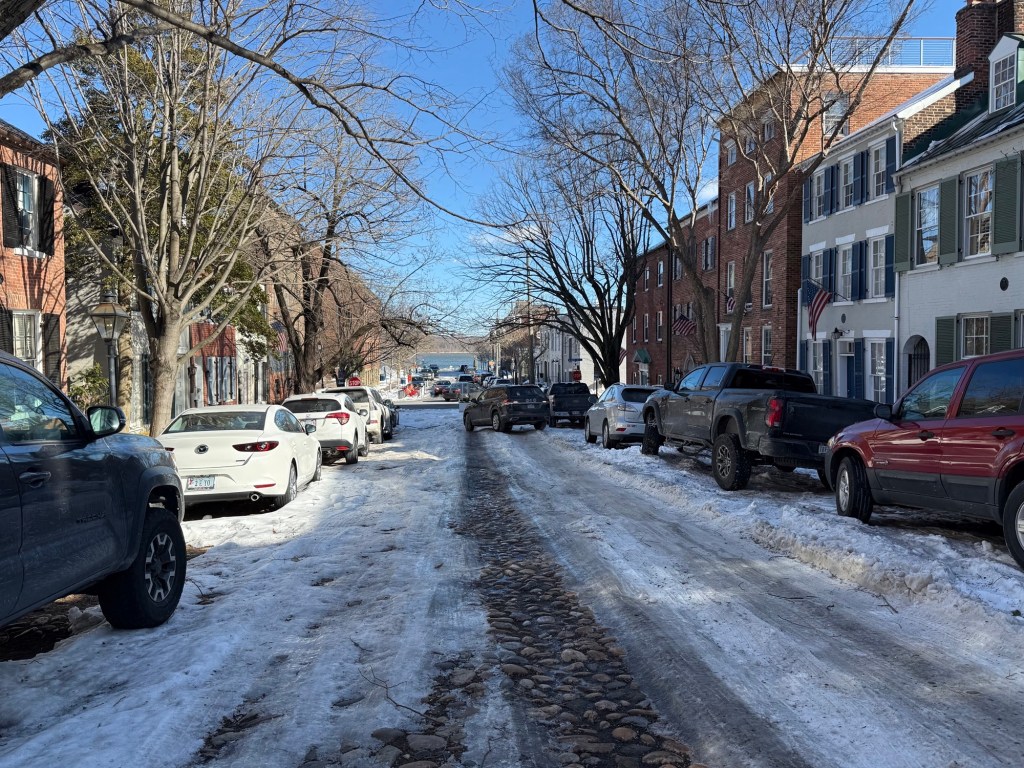
Captain’s Row is a section of perfectly preserved cobblestone road on Prince Street in Old Town Alexandria. It is the town’s most iconic and historic block, renown not only for its 250 feet of original cobblestone road but the preserved 18th century homes. It is named after Captain John Harper who built many of these homes in the late 1700s and is one of the few surviving surviving blocks of land in Alexandria that represents early American and European style architecture.

Unfortunately for us, since we visited in the middle of winter, only part of the cobblestone road was exposed so we couldn’t quite appreciate the historic picturesque scenery.

Carlyle House

Address: 121 N Fairfax St, Alexandria, VA 22314, United States
Hours: 10am-4pm most days, closed Wednesdays, 12-4pm Sundays (check the website for updated hours)
Admission: $8 per adult, $3 per child
Website: https://www.novaparks.com/parks/carlyle-house-historic-park

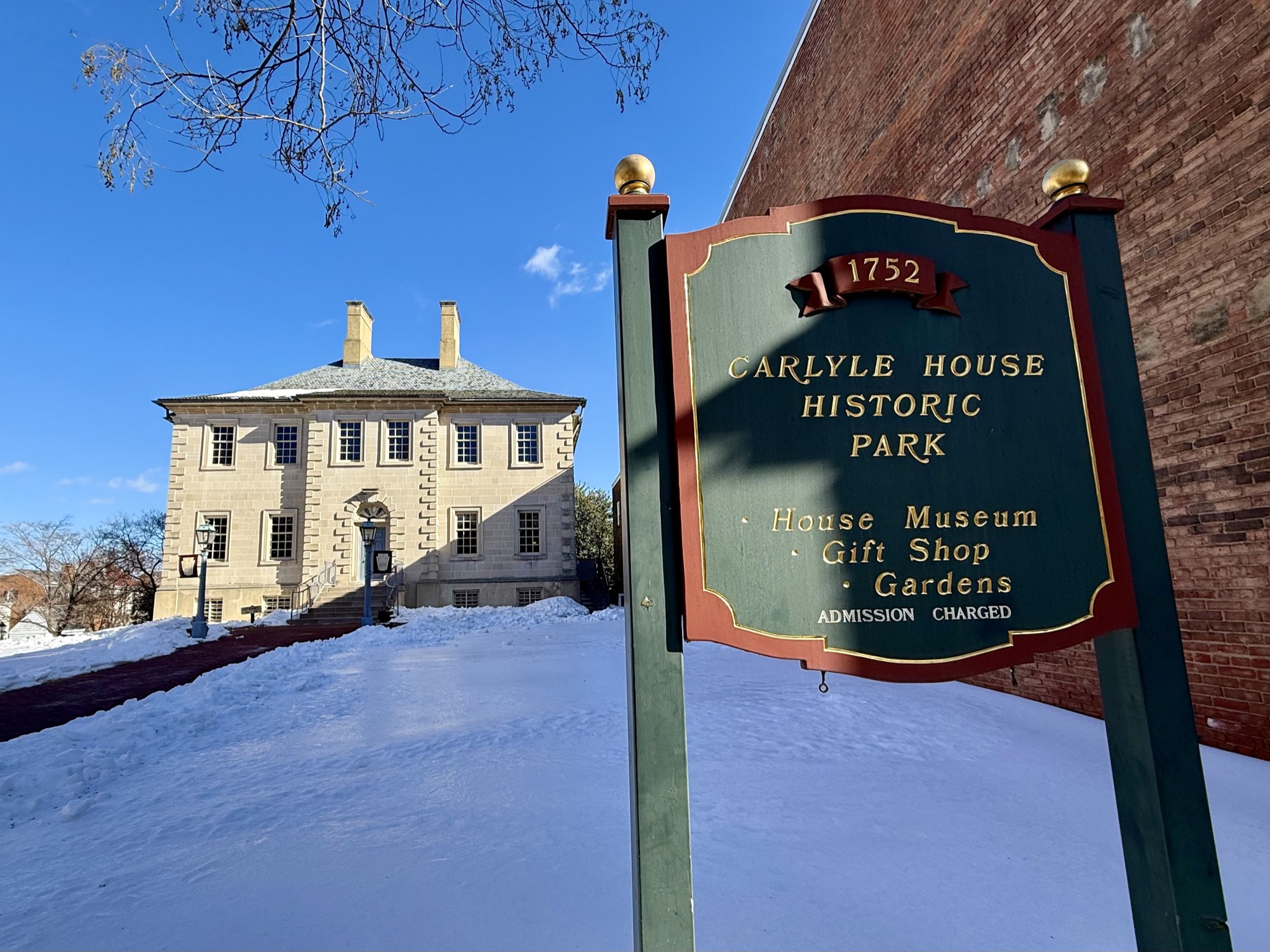
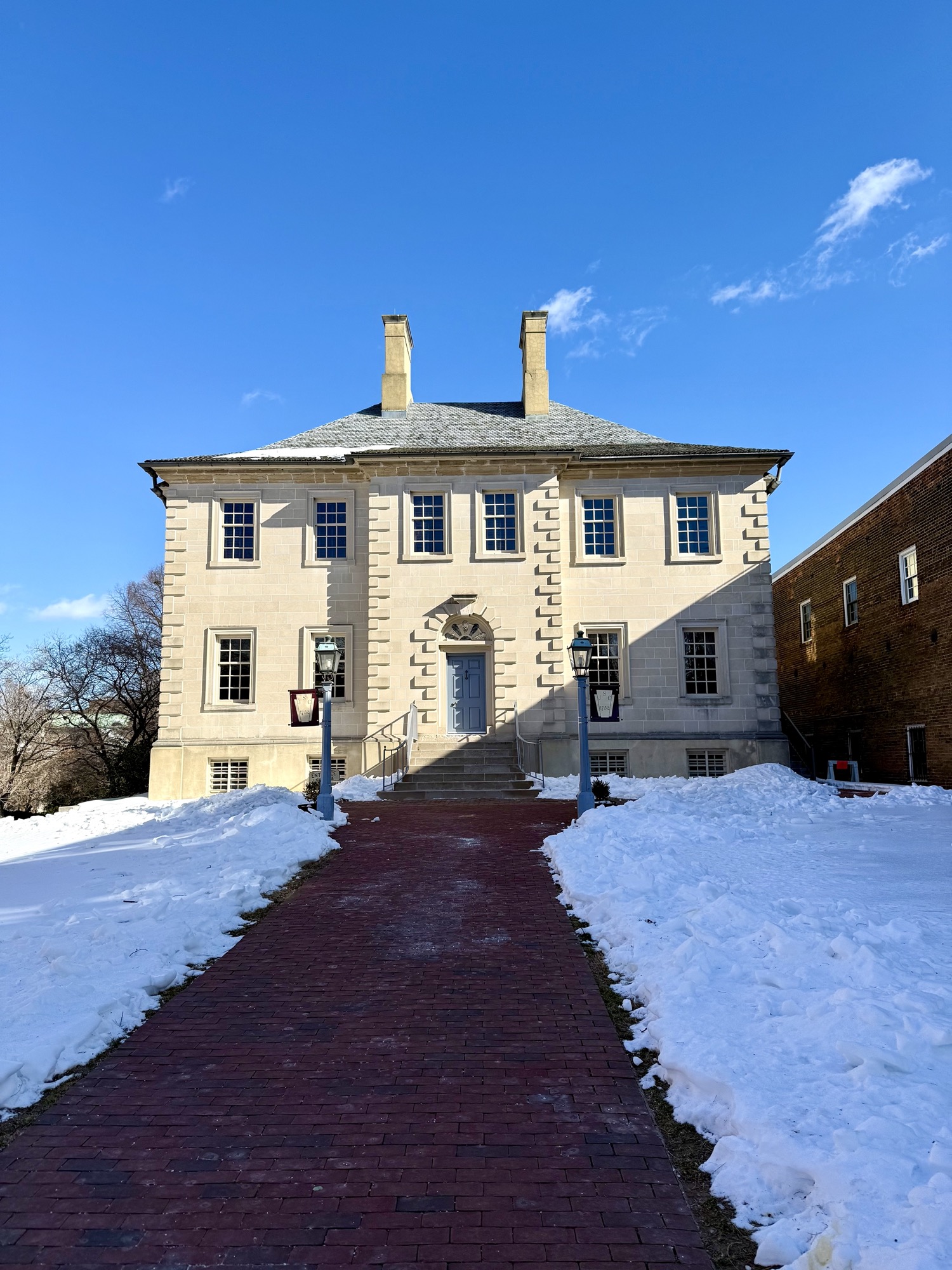
Carlyle House is a historic mansion completed in 1753 by wealthy Scottish merchant, John Carlyle, one of the founders of Alexandria. It is one of the most prominent homes in Old Town Alexandria and is architecturally unique. Built in Georgian residential-style architecture with simple but bold features around the windows and doors, the home itself is symmetrical in layout with a central hallway and the left and right sides of the house mirror each other.

Apart from unique architecture, this home also has a lot of historical value. England’s involvement in the French and Indian War was planned at the Carlyle house. The result of that war made young George Washington a hero. The house was also later the site of a hotel and hospital. Check out this cool website for more interesting facts about the Carlyle House: https://ourhistorymuseum.org/blog/the-top-5-most-interesting-facts-about-carlyle-house-in-alexandria-va.

Due to the weather and timing, we didn’t go inside, however just seeing the home from the outside was quite impressive.

Waterfront Walk

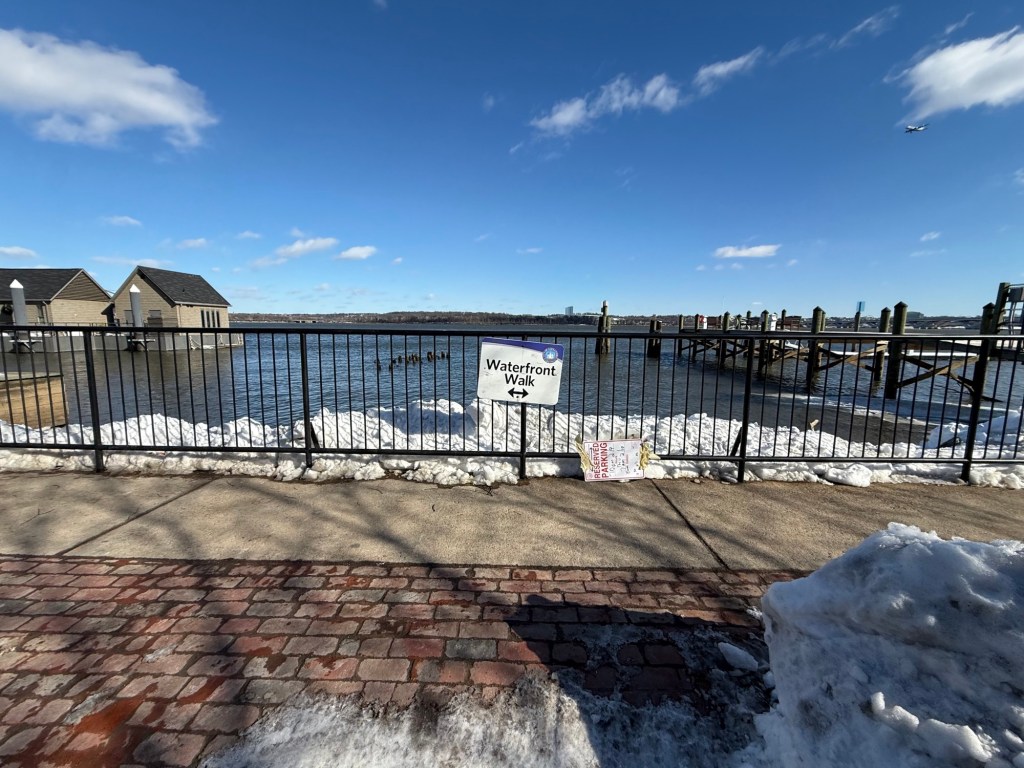
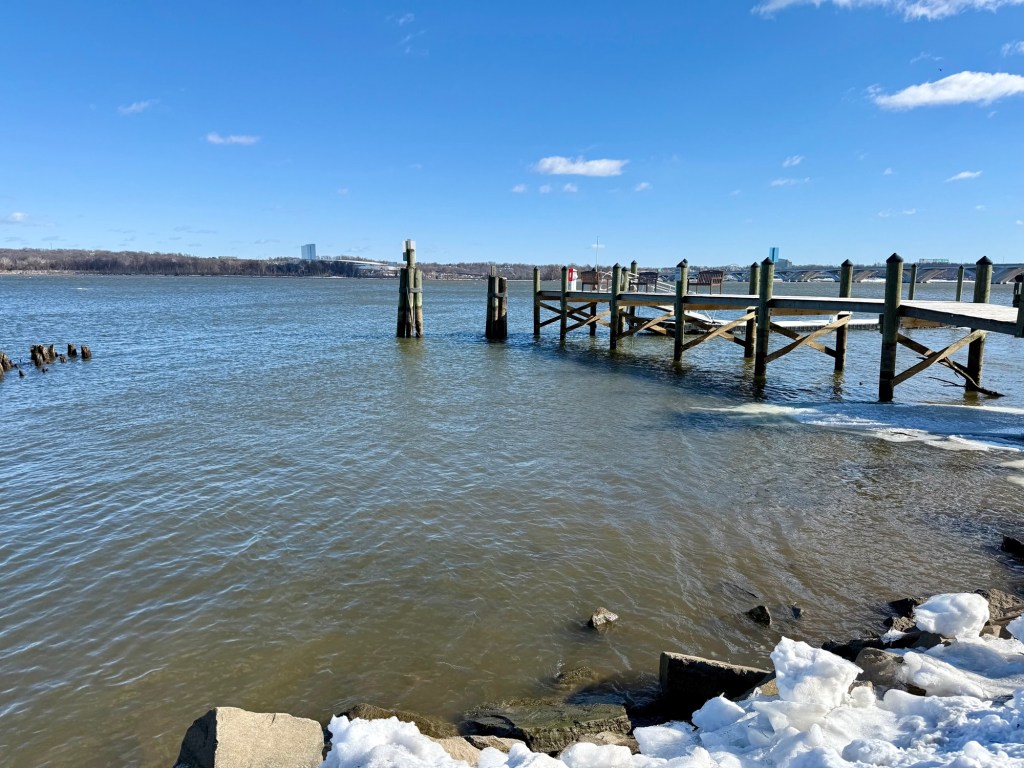
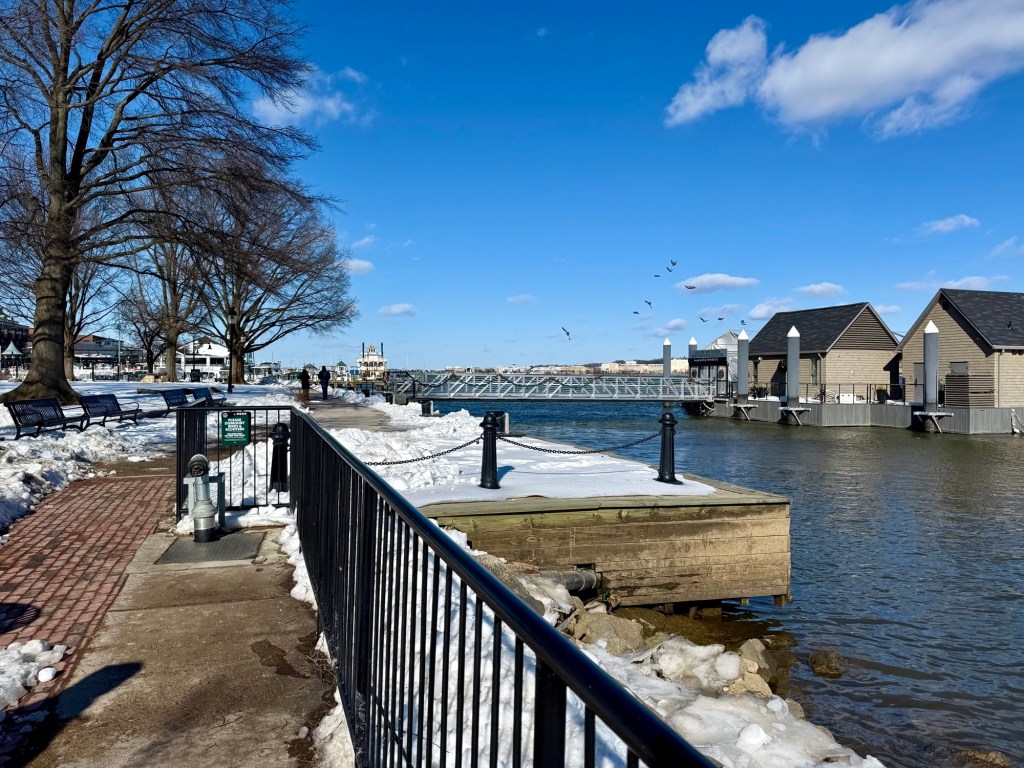
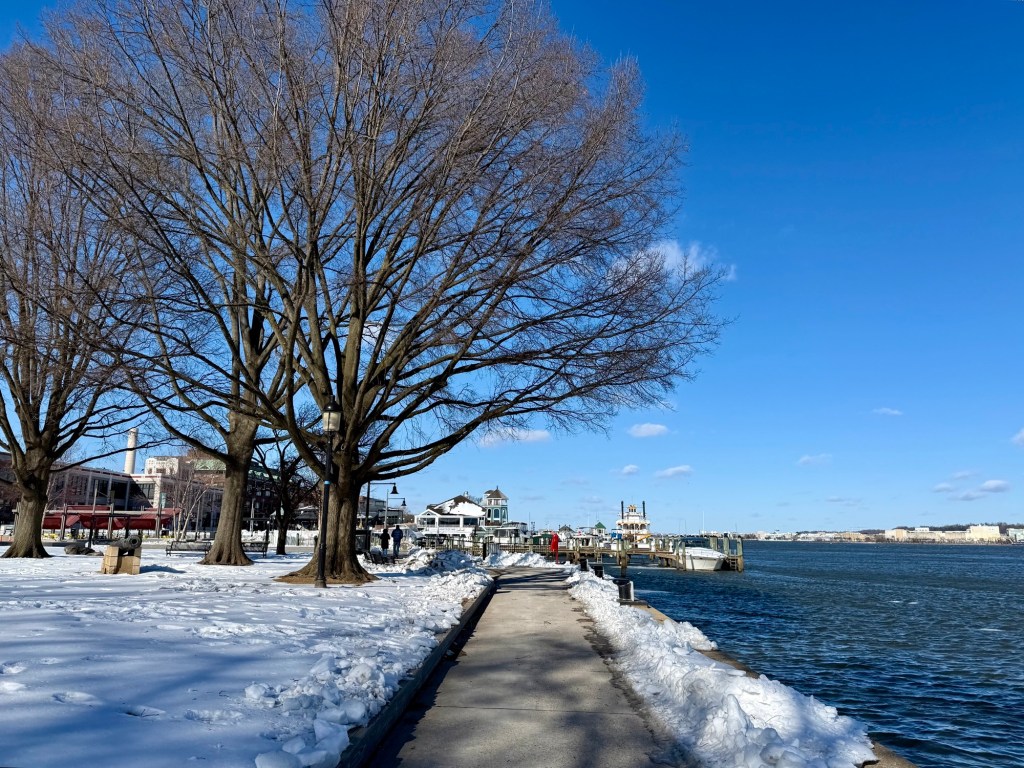
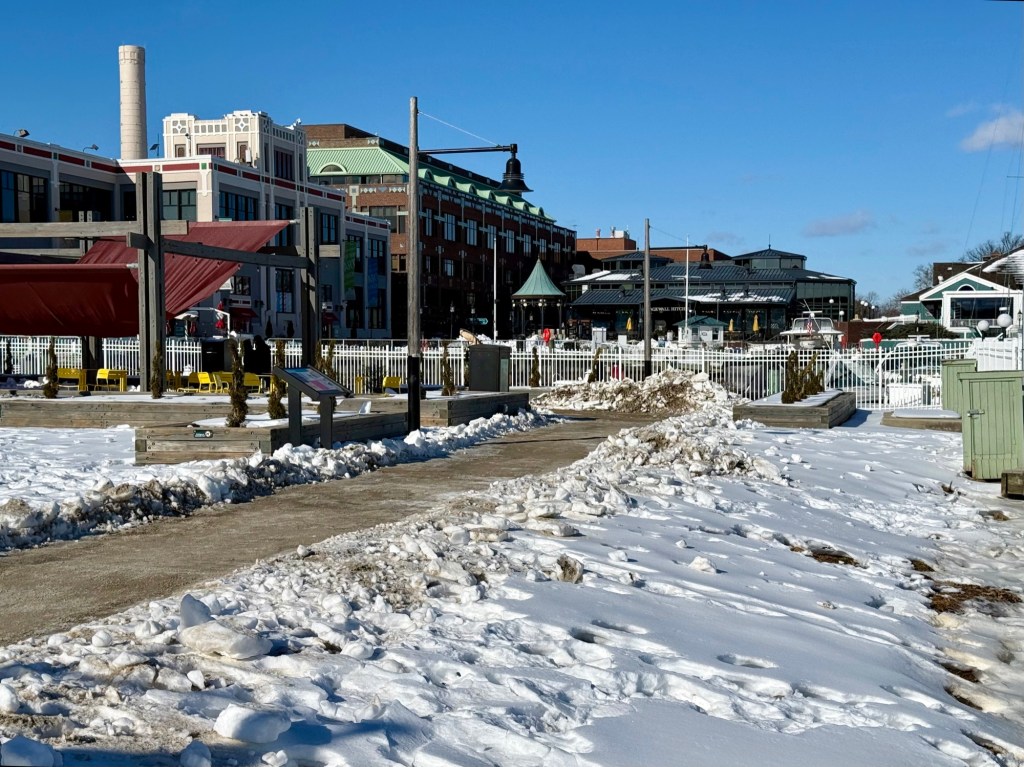
This short path along Alexandria’s waterfront gives you views of the dock and provides some greenery (or snowery in our case). Although short, it was a nice quiet little walk that led us to the Torpedo Arts Center from King Street. There are some shops and restaurants around the area as well.

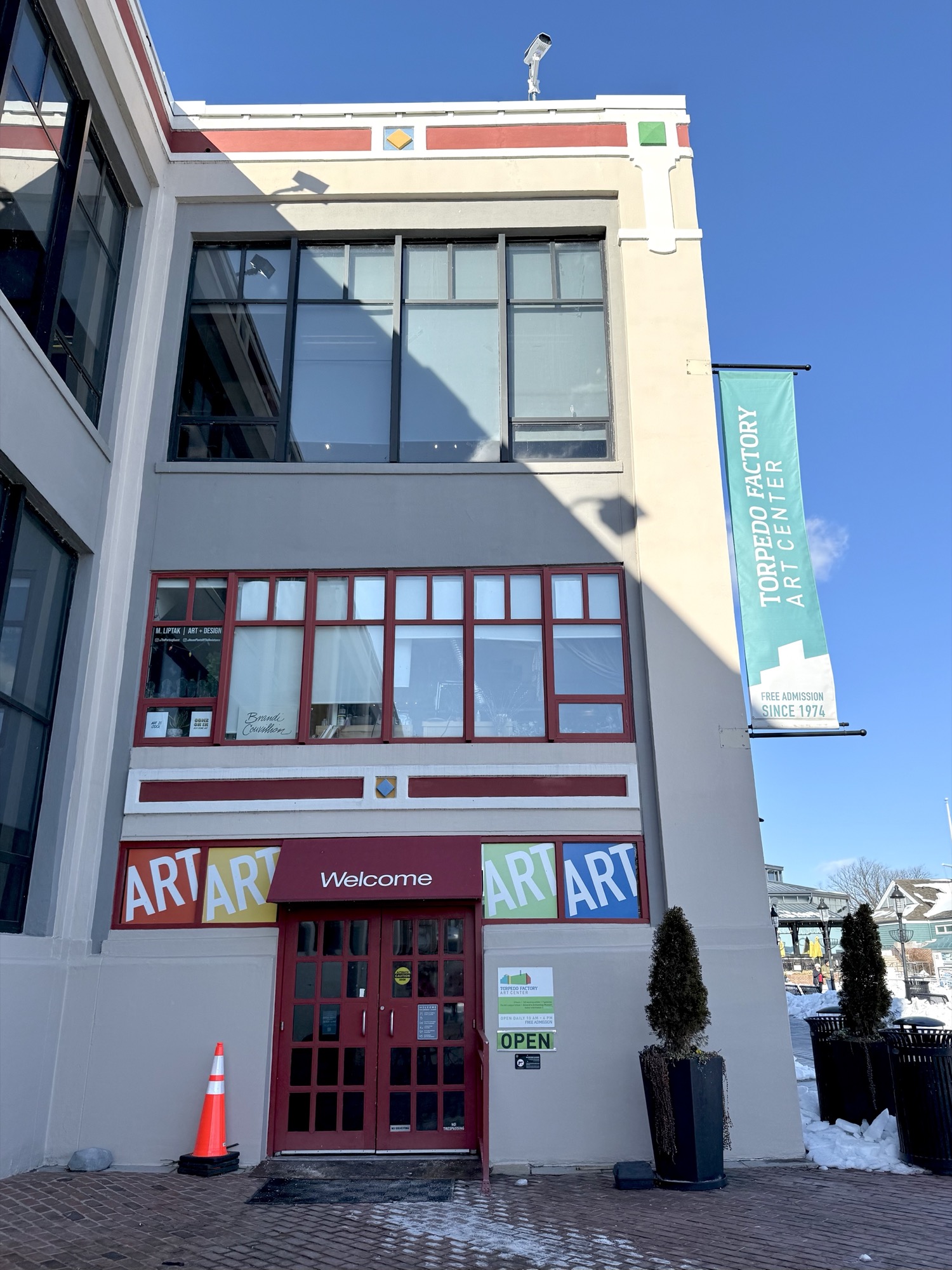
Torpedo Factory Arts Center

Address: 105 N Union St, Alexandria, VA 22314, United States
Hours: 10am-6pm, daily
Admission: free
Website: https://torpedofactory.org/
How much time to spend here: roughly an hour to go through all the shops

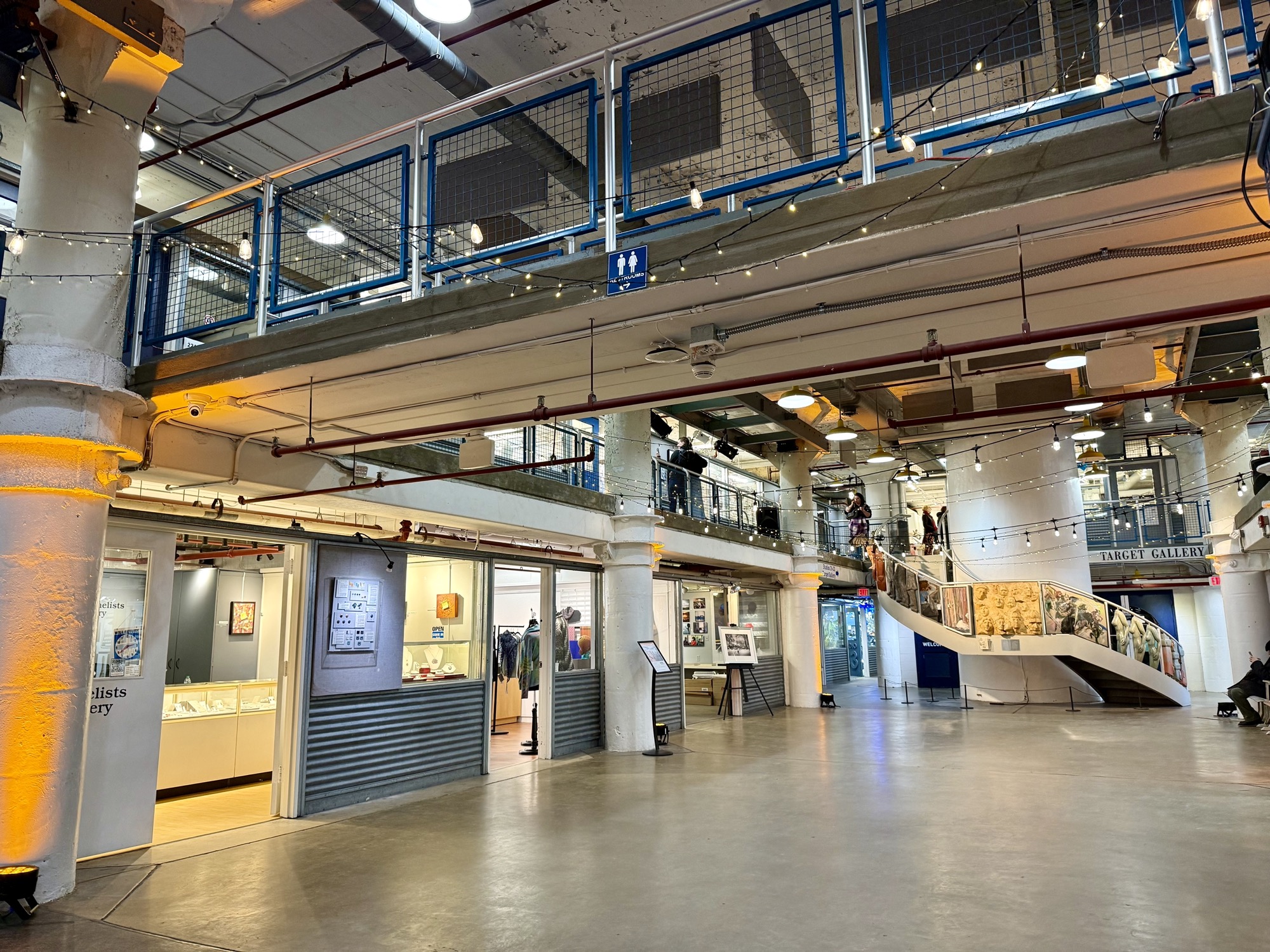
The Torpedo Factory Arts Center was one of my favourite places in Alexandria. This 100+ year old building houses the nation’s largest collection of working artists’ open studios all under one roof!

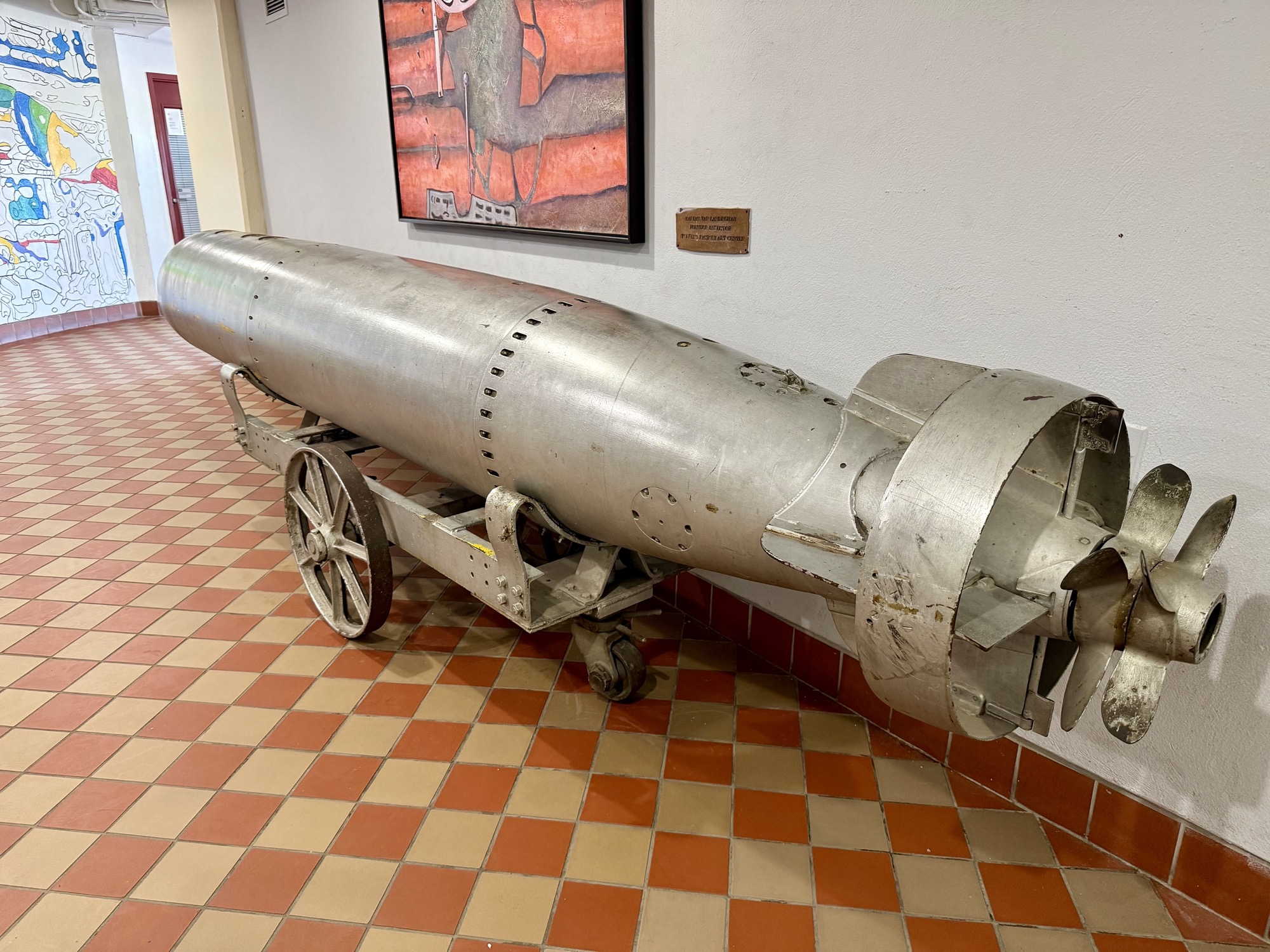
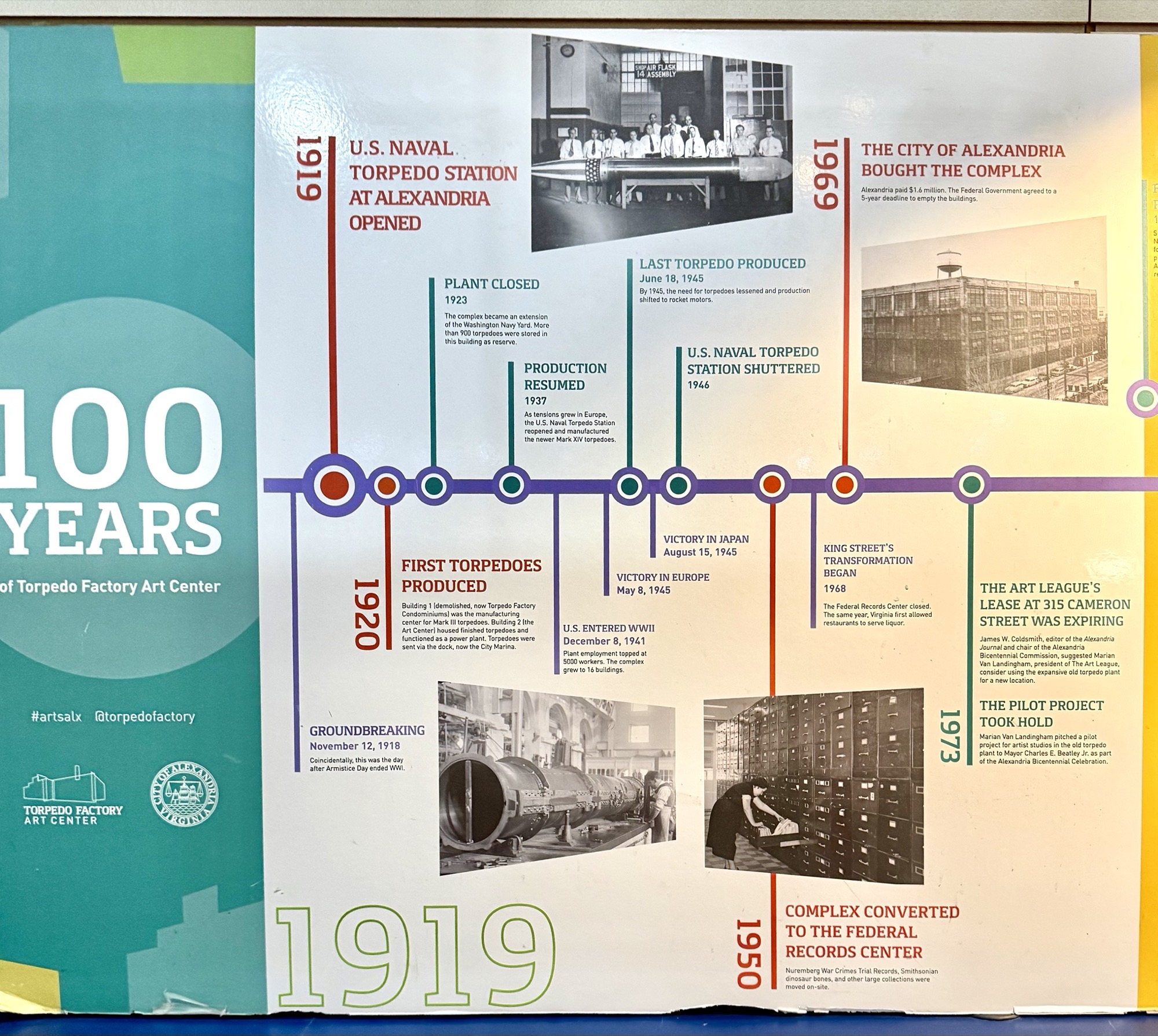
As you may have guessed from the name, this building used to be a torpedo factory that was constructed at the end of World War I in 1918. It produced Mark III torpedos for about 5 years until production stopped during peacetime, but then resumed leading up to the start of World War II. After the war ended, this factory made rocket engines briefly before shutting down permanently in 1946. It was then the Federal Records Center that stored documents, records, and artifacts.

In 1969 the city of Alexandria purchased the building. It took the government a few years to vacate the premises, but by 1973, The Art League had an expiring lease and sought the old torpedo factory as the new site for their plans. After years of planning and renovations, it officially re-opened in 1983 as an artist studio and still continues on today!

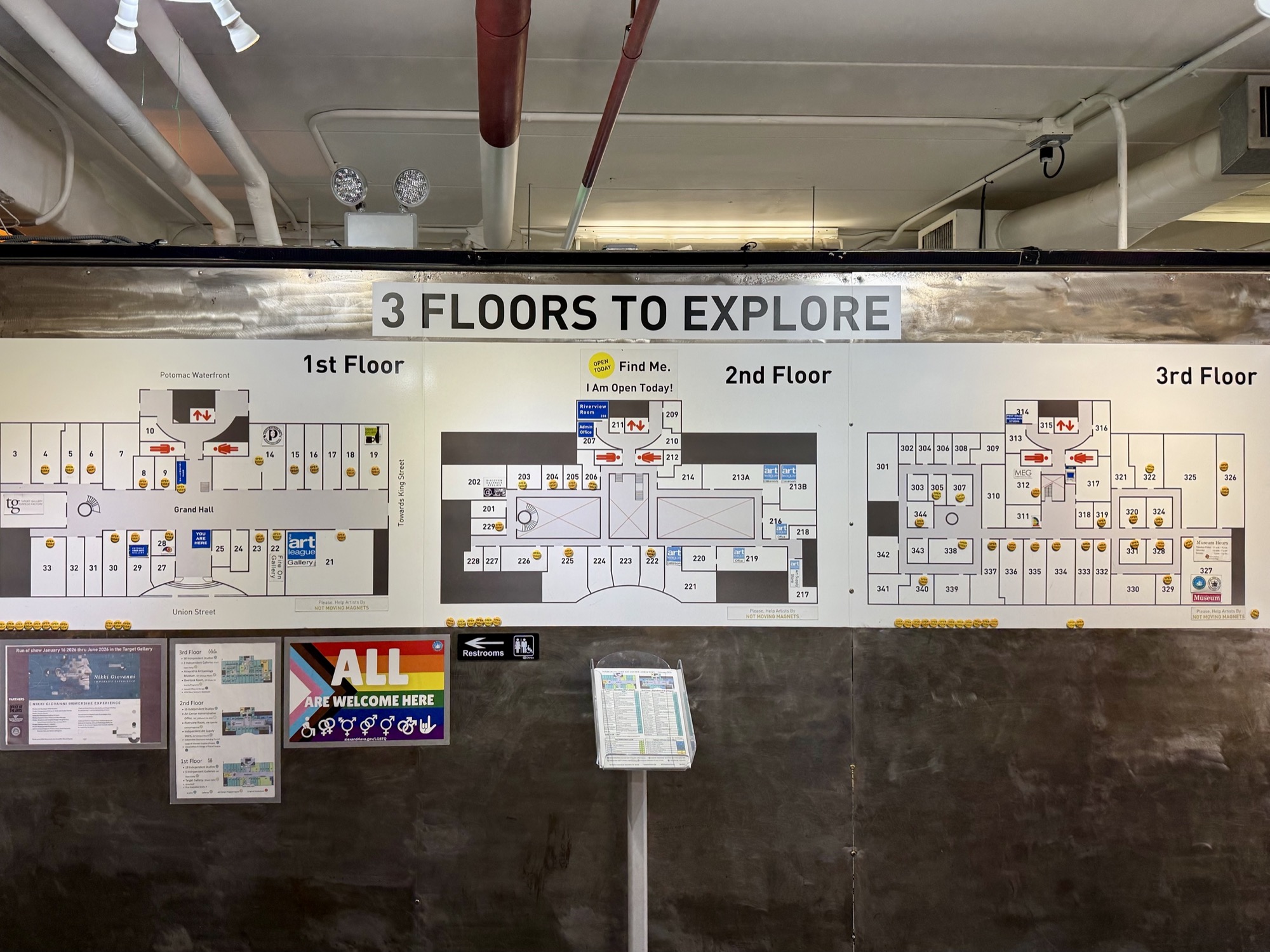
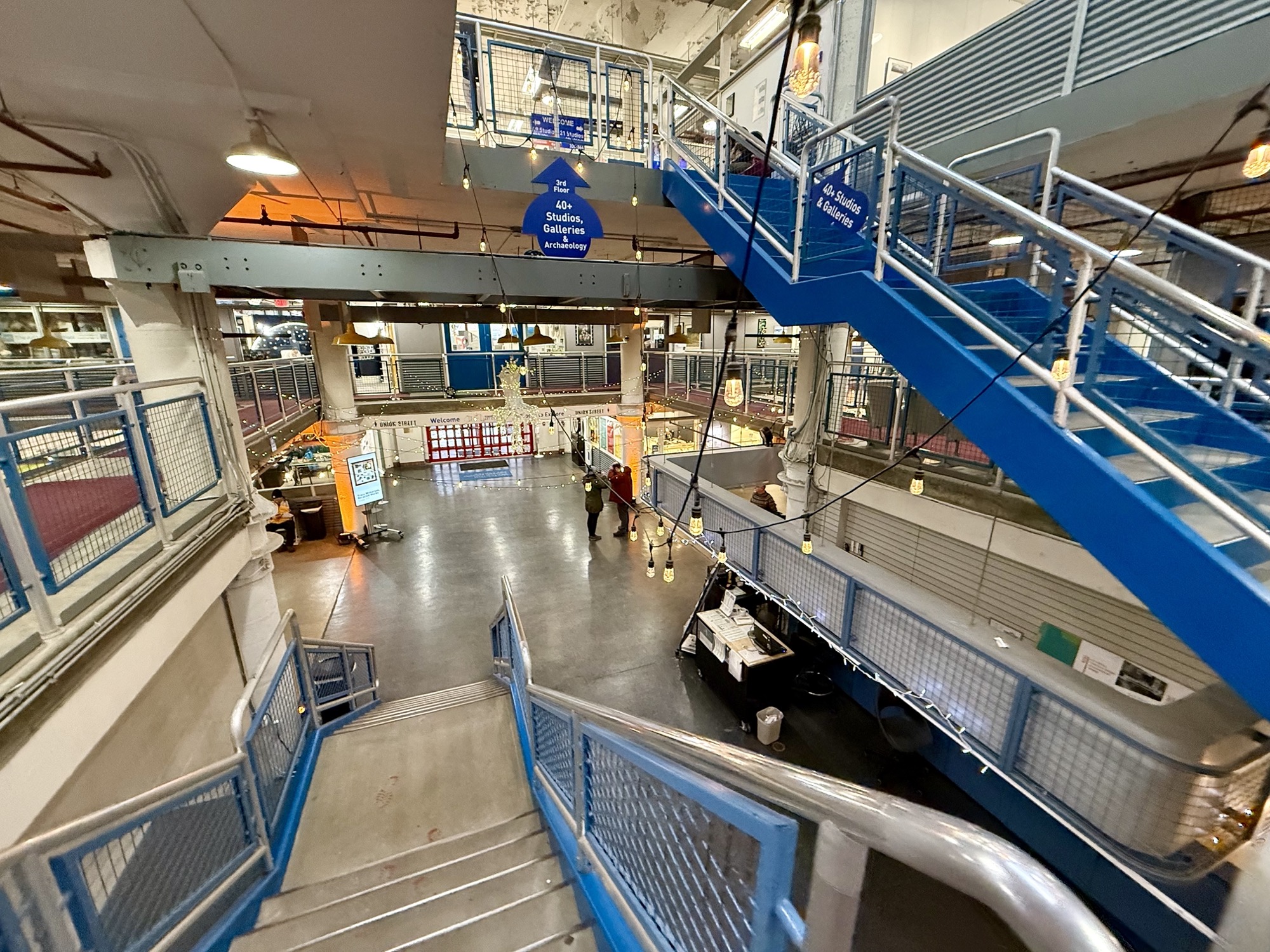
The Torpedo Factory Arts Center is like no place we’ve ever been before. It’s an impressive 3 floors of artist studio space where they work and sell their art all in real time. There are artists from different backgrounds making all types of art – painters, sculptors, jewellers, mixed media…etc.- it was really cool to watch them work. Toby got a really cool ring here and the great thing about being in the artist studio is that some of these pieces can be customizable since you’re buying direct from the artist in their shop! It’s definitely a treat to walk around this space and get inspired by all the amazing art around you.

Jones Point Lighthouse

Address: 100 Jones Point Dr, Alexandria, VA 22314, United States
Hours: 6am-10pm, daily

If you have some extra time, The Jones Point Lighthouse in the southern part of town has some far away views of Washington, DC across the river. It’s located within a park setting and you can follow the trail here as part of the riverfront walk and take you all the way up to the Torpedo Factory Arts Center and lead you into Old Town.

We didn’t end up stopping here because the weather was extremely windy and cold so we decided to skip it. The lighthouse looks cute from online pictures.

Some Final Thoughts

  • Old Town Alexandria is pretty cool. Lots of shops with many historical sites to see. Follow an online self-guided tour if you want to make sure you don’t miss anything.
  • The Torpedo Factory Arts Center is definitely a MUST!
  • Book a tour if you’re going to visit the Masonic Temple so you can get to the top of the temple.
  • Don’t forget to check out Mount Vernon, the home of George Washington if you’re into more historical places!

A Comprehensive Guide to Visiting Mount Vernon, George Washington’s Home


Mount Vernon, George Washington’s estate, offers a glimpse into the life of the first president. Visitors can explore the mansion, museum, and gardens, with many tour options available. Follow this comprehensive guide on visiting this vast estate and how to get the most out of your visit!

A Day in Princeton & Beyond – University, Grounds for Sculpture, & Trenton


Date Published: April 21st, 2025 | Last Updated: April 21st, 2025
Author: Abby | Category: Travel, USA
Date of travel: March 1st, 2025

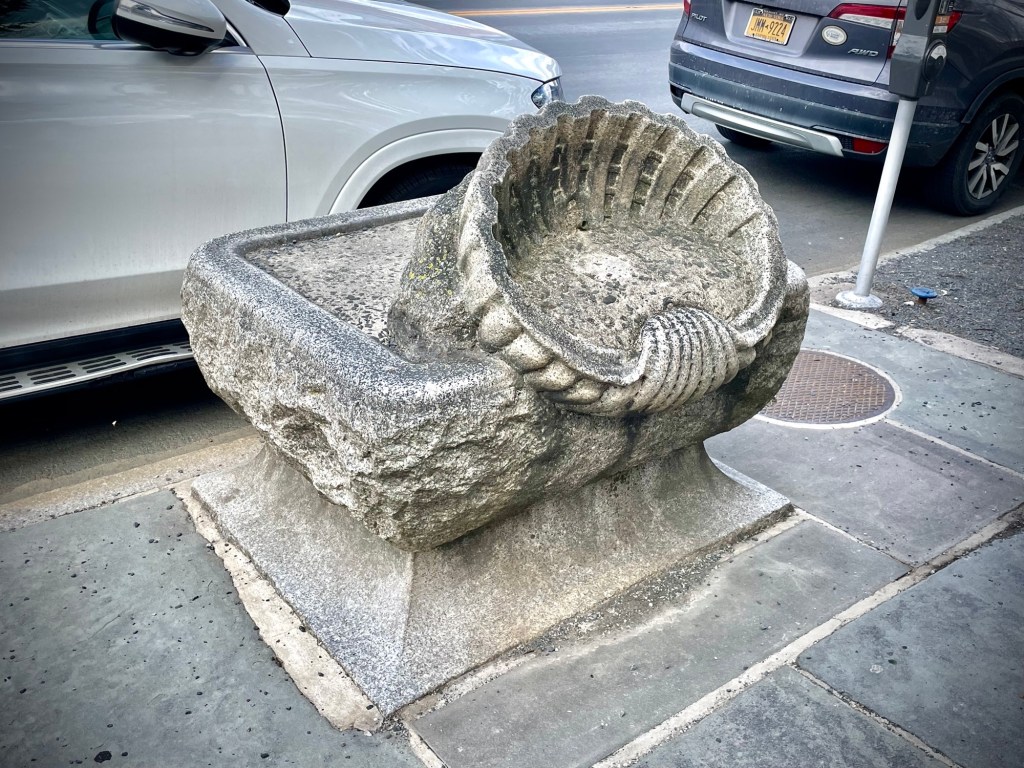
Princeton, New Jersey is roughly a 1.5 hour drive from NYC which makes it a great day trip away from the big city. In fact, it is exactly halfway between Philadelphia and New York, which were the two wealthiest cities back in the days and as a result, Princeton was a popular stop for stage coaches to let their horses rest. You can still find old stone horse troughs still around town!

Princeton is of course home to the famous Princeton University. The main highlight of this town is to tour the campus but there are some cool shops around this town as well to check out. This post will highlight a tour around the college campus, some famous houses, and the nearby Grounds for Sculpture and Trenton, the capital of New Jersey.

How many days do I need?

There’s not all that much “to do” in Princeton, so a half a day will be enough to see the highlights and check out the campus. Make it a full day if you want to visit Grounds for Sculpture.

Parking:

The best parking will be at Spring Street Garage (24 Spring St, Princeton, NJ 08542) which has very reasonable rates and is conveniently located in the middle of town.

Book a walking tour

Booking a walking tour is the best way to explore both the town of Princeton and Princeton University. There are so many notable buildings with a unique history that it’s easy to miss if you walk around yourself. The university campus is also quite large and can be easy to get lost. In this blog post I’ve highlighted some notable places, but they were all covered on our walking tour.

We booked our walking tour with this company. It was reasonably priced and informative. The guy that did our tour seemed to be new 😅 but we still hit all the spots.

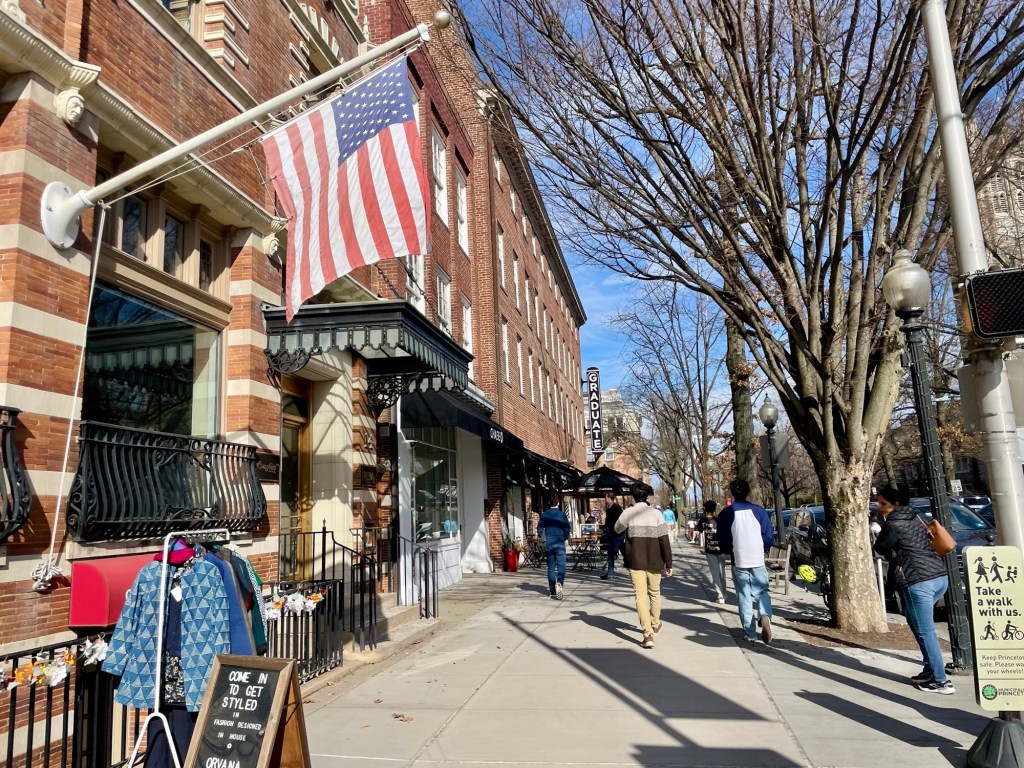
Nassau Street is the main street of Princeton with shops and restaurants. Although we didn’t have time to grab a bite, our tour guide recommended Winberie’s Restaurant & Bar and Triumph Restaurant & Brewery off of Palmer Square.

Apparently most of the nightlife here is targeted to the undergrads.

Nassau Street
An old stone water trough for stage coach horses back in the day (now filled in with concrete)

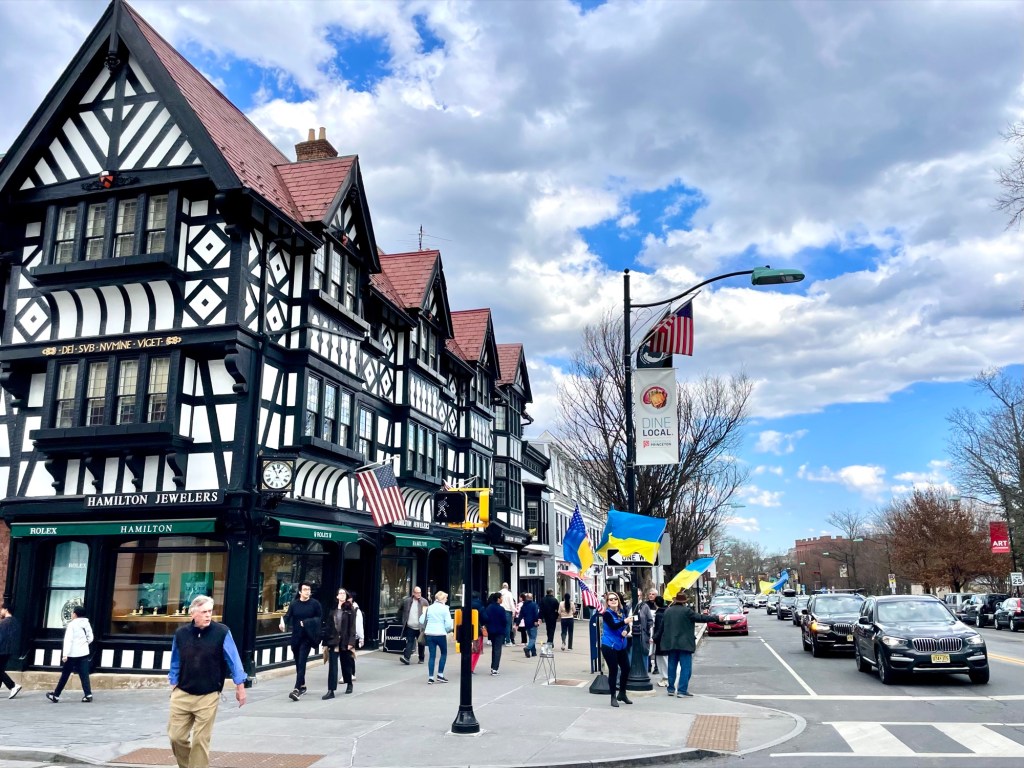
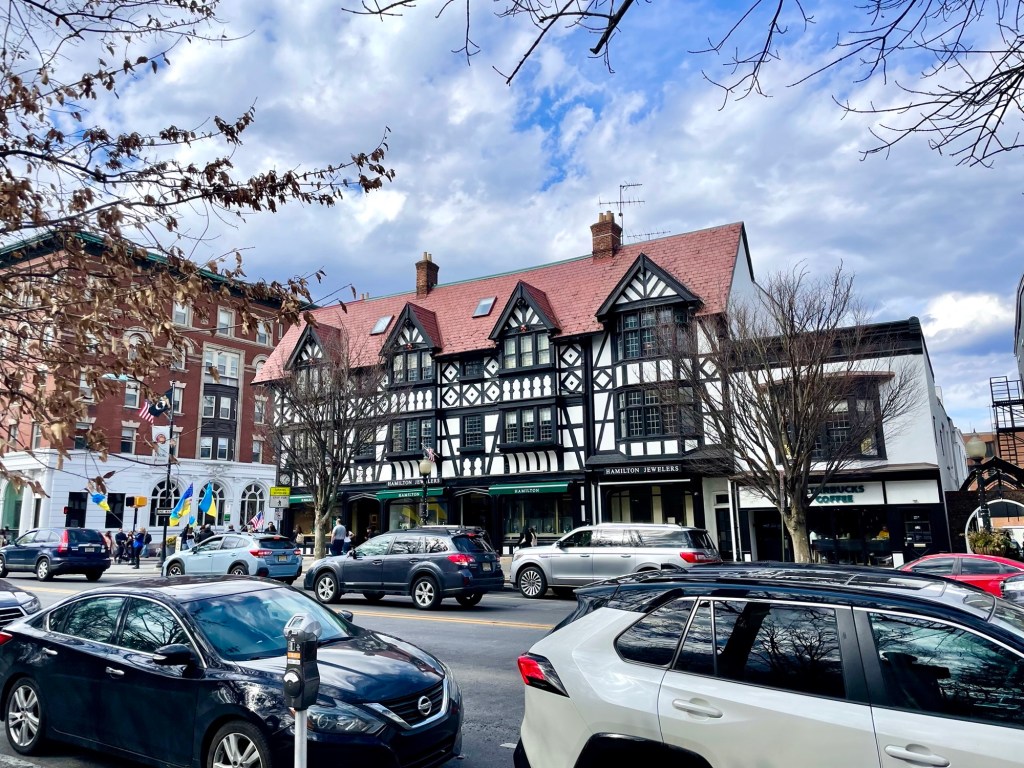
Across from Princeton University at the corner of Nassau Street and Witherspoon Street is a tudor style building called Lower Pyne (now home to Hamilton Jewelers). This beautiful building was built in 1896 and was used for commercial shops on the ground level and student dormitories above. In 1950 the dormitories were converted to office spaces. You’ll see this iconic building on many post cards of Princeton.

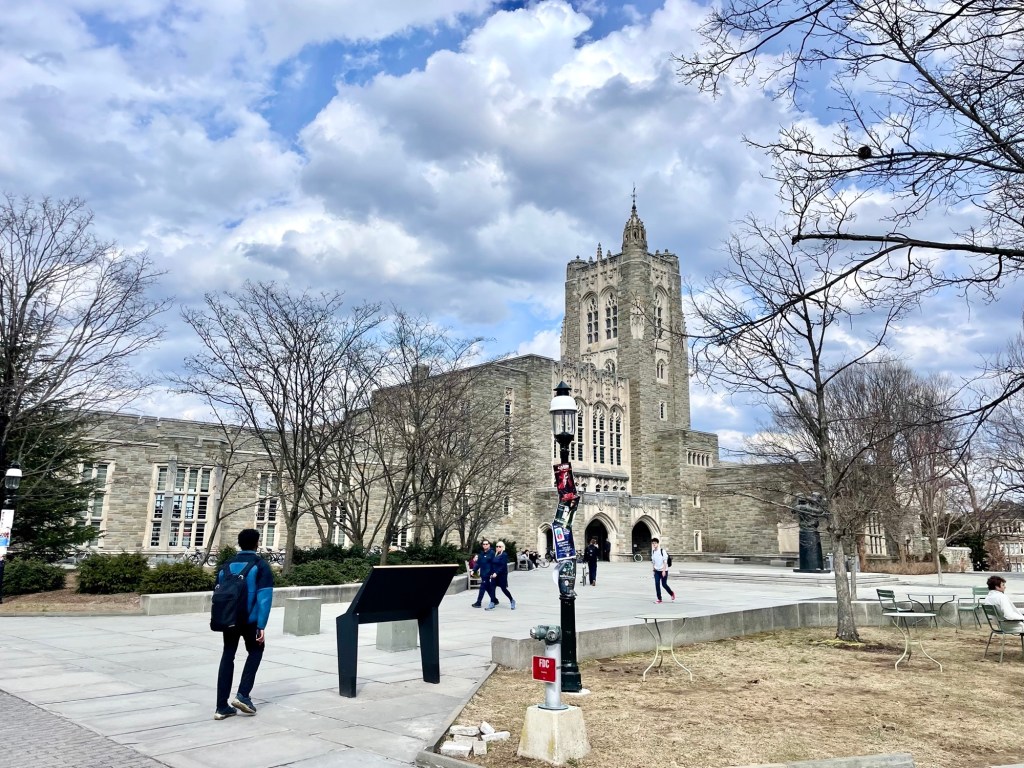
The campus grounds of Princeton University is open to all and you can freely walk around and explore, but access into the buildings is restricted.
For prospective students, you can book a free university tour with admissions information.

For tourists that just want to learn the history of this famous campus, the university runs historical tours with limited dates in the fall or you can book a third party tour company like we did that will not only explore the campus but around the actual town as well.

I’ve highlighted some interesting spots around campus below:

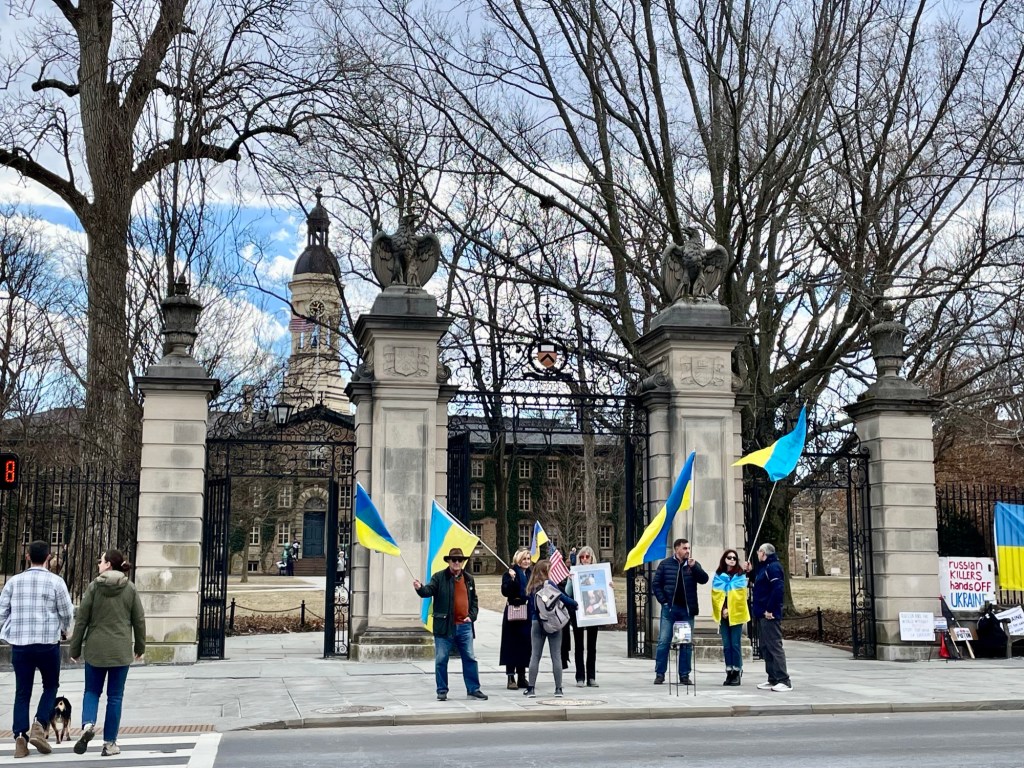
FitzRandolph Gate is located just off of Nassau Street, across the street from the Lower Pyne building and infront of Nassau Hall. It is the official entrance to the Princeton University campus. It was erected in 1905 and named after Nathaniel FitzRandolph, who was instrumental in raising the money and land needed to build the college.

The gate was originally always kept closed and locked except for special occasions such as graduation, but the class of 1970 ensured that the gate would always remain open “in a symbol of the University’s openness to the local and worldwide community”.

There is a local superstition that if you exit from FitzRandolph Gate before graduation, you will never graduate from Princeton. You can enter the campus through the gates, but not leave unless you’ve graduated. This includes babies and children that may wish to attend Princeton in the future 😂. Our tour guide was a graduate of Princeton and says that this superstition is still very much alive to this day.
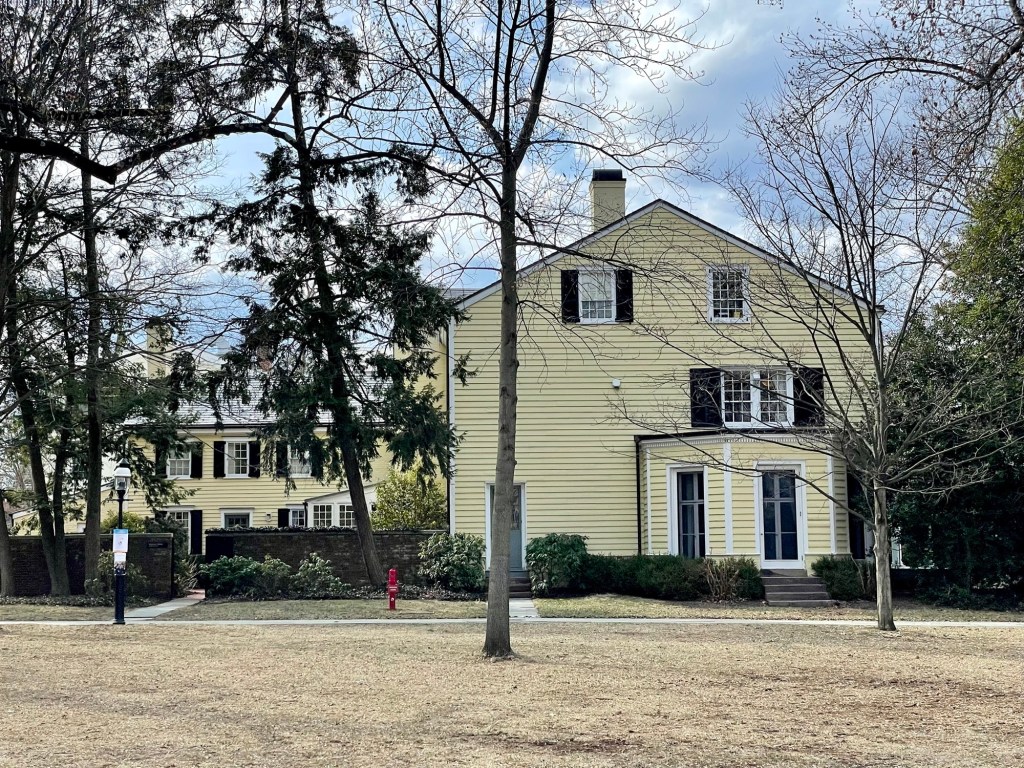
Princeton University had a couple of different locations (including Newark, NJ) before settling into its current location. At the time, Aaron Burr Senior (father of Aaron Burr Jr. – the guy who shot Alexander Hamilton, for you Hamilton fans) was the president of the college. The small yellow building below is where Aaron Burr Sr. lived at the time as he oversaw the building of this new campus.

Where Aaron Burr Sr lived

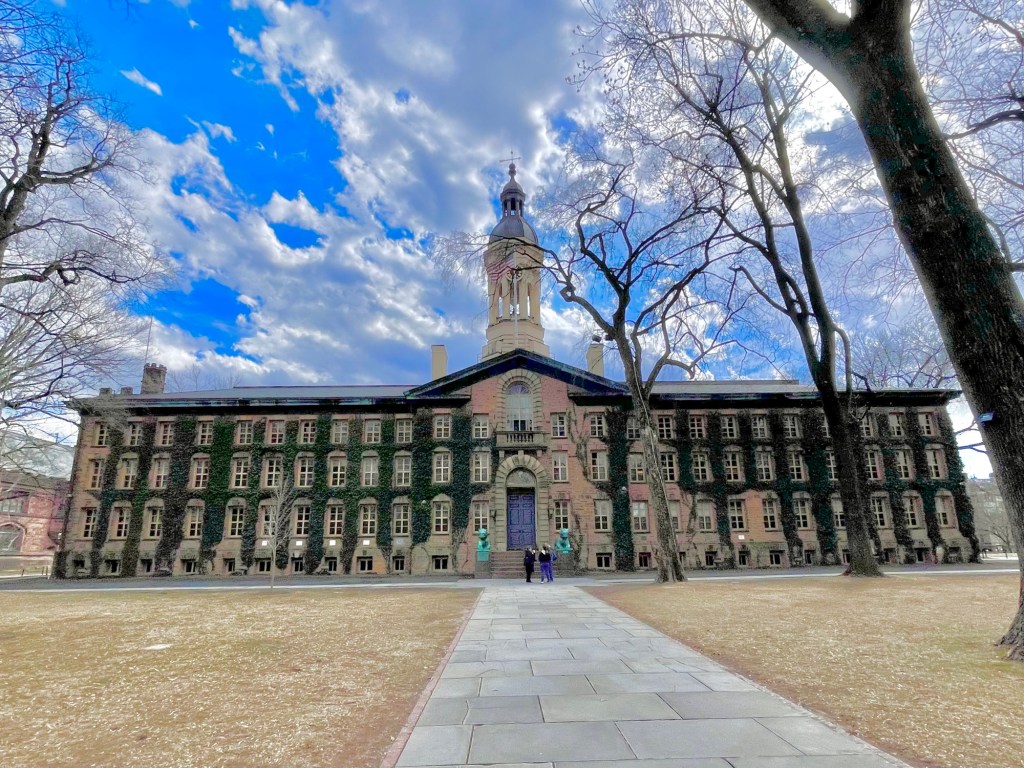
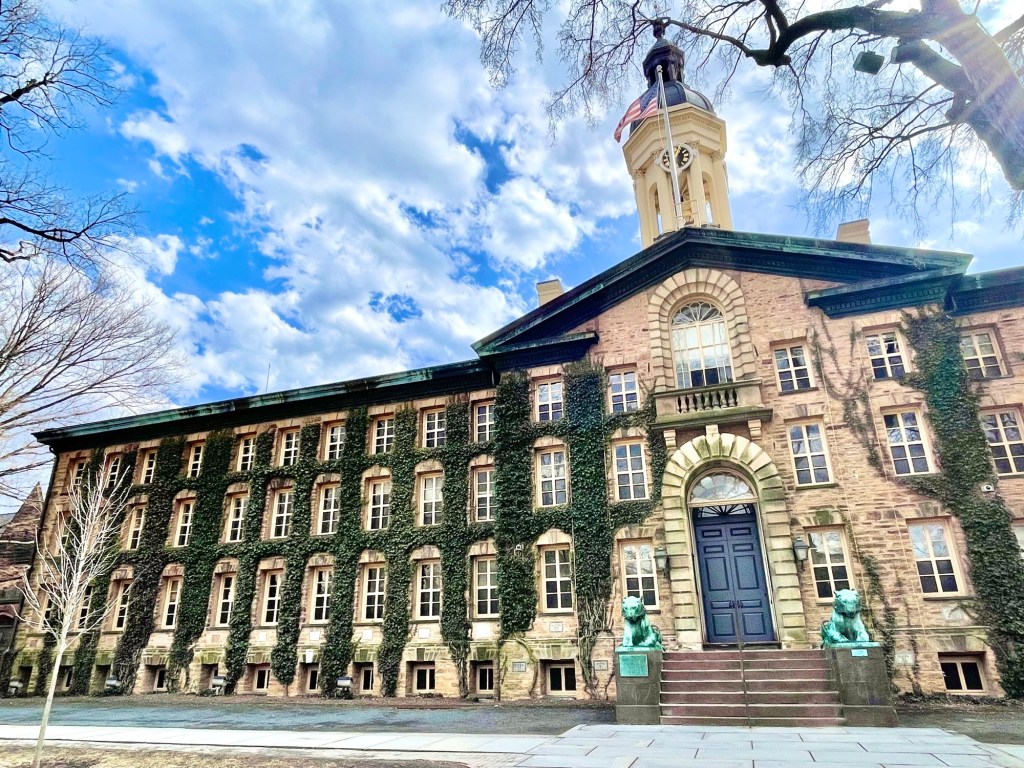
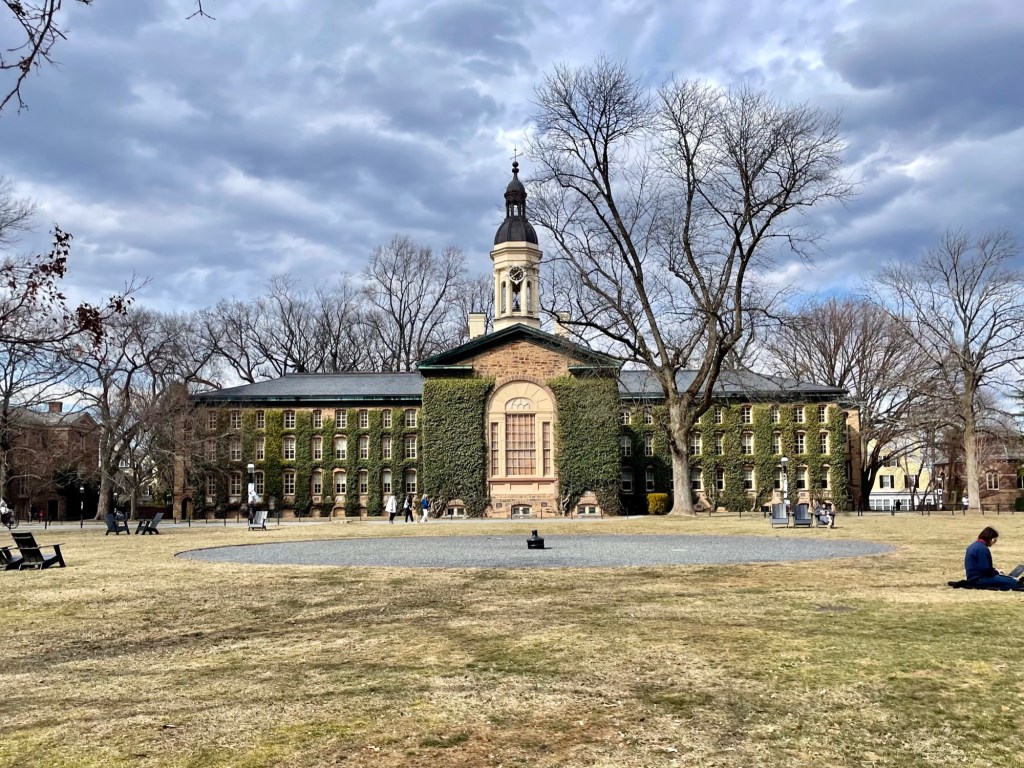
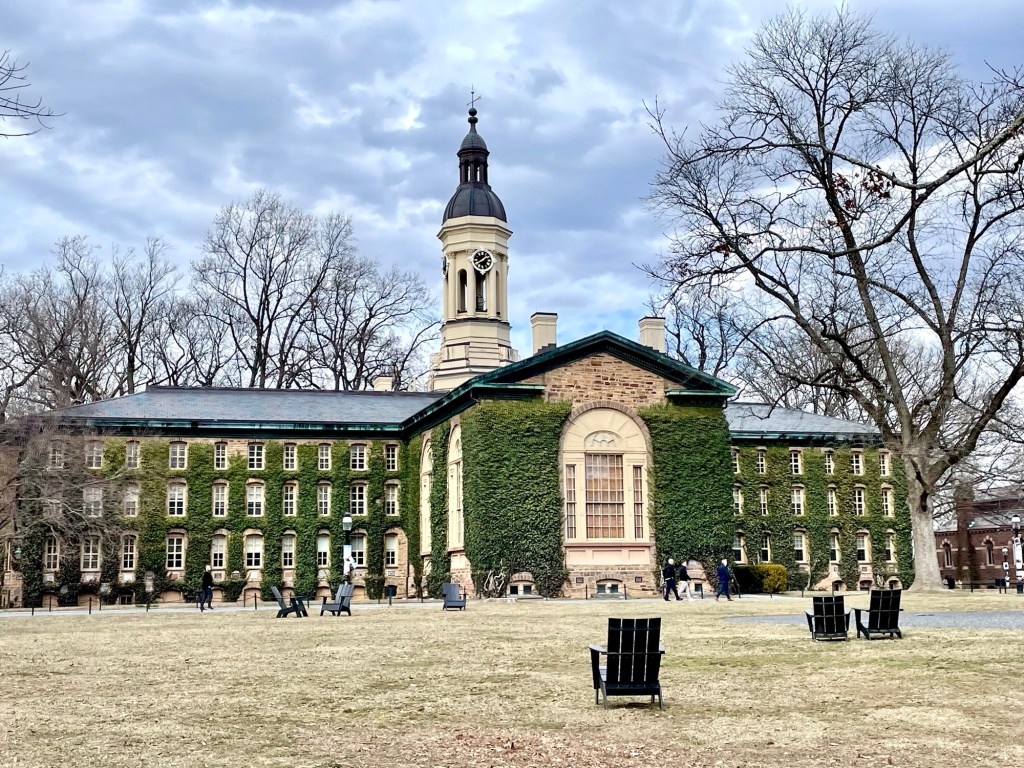
Nassau Hall is the first building of the college and also the oldest building on campus. It’s the first building you’ll see through FitzRandolph Gate and its covered with ivy around the majority of the building.

Throughout the years they’ve had many university presidents that kept dying from random things. The university was in a poor state with debt and poor instruction. John Witherspoon came on as the university’s 6th president and was monumental in saving the school from closing down. He travelled to New England and the South and recruited the wealthy to join the school. He updated the curriculum and turned Princeton from a place that predominantly trained clergymen into a place equipped to produce the future leaders of tomorrow.

Although Witherspoon is credited for the expansion and progression of the university, his racist roots in slave ownership has been a topic of heavy controversy. There have been petitions to remove his statue outside of East Pyne Hall, pictured below.

Statue of John Witherspoon in front of East Pyne Hall

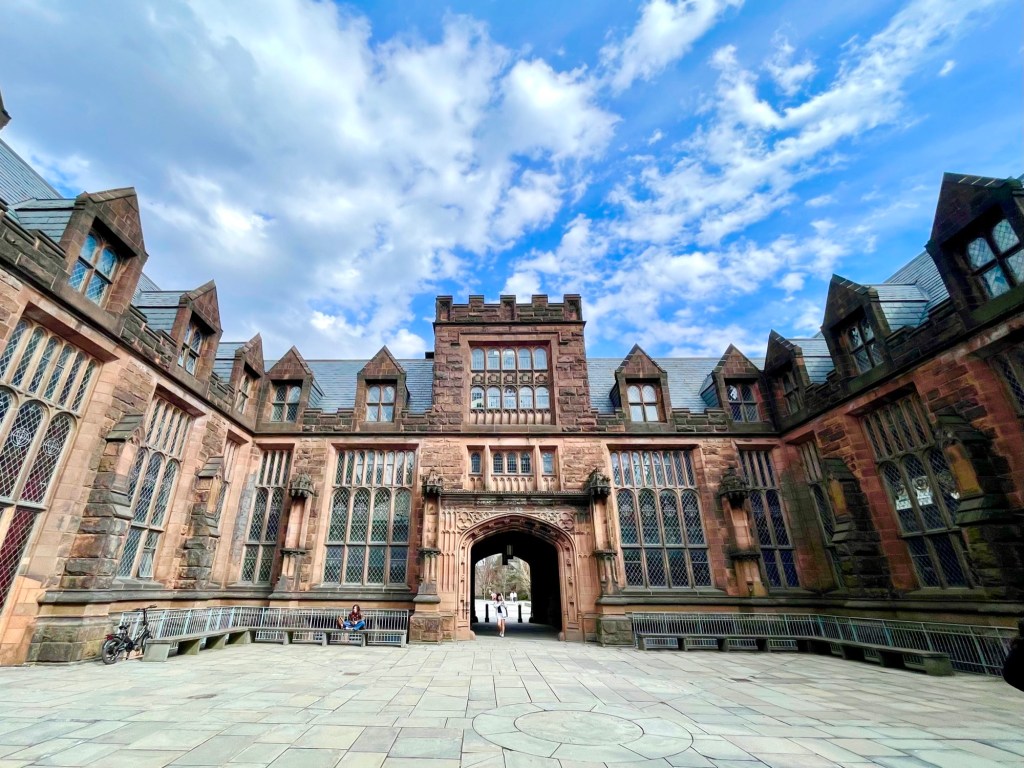
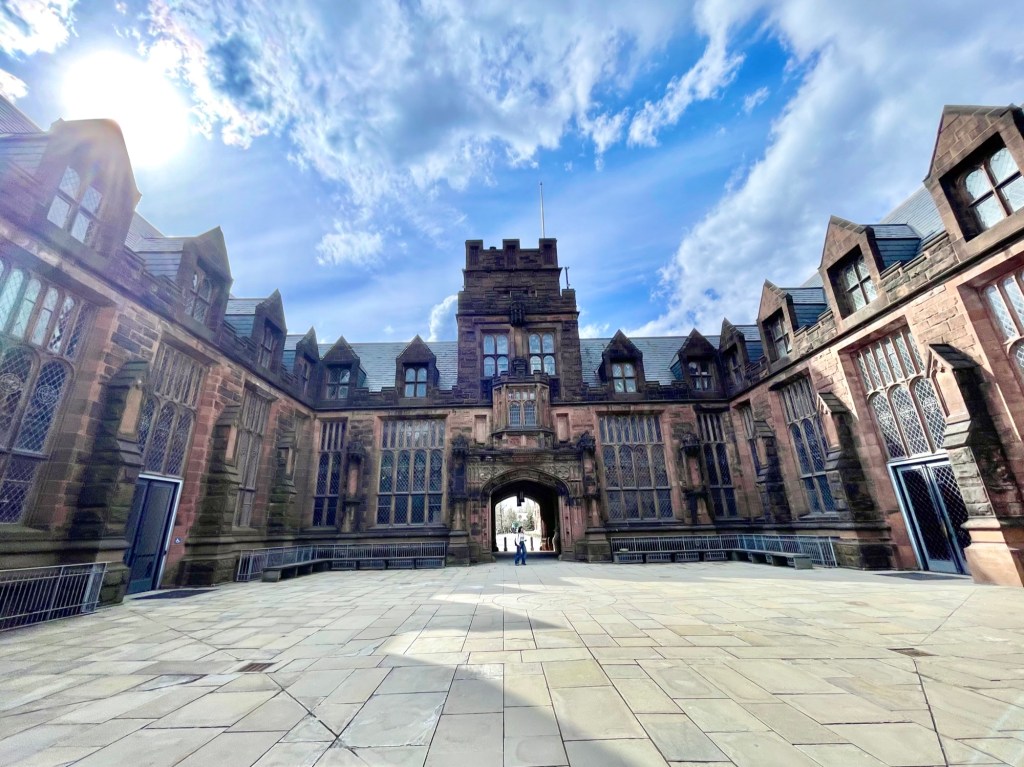
East Pyne was built in the late 1800s as an extension to the Chancellor Green Library next door. When entering the middle gates, you’re inside an enclosed square with beautiful architecture surrounding you. This site has been a popular choice for filming movies including the latest movie Oppenheimer.

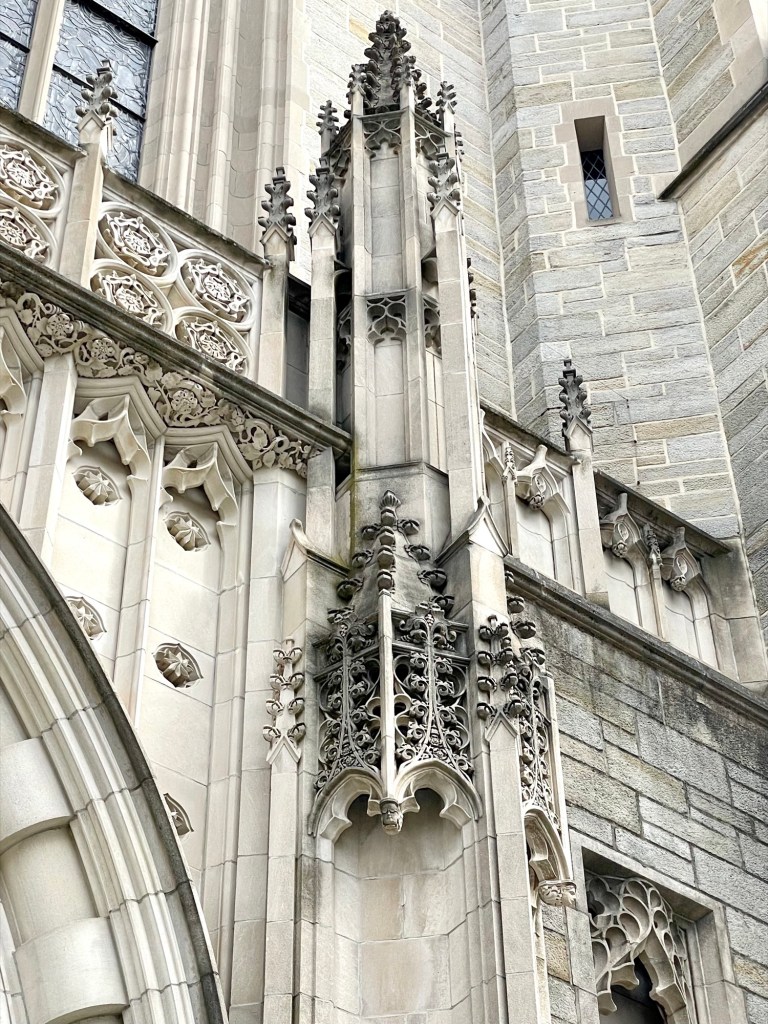
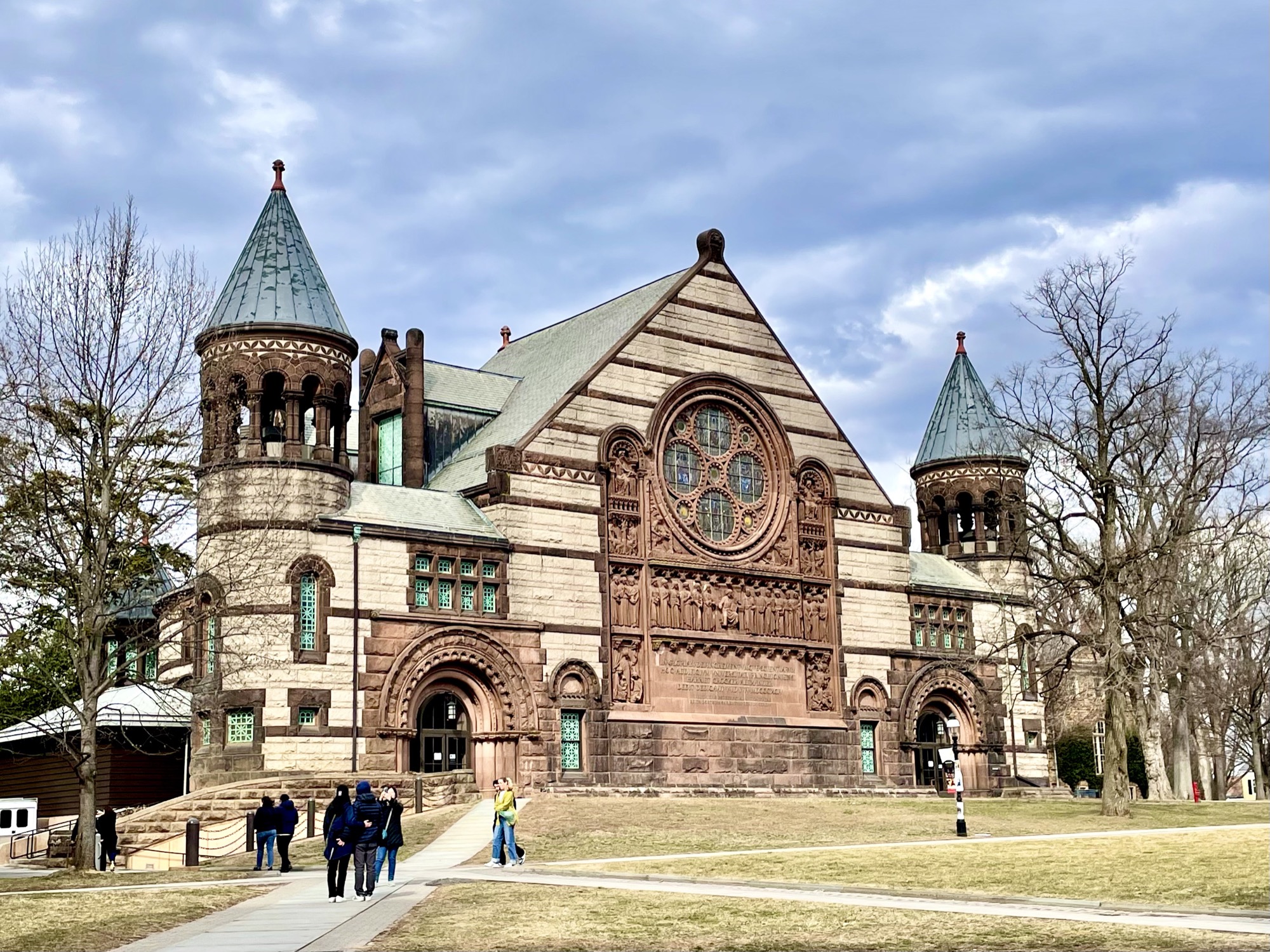
The Princeton University Chapel sits in the middle of the campus and was built in the 1920s to replace the previous chapel that had burned down. Its gothic architecture has a hidden surprise – the 5 stone makers hid their faces into the outside of this building (see if you can spot one in the photos!). Inside this beautiful building are impressive stain glass that lines the walls and is said to be the most valuable stain glass in the Western Hemisphere! The pews are carved from wood that was intended for Civil War gun carriages.

It’s a highly sought after place to get married. Our tour guide told us there’s about a 5 year waiting list to get married here! 😮

Across the chapel is the Princeton University Library. This enormous library holds over 7 million books including many rare books. It is one of the largest libraries in the world by number of volumes. There’s no public access to the library.

Across the chapel is Prospect House, built in 1851 and housed the university’s presidents for about 100 years, until they were relocated to the Walter Lowrie House (which was originally used as a guest house). I can’t quite find the exact reason why they relocated from this beautiful mansion, but online sources say it coincided with renovations to the building and turning it into a faculty club. Our tour guide says that in the 60s there were protests that a president shouldn’t live so lavishly in the centre of the campus. Whatever the reason, it’s currently the staff and faculty dining area. It’s a pretty nice building. People who get married at the chapel will usually also have their wedding reception here. There’s also a nice garden in the summer.

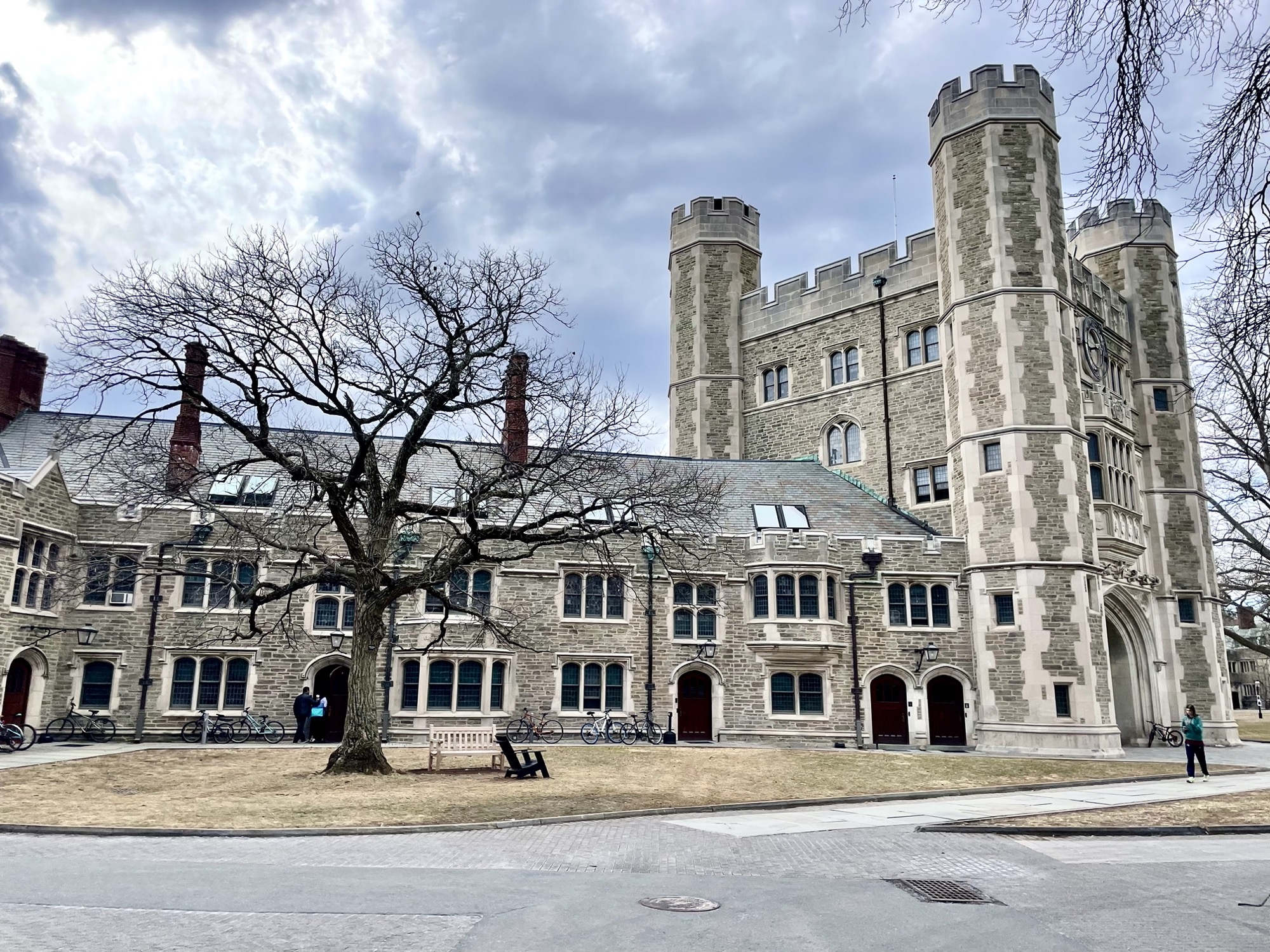
Witherspoon Hall was the most modern and elegant dormitory when it was first built in 1877. It was the first to have electricity and indoor plumbing. This is the first building you come upon when entering the campus by stage coach and has been purposefully made to attract a more “affluent” student population (aka them rich kids to bring their money to the school). There are even dumbwaiters and special corridors and rooms for servants!

Witherspoon Hall

The Princeton University Art Museum has an impressive collection that has been mentioned time and time again as a “must do” when visiting Princeton. Unfortunately they are currently in the works of opening up a new building that’s not set to open until October 2025. It’s located near Prospect House.

Princeton University Art Museum

Address: 112 Mercer Street, Princeton, New Jersey

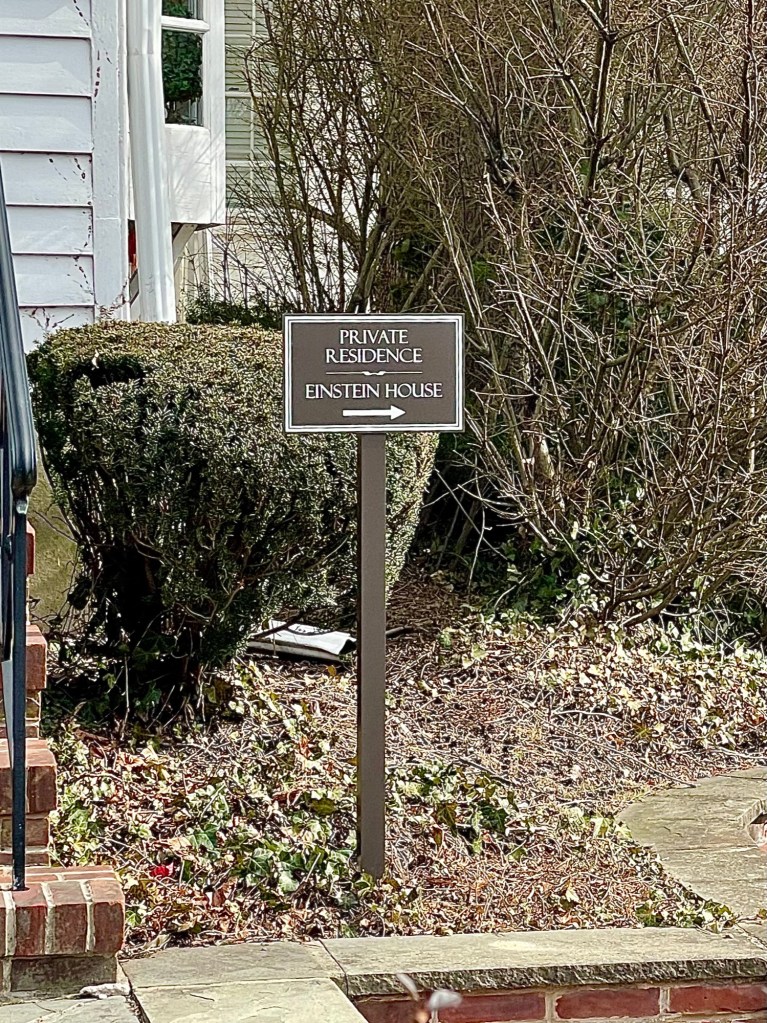
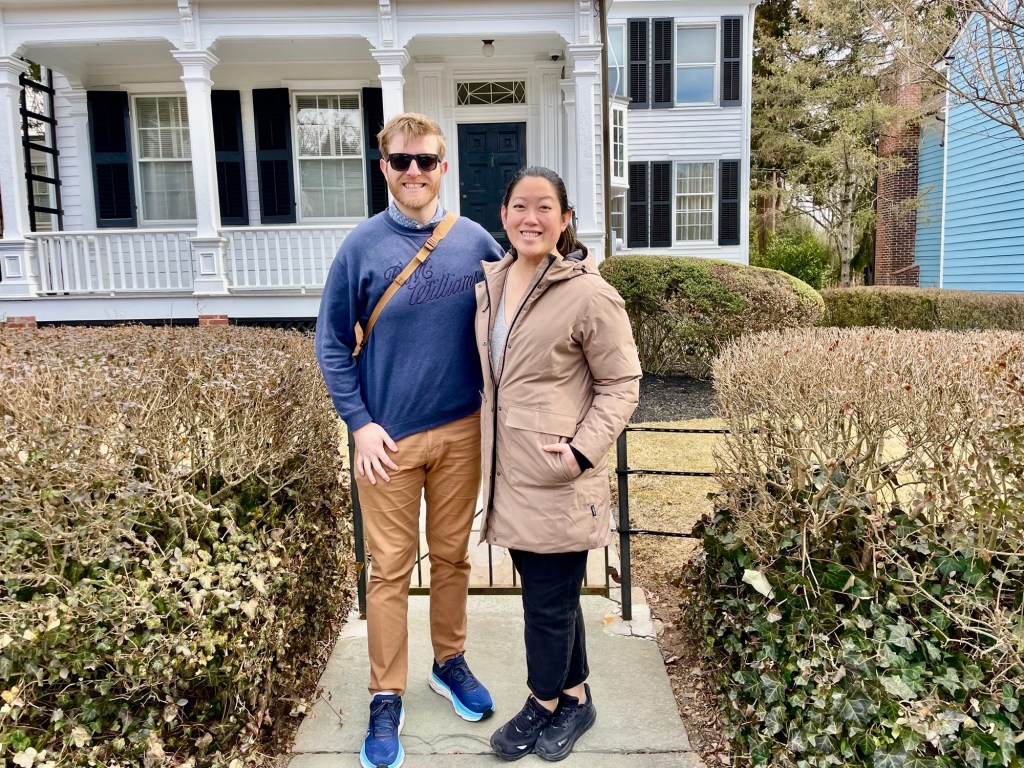
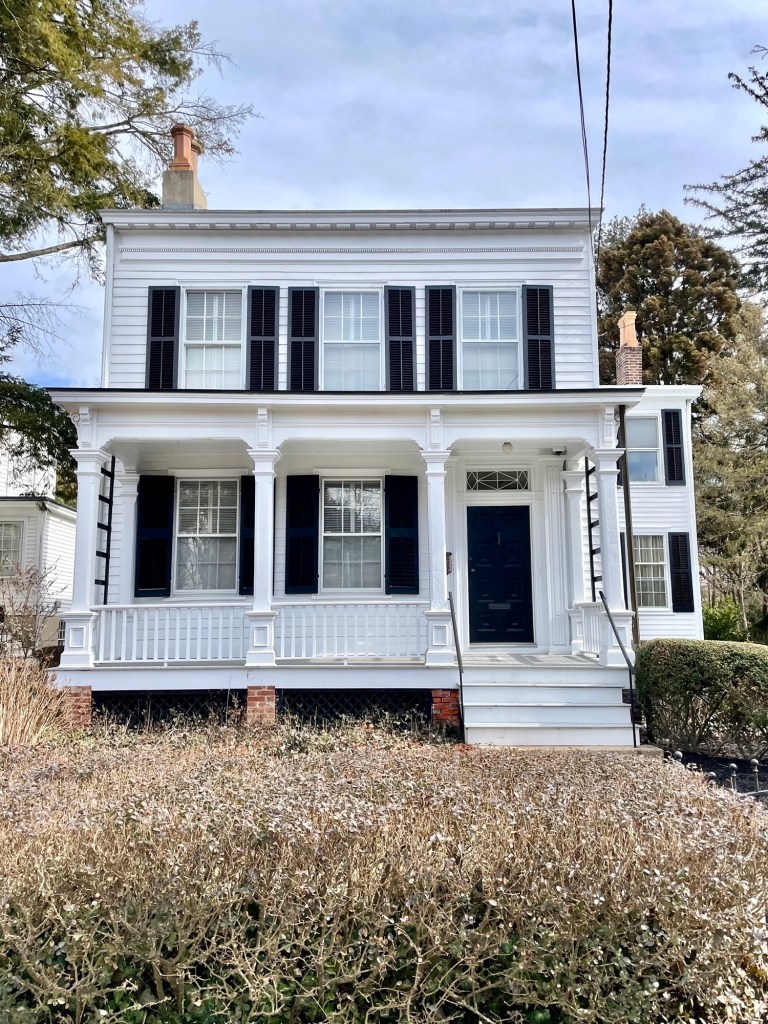
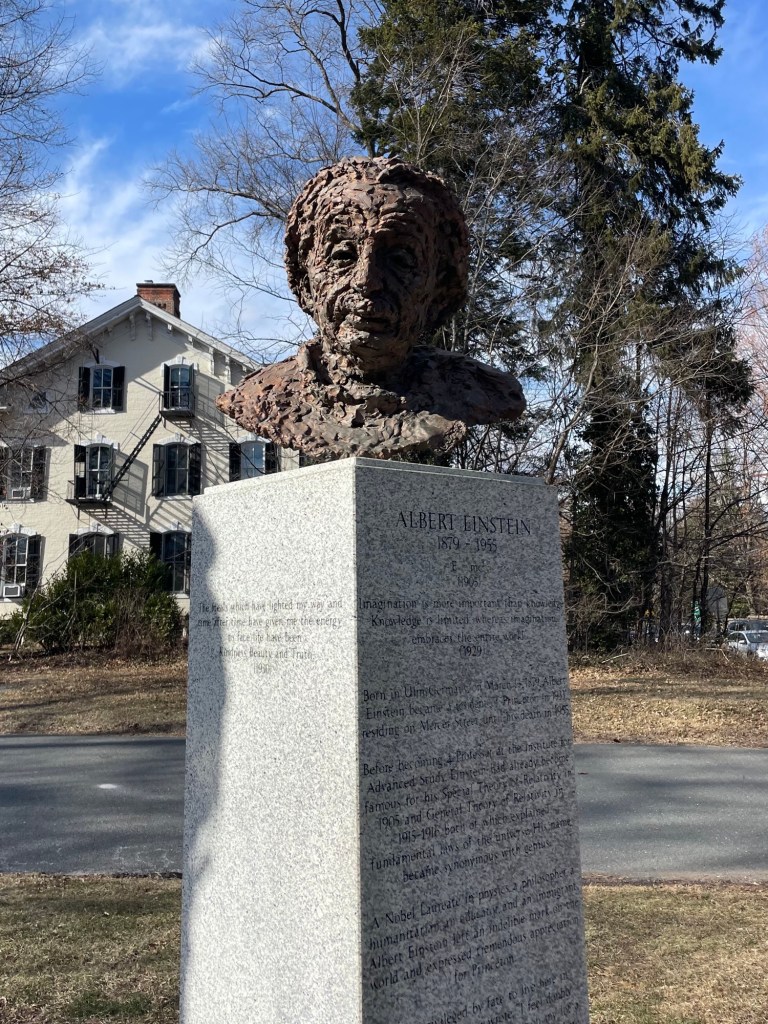
Albert Einstein lived here in the final 22 yrs of his life. He was invited to Princeton to be the first to join a think tank – the Institute for Advanced Study (IAS, the one they featured in Oppenheimer). He was never employed by the university while he lived in Princeton. The house is now a private residence even though it is owned by the IAS. There’s no place markers for this house, but the home next door has a sign 😉.

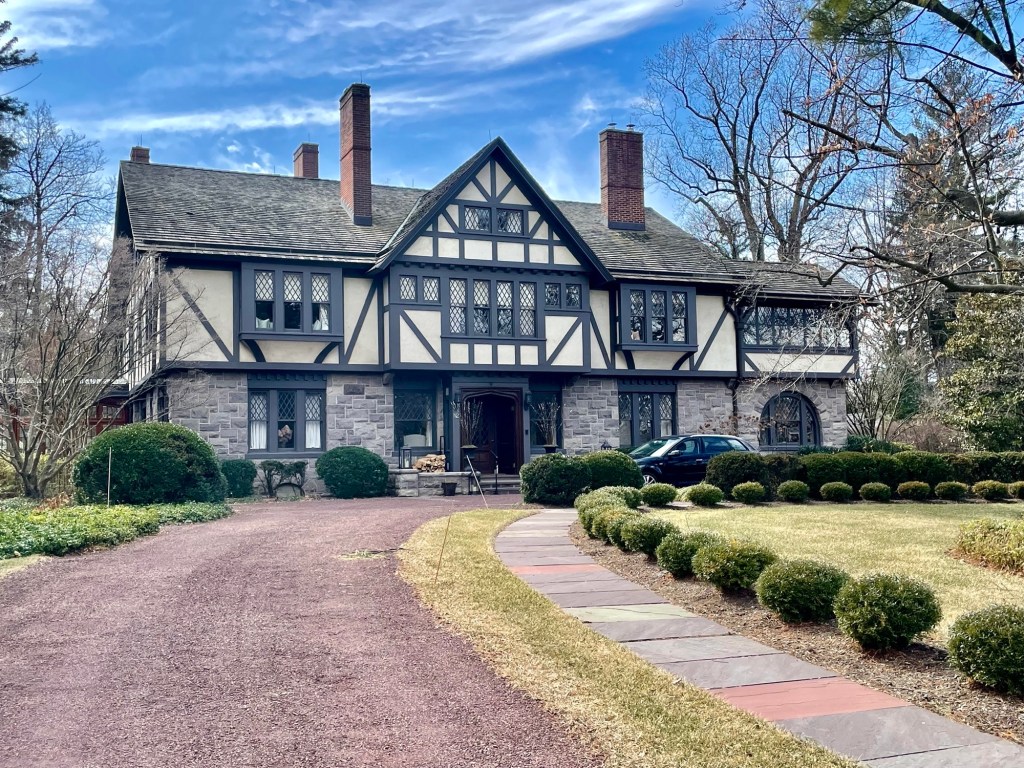
Library Place is a street where all the fancy houses are with many of them belonging to celebrities or have had a famous person live there. It’s a lovely quiet street to walk down and gawk at all the beautiful houses. 82 Library Place was the former home of President Woodrow Wilson. This man was super racist even for his time, but his house was damn beautiful. There were a few other famous houses on this street, but this was the only one I could remember 😂.

Woodrow Wilson’s house

On Boudinot Street sits Peter Benchley’s former home, the author of Jaws. It sold for 2.5 million in 2012.

Benchley Home

Morven Museum & Garden on Stockton Street was the home Richard Stockton, a signer of the Declaration of Independence. This home is now a museum and garden.

Morven

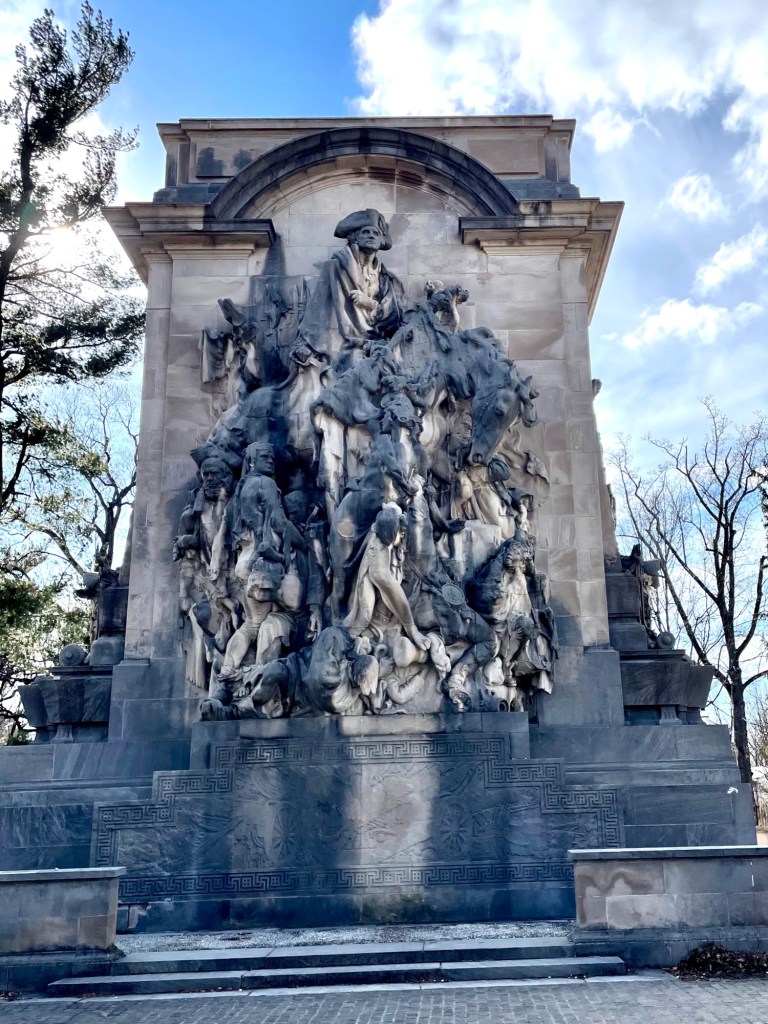
This park is just outside of town. It’s a big field with a monument and is the site where the Battle of Princeton was fought. Unfortunately we didn’t have time to stop here.

Address: 80 Sculptors Way, Hamilton Township, NJ 08619
Cost: $25 per adult

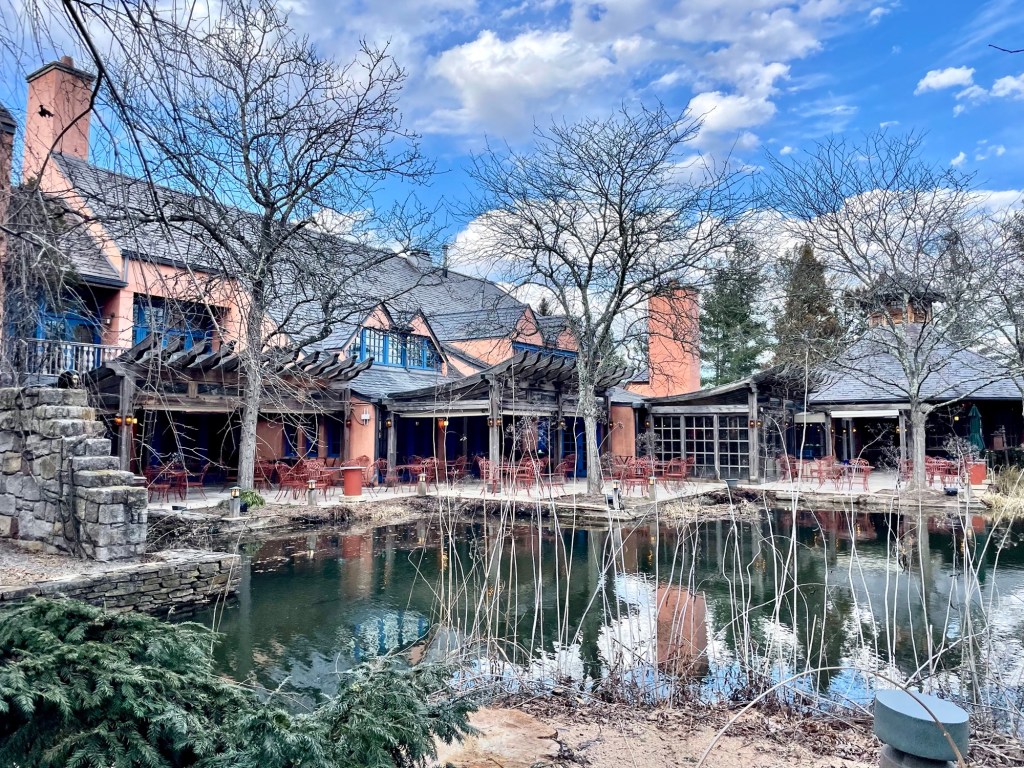
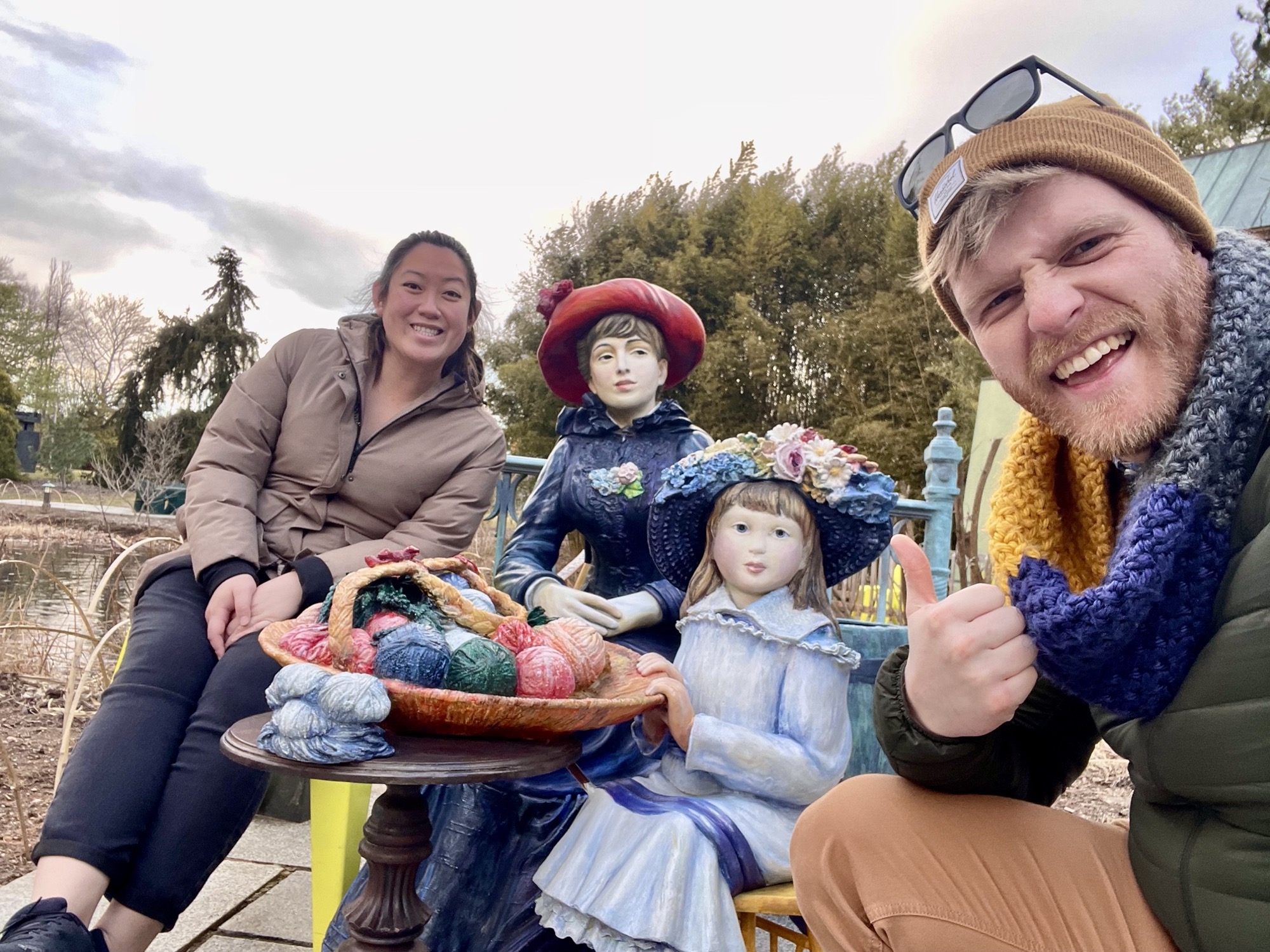
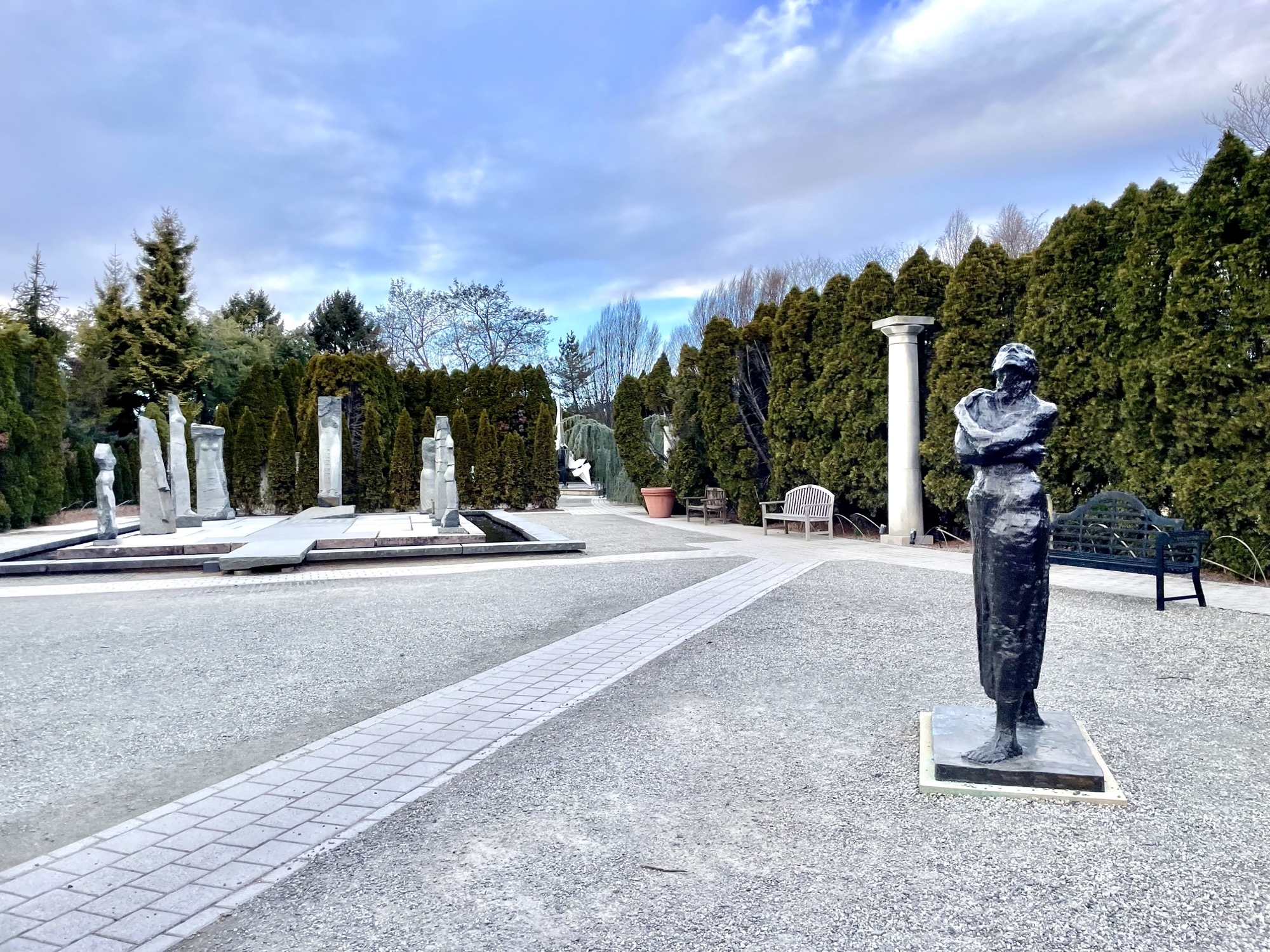
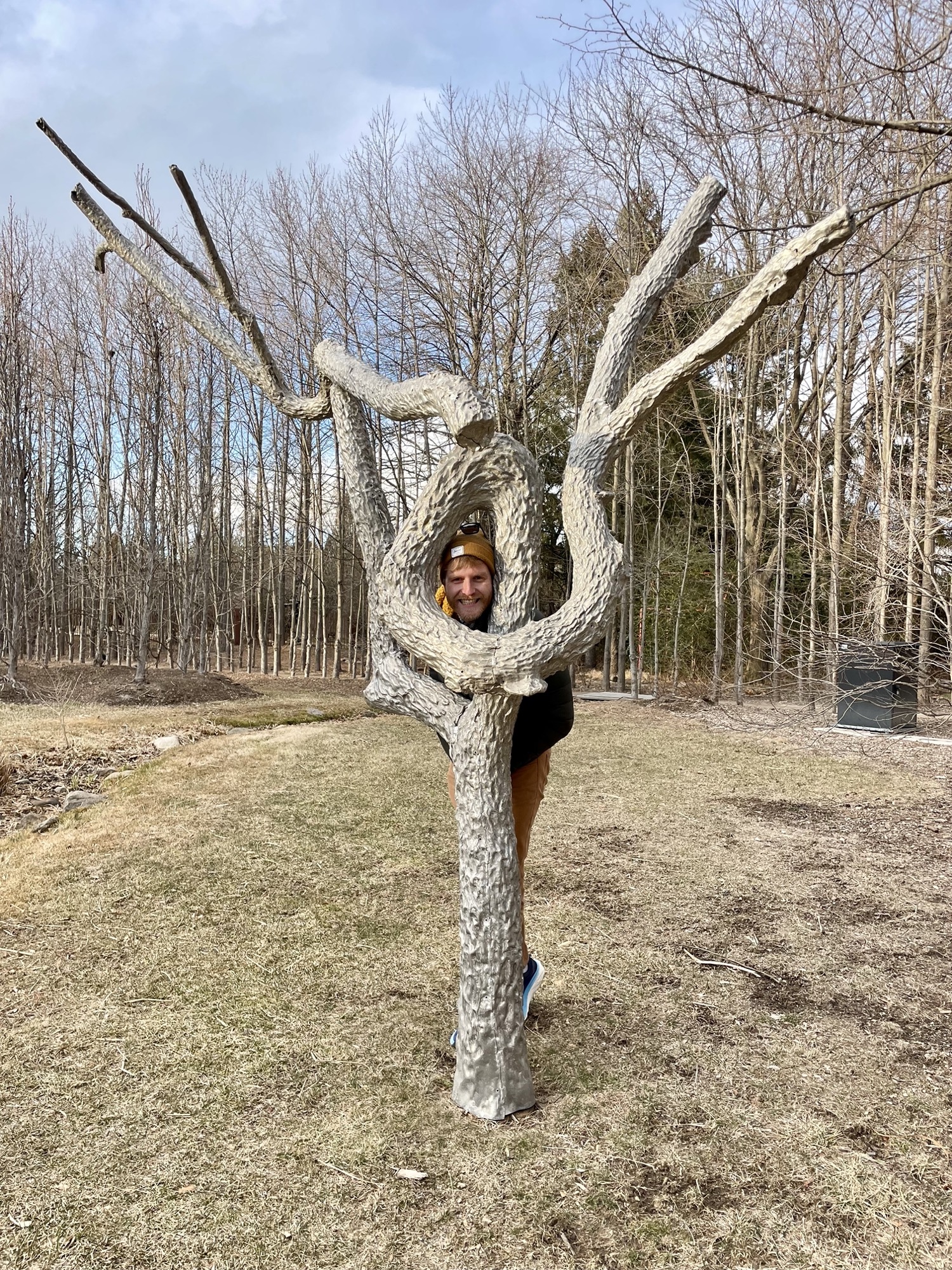
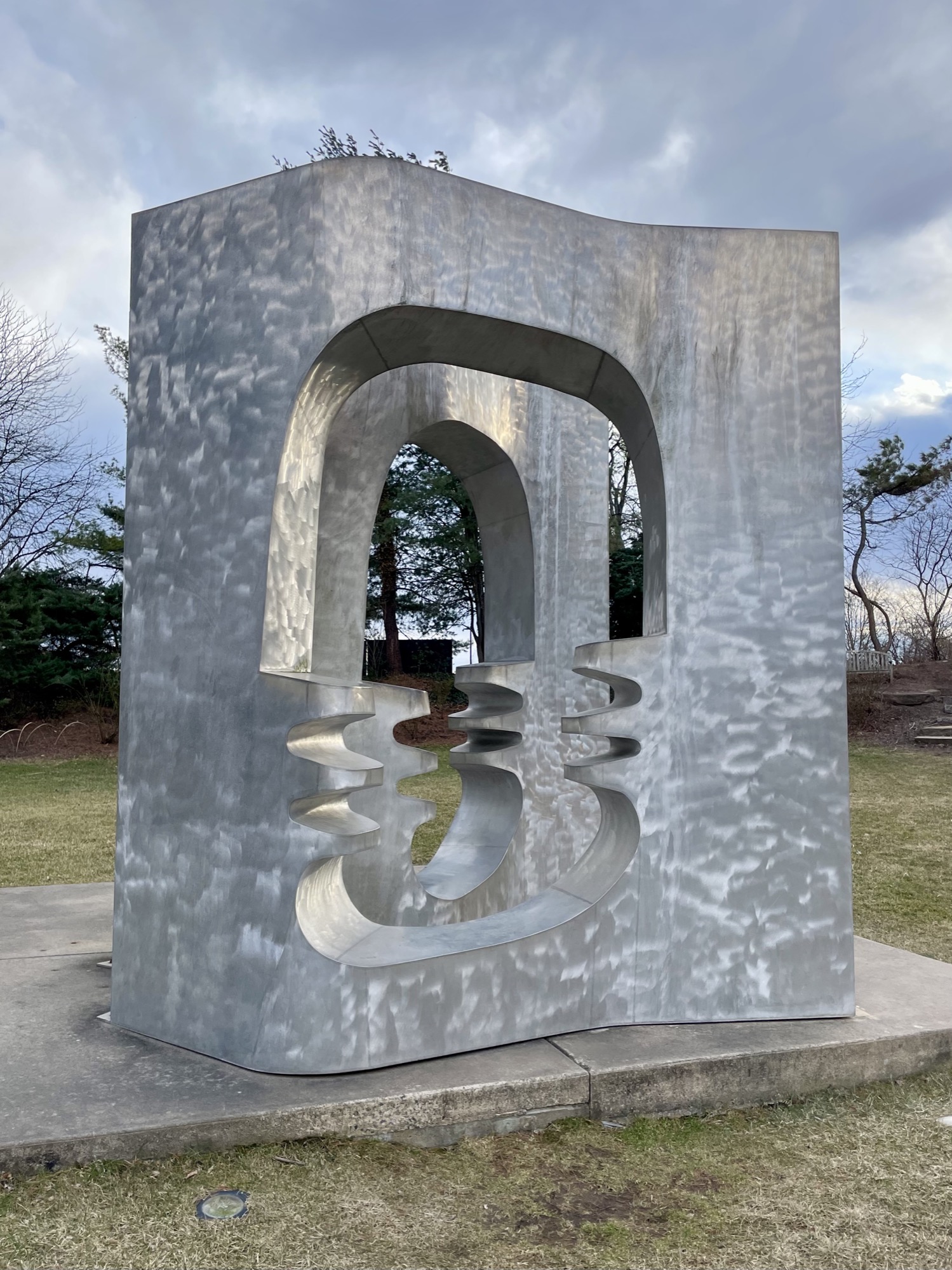
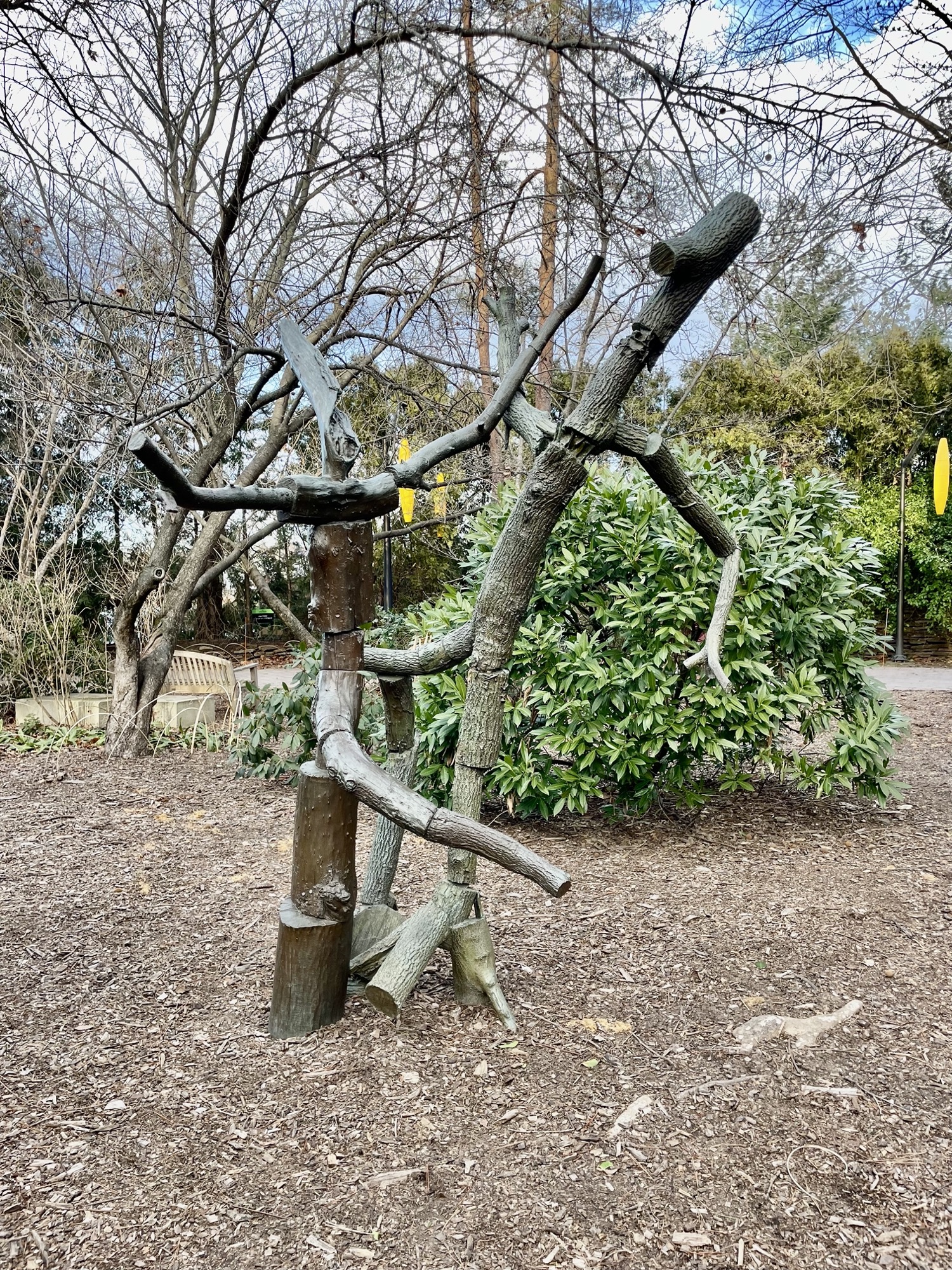
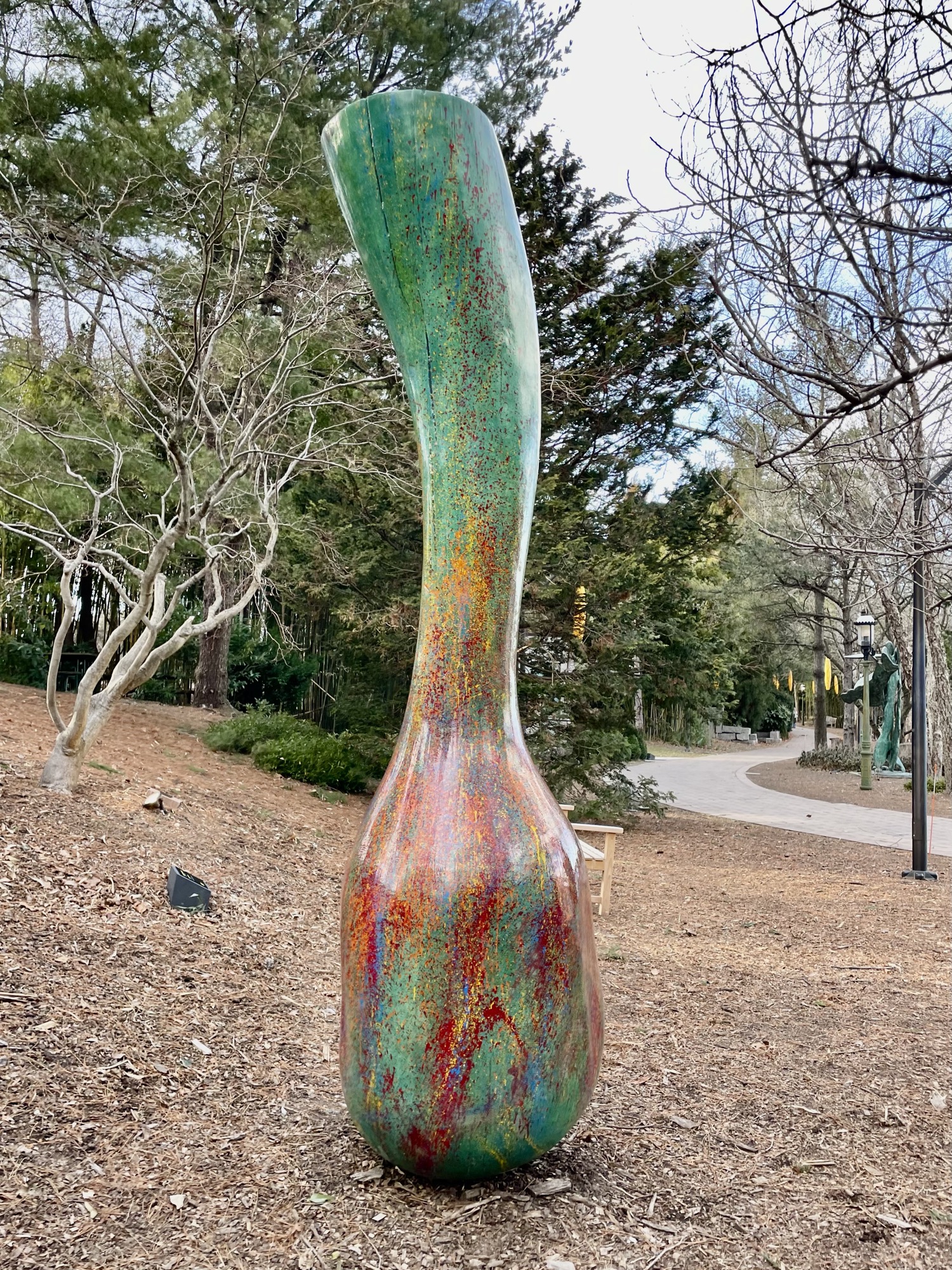
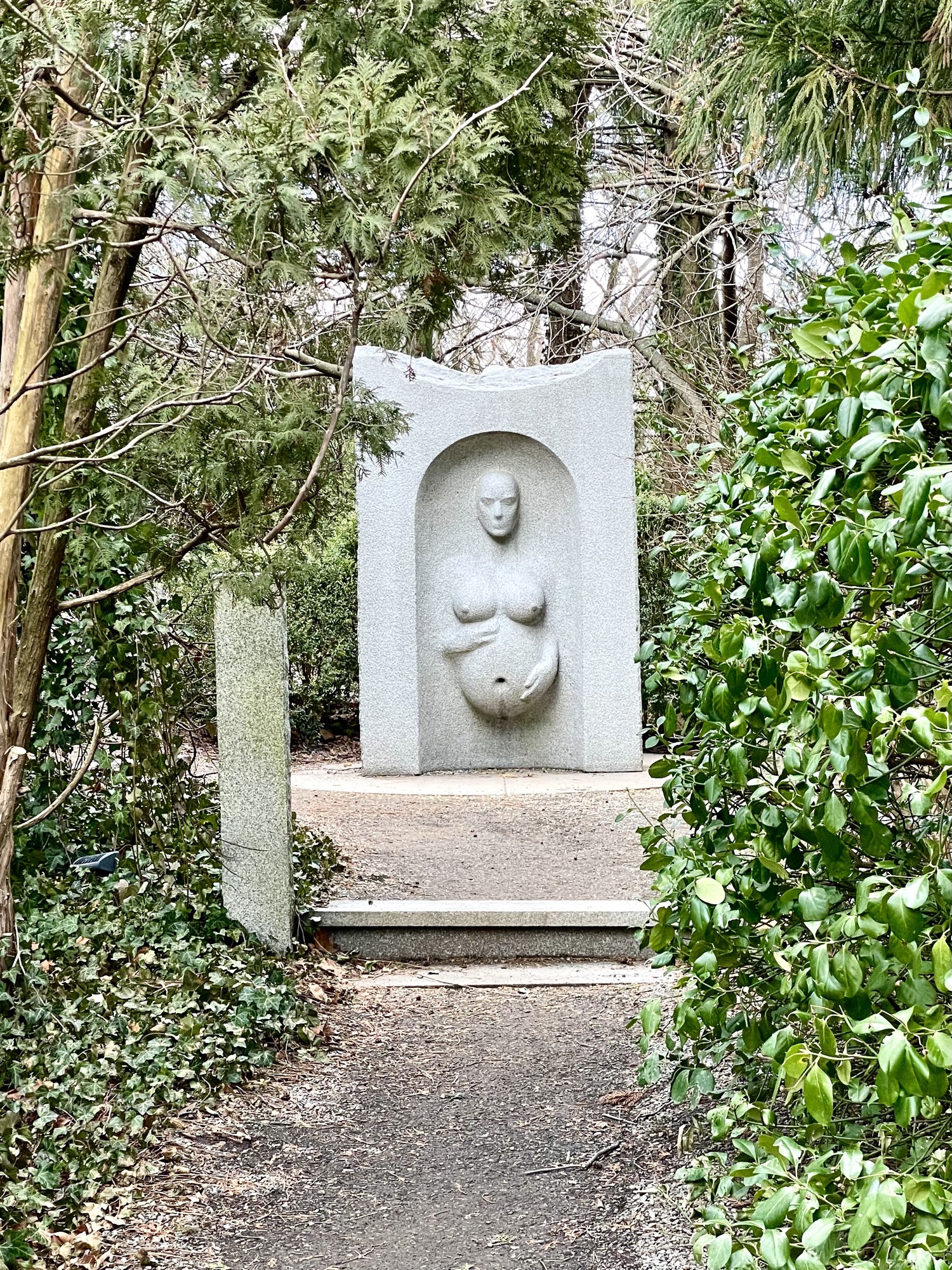
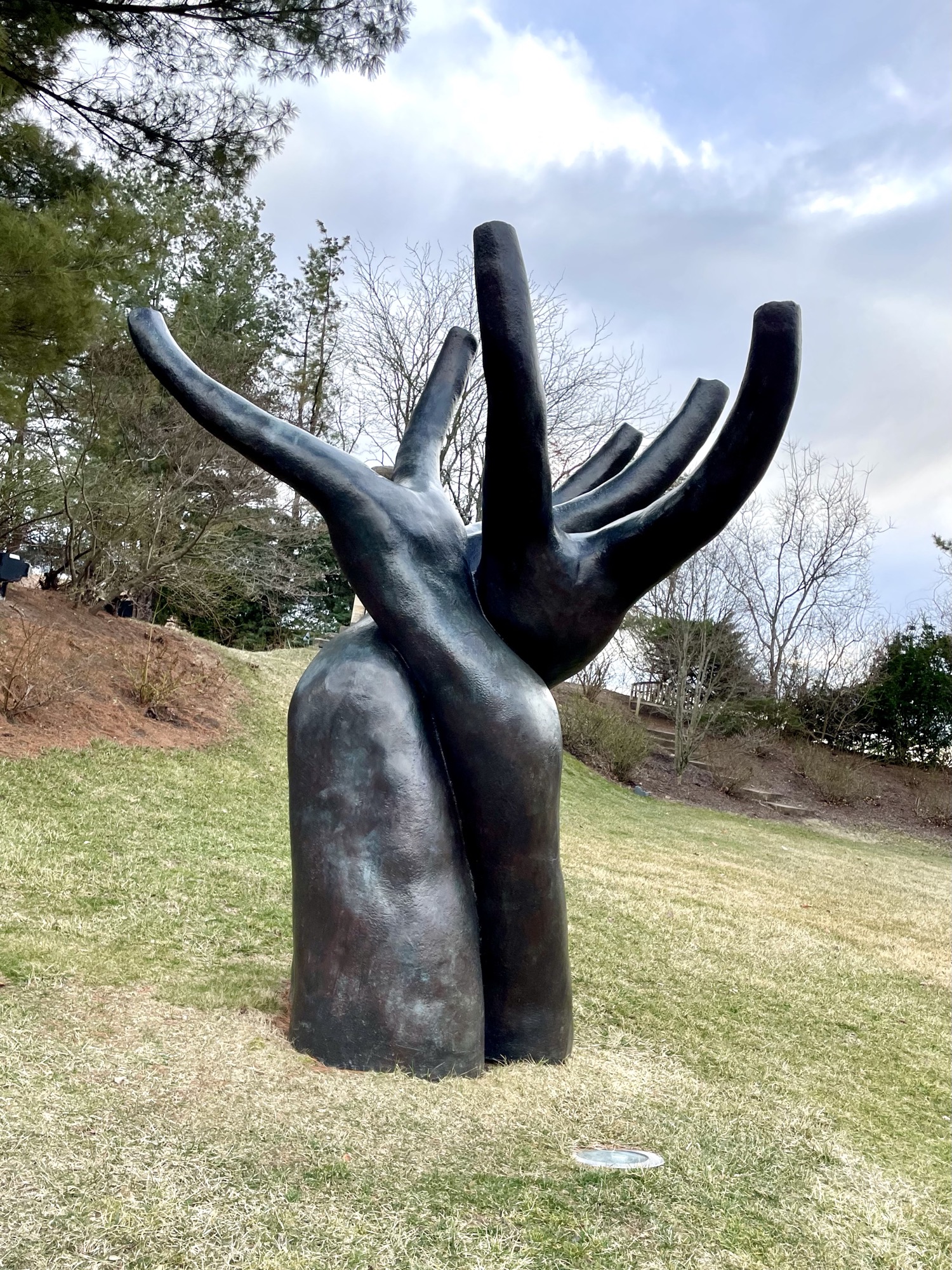
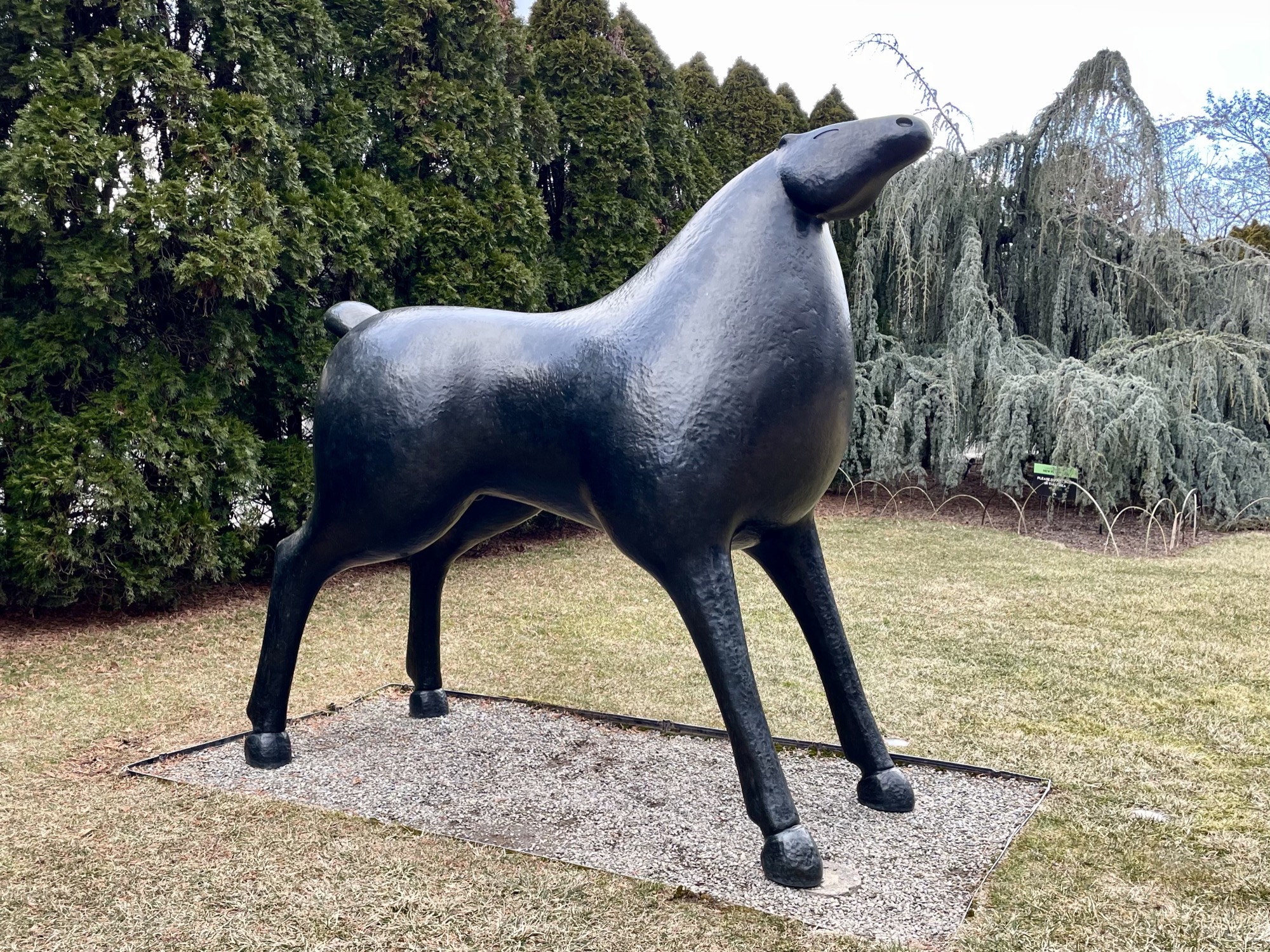
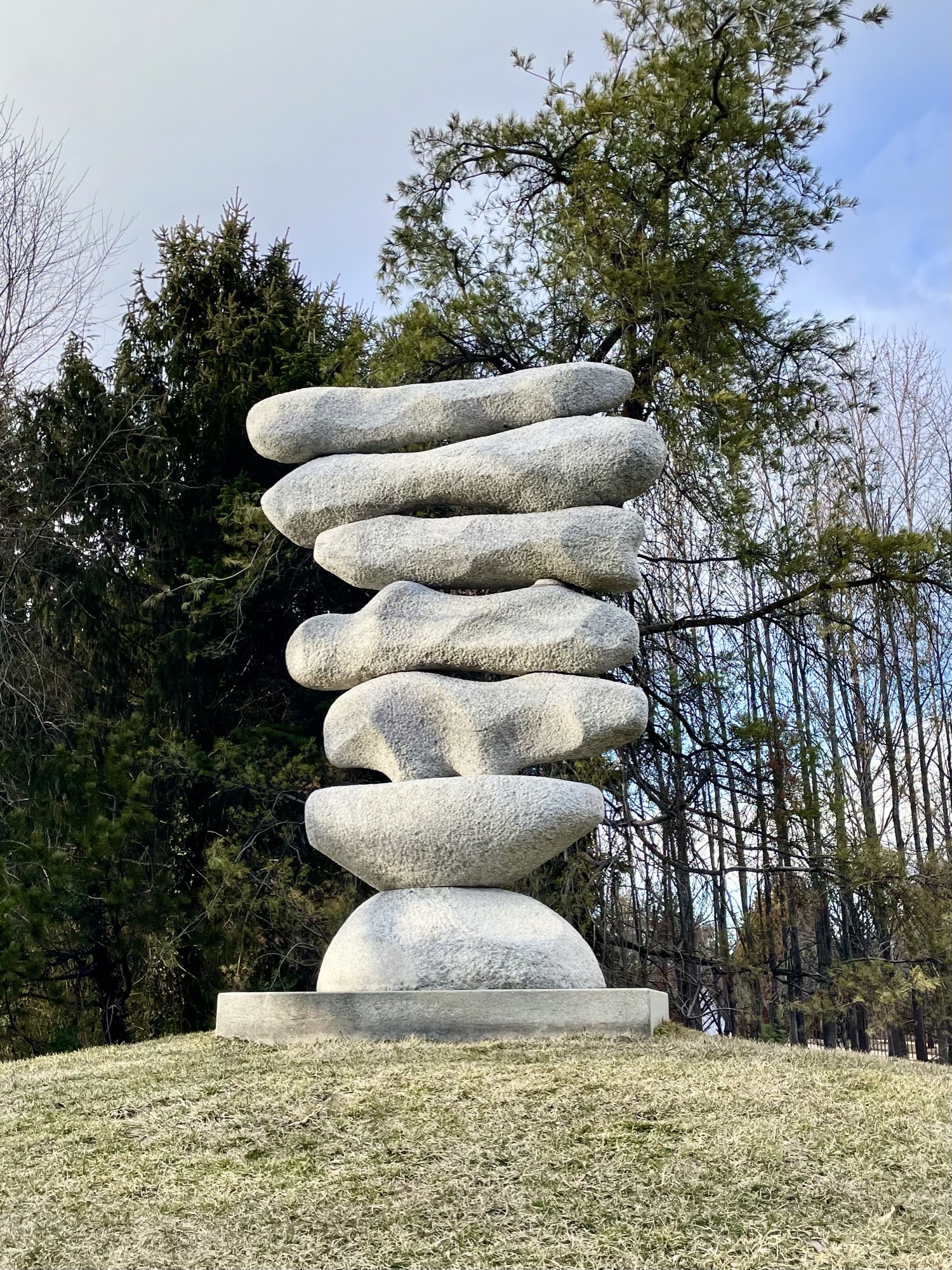
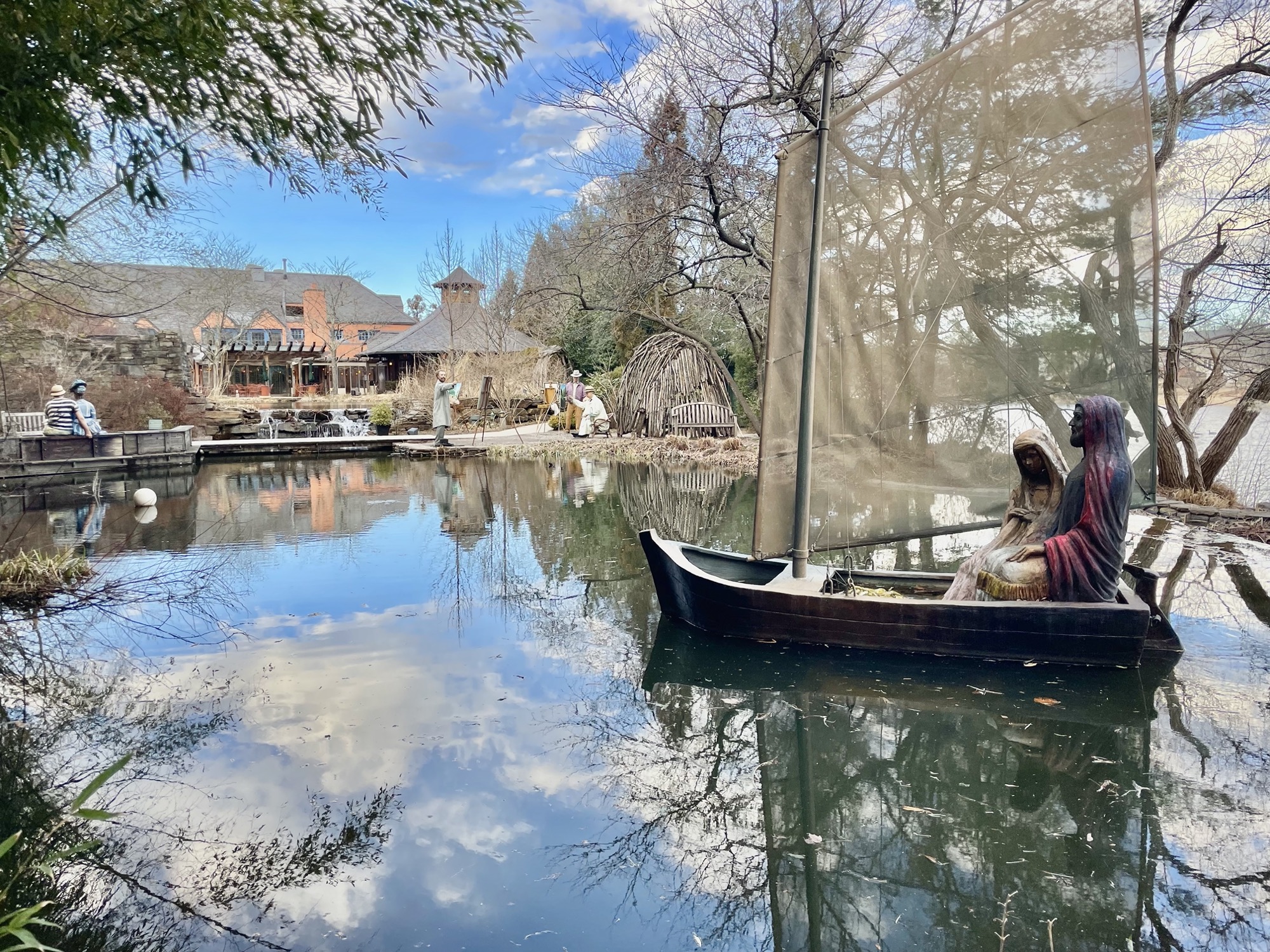
A 15 minute drive from Princeton is Grounds for Sculpture. It is a massive outdoor area with multiple small trails that lead to random sculptures. It’s a pretty cool place with some nice scenery along the water and amongst the tress. Toby and I aren’t big sculpture people but we found some that were pretty neat. There’s a restaurant here called Rat’s Restaurant that has good reviews – we didn’t have time to go, but it looked like a cool place to hang out by the water. It took us about 1 hour to walk through it all, but some people recommend spending at least 2-3 hours, especially if you plan to go to the cafe (reservations recommended).

Trenton is New Jersey’s capital city. We’ve made it our goal to try and hit as many capital cities as we can, even if they’re not that popular. Trenton is only a short 20 minute drive away from Princeton so we figured we’d check it out. The downtown area looked decent with tree-lined streets and nice shop front buildings, but on closer look many of them looked suspicious or run down and none of them were any I’ve ever heard of and many were vacant. There were also many questionable characters around town. I’ve read that there are some nice museums and restaurants in the area, but the few streets we drove down didn’t make us want to get out of the car.

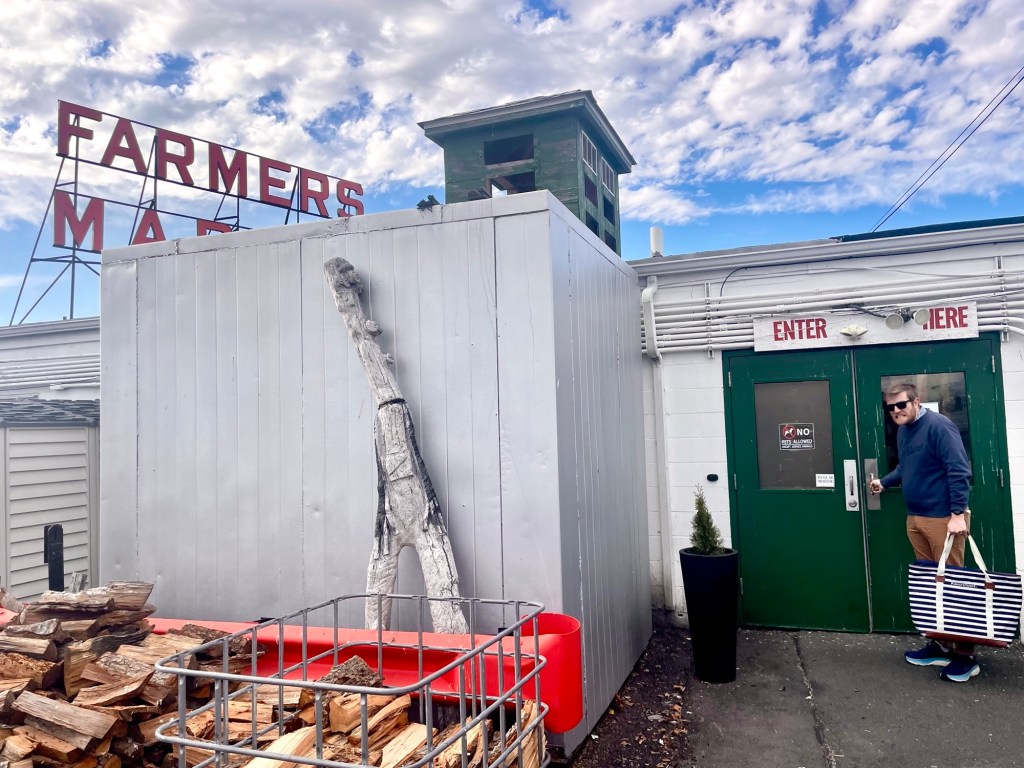
Trenton Farmer’s Market: I love a good farmer’s market, so we headed to the Trenton Farmer’s Market that was only a few minutes away. The outside did not look nice at all. Unfortunately the inside wasn’t much of an improvement either. The market barely had any produce (perhaps we were in the wrong season) and the produce they did have did not look great and some were more expensive than prices in Manhattan! The shops were kinda junky, with old “antiques”, some handmade items, and a few homemade jam stalls. It took us 10 mins to walk through it all. Although I will say, there were a couple of decent looking meat, sausage and cheese shops, but that was it.