Everything You Need to Know to Witness the Incredible Horseshoe Crab Migration


Date Published: Nov. 12th, 2025 | Last Updated: Nov. 12th, 2025
Author: Abby | Category: Travel, USA
Date of travel: June 9-10, 2025

Being veterinarians, Toby and I get super excited about nature and different species of wildlife so of course when I found out about the horseshoe migration in Delaware, we just had to go! Toby had actually never seen a horseshoe crab in person before until last year at the New Jersey Science Centre and it blew his mind (they don’t have them in Australia)! The chance to see thousands of them in their natural habitat was something we just couldn’t pass up.

Horseshoe crabs are an amazing ancient species with fossils dating as far back as 445 million years – predating the dinosaurs! Despite the name, these incredible “living fossils” aren’t actually related to crabs at all! They’re related to the extinct trilobites and more closer related to spiders. They have fascinating anatomy and look unlike anything else on this planet – they kind of remind me of a Pokémon 😅.

When we were planning for our Delaware trip, there was surprisingly very limited information available on seeing the horseshoe crab migration. I thought this would’ve been a big tourist attraction for this amazing once a year event, but apparently not! After scouring the internet, I managed to piece together enough information for our trip and I’m sharing it here with you all!

If you want to learn more about horseshoe crabs, I found this website very helpful and informative in our research and education on the horseshoe crab, I highly recommend checking it out: https://horseshoecrab.org/

What is the Horseshoe Crab Migration?

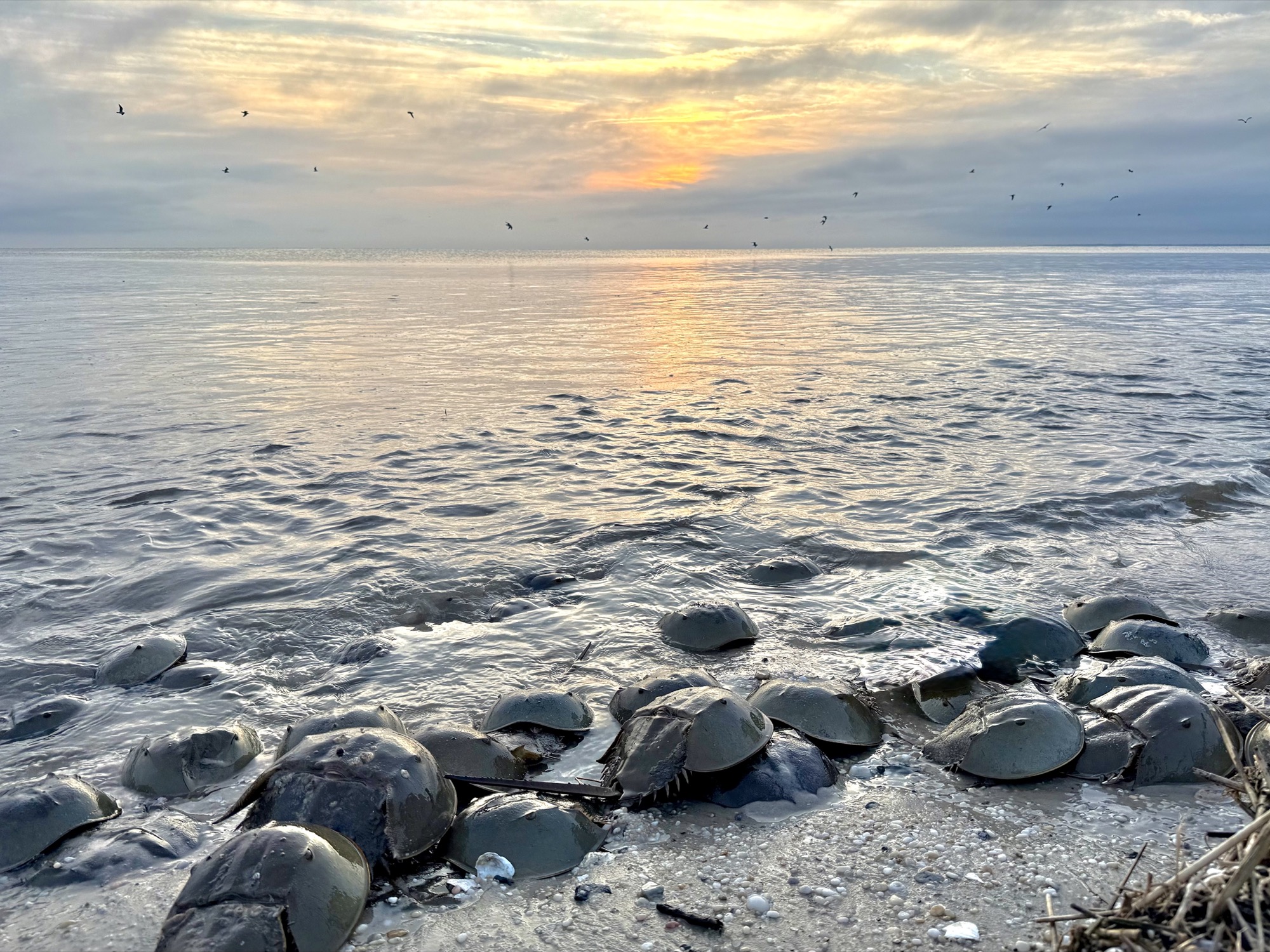
Once a year, millions of horseshoe crabs make the journey from their natural habitat in the deeper ocean to the shallow coastal areas to spawn. This is one of the world’s oldest and largest wildlife migrations – it’s like witnessing a Planet Earth special in real life!

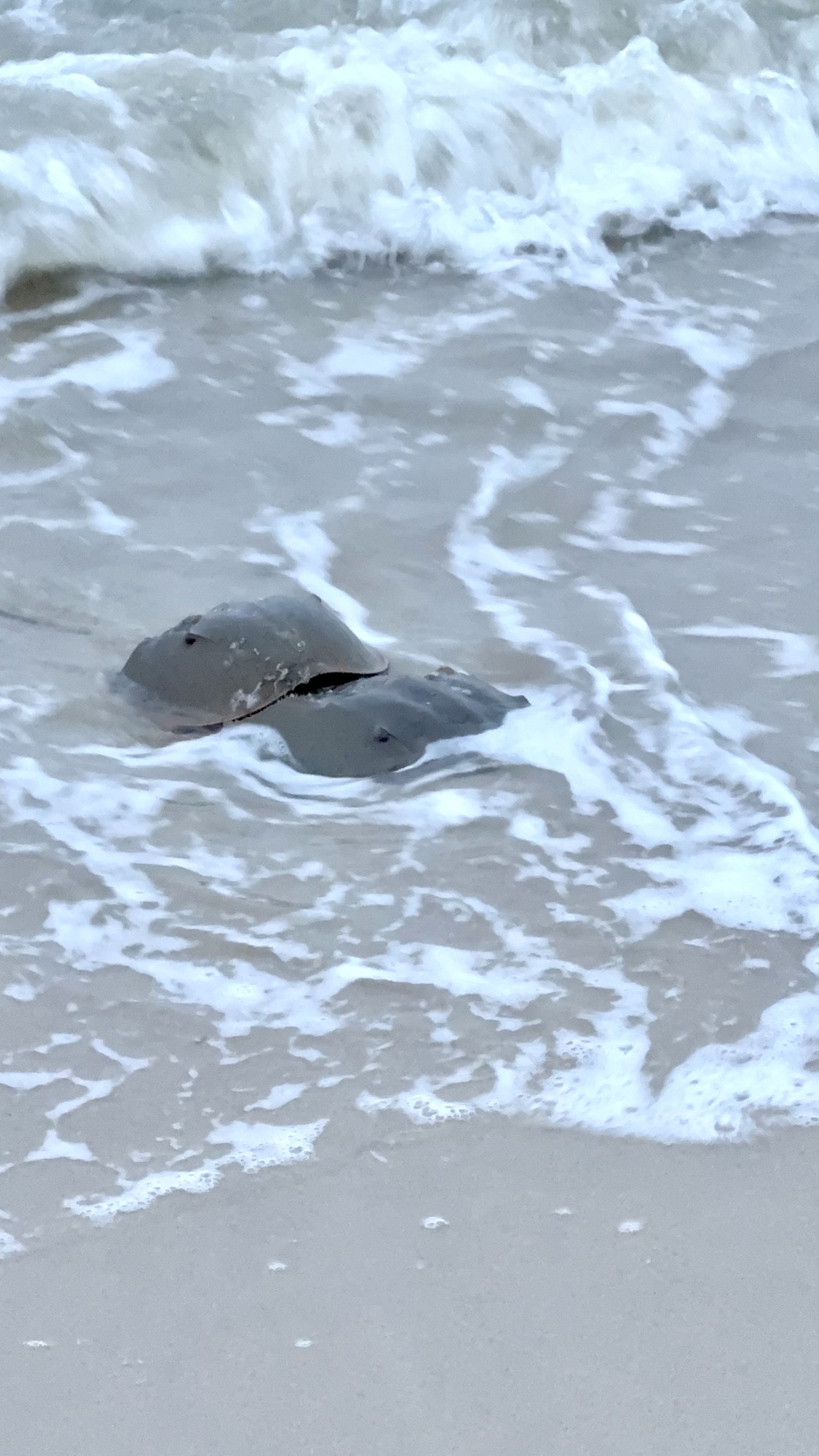
During spawning, the egg-laden females emit pheromones to attract the males and a single male will attach to the back of the female with special clasps. Once attached the pair will make the journey to the shore (pretty much a free piggy-back ride for the male who is usually much smaller in size than the female) where the female will deposit her eggs in the sand and the male will externally fertilize the eggs at the same time she deposits them. Although there can only be one male that attaches, often there are “satellite males” that huddle around one female in hopes of also fertilizing the eggs.

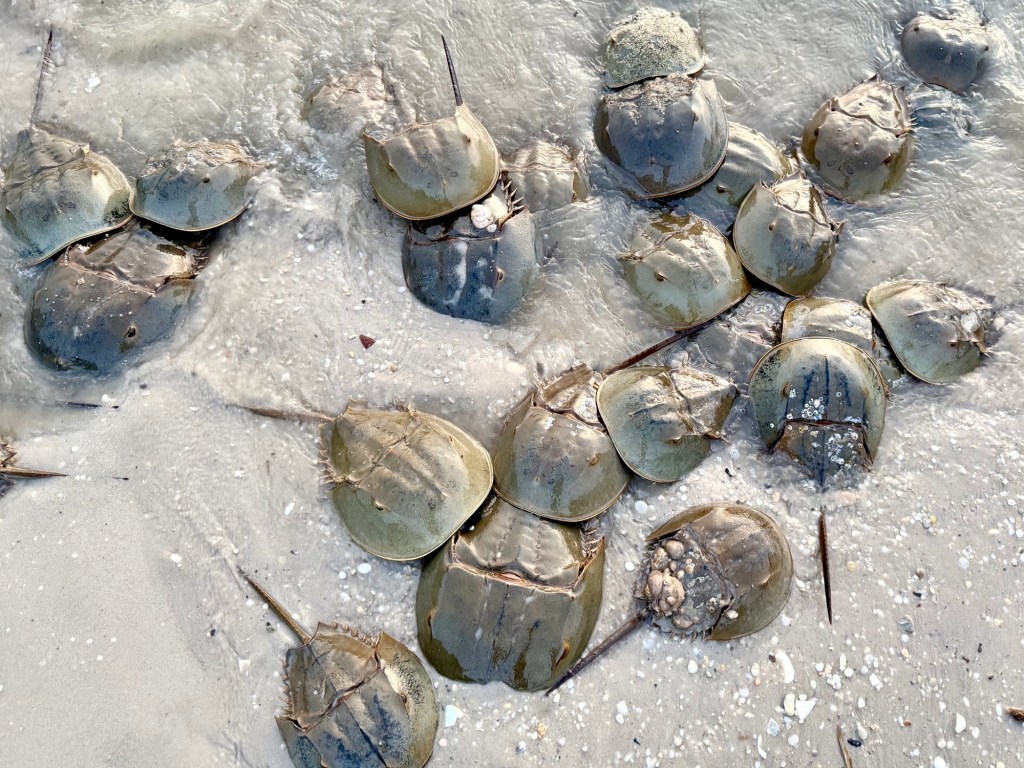
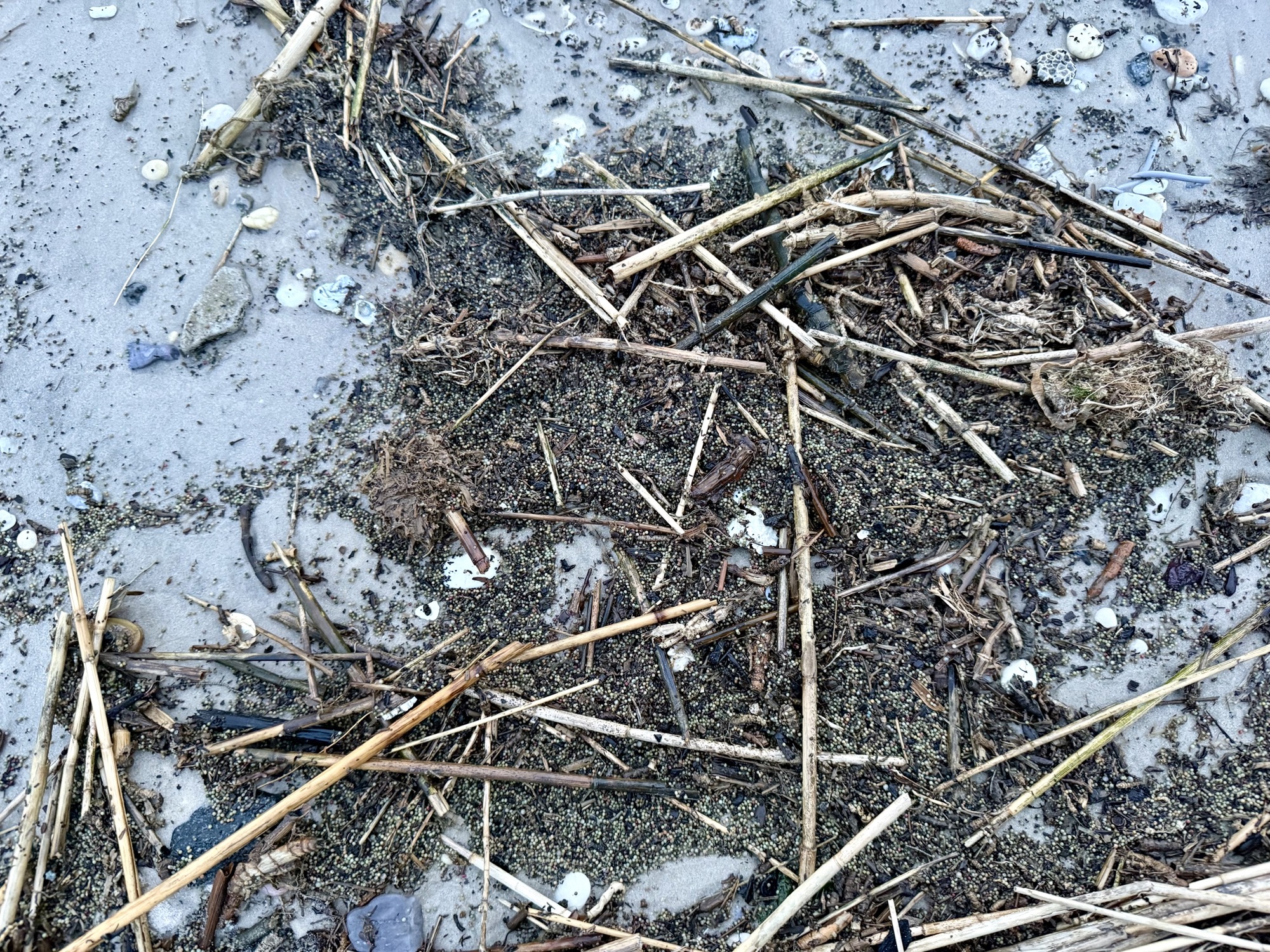
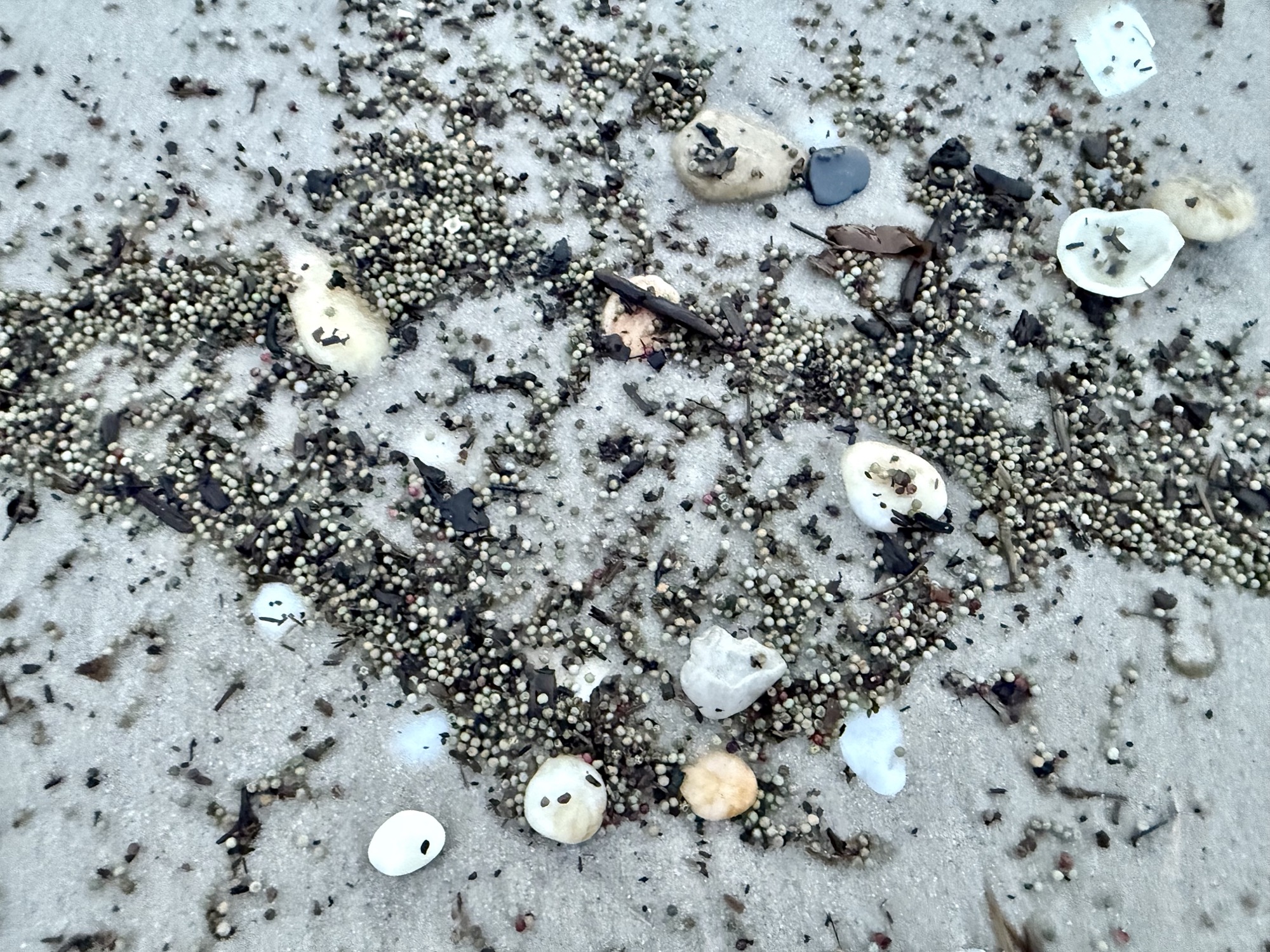
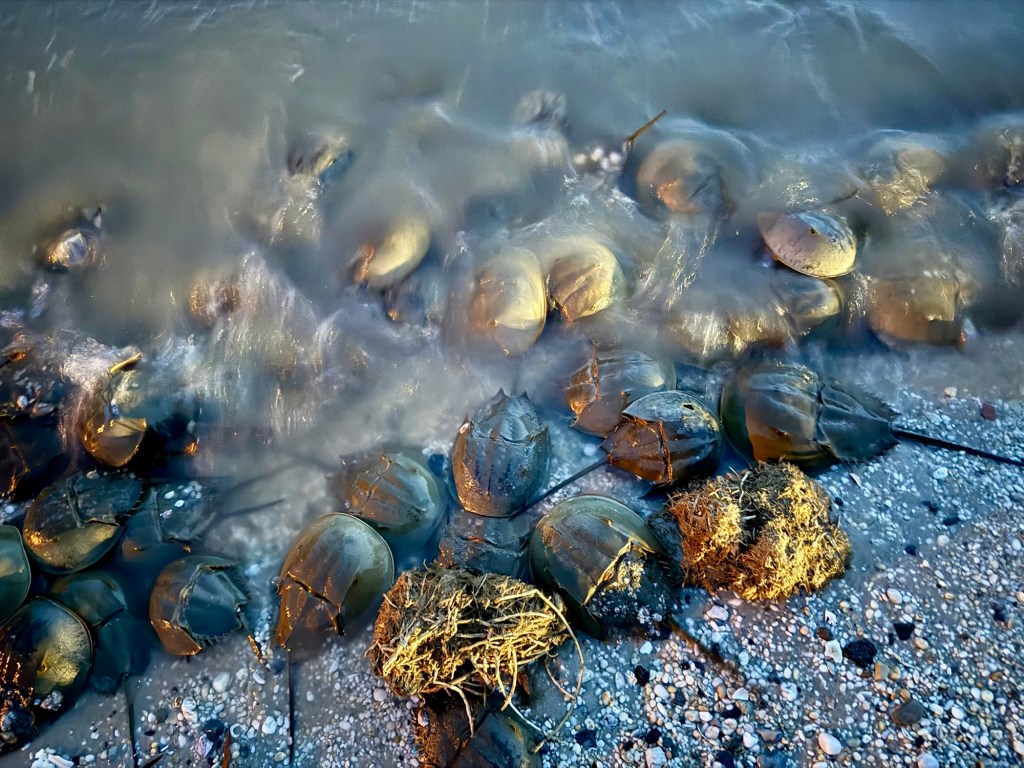
Incredibly, one female can lay 80,000 eggs in one season!!! 🤯🤯🤯 You’ll see millions of little tiny dark green eggs on the shore during the migration. These eggs provide a nutritious source for migratory birds, so you’ll also see tons of signs for migrating birds in the area at the same time.
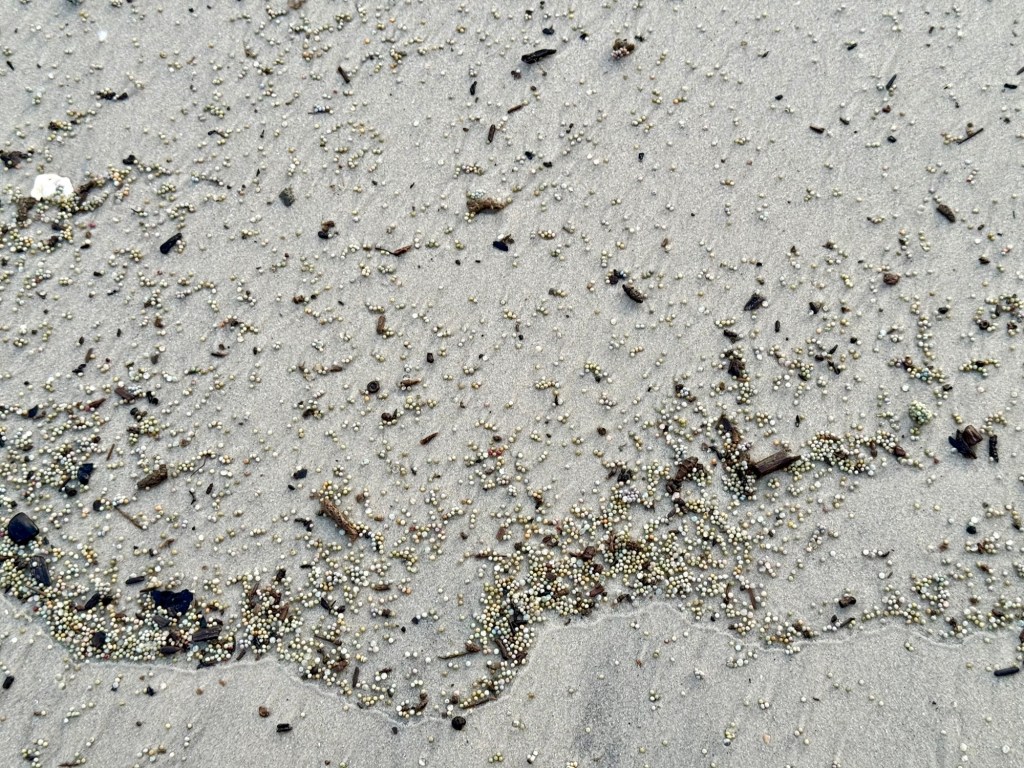
Look at all the eggs getting washed around the shore! 🤯

Where to see the Horseshoe Crab Migration?
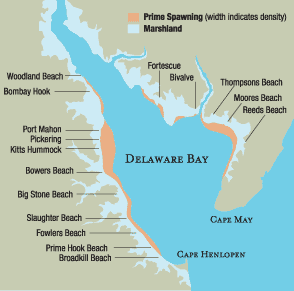
Map of spawning habitats of the Horseshoe Crabs (https://www.horseshoecrab.org/nh/habitat.html)

The Delaware Bay is the most popular place to see the horseshoe crab migration due to its location and protection from large ocean waves as well as sandy beaches. The states of Delaware and New Jersey surrounds the Delaware Bay so you should be be able to see them on either the Delaware side or the New Jersey side. Luckily there is a ferry that connects Lewes/Cape Henlopen and Cape May so you can check out both sides if you have the time (trip takes 1.5 hours one-way)! We had better luck on the New Jersey side this year but we were also two days away from the full moon on the Delaware side and only one day away from the full moon on the Jersey.

Selection of the perfect spawning site can depend on a number of factors including how coarse or fine the sand is, how quickly the sand drains, sediment of the beach…etc. The most preferred sites are usually next to large intertidal sand flat areas. Thankfully horseshoecrab.org provides a map of the popular spawning sites with the highest densities on their website seen above.

You can try your luck at any of these beaches, but since there’s only so much time between evening high tide and last light, you won’t be able to visit all of them to see the crabs before the sunset. Here are a few recommended beaches that I came across in my research:
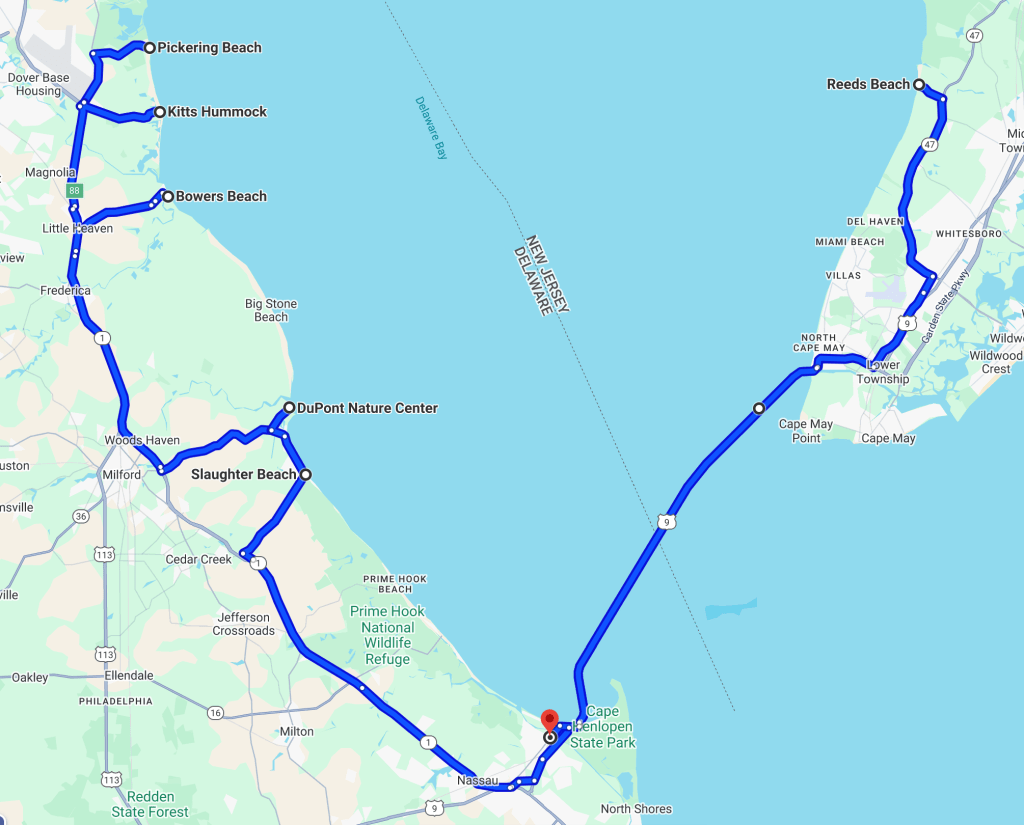
A map of the popular beaches to see the horseshoe crab migration

Pickering Beach, DE: An official horseshoe crab sanctuary with limited public parking spaces along the road near the public access to the beach. Roughly 15 minutes south of Dover.

Kitts Hummock, DE: Another official horseshoe crab sanctuary, also with limited public parking spaces along the road near the public access to the beach.

Bowers Beach, DE: A public beach within a small bay community. There’s plenty of beach parking in a public lot on South Flack Avenue a block away (type in “Bowers Beach Parking Lot” on Google Maps or 102 South Flack Avenue, Frederica).

DuPont Nature Center, DE (2992 Lighthouse Road, Milford): This is NOT a place to see horseshoe crabs in their nature, but instead it is an education centre with interactive exhibits if you want to learn more about the horseshoe crabs!

Slaughter Beach (354 State Road 15, Milford): One of the most popular hotspots, has plenty of parking.

Reeds Beach, Middle Township, NJ: One of the more popular spots on the New Jersey Side to see the migration due to its closer vicinity to Cape May.

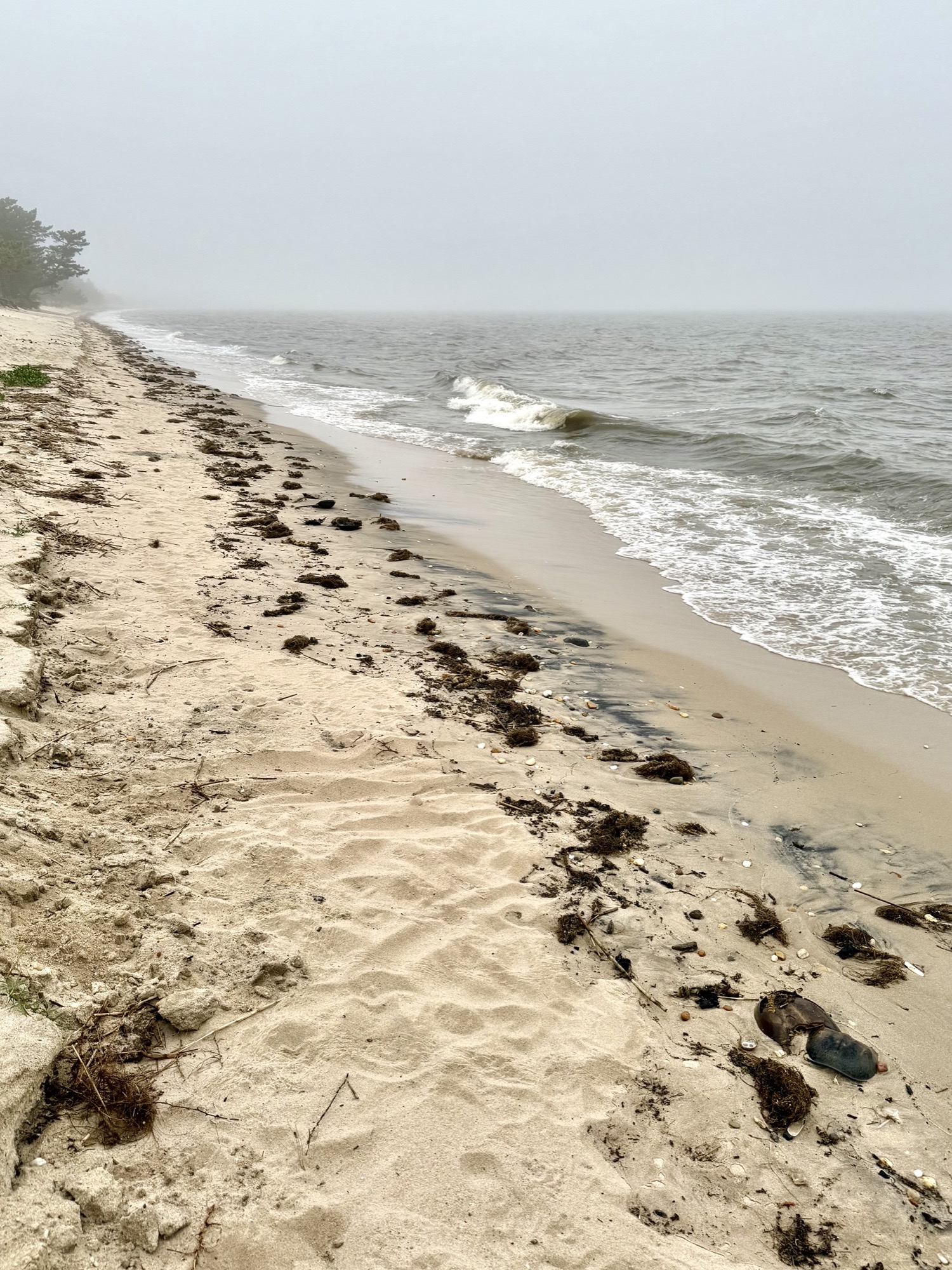
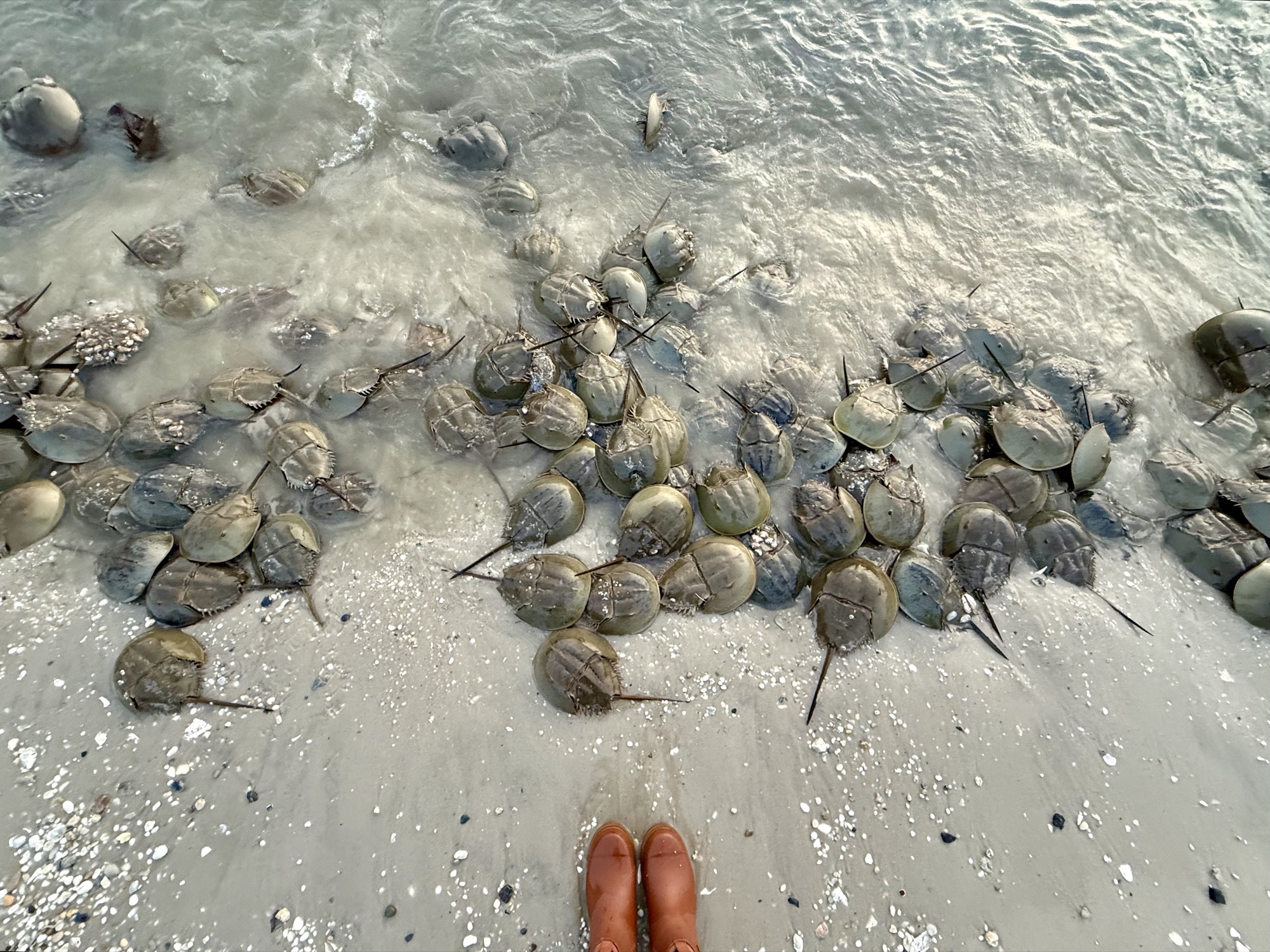
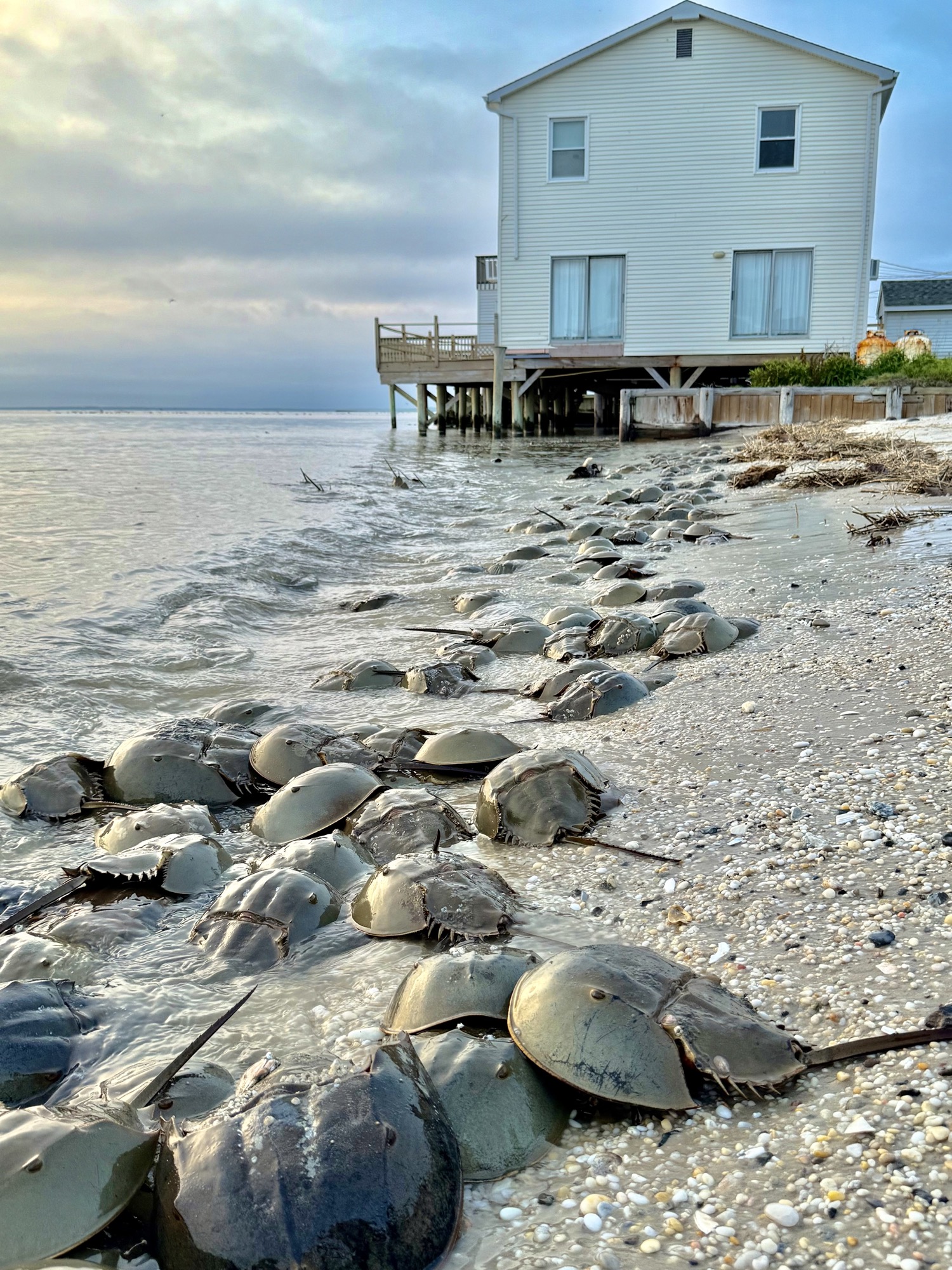
Our actual experience: Due to timing and our travel itinerary, we chose Slaughter Beach as our beach of choice to see the migration. Even though we went at the perfect time of day, unfortunately being that it was the end of the season and we were still 2 days out from the full moon, we only saw one mating pair. I was really disappointed after all of the effort we took to plan our trip around the migration. Luckily we had already planned to take the ferry to Cape May the next day to continue our road trip, and decided last minute to try our luck on the New Jersey side at Reeds Beach. On our way to Reeds Beach, there was a small tiny beach between a few houses on the side of the road that had TONS of horseshoe crabs!! I was ecstatic! After spending a good half an hour or so here, we headed up to Reeds Beach which surprisingly, although was a MUCH bigger beach, the number of horseshoe crabs here were a lot less (but definitely more migratory birds), so we went back to the original tiny beach 2 minutes away. My take on this experience is that if you don’t see many crabs, try driving around the area along the waters to see if there’s a pocket of beach with more crabs! (But also more importantly, try to go on a full moon or new moon unlike us to increase your chances at seeing them.)

Here are some photos of our experience at Slaughter Beach (Toby found a HUGE female that was unfortunately dead but super cool to see the anatomy up close):

Here are some photos of the little beach we found between some houses on our way to Reeds Beach in New Jersey:
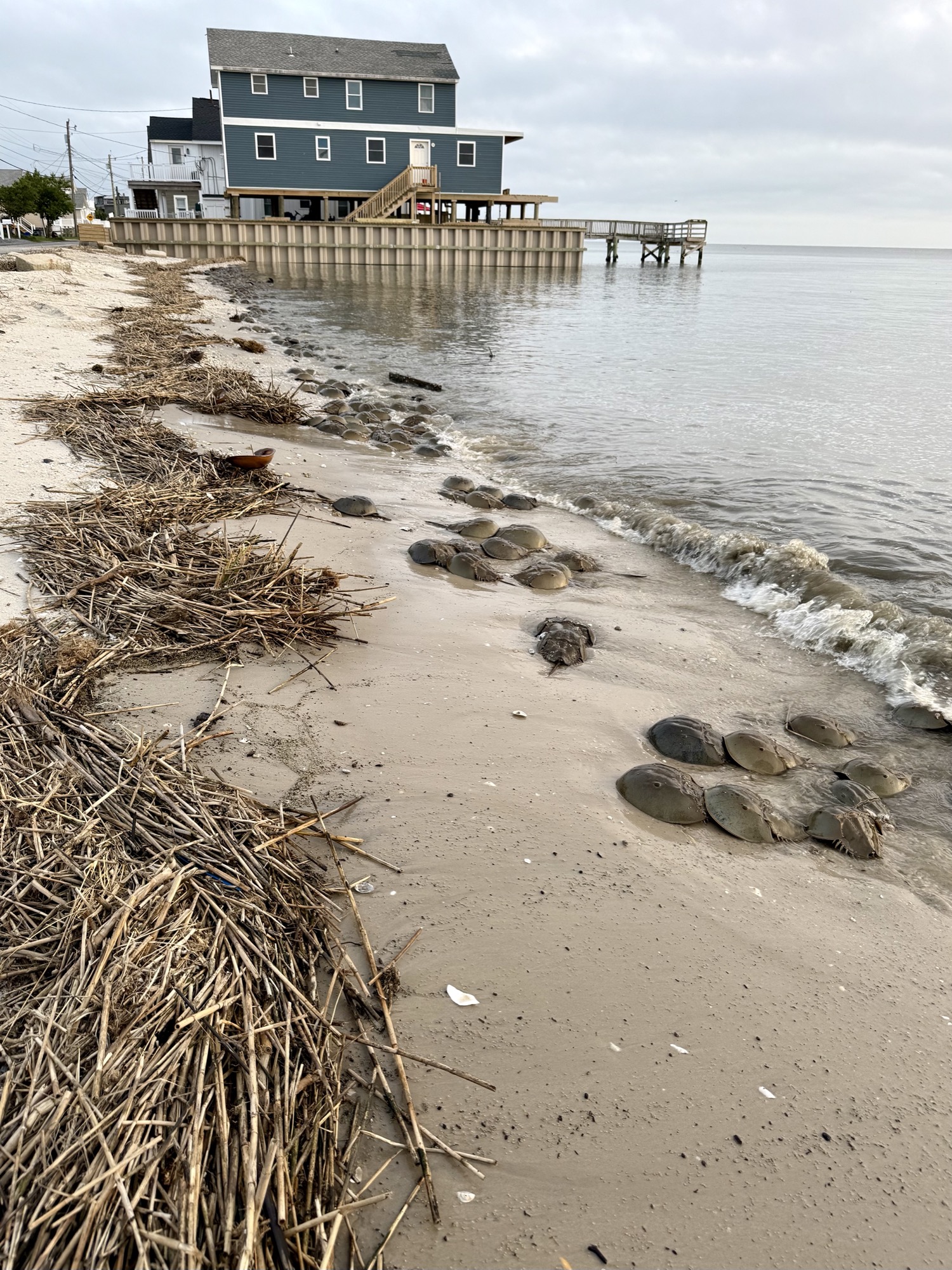
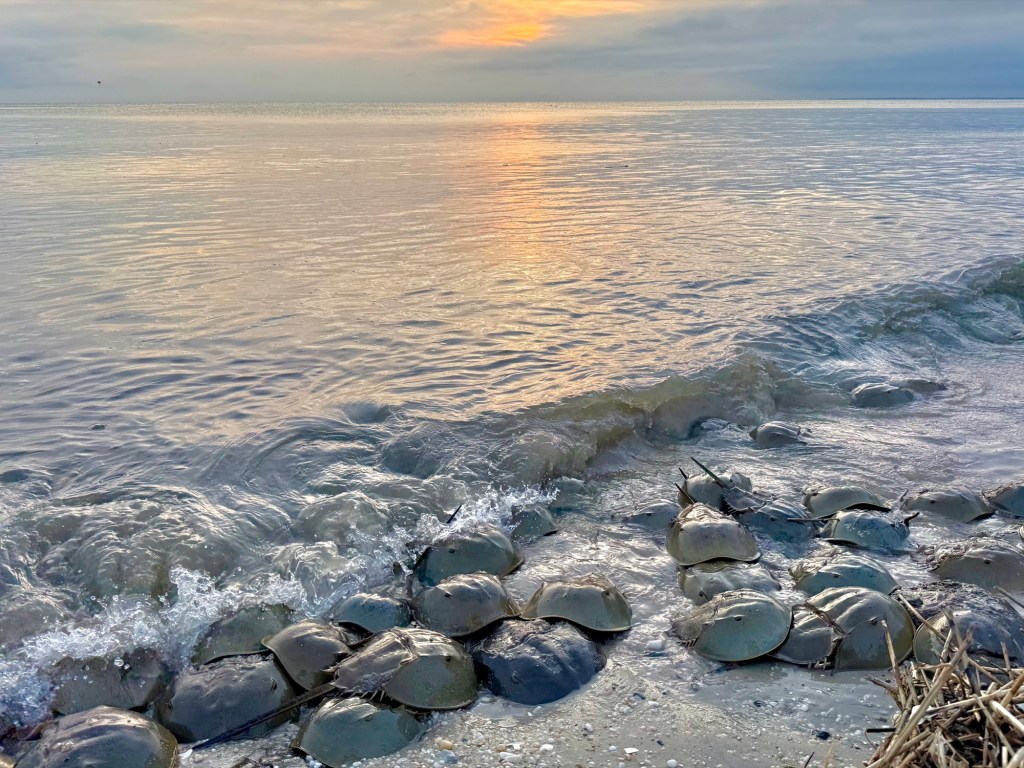
Here are some photos of Reeds Beach, NJ – not as many horseshoe crabs but TONS of eggs on the shore and migratory birds in the distance:

Timing is Crucial to Witness the Migration!

The horseshoe crab migration happens every year in the spring between the end of April to the start of June, with the peak season in mid May-June. We were late to the migration when we went on June 9th-10th 2025 and although we didn’t see as many on the Delaware side, we saw plenty on the New Jersey side (more on this later).

Peak spawning occurs on a full moon or new moon and in the evening at high tide. You want to arrive at least 30 mins before high tide (it actually lines up nicely with sunset to make it all the more magical!).

The monthly tide charts on the US Harbors website is useful when picking a date and time since it has both the moon phase and the tide times in their charts. Check it out here (I have it set to Bowers Beach, but you can always google more specific tide times depending on which beach you choose to go): https://www.usharbors.com/harbor/delaware/bowers-beach-de/tides/#monthly-tide-chart

Here is a sample of the May 2026 tide chart from the US Harbors website. In case you’re unfamiliar with reading their tide chart, I’ve circled the important areas in blue and red:

To read the chart to pick the best day:

1) First look at the Moon column on the right and determine which dates are full moon and new moon. From the chart, the full moon is on Sat May 2nd and the new moon is on Sun May 17th.

2) From those dates, find the PM high tide time of the day. From the chart, it’s 10:49pm on May 2nd and 10:38pm on May 17th (circled in red).

3) Since you want to arrive 30 minutes ahead of the high tide, your ideal time to witness the migration in May 2026 would be on either May 2nd 10:19pm or May 17th at 10:08pm. (I’m writing this post in November 2025, so double check the charts before you go to ensure this forecasted information is still accurate if you’re going in May.)

Don’t worry if you can’t make it exactly on a full moon or a new moon, we were 2 days early before a full moon and still saw tons of them on the New Jersey side, but we did have to drive up and down the coast a little to find a good spot to see them.

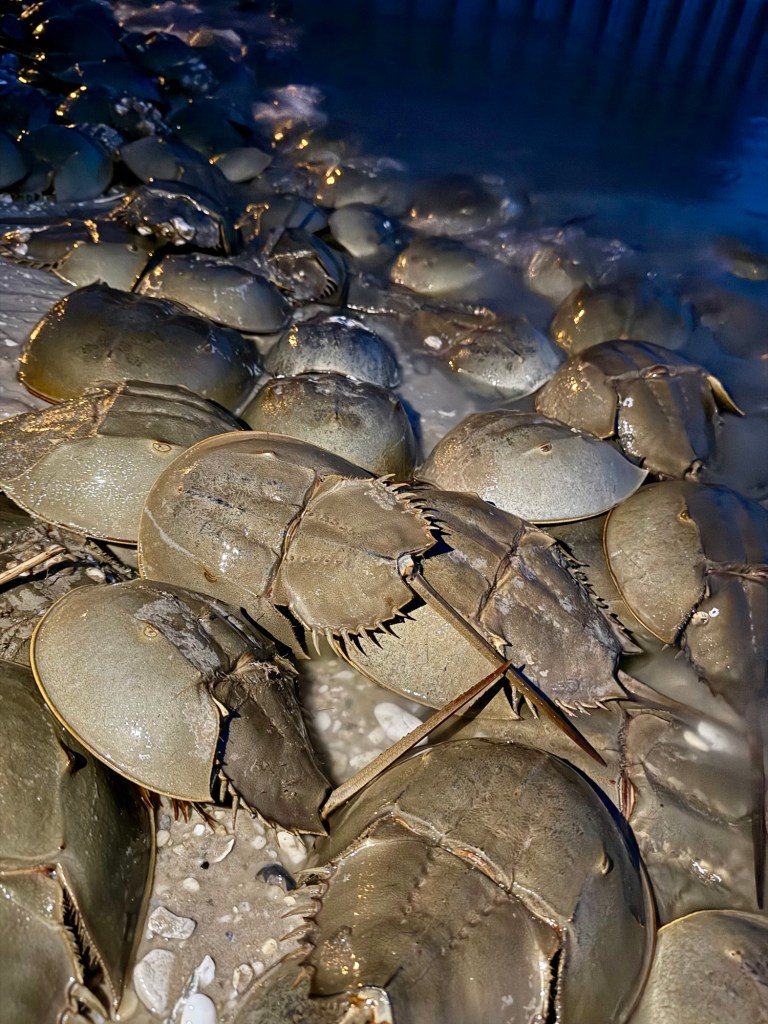
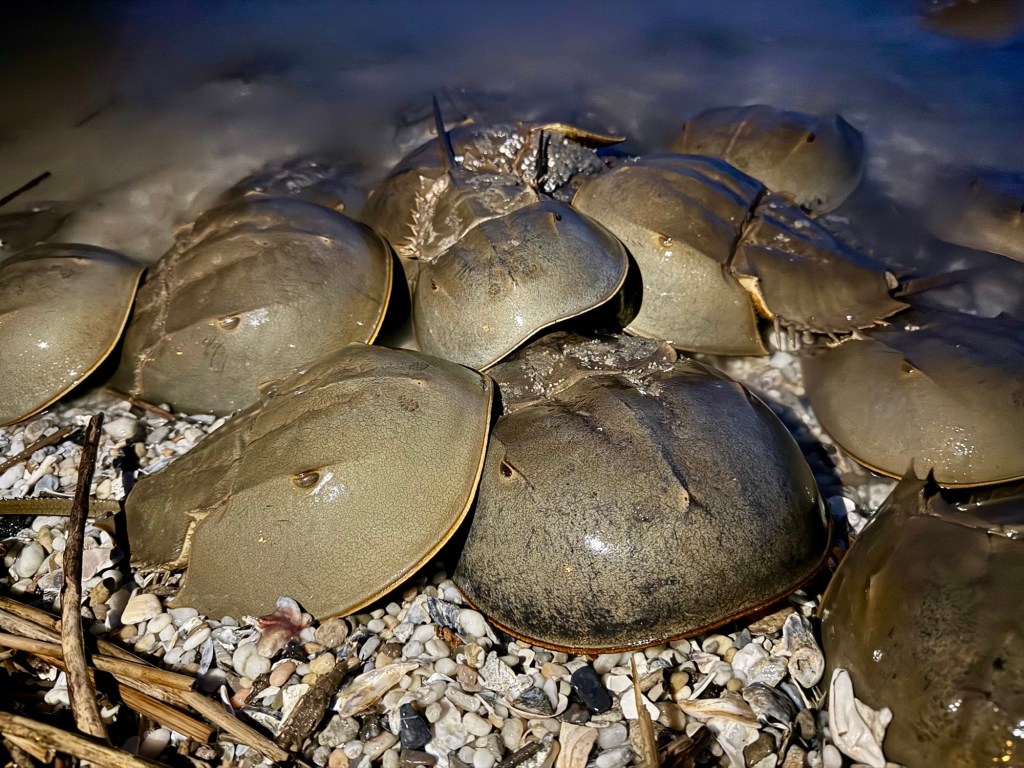
As beautiful and amazing as this event is to witness, know that once the sun goes down, the horseshoe crabs will continue to come to shore and can get to horror movie-level numbers. I still found it really cool, but realize that it may not be for everyone – one of my coworkers was not a fan of my night time migration photos at all 😂.

Here are some night time photos of the migration so you know what to expect:
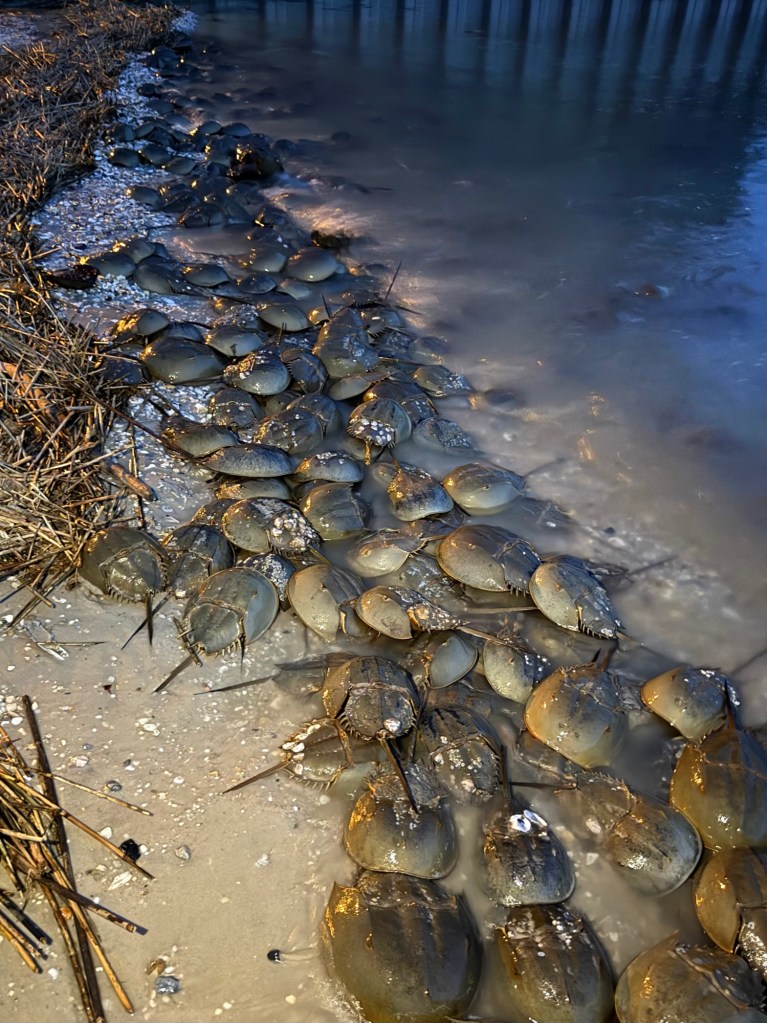
If you get all 3 things correct in terms of timing (1. season, 2. full moon or new moon, 3. evening high tide), you should be able to see hundreds if not thousands of horseshoe crabs!

If you come back to the beach early next day, you may be able to see the migratory birds feeding on the eggs!

What to Bring to See the Horseshoe Crab Migration?

  • Sturdy waterproof shoes (ie. rain boots or waterproof hiking shoes)
    • The horseshoe crabs will hang out just on the shoreline where the water and the beach meet, so if you want to get up close, waterproof shoes are recommended to avoid your shoes from getting wet.
    • Depending on the beach, there can be a lot of debris, sticks, and dead horseshoe crabs that didn’t quite make it, so a sturdy pair of shoes will be best to walk through it.
    • I’d recommend rain boots as the shoe of choice because it can smell a little fishy on the beach (after all, they are spawning), so you want to wear shoes that are easy to rinse off afterwards.
  • Bug spray or covered clothing
    • We learned this the hard way. There were so many teeny tiny flies and although I wore leggings (albeit thin), they managed to bite through and around my uncovered ankles. Although not painful, I was hella itchy for a few weeks. I counted 14 bites on both legs when we got back to our hotel. 😫
  • Headlamp or flashlight
    • Depending on the day, if the evening high tide occurs after sunset, you’ll want a light source to see these guys best. The most abundant numbers occur at night and a headlamp will keep your hands free if you’re walking through debris or taking photos.

Now you’re ready!

Now that you know the season (spring, May-June), the day (full moon or new moon), the time (30 minutes prior to the evening high tide), and the location (beaches within the Delaware Bay), you’re now ready to see the amazing horseshoe crab migration! I’d love to hear about your trip in the comments!

One more thing, if you see any overturned horseshoe crabs…Just flip ’em!

Due to their wide anatomy and the rushing waves, unfortunately you’ll more than likely see a few overturned horseshoe crabs. Sometimes they’ll be able to correct their own position with the right tide or passerby, but more often than not many of them will die stranded. So if you see an overturned horseshoe crab, just flip them over! Although they can look a little scary and pointy up close, horseshoe crabs are very gentle creatures and they do not sting nor bite. The best and gentlest way to flip them over is to grab them by the edge of the shell and flip them over. Do not grab them by the tail! Although it doesn’t look like it, they actually have very delicate tails and can damage easily.

Spread the word! Save the stranded overturned horseshoe crabs!

The ERDG (Ecological Research & Development Group), a non-profit wildlife conservation that focuses on the conservation of the world’s four horseshoe crab species, has a “Just flip ’em program” that promotes flipping stranded horseshoe crabs (https://www.horseshoecrab.org/act/flipem.html) and has made a fantastically catchy song that can be found on the website or directly linked here: https://www.horseshoecrab.org/poem/img/makinmusic/justflipem.mp3. The lyrics are amazing and I’ve literally already listened to it 3 times back to back while writing this post 😂. I wish it was on Spotify.
PS: Horseshoe crab numbers are declining due to habitat destruction and you can volunteer to be a part of the horseshoe crab survey to keep an eye on the numbers: https://www.delawarebayhscsurvey.org/.

Their website has posted volunteer survey dates every year which is a good guide to when you should go see the horseshoe crabs. I’ve attached a copy of their 2025 dates top the left.

Some Final Thoughts

  • Horseshoe crabs are super cool.
  • The annual mass migration will blow your mind 🤯 and is 100% worth it.
  • There are only 2 “perfect” days every month (new moon and full moon), so make sure you plan ahead!
  • Wear good shoes you can wash – yes, it will smell fishy.
  • Flip over any stranded overturned horseshoe crabs!
Green Curry Mussels


Date Published: Sept 21st, 2025 | Last Updated: Sept 21st, 2025
Author: Abby |Category: mains, Asian, <15mins, <30 mins, easy
Serves: 2 | Prep time: 10 minutes | Cook time: 10 minutes

Jump to recipe |

This Green Curry Mussel recipe has been on the back burner since I started this website during COVID. I’m glad to finally be able to publish it! Back during the lockdown pandemic era (seems like so long ago now!), like many, I was really into experimenting in the kitchen and I had just recently discovered how to make my own Thai Green Curry Paste from scratch! From that recipe, I became more and more adventurous in ways I could use up that curry paste. Toby’s favourite recipe from that adventure is the fried prawn toasts (see the posts below). Mine is this recipe. I would have never thought to pair green curry and mussels together until I saw it on the menu at the mussel stand in Queen Victoria Market one day and it was mind-blowingly delicious!

This is my take on green curry mussels. This recipe uses the bold and rich flavours of a traditional Thai Green Curry paste, cooked together in coconut milk, then tossed together with fresh mussels to give an aromatic and creamy mussel dish. I hope you enjoy!

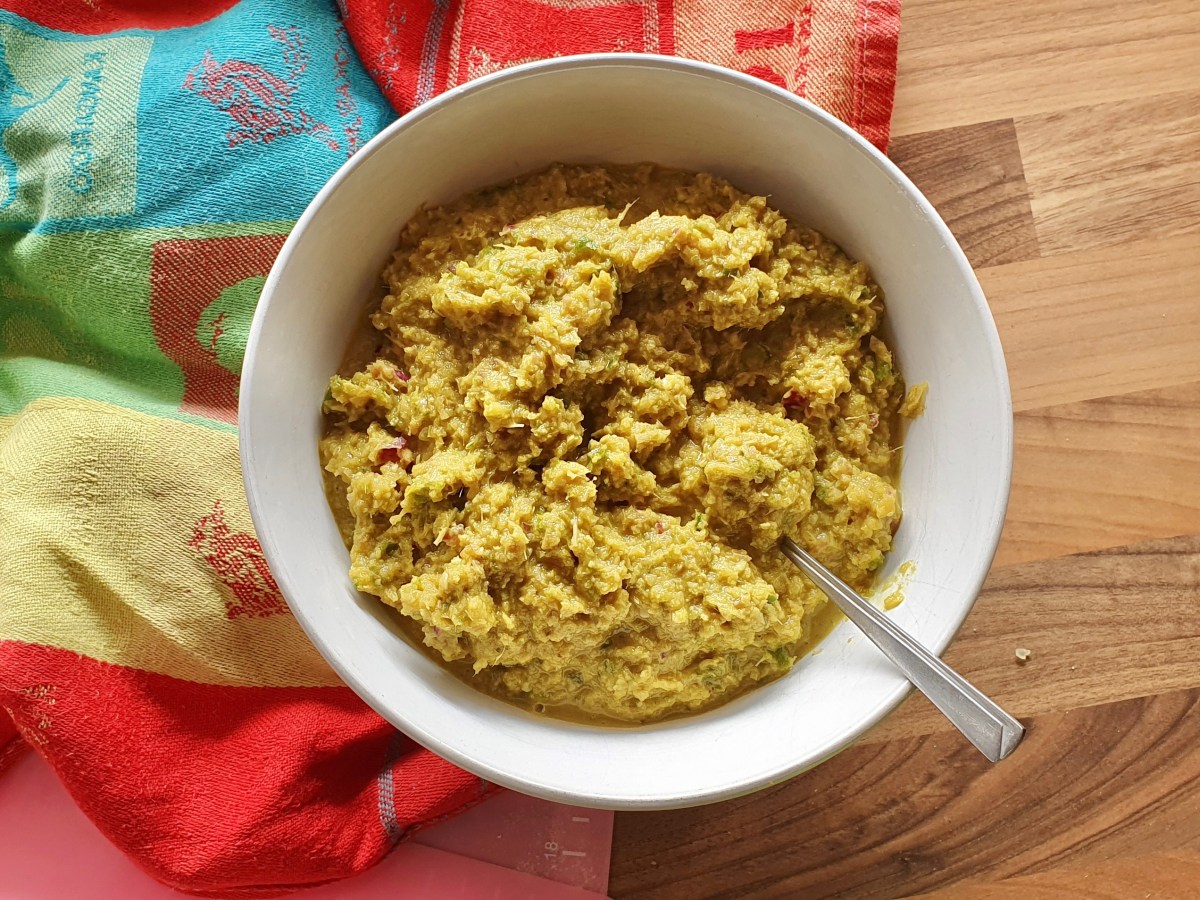
Thai Green Curry Paste


Brace yourself. There are a BUTTLOAD of ingredients that go into this Thai green curry paste (17 to be exact) but it’s packed with flavour and beautiful aromas. It does…
Keep reading

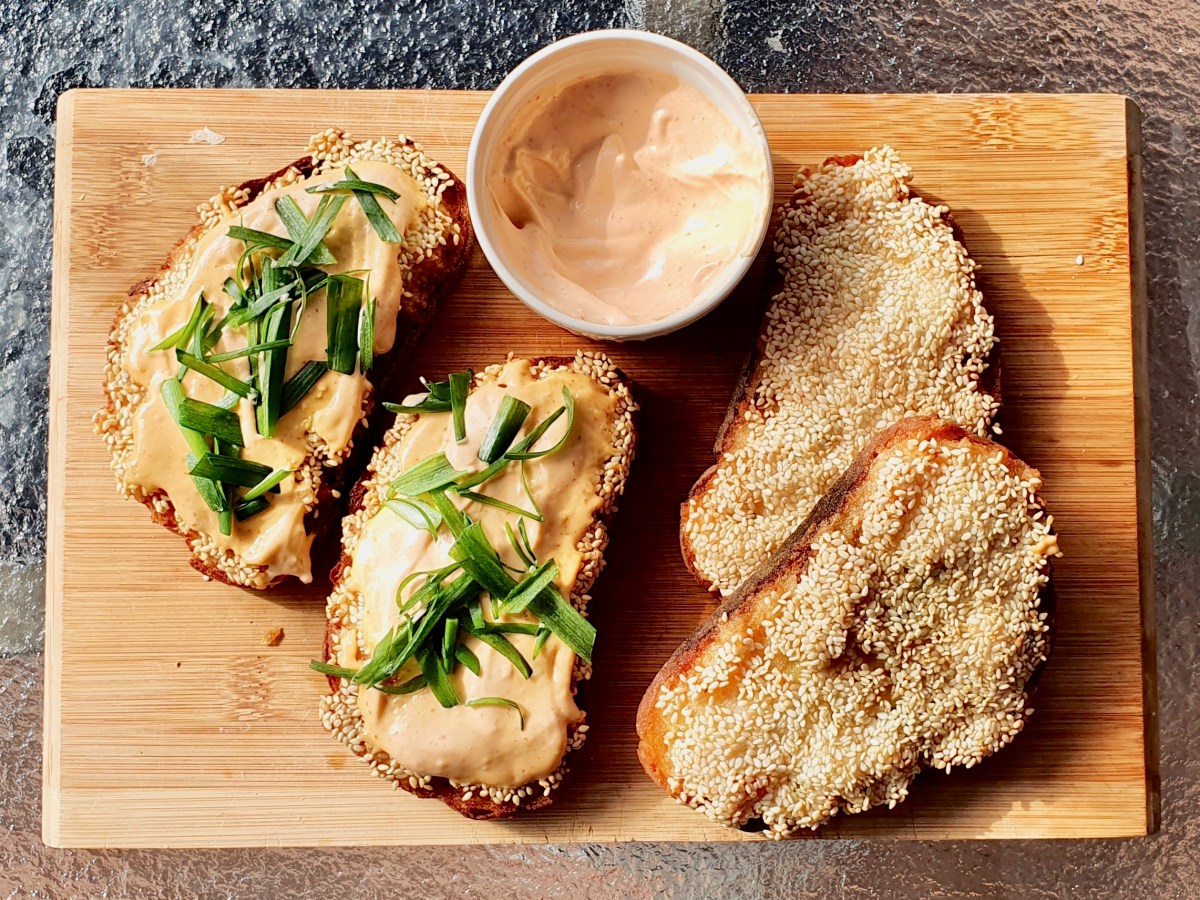
Green Curry Prawn Toast


These prawn toasts are so easy to make! You can serve it as an appetizer or a snack for a party. They make good use of the homemade Thai green…

Keep reading

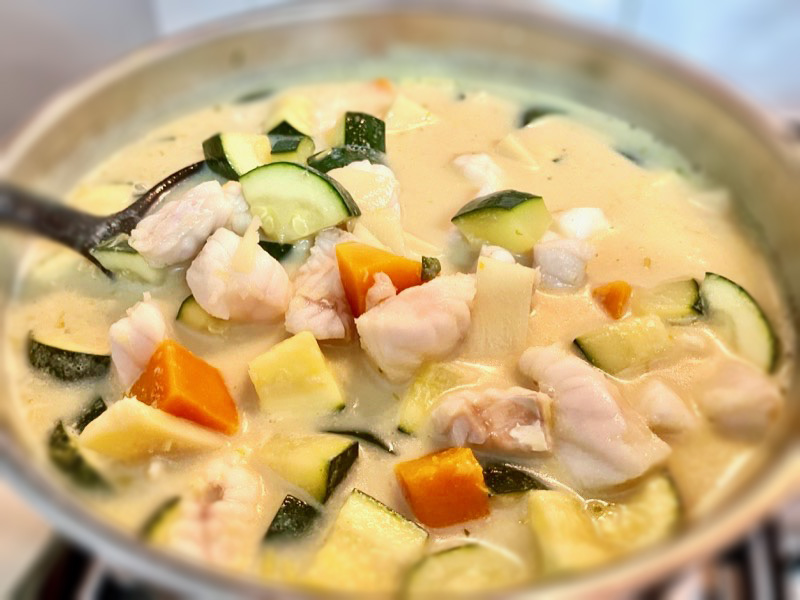
Green Curry Fish Soup


This healthy green curry soup uses soy milk and fresh green curry paste for maximum flavour and minimum calories and fat. It’s so quick and easy to whip this up…

Keep reading

This recipe is easy and cooks up quickly!

Anyways, without further ado, here’s the recipe! If you have any comments or suggestions, I’d love to hear from you in the comment section! You can follow me on instagram, youtube and facebook to see all the recipes I post!

Happy cooking!

Ingredients you’ll need:

Directions:

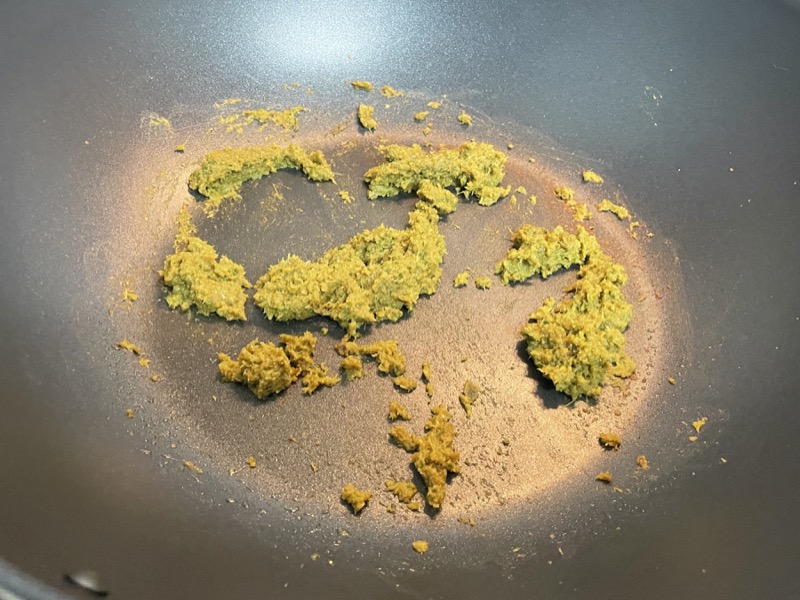
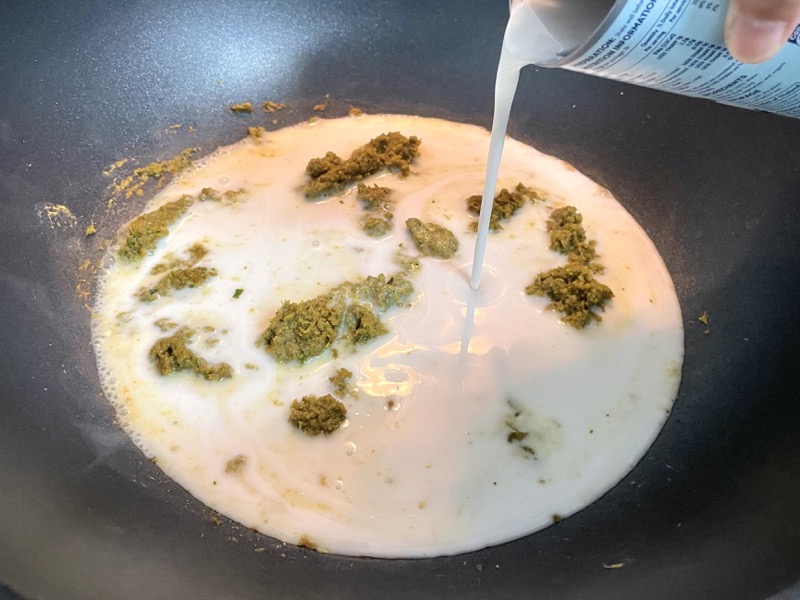
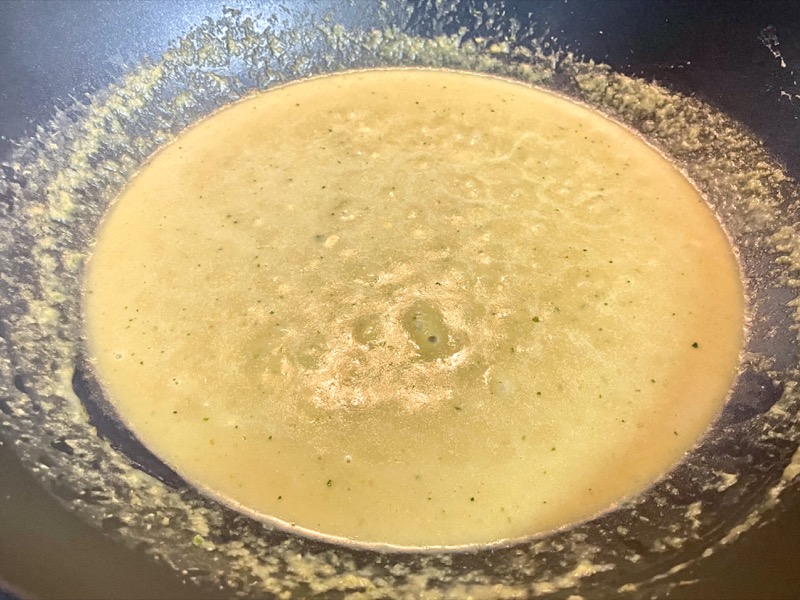
Heat a large pan or wok on MED heat and sauté the green curry paste in a drizzle of oil until the paste dries out a bit and turns slightly brown (2-3 minutes). Add in the can of coconut milk and mix it all together. Let the sauce simmer until you get a thickened sauce.

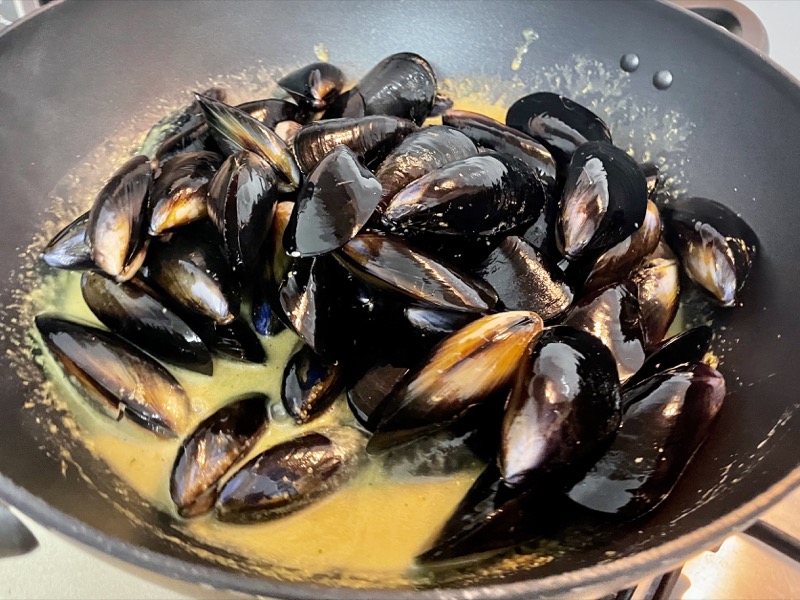
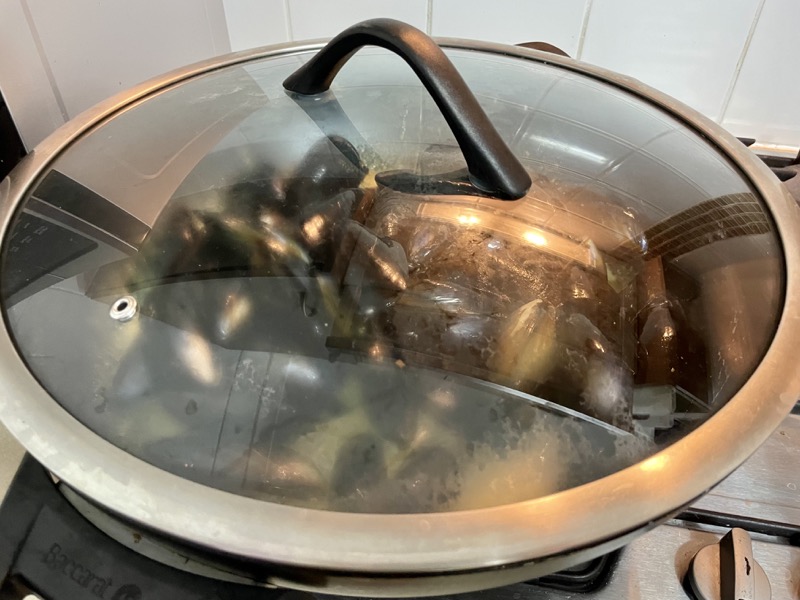
Add in the mussels and stir. Put the lid on and let the mussels steam for 4-5 minutes until they all open up. Turn off the heat and serve!

Summarized Recipe:

Green Curry Mussels

Date Published: Sept 21st, 2025 | Last Updated: Sept 21st, 2025
Author: Abby |Category: mains, Asian, <15mins, <30 mins, easy
Serves: 2 | Prep time: 10 minutes | Cook time: 10 minutes

Ingredients:

Directions:

  1. Heat a large pan or wok on MED heat and sauté the green curry paste in a drizzle of oil until the paste dries out a bit and turns slightly brown (2-3 minutes).
  2. Add in the can of coconut milk and mix it all together. Let the sauce simmer until you get a thickened sauce.
  3. Add in the mussels and stir. Put the lid on and let the mussels steam for 4-5 minutes until they all open up. Turn off the heat and serve!

New South Wales Coastal Drive


The Great Australian Road Trip part II

*Note: this post is still in progress, but I’ve published it for anyone who’s interested in continuing the drive from the Victoria border up the NSW coast 😊*

New South Wales is the neighbouring state to Victoria (follow our trip from Eastern Victoria here). Crossing the NSW border from Victoria during COVID times was pretty uneventful. We travelled during the pandemic and at the time there were no restrictions to leave VIC and enter NSW so there wasn’t any border security (however on the opposite side of the road there were 2 police cruisers and a bus checking for permits to enter Victoria from NSW). There was only a small lit up sign at the border that warned us that if we left, we wouldn’t be able to return without a permit – a little daunting that we couldn’t turn back, but onwards with our adventure!

Dates we travelled: Jan 8th – 16th, 2021

Sample Itinerary

Day 1: Leave Lakes Entrance in the morning, arrive in Eden around noon. Head over to the visitor’s centre for some recommendations then off to the Killer Whale Museum. Spend a few hours at the museum then drive to Merimbula to spend the night and seek out some fresh seafood restaurants.

Day 2: Do an oyster tour in the morning at Merimbula and have some oysters for lunch. Continue driving north and hike to Horse Head Rock in Bermagui. Take a stroll in Tilba Tilba and check out the cute shops. Stop at Bodalla Dairy Shed for a snack and milkshake (or early dinner). Continue the drive to ACT and stay overnight (or onwards north).

Eden

Eden is the most Southerly town in NSW and sits right on the coastline, making it the first town we stopped in after leaving Victoria. It’s a 2 hour 45 min drive from Lakes Entrance, VIC and a half hour drive from the actual border between VIC and NSW. This small town has a rich history with whales and has some great whale watching spots during the whale migration season (May – November). We were only here for half a day and didn’t come during the whale migration season, but we absolutely loved the Killer Whale Museum!

Eden Visitor’s Centre

Address: Weecoon Street, Snug Cove, Eden NSW 2551
Opening times: Mon-Fr 9am-5pm, check the website for weekend hours
https://visiteden.com.au/visitor-information-centre/

Since this is the first town you’ll encounter in NSW, it’s a great place to stop at the visitor’s center for nearby recommendations. The ladies here were super helpful with recommendations of not only Eden but surrounding areas as well. There’s places to snorkel, beaches, hikes…etc. There’s plenty of brochures and pamphlets if you want more information. There’s also a toilet here if you’ve been holding it in since Lakes Entrance ;).

(They also had this random cool stuffed animal couch on display while we were there.)

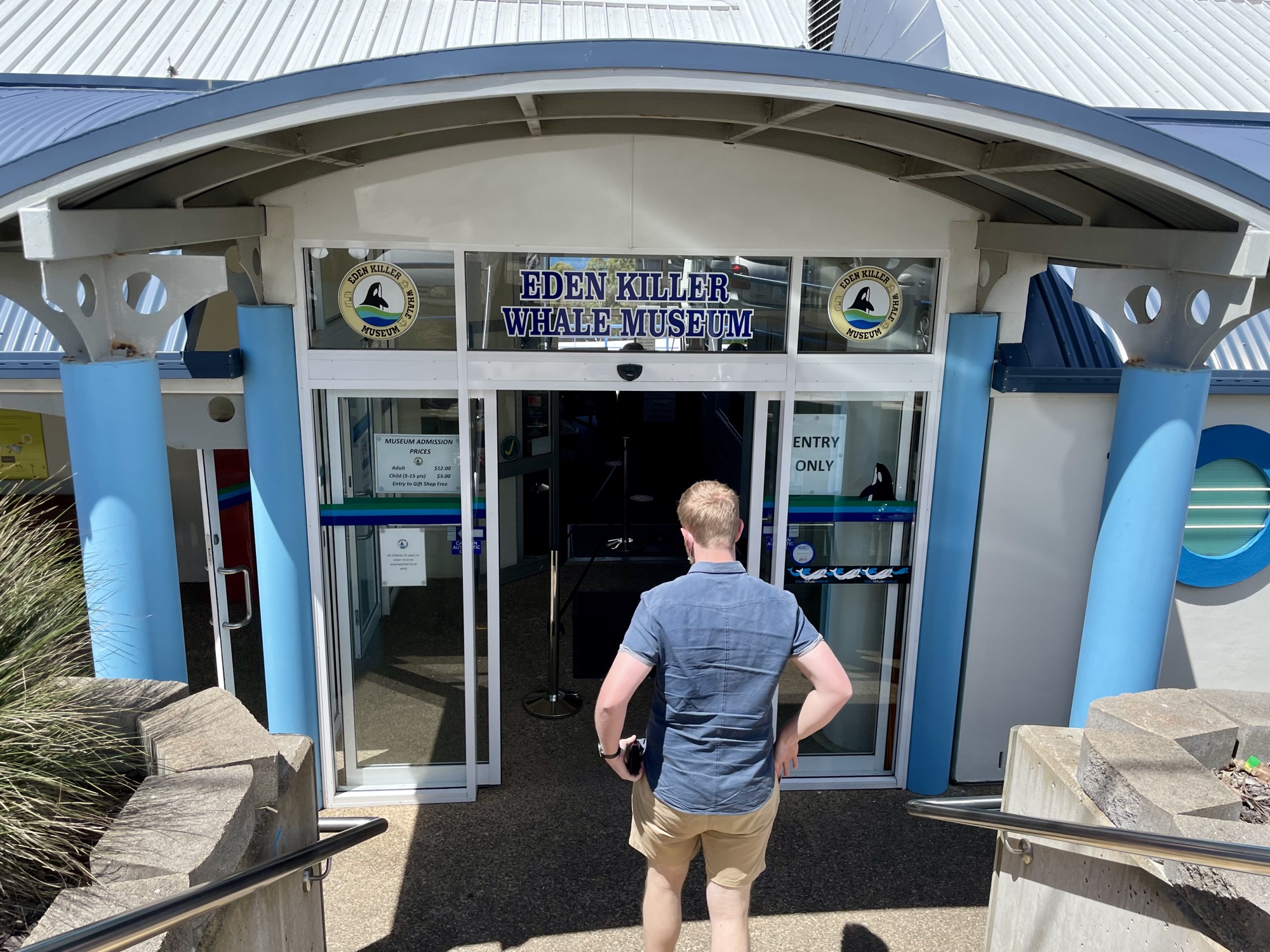
Killer Whale Museum

Address: 184 Imlay Street, Eden, NSW 2551
Opening times: 7 days a week (check website for times)
Cost: $15/adult
https://killerwhalemuseum.com.au

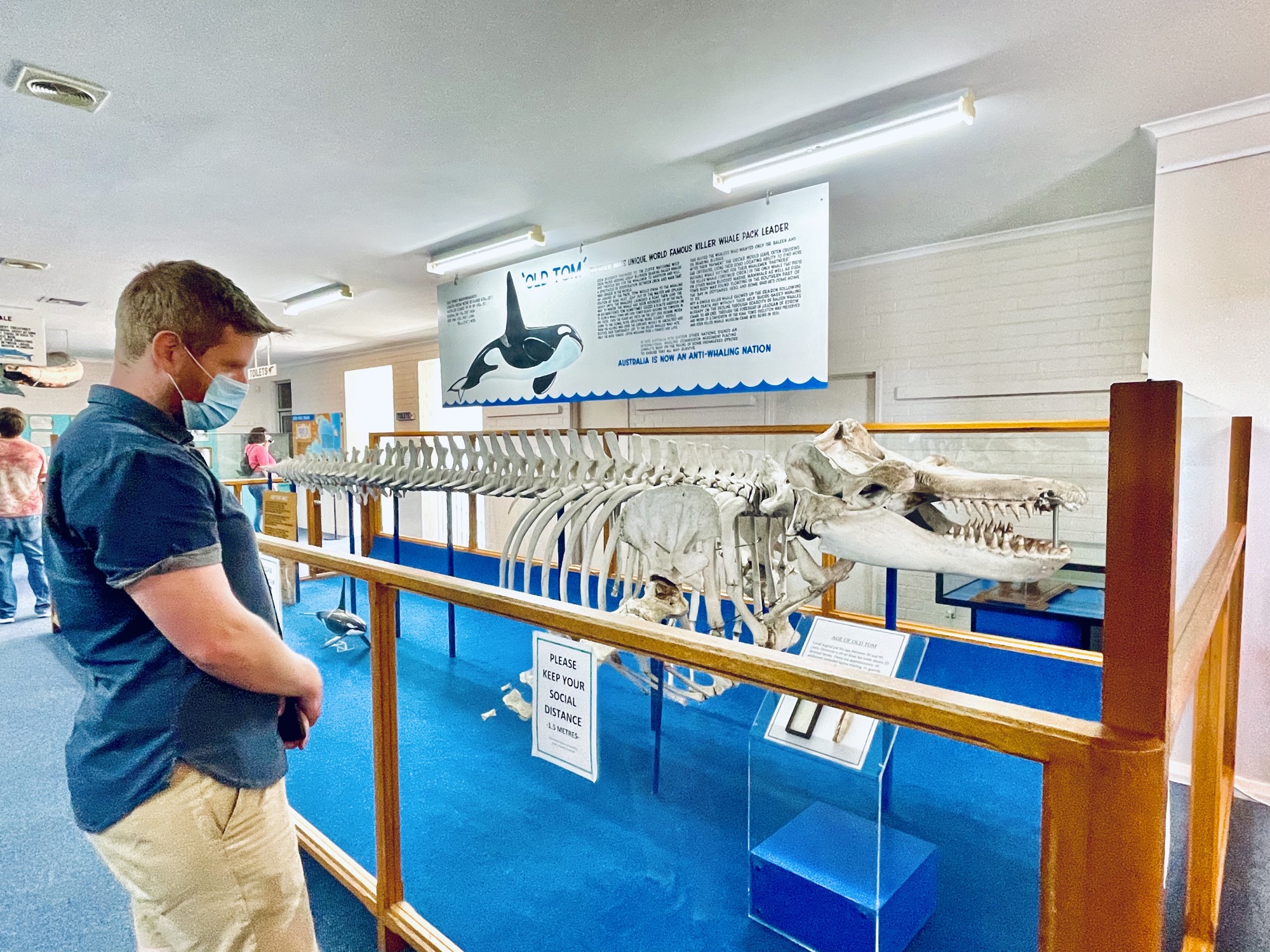
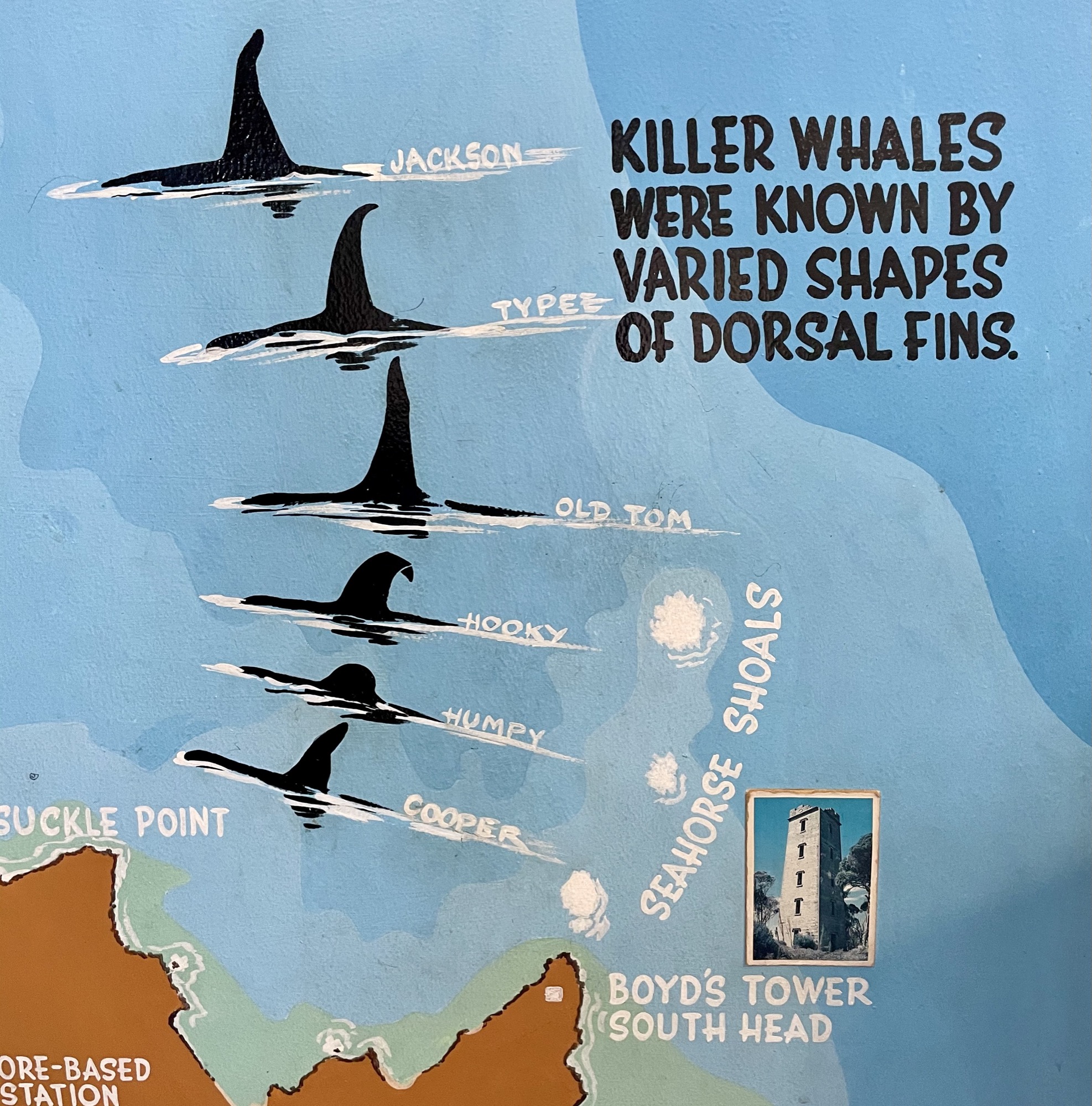
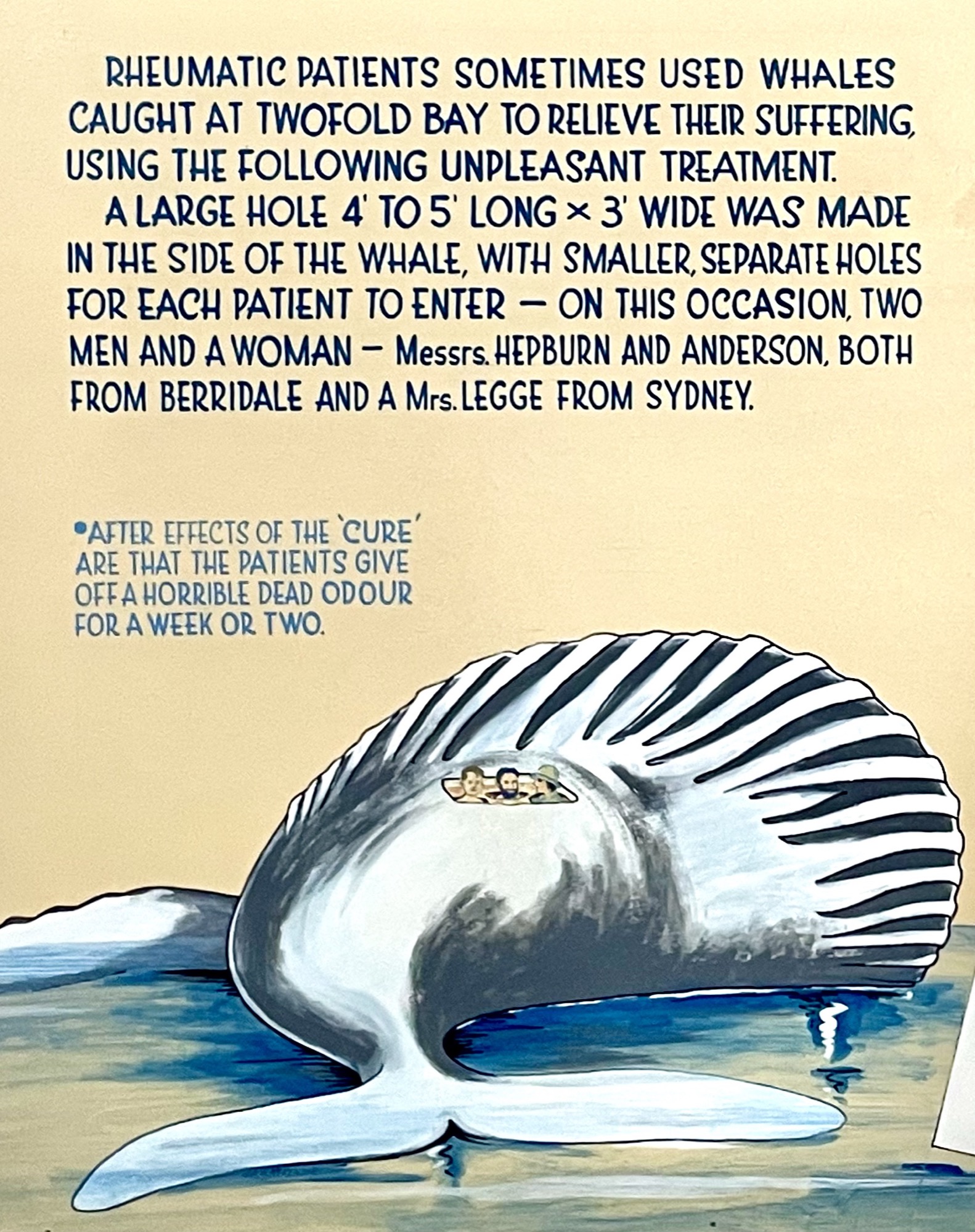
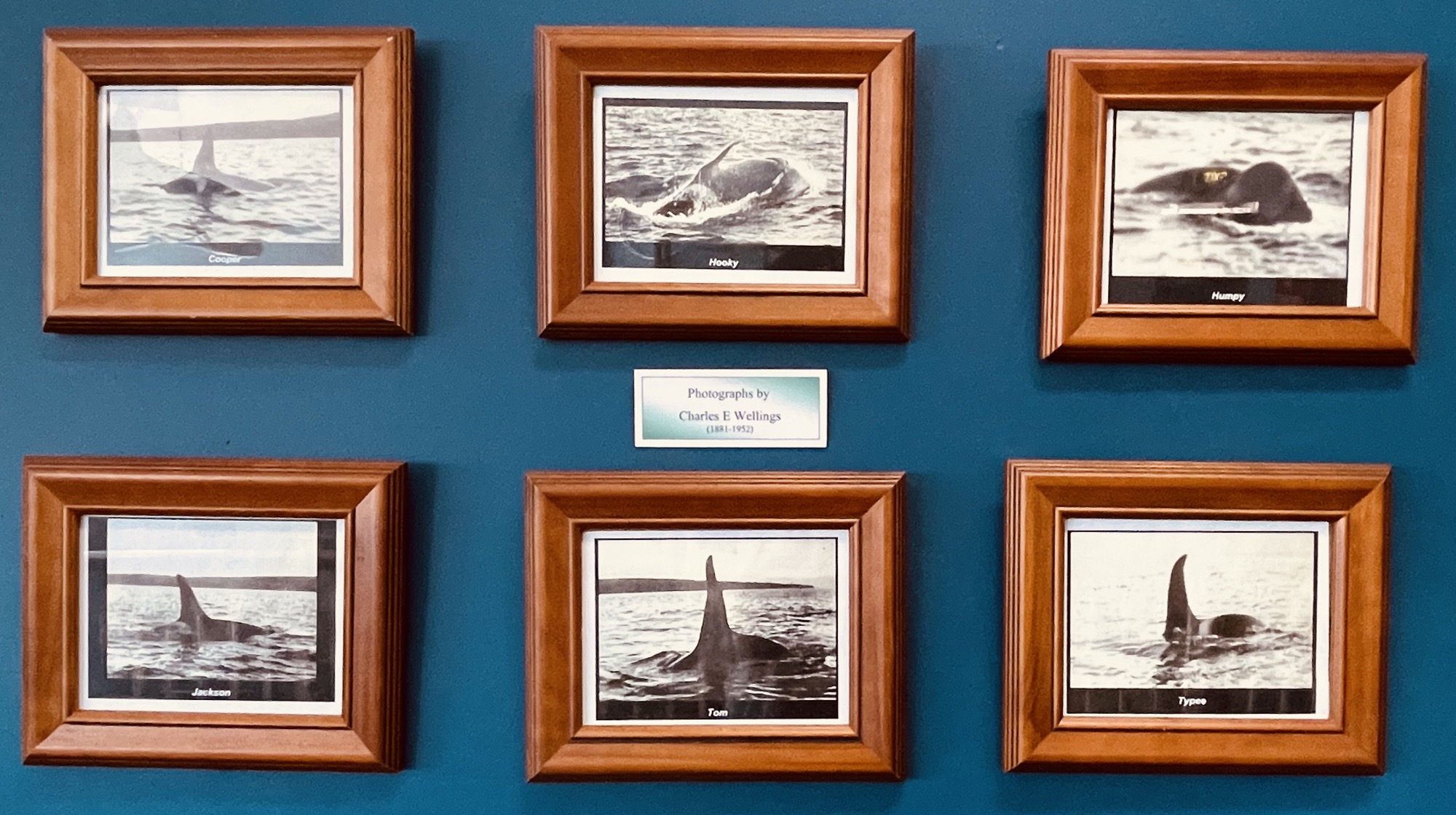
This is the top attraction of Eden and we can see why! We didn’t think much of it at first, but the museum was full of so many interesting information of this industry. Eden had a rich whaling industry and the amazing part is that the local fishermen worked together with the wild killer whales (orcas) to hunt for whales. Old Tom was the most famous killer whale that helped with whale hunting. The locals would harvest the blubber and leave the tongue and offal for the orcas. This museum details the background of the whaling industry back in the day as well as highlights orcas and their natural history. There are also beautiful views from the upper level platform! You could easily spend a couple hours here. It’s definitely worth a visit!

Eden Lookout Point and Rotary Park

Address: 263 Imlay Street, Eden, NSW 2551
Opening times: 24hrs

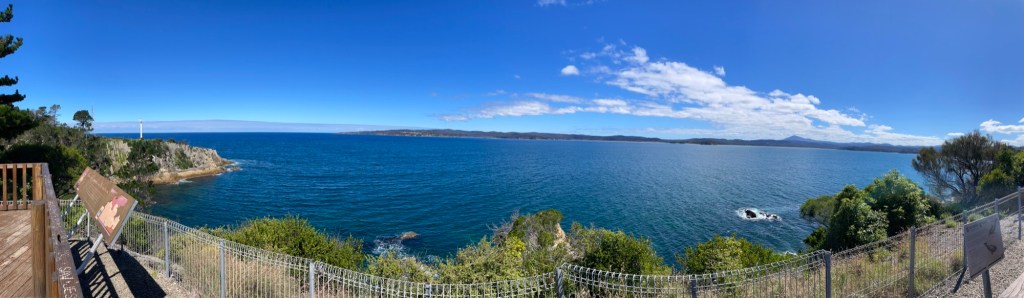
Just up the street from the Killer Whale Museum is Eden Lookout Point, where the we were told is the best place in Eden for whale watching. Unfortunately whale-watching season is between May – November and at the time we were just at the start of January We still decided to check it out anyway for any scenic views, but disappointingly there’s not much to this lookout other than open water so I’d probably give it a miss if it’s not the right season.

Merimbula

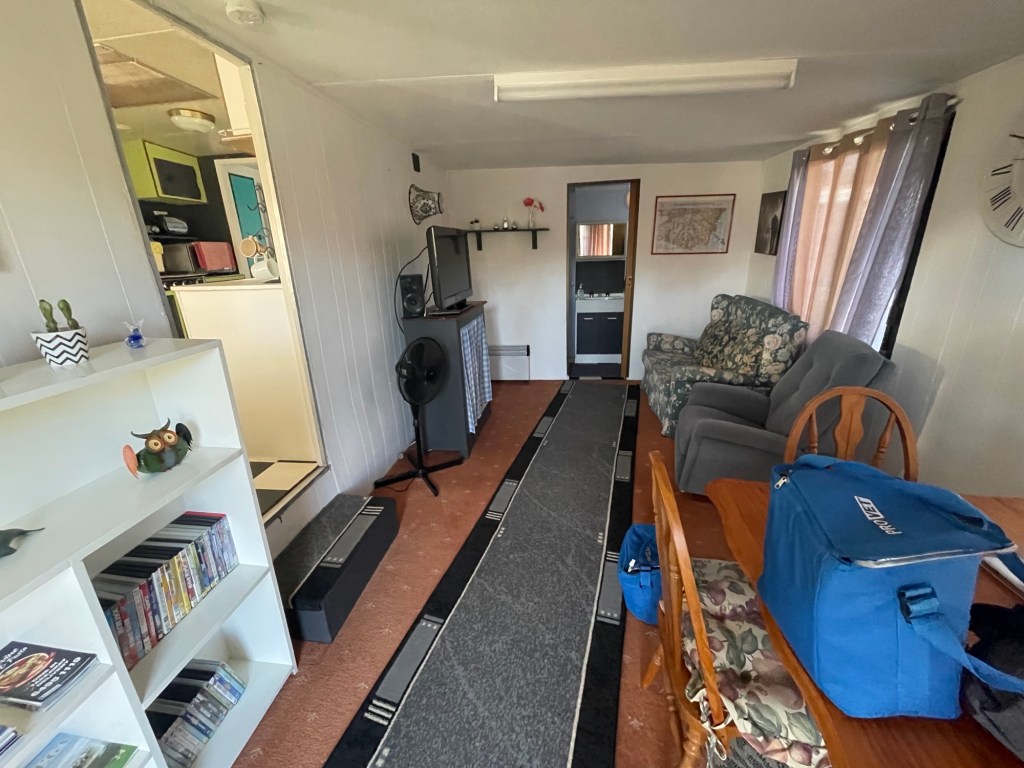
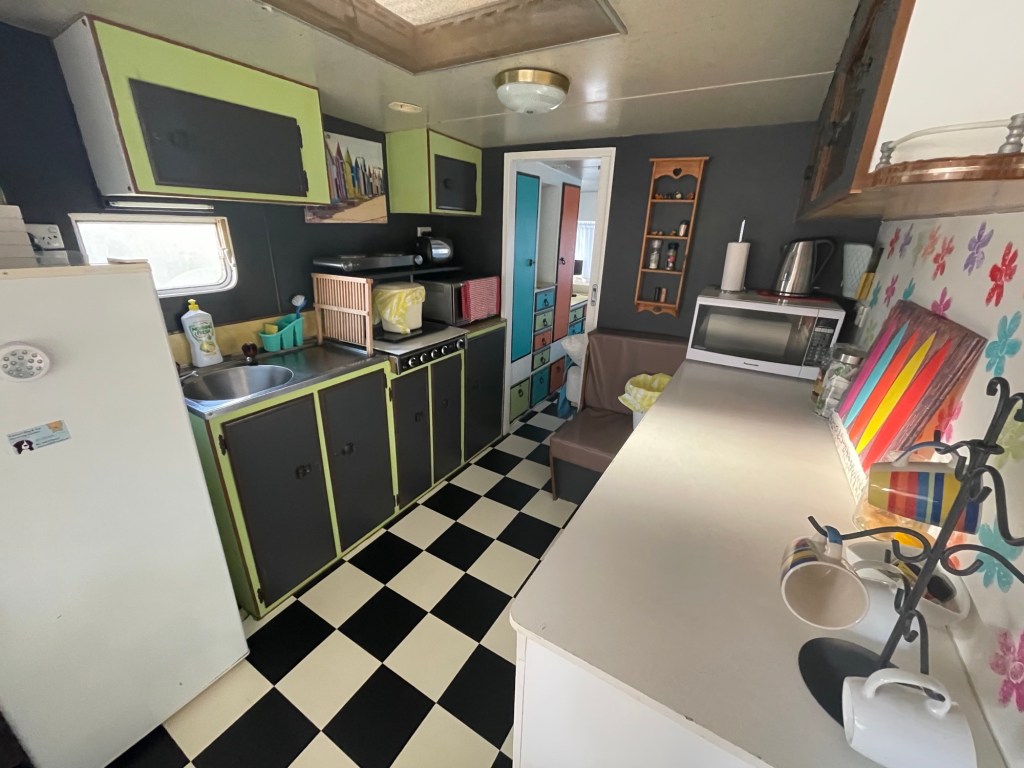
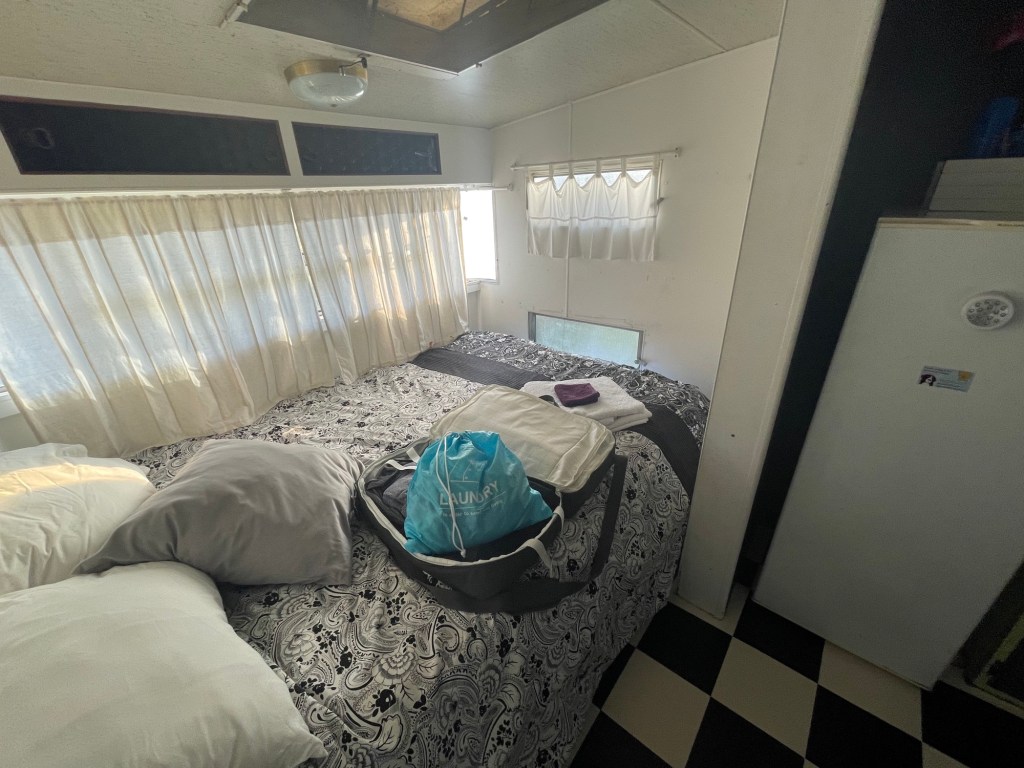
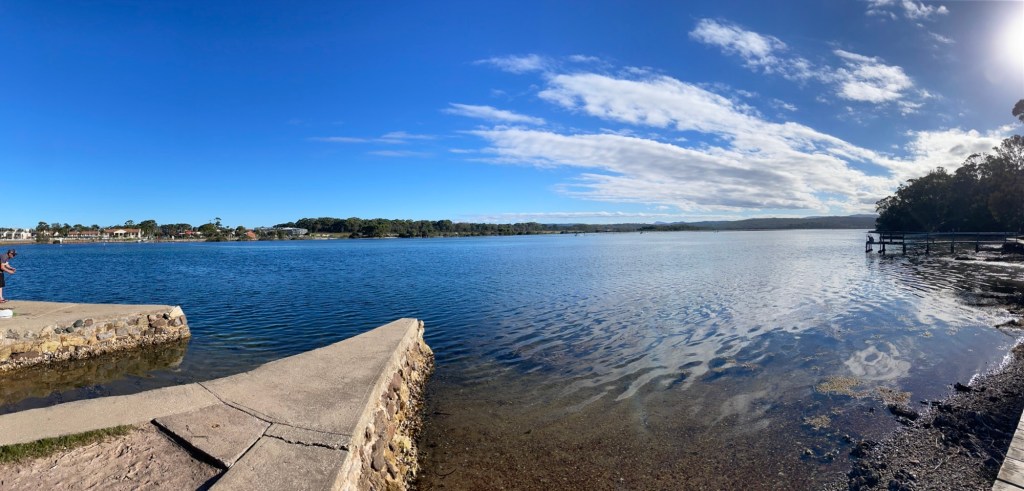
Half an hour north from Eden is Merimbula, a coastal town deemed “The Heart of the Sapphire Coast”. When we arrived, the visitor’s centre was annoyingly closed even though they were meant to be open according to their website, so we relied on google searches to tell us what was popular in the area. Merimbula is another popular whale watching location and is advertised to have great local seafood and home to the famous Merimbula Oyster. Disappointingly, I actually struggled to find a well-rated seafood restaurant despite all the ads for fresh seafood. We ended up eating at a tapas bar which wasn’t bad but it was overpriced. The town was small and it took about 15mins to walk the majority of the main street. We did enjoy a nice evening stroll on the boardwalk though, which was probably the most memorable part of this town for us. We only stayed one night which is enough time if you’re looking for main tourist activities. If you’re looking to spend more time, there’s an aquarium in town, some beaches, and fishing charters that we saw advertised but didn’t attend. It was a busy time of year when we travelled so we couldn’t find any affordable hotels or AirBnBs in town so we booked a small camper van AirBnb at the next town over in Wolumla roughly 15mins away.

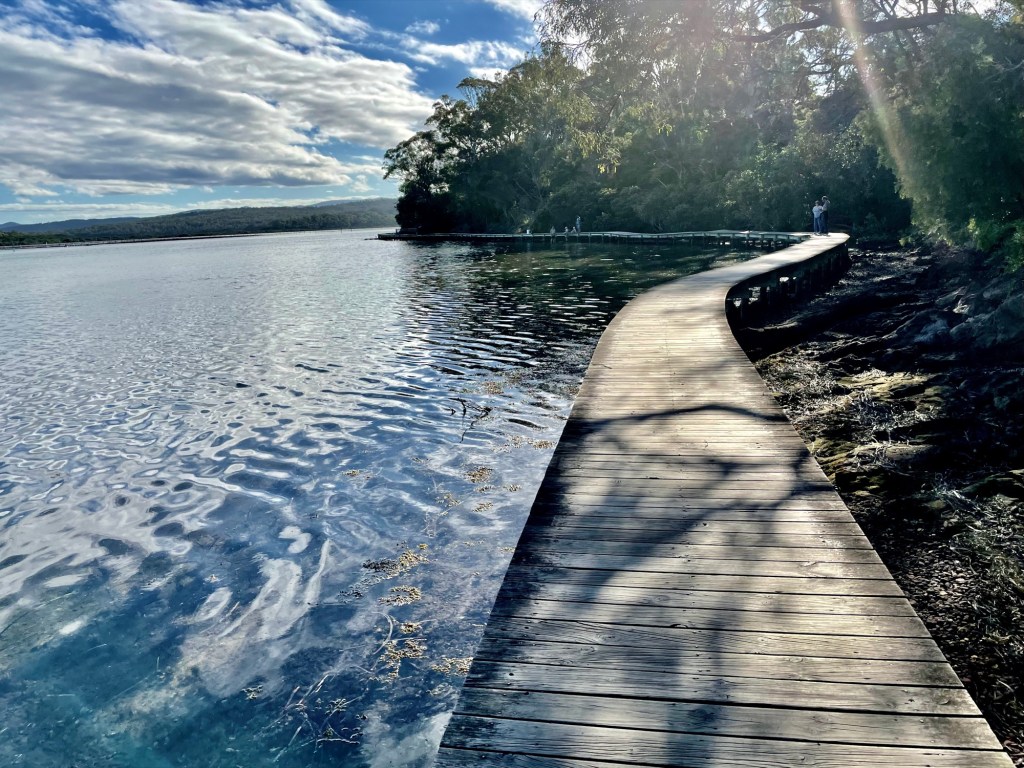
The Merimbula Boardwalk

Address: Market Street, Merimbula, NSW
Open 24hrs
https://www.visitnsw.com/destinations/south-coast/merimbula-and-sapphire-coast/merimbula/attractions/merimbula-boardwalk

Our favourite part of Merimbula – a lovely boardwalk that hugs the Merimbula Lake. We had a nice evening stroll here after dinner and walked amongst the mangroves and spotting mini crabs and puffer fish!

Book an Oyster Tour!

One thing I regret during our trip was not attending an oyster tour. I didn’t even realize it was something we could do until the morning we were set to leave and by then all the tour tickets were sold out. 😦 The Merimbula Oyster (Sydney Rock Oyster) is one of the most well-known oyster in Australia and is served in many gourmet restaurants around the country. There are a few farms that offer tours and the ones that stood out were Wheelers Oyster Farm and Captain Sponge’s Magical Oyster Tour. If we ever come back around during the right season, we’ll be sure to book a tour!!

Bermagui

Continuing North on the coastal drive, you’ll pass by many small coastal towns with beautiful beaches. A few of them had caravan parks right in front of the water where lots of people were gearing up for a surf. After a while all of these towns start to seem similar. We only stopped in one of these coastal towns: Bermagui, to check out Horse Head Rock.

Horse Head Rock/Camel Rock

Address: Camel Rock Surf Beach
https://www.sapphirecoast.com.au/attraction/horse-head-rock

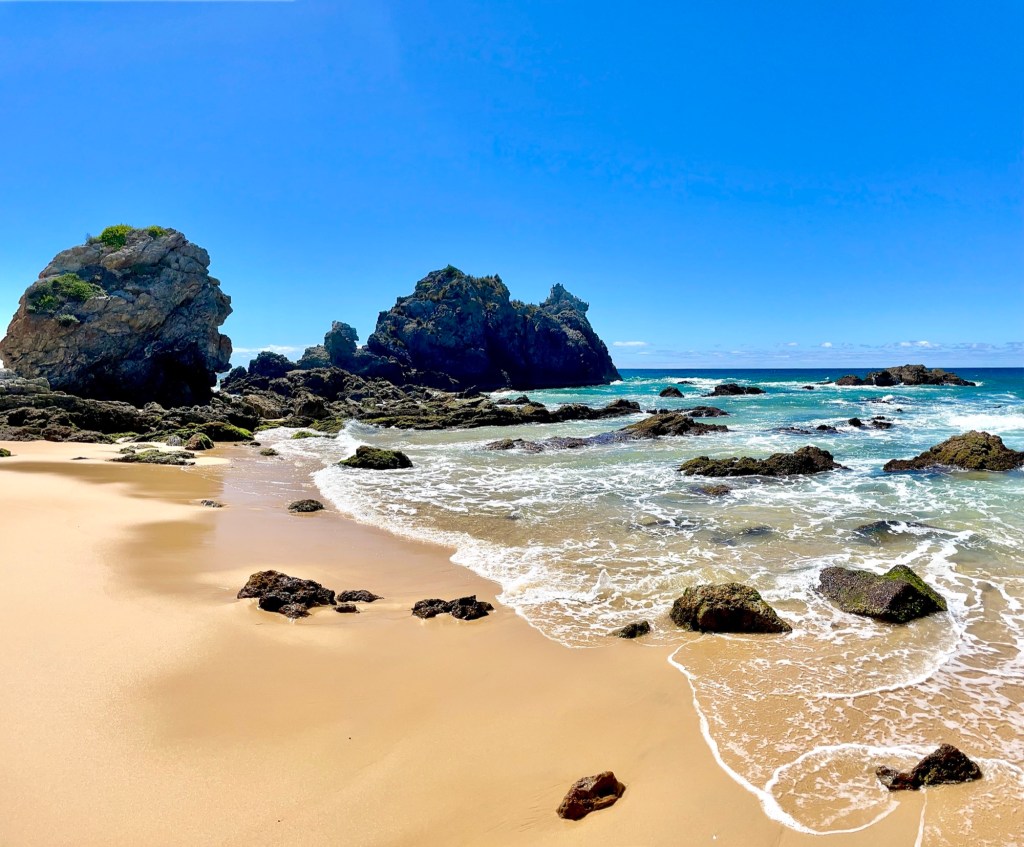
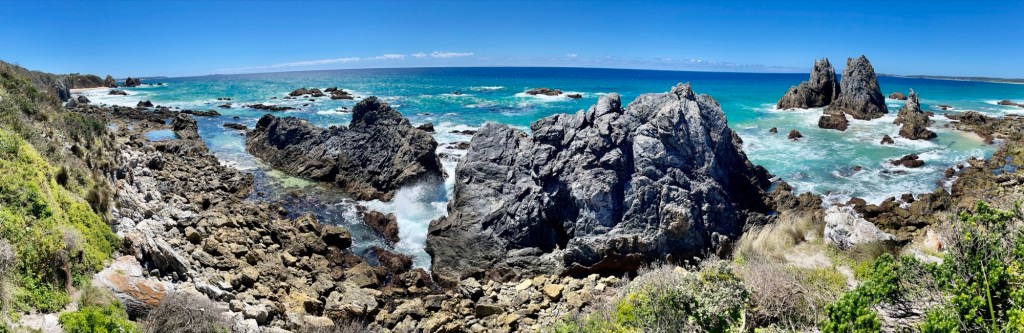
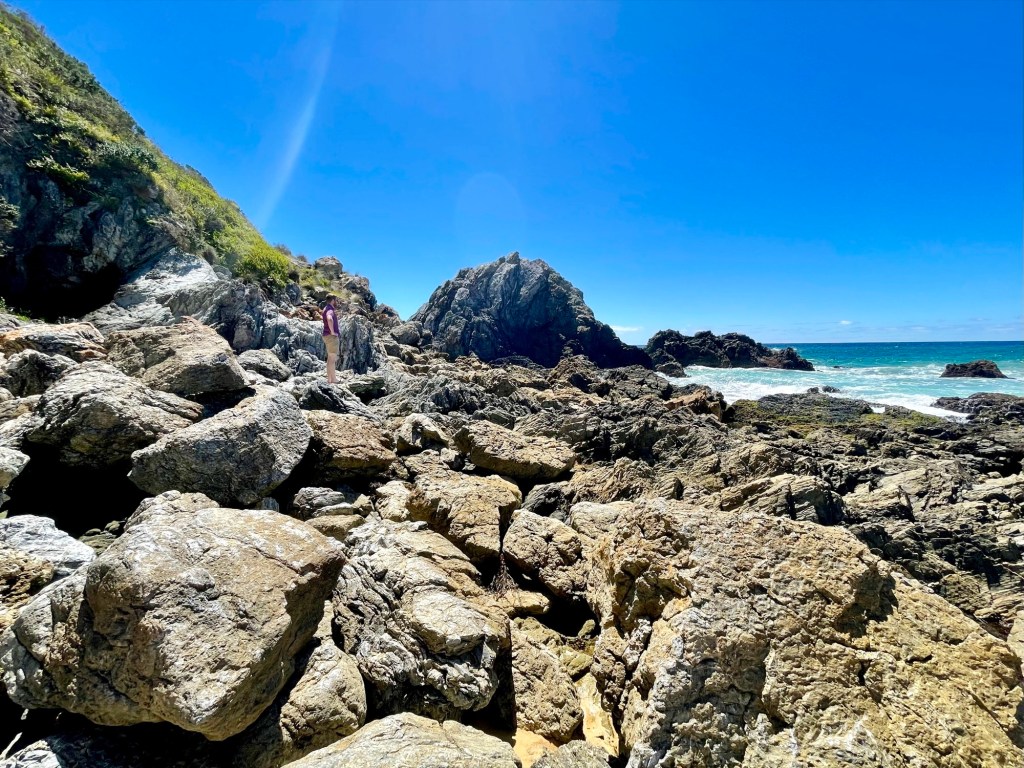
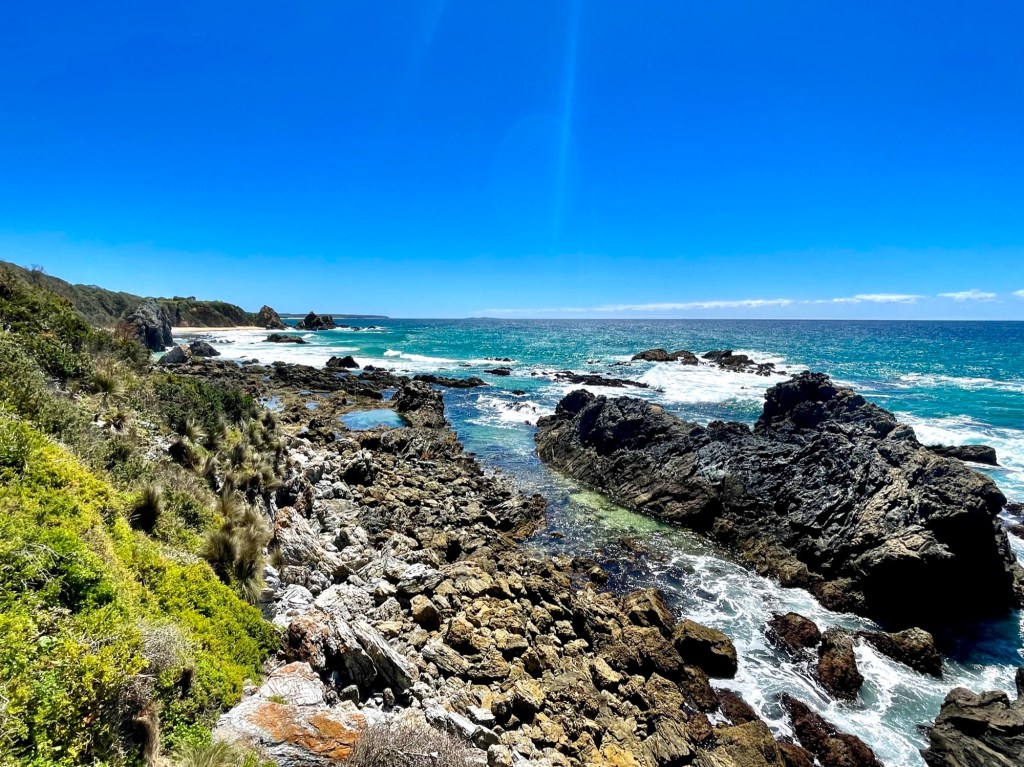
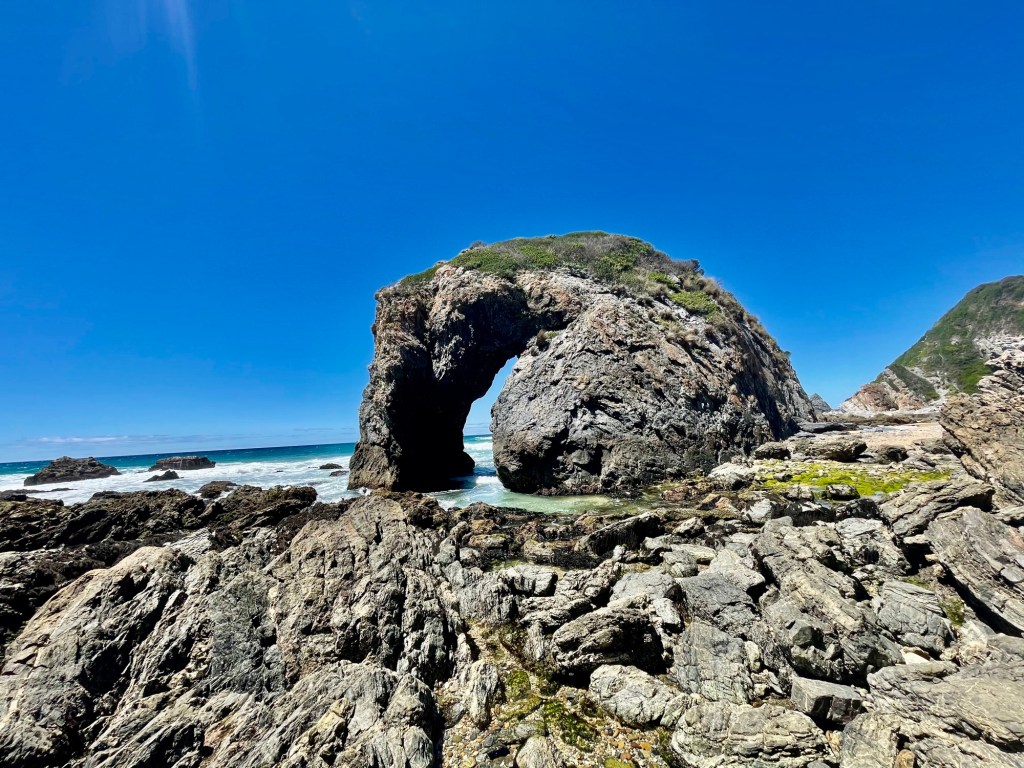
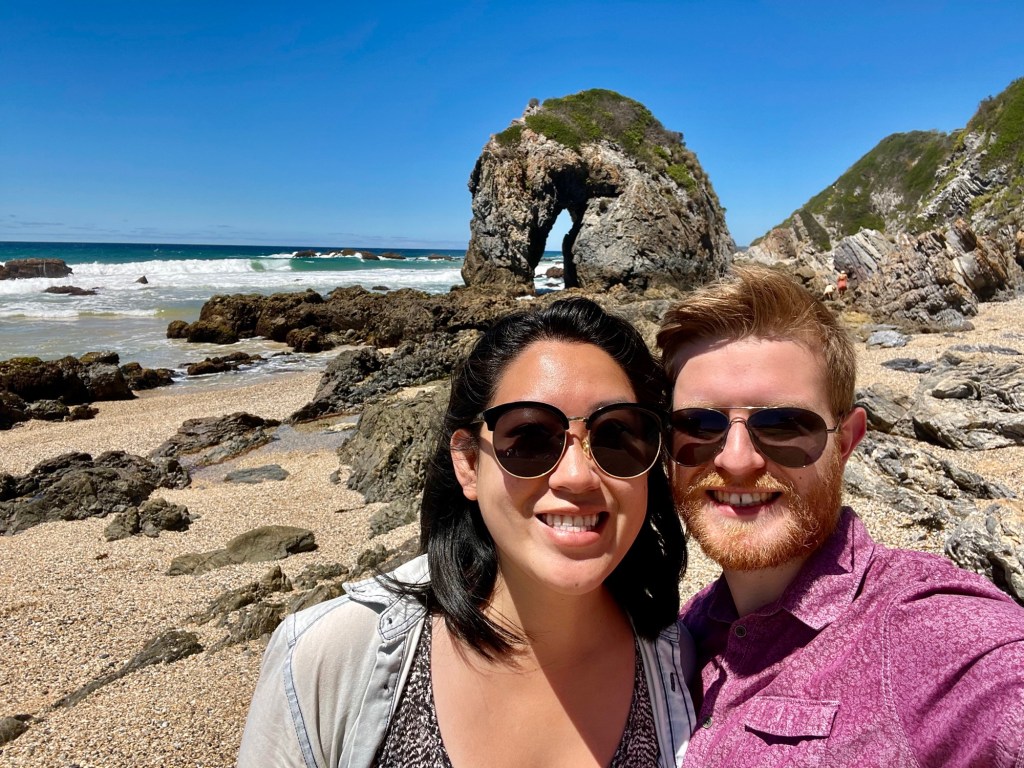
Horse Head Rock wasn’t a big advertised attraction nor was it highlighted in road trip itineraries, but pictures of it in passing made it look too cool to pass up. Access is at Camel Rock Surf Beach where there’s a big rock that kind of resembles a camel. Continue left following the beach over the rocks to get to Horsehead Rock. Warning, the hike does get a bit treacherous with lots of jagged rocks and uneven footing. Wear appropriate footwear such as hiking shoes or sturdy water shoes (you may get your feet wet at times). At the time we had no idea what we were in for so I had Birkenstocks on and Toby had flip flops (or as the Aussies call it: ‘thongs’ 😉) and it was a real struggle to get over the many MANY jagged rocks. But in the end, the hike was SO worth it. We climbed up a few rocks to get beautiful rugged views of the rocky beach and the actual horsehead rock looked just like a horse head, complete with a mane made of moss! We sat here for a bit just marvelling at how accurate the rock was. Definitely recommend! This hike is only accessible at low tide, so plan ahead!

The walk starts on a pristine quiet beach. You head left of the beach towards the rocks – you can see Camel Rock in the background
Camel Rock in the background to the right
Camel Rock
Beautiful rocky beach scenery along the way
We hiked up a few high rocks to get better views – wear study shoes!
Horsehead rock!
His model pose
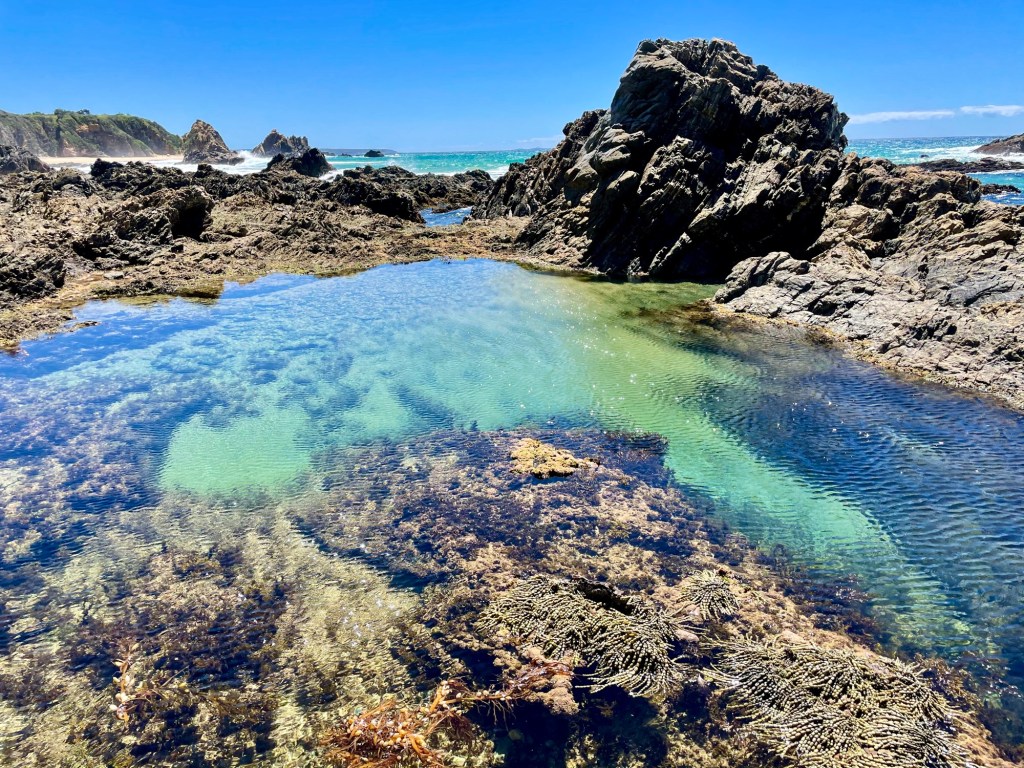
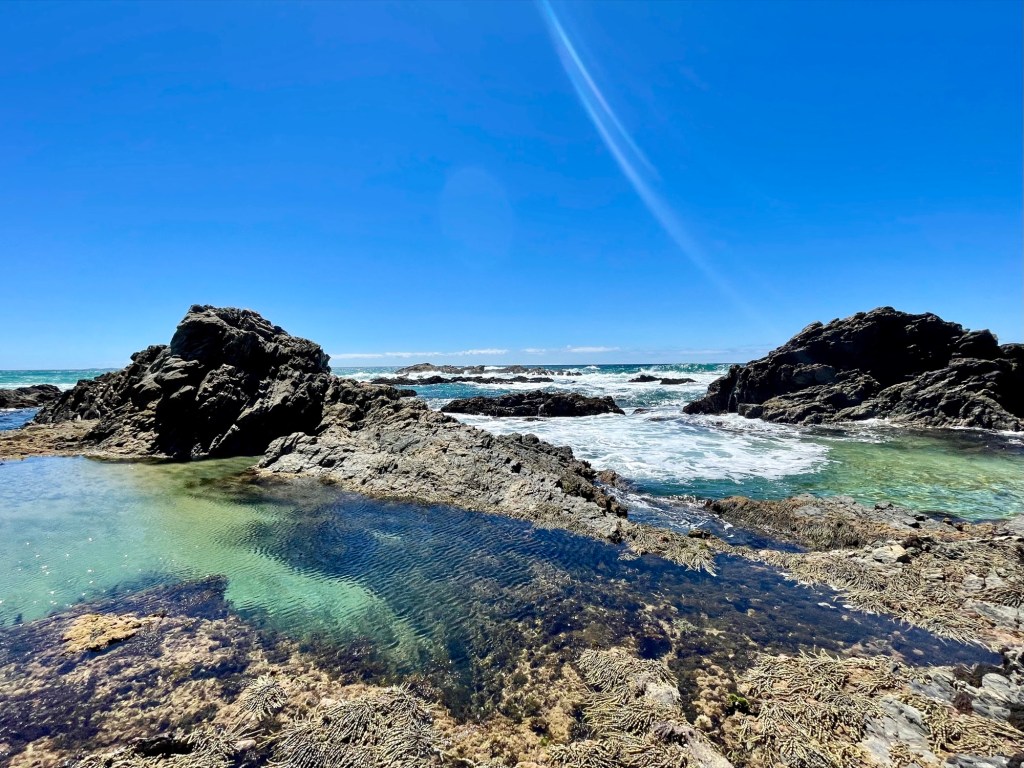
Little pools to check out some cool creatures

Tilba Tilba

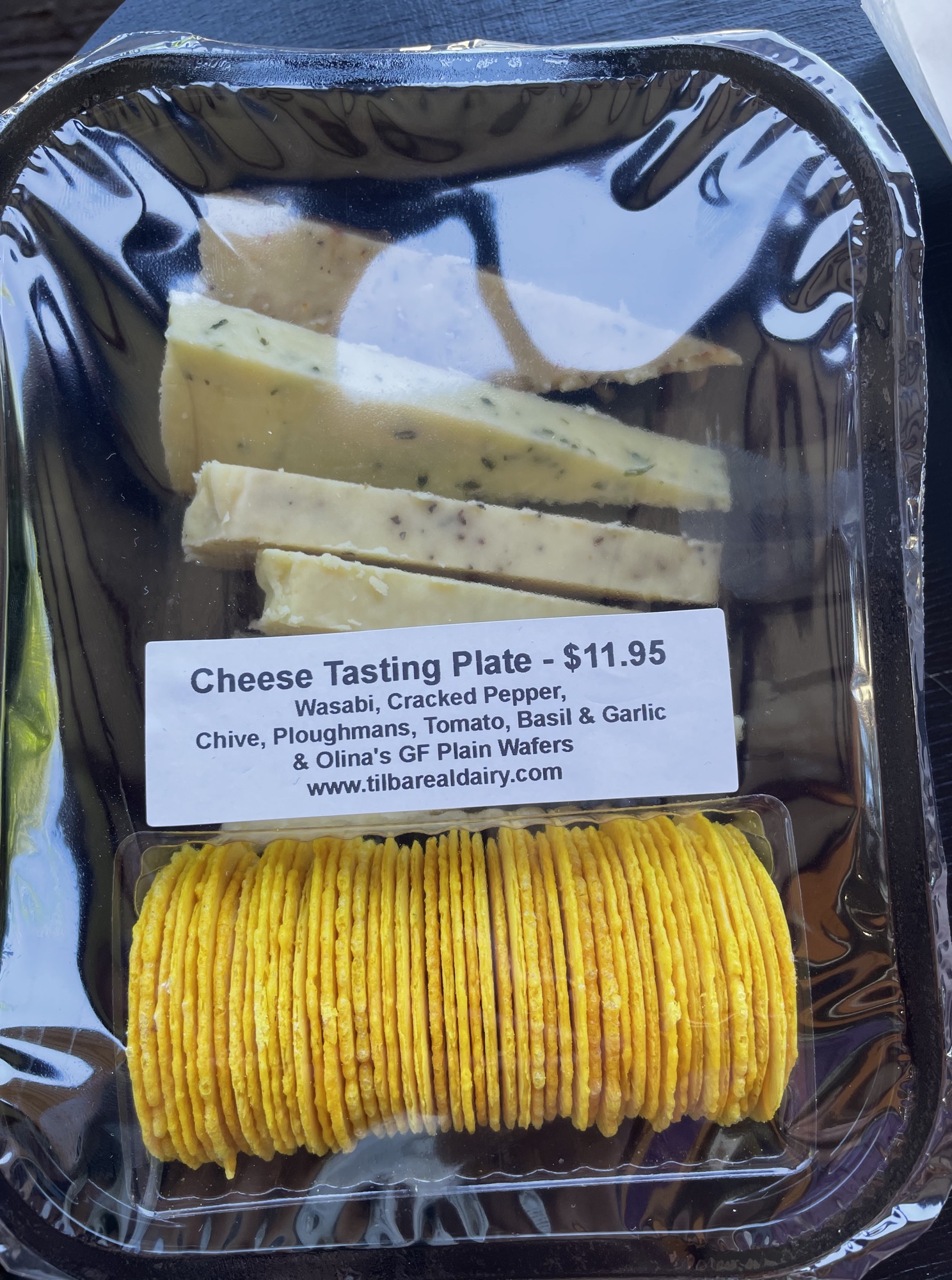
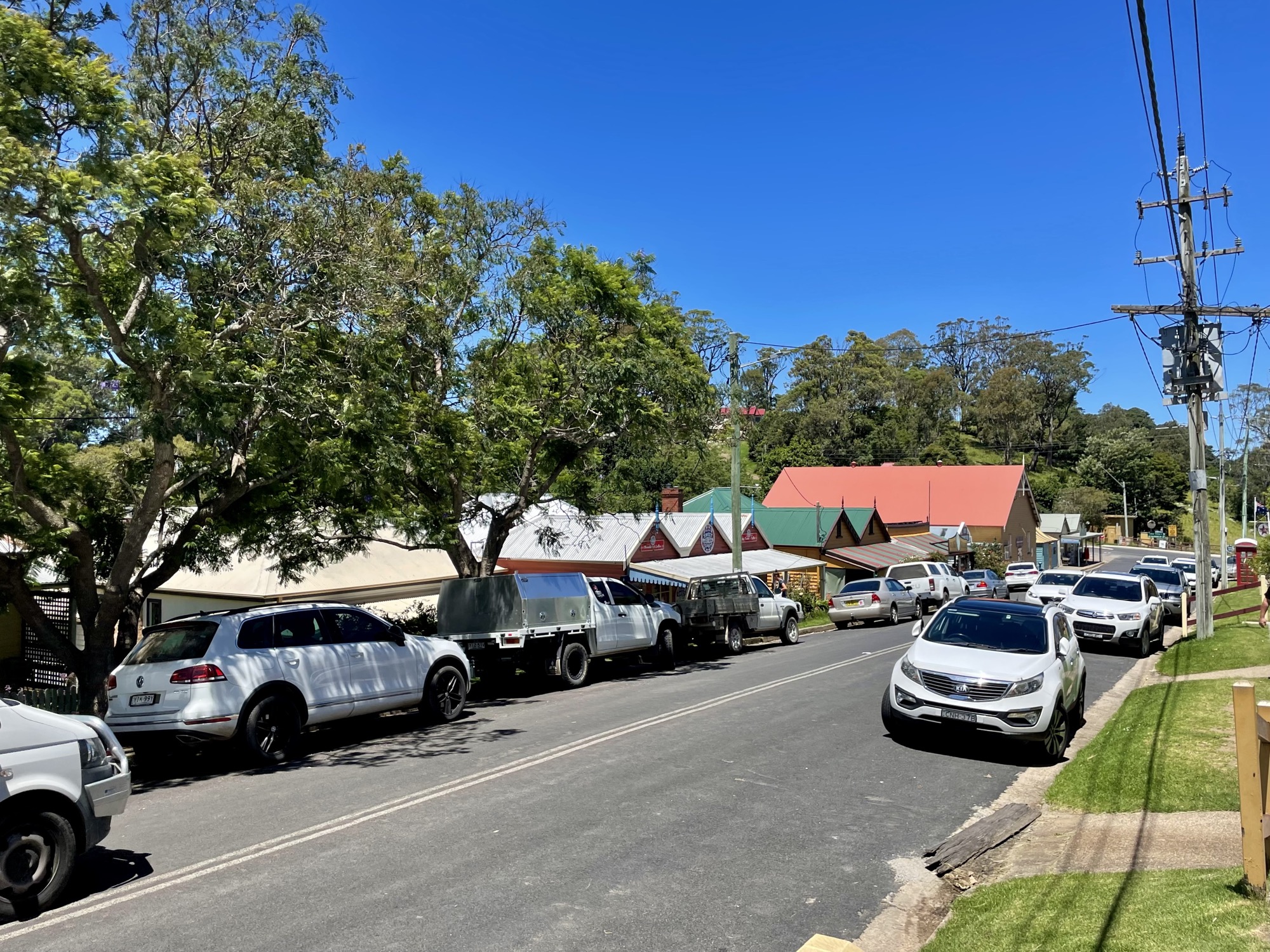
This little town wasn’t actually on our list of places to stop by, but as we continued our drive on the A1 highway North, we saw a big sign for a cheese factory so of course we had to detour. We followed the signs and ended up in an adorable little town called Tilba Tilba. This town is one main street with lovely houses and boutique shops (pictured below, but it was hard to capture the cuteness of the town). The cheese factory wasn’t actually that exciting and the cheeses were average, but the town itself was just so cute that it was worth the little detour. Also, I bought a hat.

Bodalla

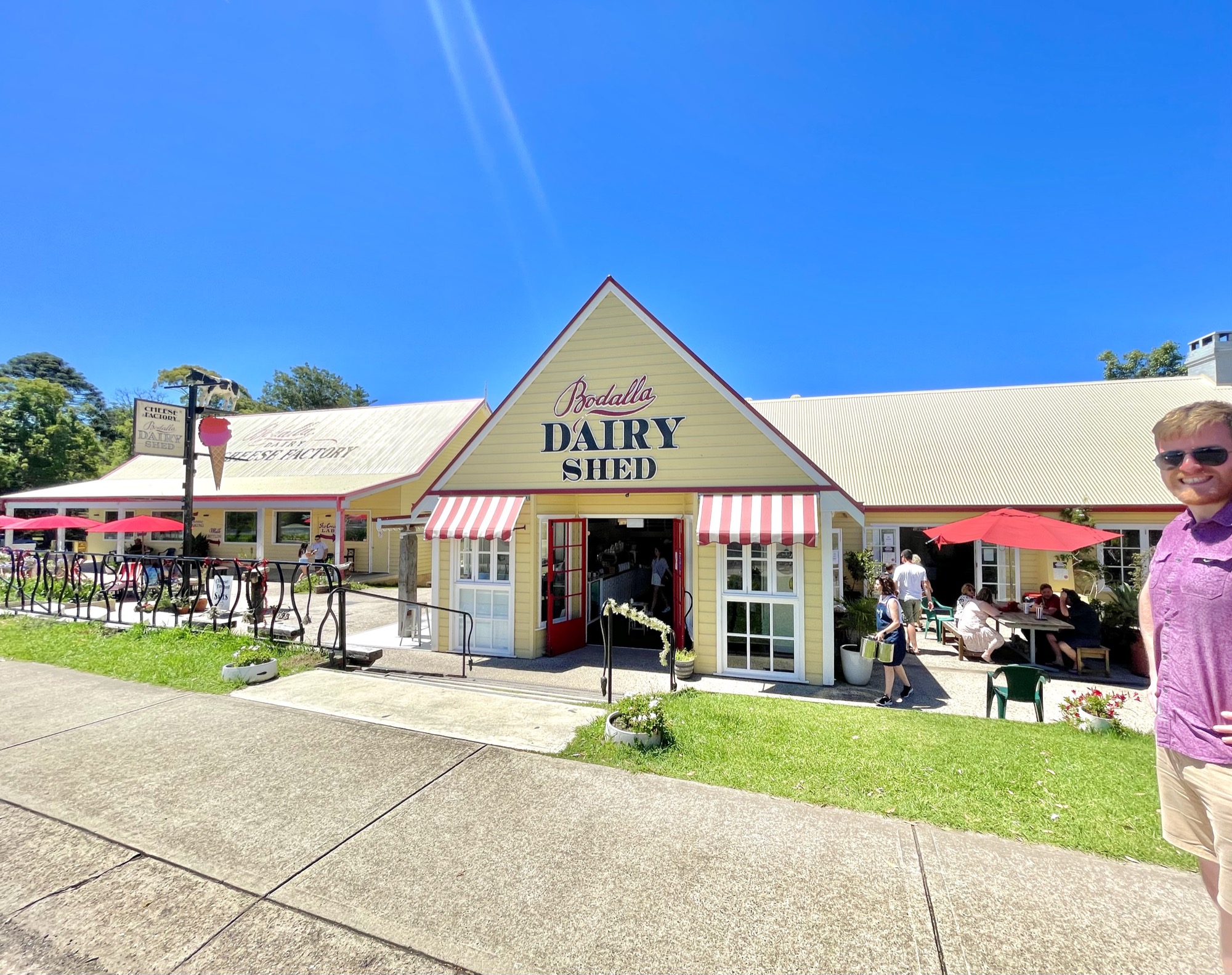
We only stopped by this small town for the Dairy Shed that a friend recommended us. There was a nearby bakery that looked cute but we didn’t stop by. Maybe next time?

Bodalla Dairy Shed

Address: 52 Princes Hwy, Bodalla NSW 2545
https://www.bodalladairy.com.au/

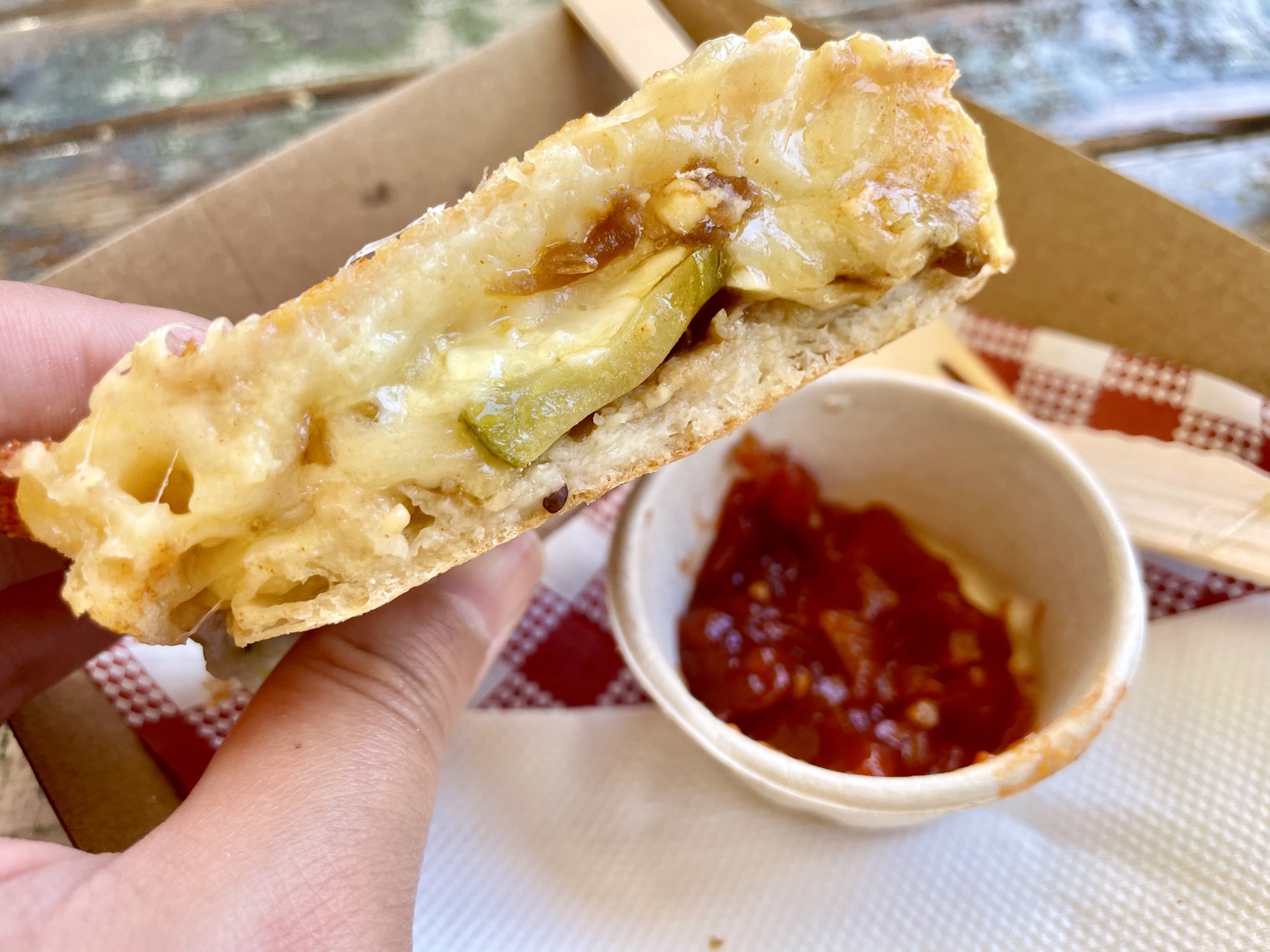
This place was recommended by one of our old classmates who worked in the area. She told us of their incredible milkshakes and good food. We’re SO glad we stopped here. Not only were their milkshakes spot-on, they had AMAZING cheese toasty (grilled cheese) sandwiches with delicious chutney. We weren’t that hungry and only ordered one sandwich, but after a couple bites we just had to go back to get a second! They also had some great products you can bring home and a selection of cheeses and ice creams. There are also a few farm animals on site with set feeding times if you’ve got little ones. If you’re in the area, you definitely NEED to stop here.

Bateman’s Bay

From Bodalla we went straight to Canberra, ACT, passing through Bateman’s Bay. Although we didn’t stop here, it’s worth mentioning for next time since this place looked pretty cool from the car window!

Continued to Canberra, ACT

From Bateman’s Bay we detoured inland and headed for Canberra, ACT. If you’re going to go to Canberra, this is the time to detour inland. Continue onto the Canberra page (in progress) for more information on things to do there or continue reading this post for more of the NSW coast!

Skipped Sydney

During our first road trip in 2021, Sydney was in lockdown and isolation due to COVID outbreaks so we decided to skip it in fear of being stuck in a hotel room the whole time and not be able to explore, so we drove 5 hours straight from Canberra to Newcastle. We did return to Sydney for a locum job in 2022 – see the separate Sydney post (in progress).

Newcastle

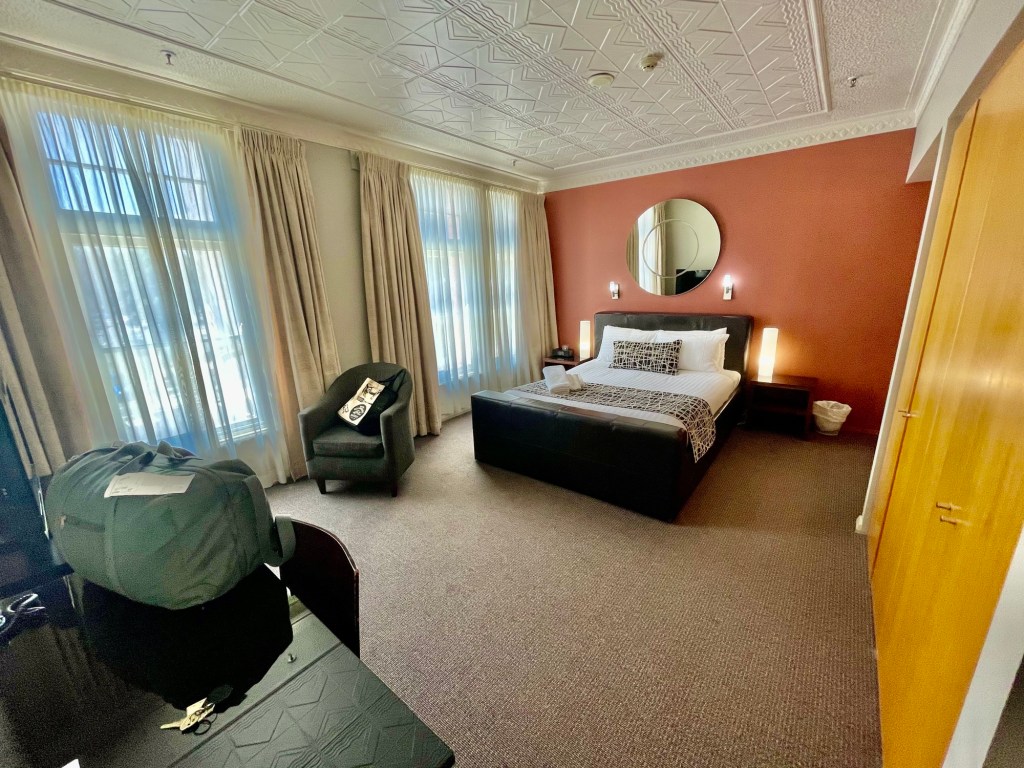
Newcastle is a harbour city 2 hours north of Sydney or 5 hours northeast from Canberra. It’s a small city with a few major streets to explore. We reached Newcastle just before 2pm and had a late lunch at a nearby popular burger place called Rascal. Their burgers were indeed pretty good and their Bailey’s milkshake was A+. We stayed at the Clarendon Hotel (https://clarendonhotel.com.au/) which was a lovely place central to the main part of town. The main floor of the hotel was a popular bustling pub.

The main attraction here is the Newcastle Memorial Walk and the beaches. To be honest, there isn’t all that much “to do” here in terms of tourist things, but it seems like a nice place to live with so many beautiful beaches around. We only stayed one night here, which was enough time for us to explore the city, but you’d need more if you wanted to add on some beach time. After seeing the local sights we headed back to the hotel for a little rest and ordered dinner from the pub downstairs to our room 😜.

Newcastle Memorial Walk

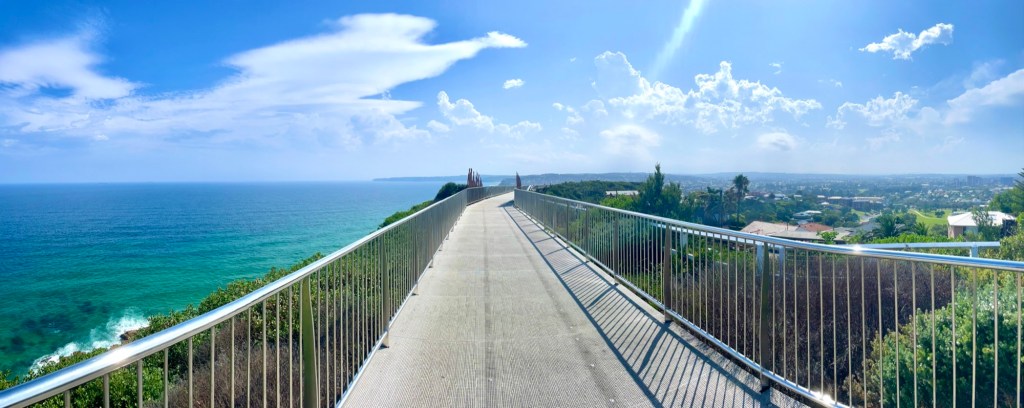
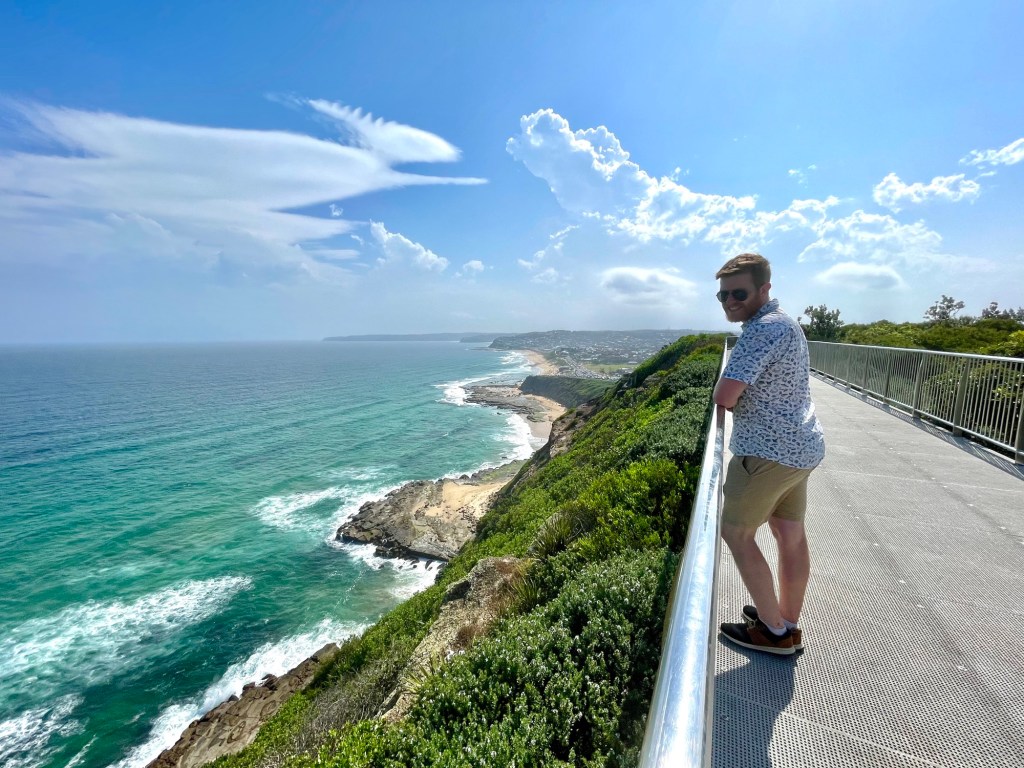
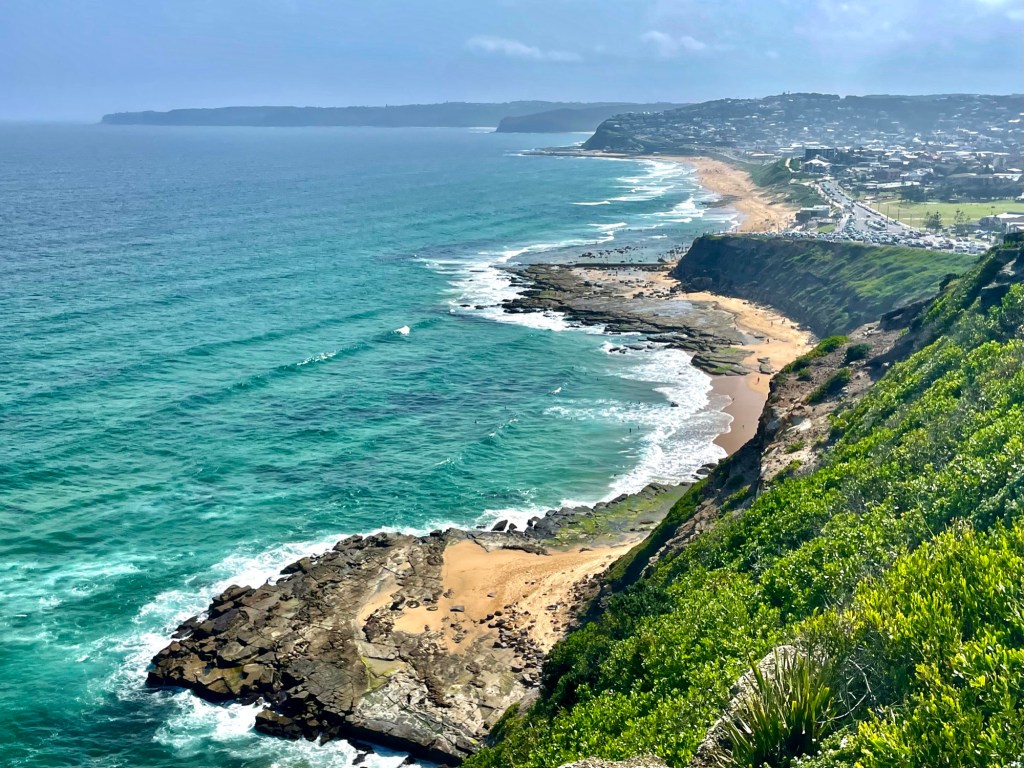
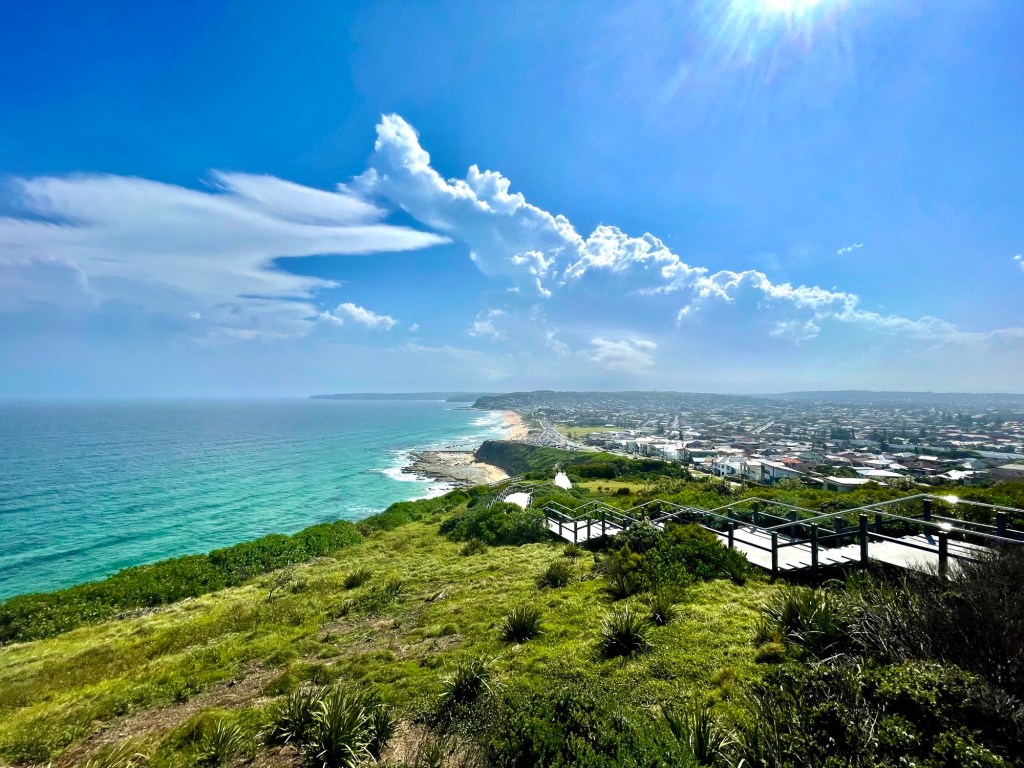
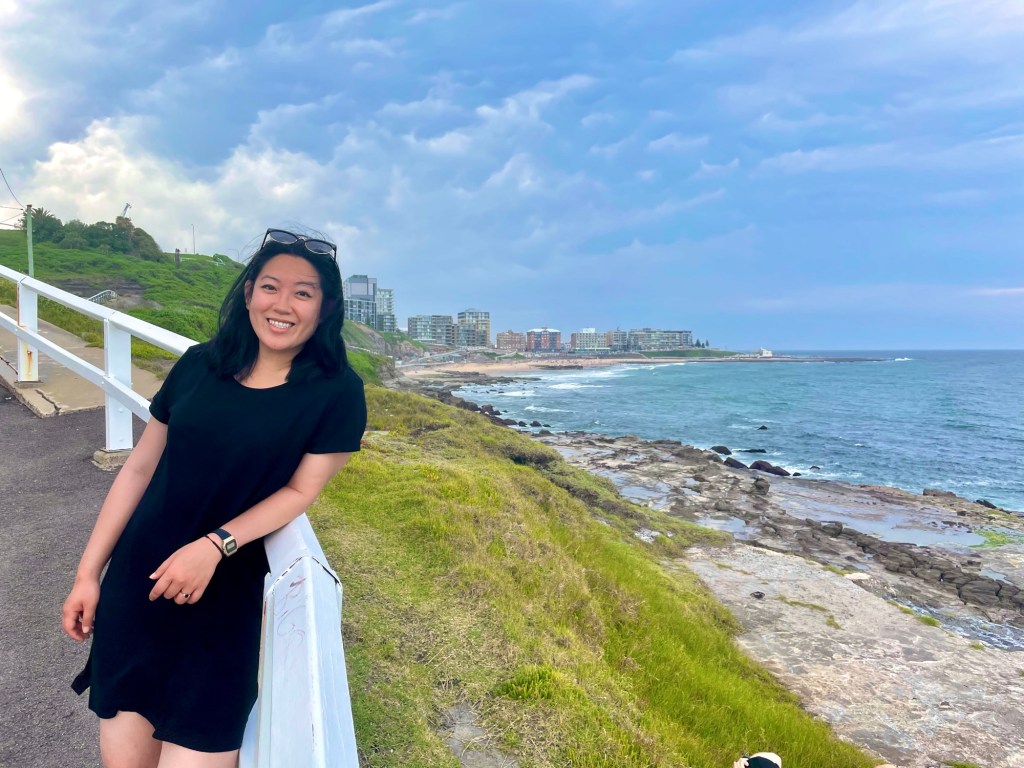
The Newcastle Memorial Walk is a beautiful scenic walkway that commemorates the “100th anniversary of the ANZAC landing at Gallipoli in 1915 and the commencement of steel making in Newcastle” – fact plagiarized from their website (https://newcastle.nsw.gov.au/explore/things-to-do/walking-and-cycling/newcastle-memorial-walk) 🙃. It’s high up on the cliffs so it was pretty windy when we went, but the views were absolutely stunning. We started at Strzelecki Lookout where we parked our car, and the path led us southwest along the coast where it connects multiple beaches with walkways that lead to beach level. We didn’t end up walking the entire path since it can go quite a long way.

Walk along the Esplanade

From the start of the Newcastle Memorial Walk at Strzelecki Lookout, you can continue walking north to the Shortland Esplanade for some more beautiful ocean-side views including a popular local swimming hole called the Bogey Hole. This walk will end near Newcastle Beach where you can continue on, or head back into the main part of town (see map below of our walking path).

Our walking route from the Newcastle Memorial Walk to Shortland Esplanade
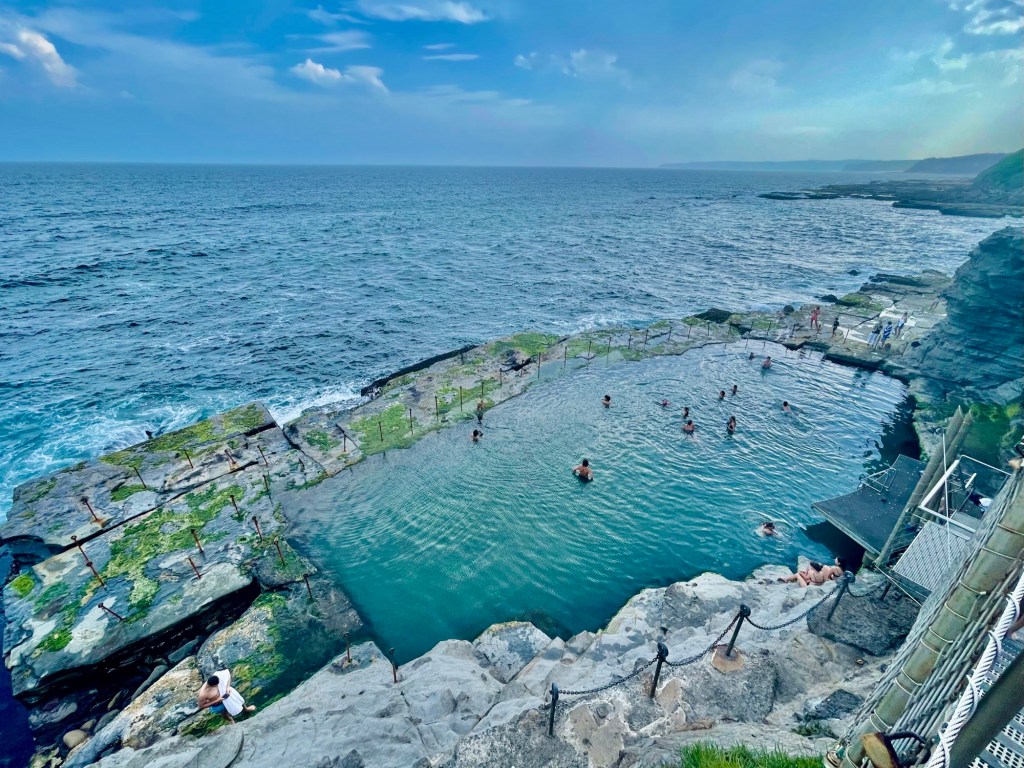
The Bogey Hole – a popular swimming spot right by the ocean
Newcastle Beach in the distance

Explore the City Streets of Newcastle

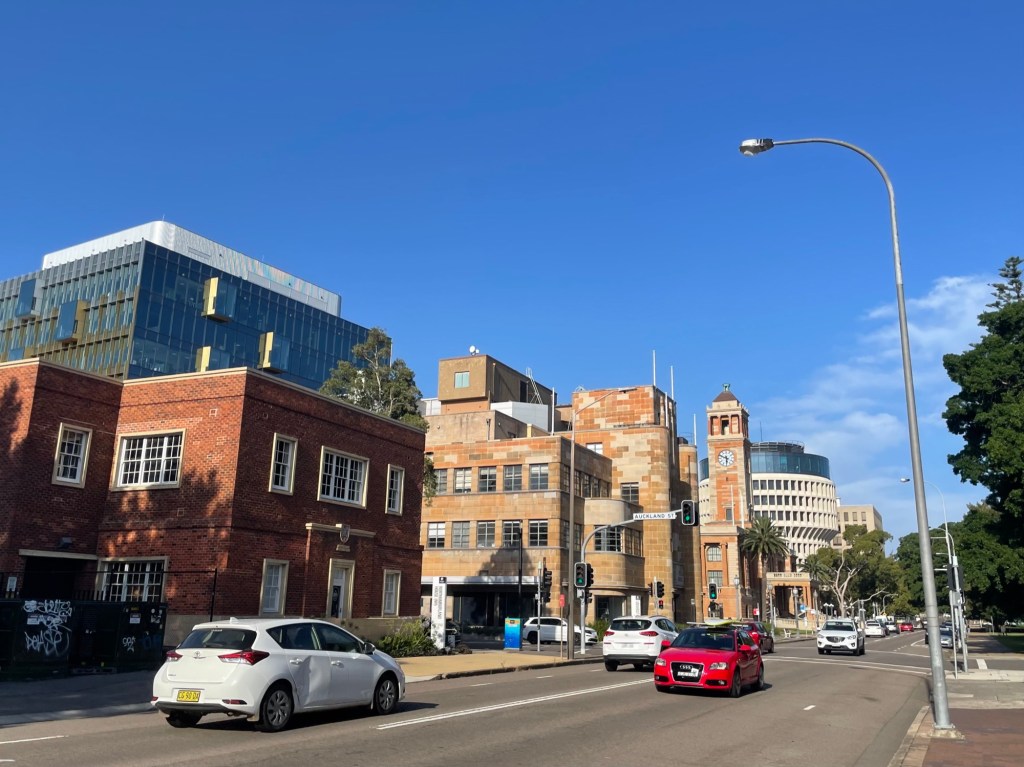
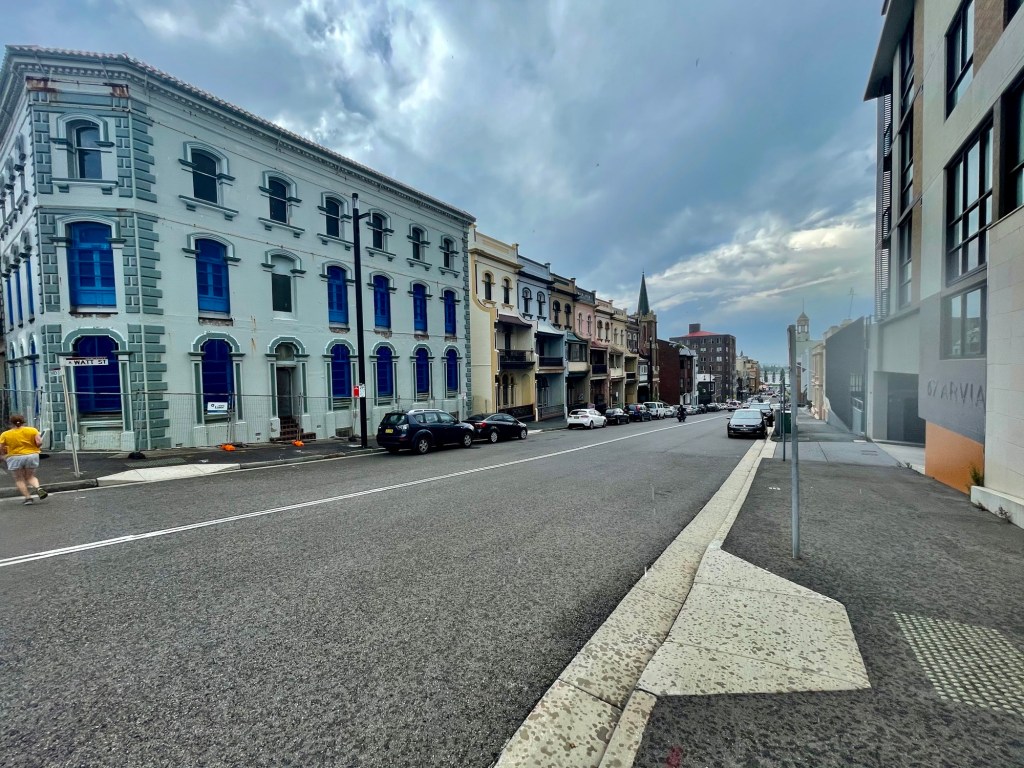
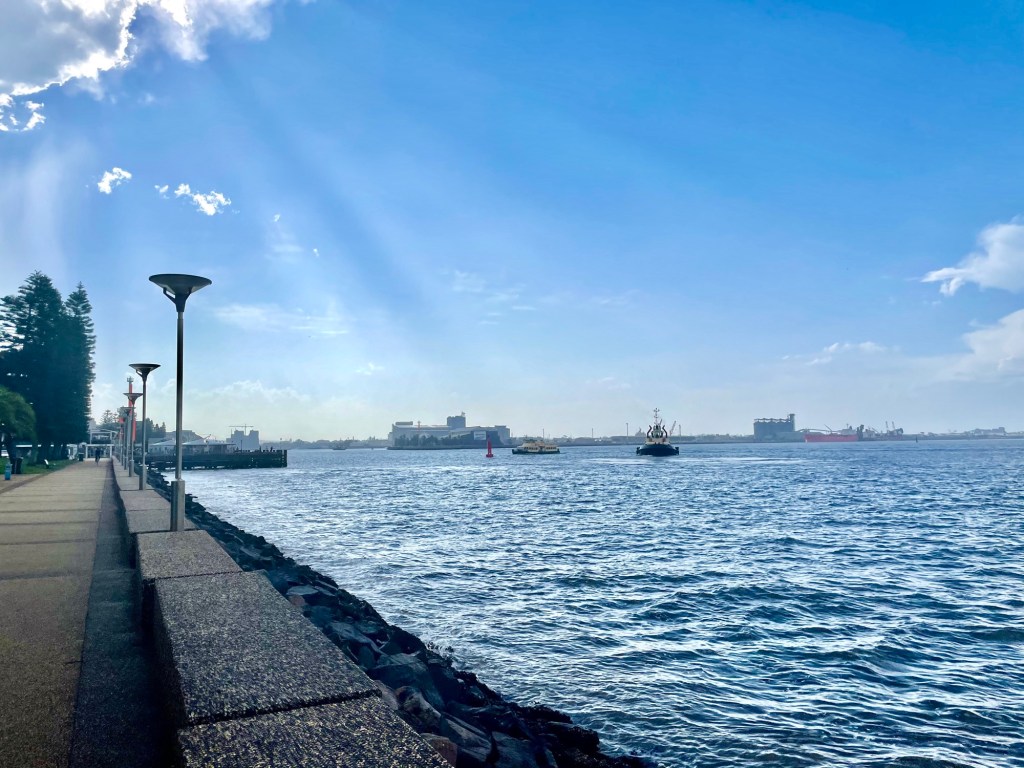
There’s not a ton to do in downtown/CBD Newcastle, but there a few streets with some shops if you feel like exploring. Lunch at Rascal was great and it was a nice little stroll by the wharf, but not a must-do if you’re short on time.

Address: 17 Bengal St, Coolongolook NSW 2423, Australia

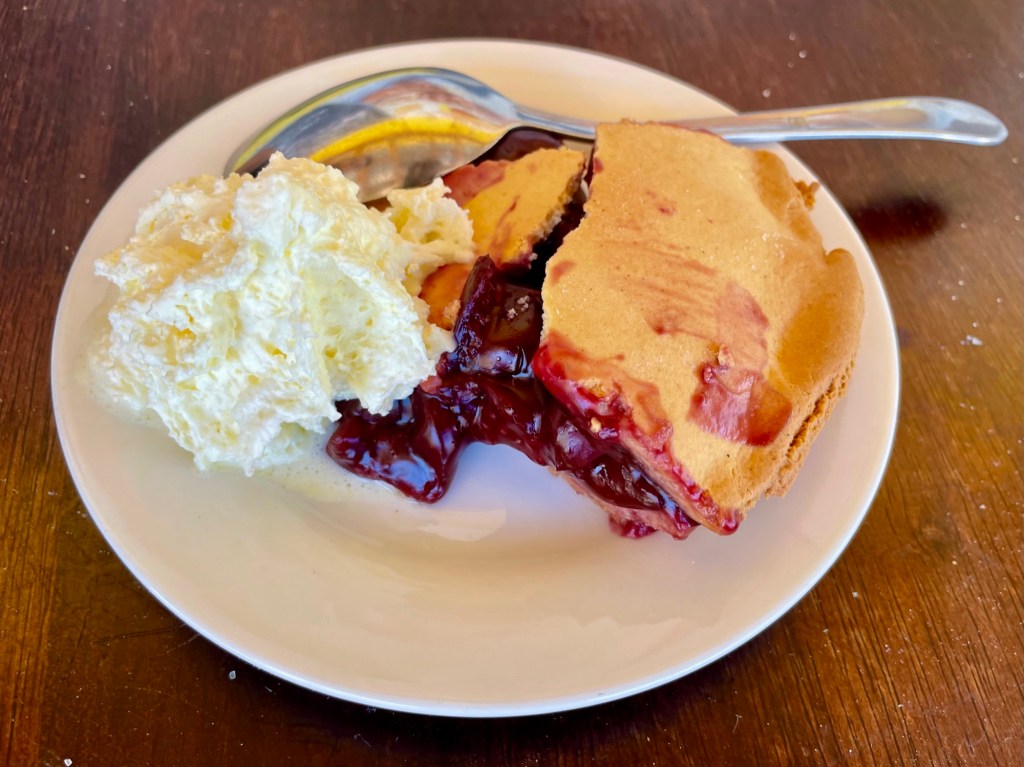
Andy’s Cherry Pie Cafe is a big beautiful yellow building off the side of the highway that screamed ‘Cherry Pies!’ so loudly that we had to pull over and give it a try. The building was big on the outside but the inside was less than exciting so we sat outside. Neither Toby or I have any strong feelings towards cherries or fruit pies and wasn’t really expecting much, so we bought one slice to share. This pie was so damn good that immediately after the first few bites, we went back in and bought a second slice.

Note: When we visited this place in 2021, there was a big ‘for sale’ sign of the business. From my recent Googling, it appears that this business is still up and running, now also serving kebabs and burgers. I have no idea what the pie tastes like these days since changing owners, but I hope it’s just as good as when we had it a few years ago!

Coff’s Harbour

(in progress)

Grafton

Grafton is not the most exciting town. In fact, unless you’re coming for the annual Jacaranda trees, there’s really not much to do here and would be a miss on most people’s road trip itineraries. The main streets are not that exciting with half the shops closed, and every now and then you’ll run into some dodgy characters. Toby and I were hired as relief vets to work at a clinic here for a couple of months. We had no idea what kind of a place Grafton was and probably should’ve done more research when we signed on, however the recruiter made it sound like such a lovely place with beautiful spectacular purple trees (failing to let us know that they only bloom a few weeks in a whole year). Nevertheless, we arrived and saw for ourselves that there wasn’t much to do here, however the people we worked with were amazing and so lovely that we ended up having a fantastic time and loved working here.

There are some local gems we did discover though, like the swimming area. There are also nearby towns and cities that we’d fill our time with mini road trips (see separate posts in progress).

Jacaranda Trees (early Oct – Nov)

The most well-known feature of Grafton are the Jacaranda trees that burst with beautiful purple flowers every year. Sadly, Toby and I didn’t get a chance to experience this when we lived in Grafton due to a mismatch of the season. The recruiter that hired us in Grafton used the trees as a selling point for us to come here, but they conveniently left out that it wouldn’t be the right season when we arrive 😒.

We’ve heard that people flock from all over the country to come see these beautiful trees every year. They’re only at peak bloom for a few short weeks (usually starting in October and by November many of the flowers will be carpeting the ground). Coming back to Grafton for the Jacaranda trees are definitely on my bucket list.

There’s even an annual Jacaranda Festival – https://www.jacarandafestival.com/

Fig Tree Avenue

Address: Breimba St, Grafton NSW 2460, Australia

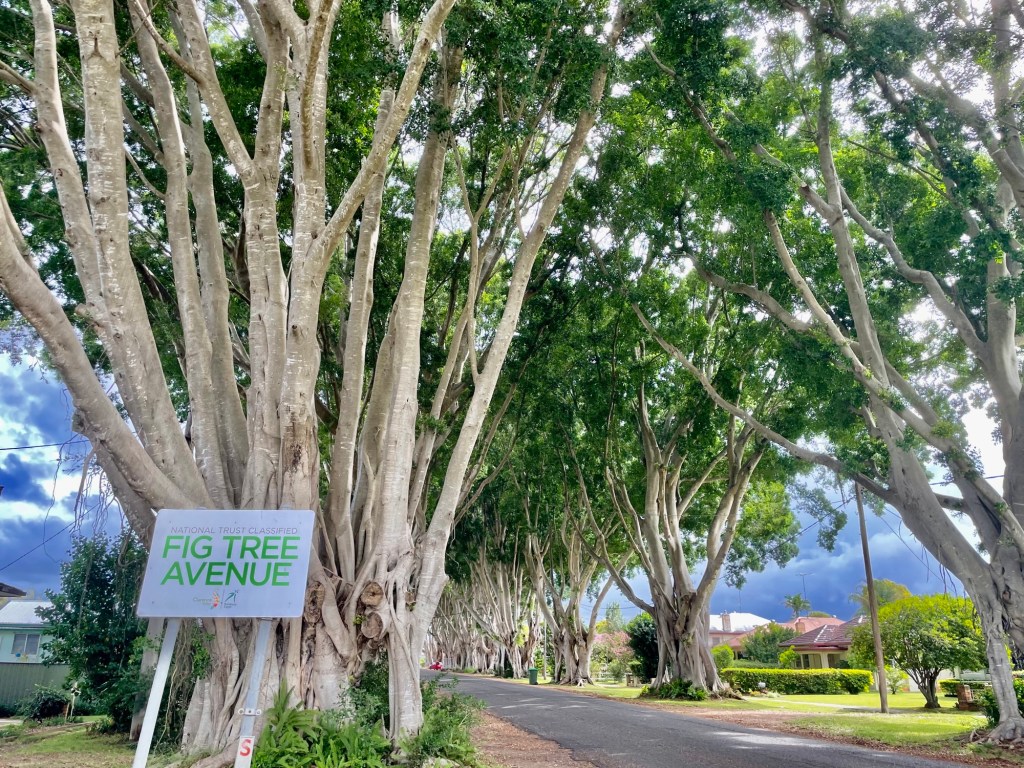
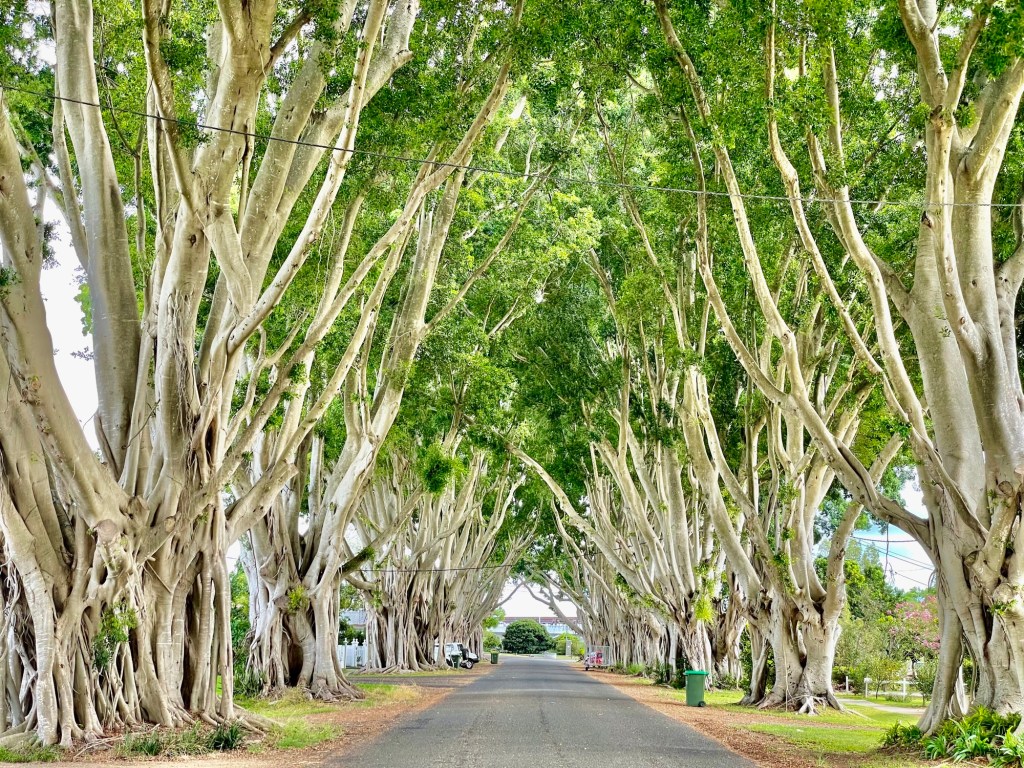
This avenue is lined with gorgeous enormous fig trees in the middle of Grafton. It’s surreal to walk amongst these 17 giant trees and makes a perfect photo-op!

Sherwood Nature Reserve – Scouts Falls

Location: No actual address, but enter Scouts Falls into Google maps to get a general location. There is a small car park on Sherwood Creek Rd near the Sherwood Nature Reserve sign immediately past the bridge over the Middle Creek.

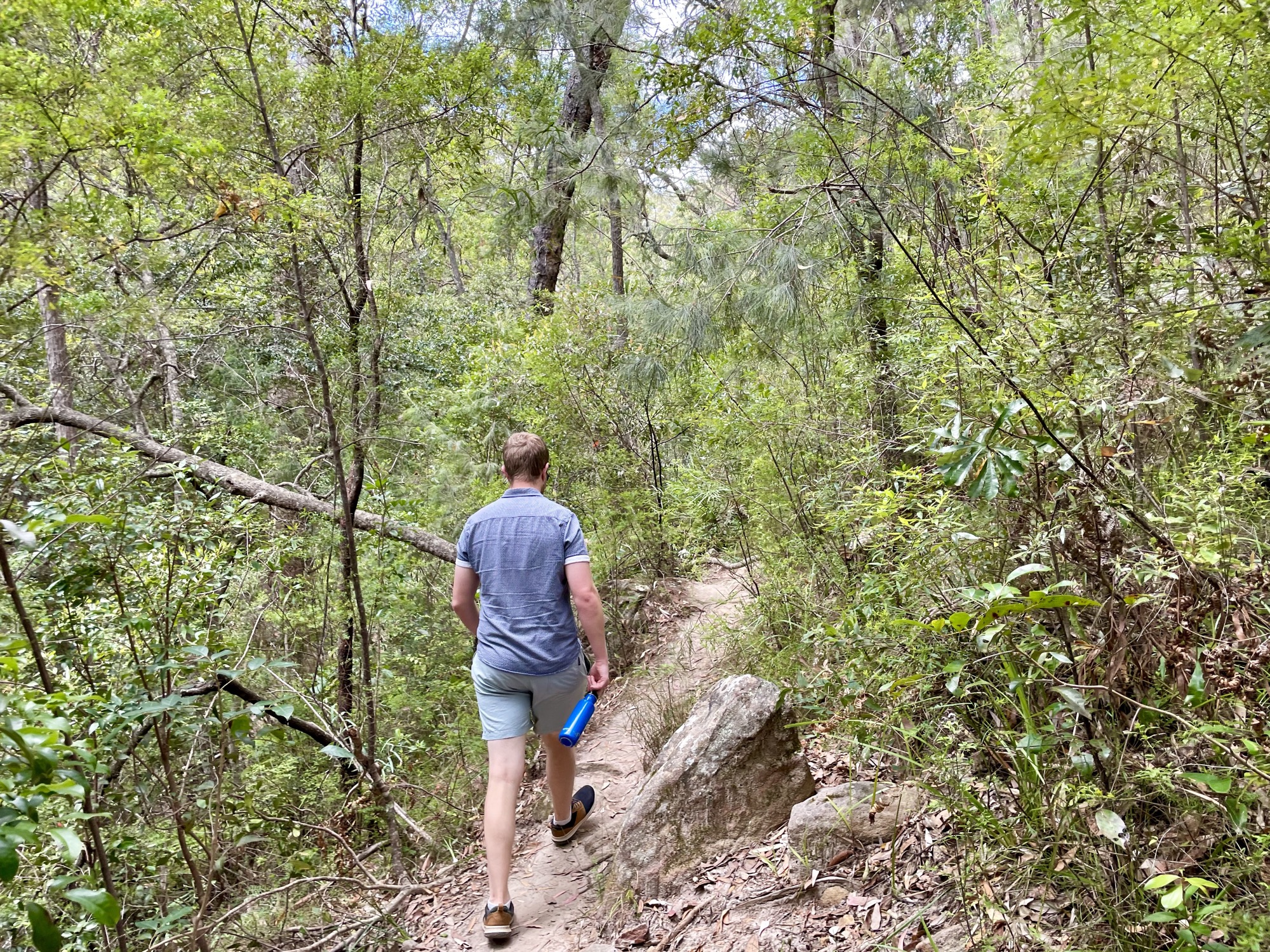
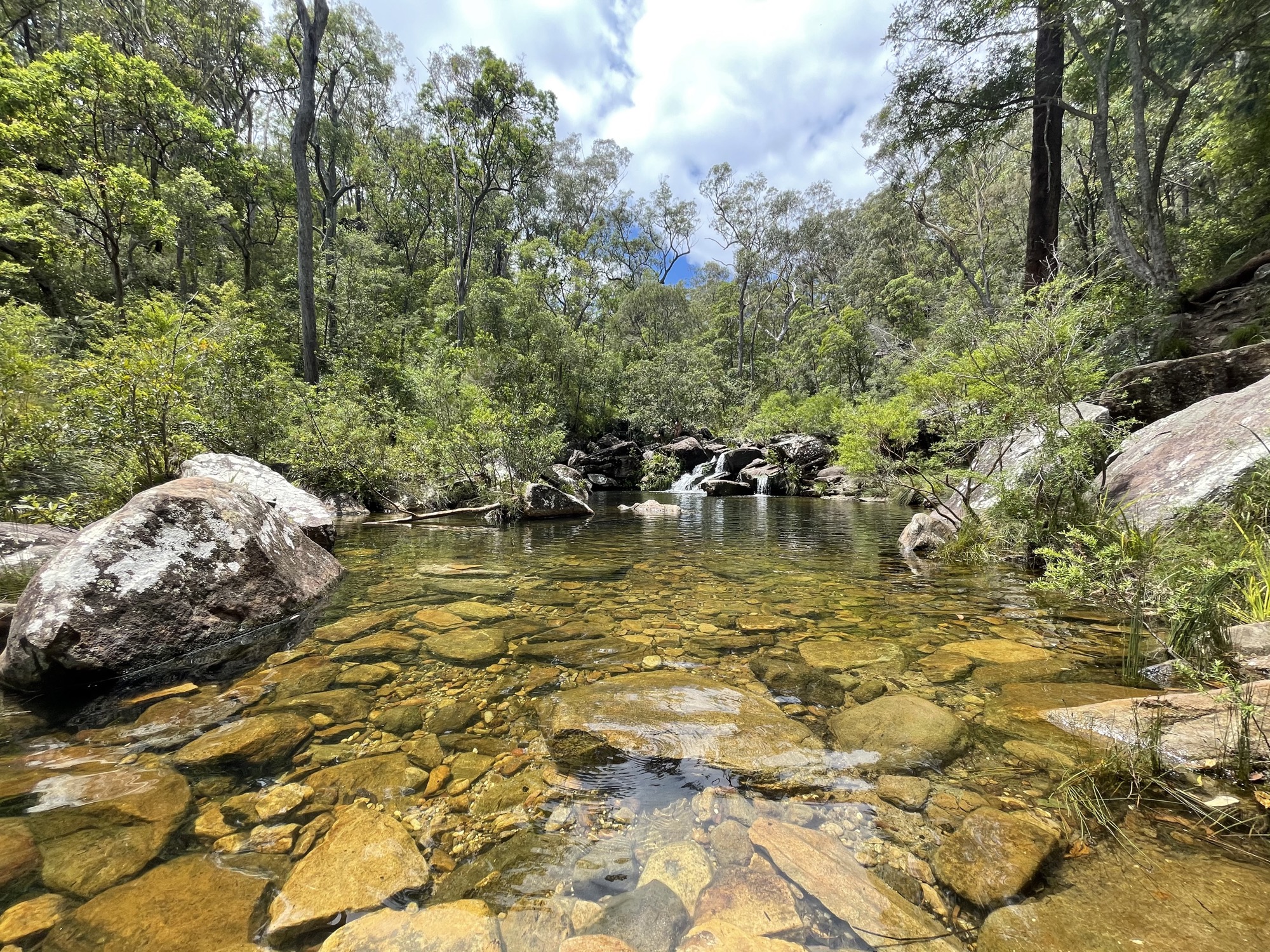
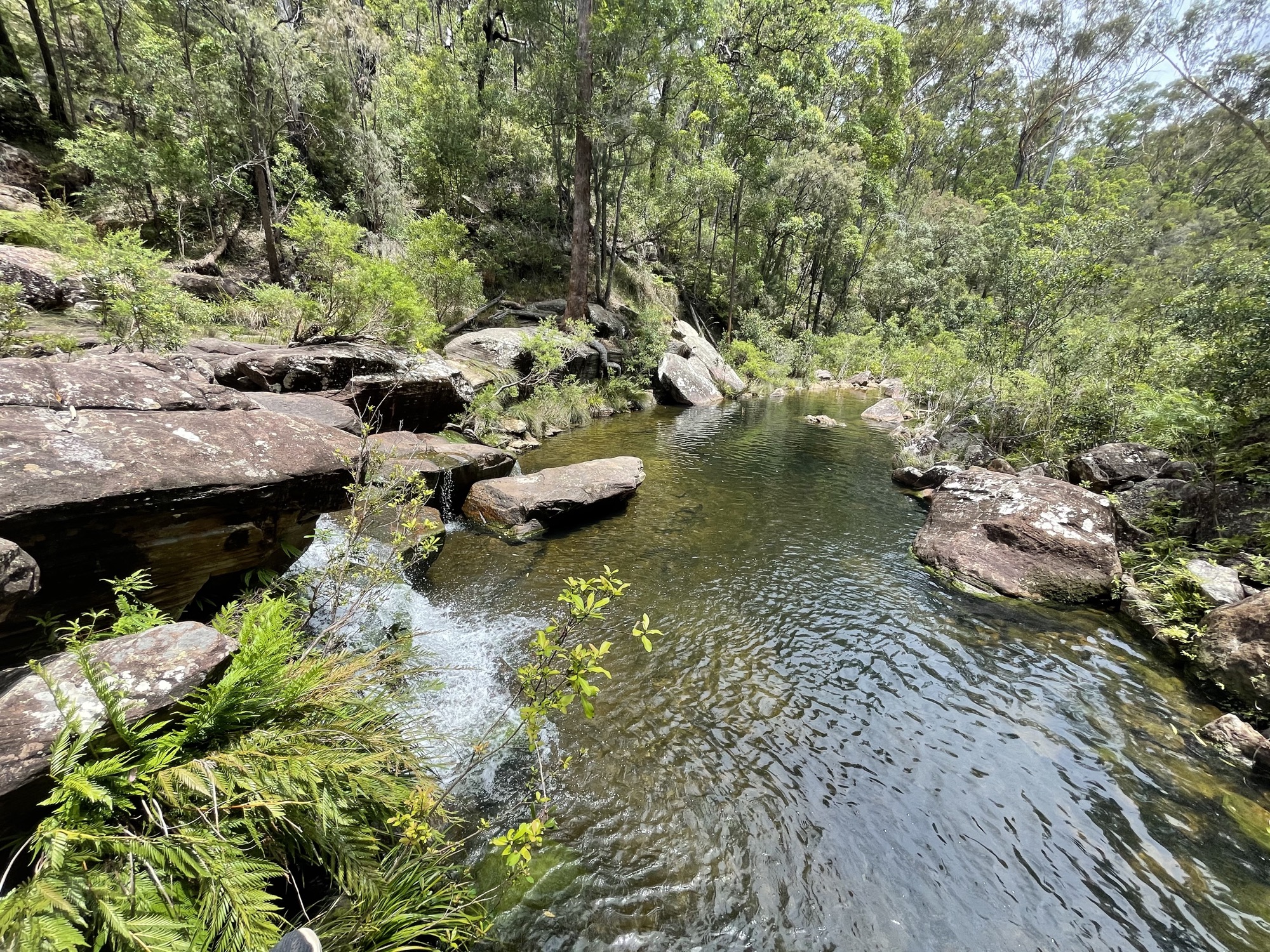
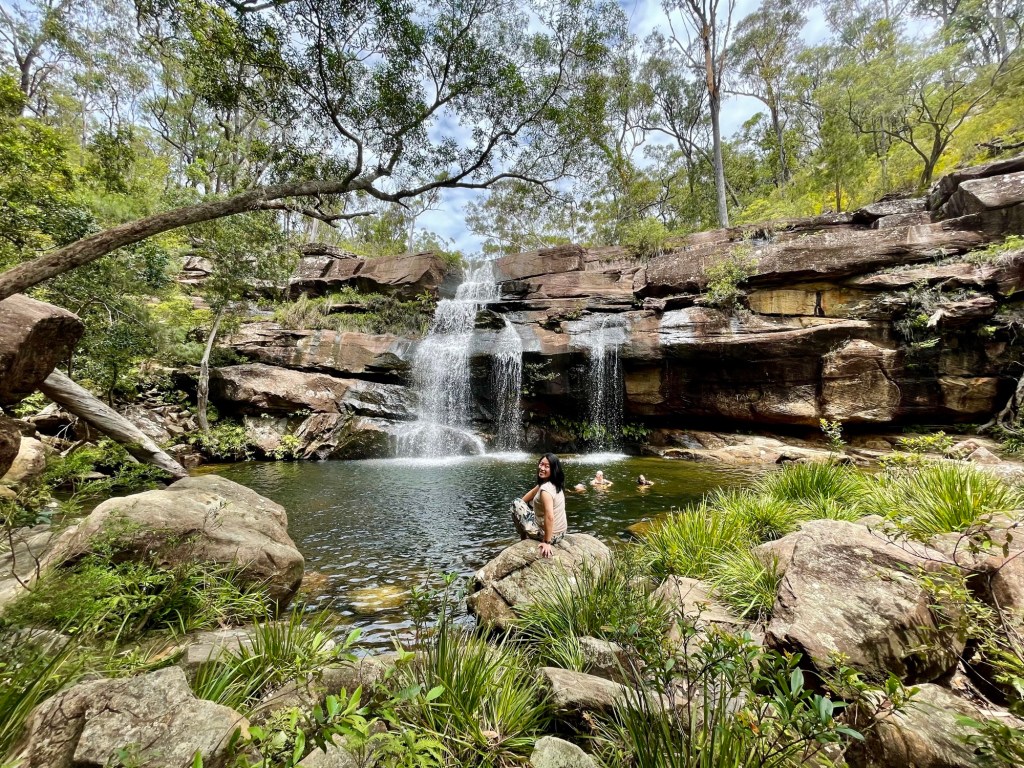
Nestled in the Sherwood Nature Reserve, Scouts Falls is a hidden gem known to locals as a popular swimming spot. The drive to reach this area is via a hilly dirt road with limited road parking and the walk itself is a bit treacherous with uneven ground, slanted steps, and exposed tree roots as a tripping hazard. Definitely bring some reliable shoes for this walk, especially if there was a recent rain to make the rocks slippery and the ground muddy. We saw a woman slip in her flip flops and get her foot cut up by the rocks (however in the same walk, we also saw children running around in their bare feet at full speed 😯). There’s limited signage so you just have to trust the trail and try not to trip on something. After all this, you’re rewarded with a beautiful waterfall that you can swim right up and under, as well as a pool that’s deep enough for some proper swimming. We’ve done this hike twice – the first was during a busy long weekend and we sadly didn’t think to bring our swim suits (we thought this would just be a waterfall viewing hike), so we sat on the edge of the rocks envious of all the people having fun in the water. The second time we came during a weekday and came prepared with our swimming gear. There was no one there the second time we went and it was so peaceful there to swim around under the waterfall.

Maclean

Maclean is a cute small town that we spotted on the map when I was looking for Asian grocery stores around the Grafton area. They did indeed have an Asian grocer, but it was super small and didn’t have what I wanted, however I’m glad we ventured out here because this town was small but cute. The main street had some nice coffee shops and stores to walk through. Maclean is also on the way to Iluka if you’re planning to go to Bluff Beach.

Iluka – Rainforest Walk & Bluff Beach

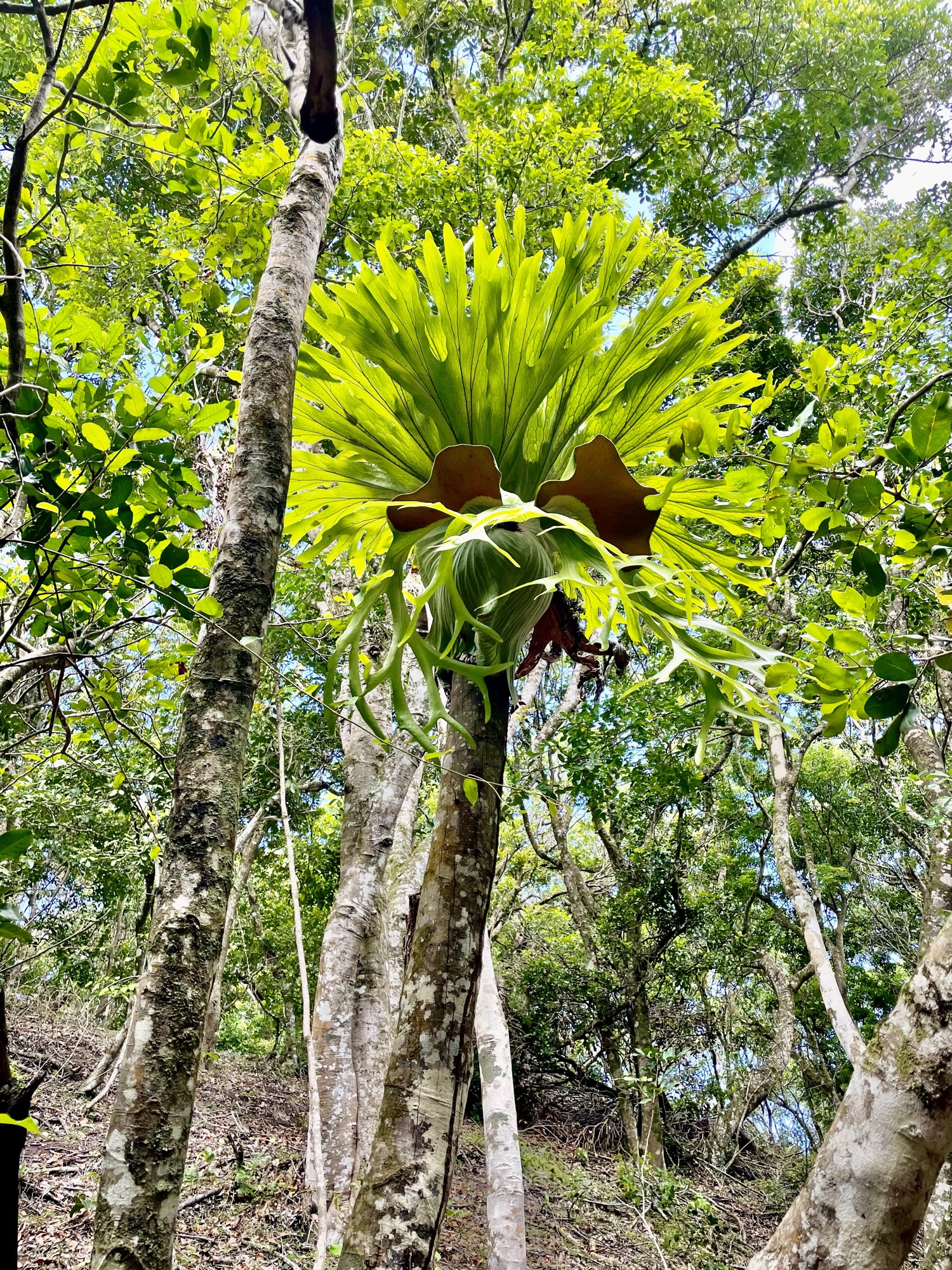
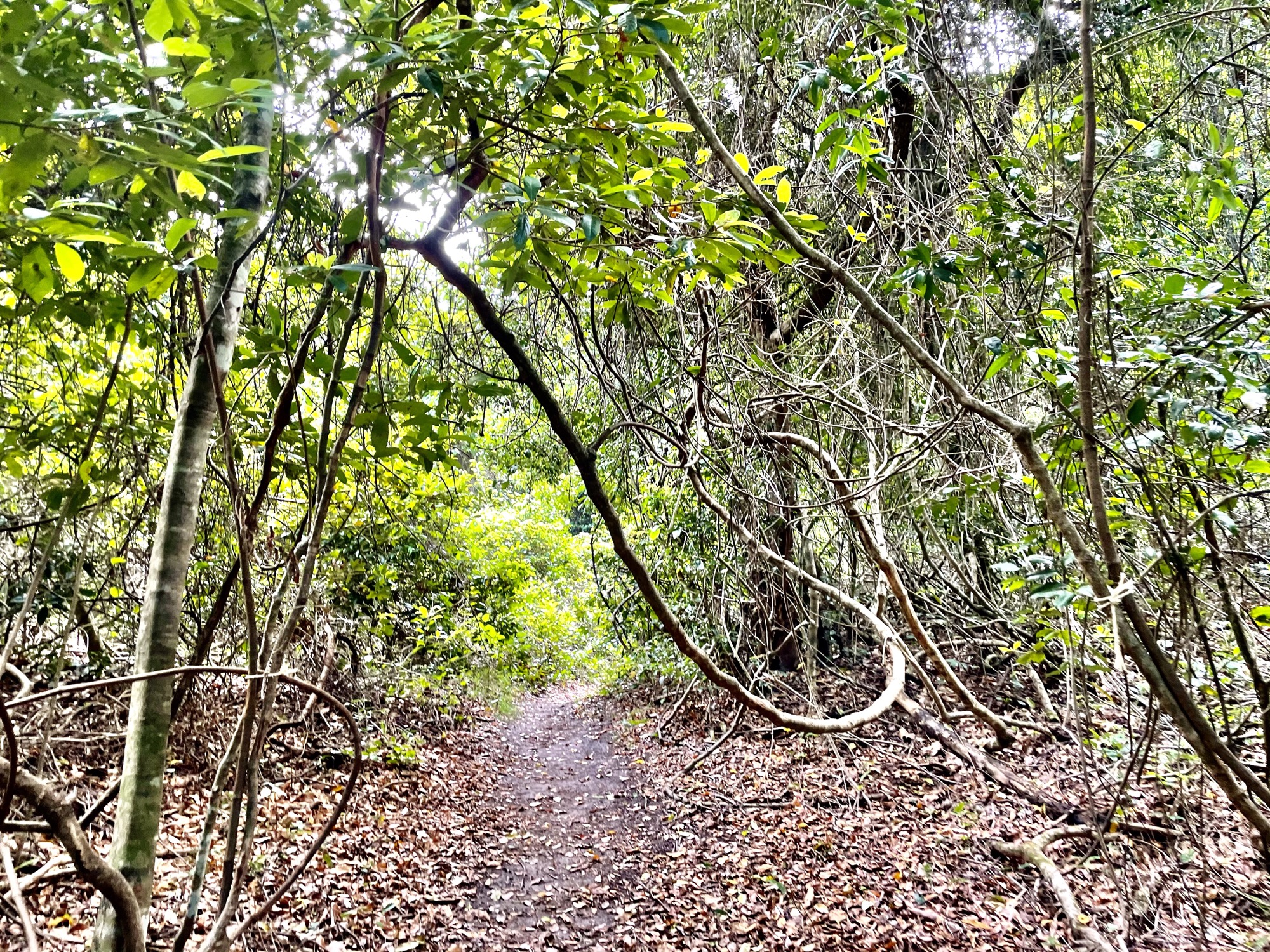
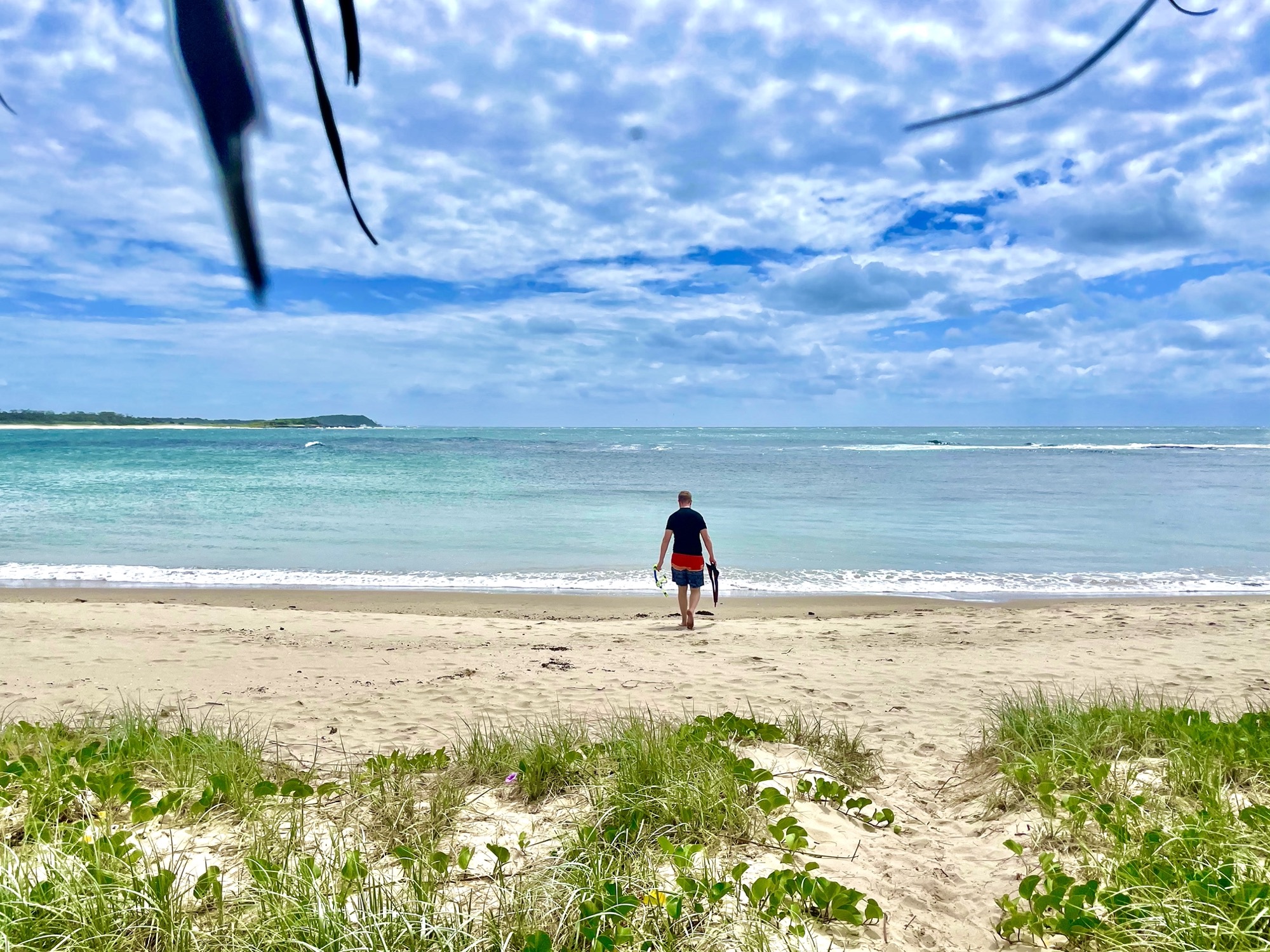
Iluka didn’t pop up on our radar when we were researching things to do around the area when we stayed in Grafton, however one of our co-workers recommended the rainforest walk connecting up to Bluff Beach. It was about an hour drive northeast of Grafton and we rented some snorkel gear at a local fishing shop. We parked our car at the side of the road and started the Iluka Rainforest Walking Track. It was an easy walk through the rainforest but it was a bit monotonous and not the most exciting scenery. It took just under an hour to reach Bluff Beach.

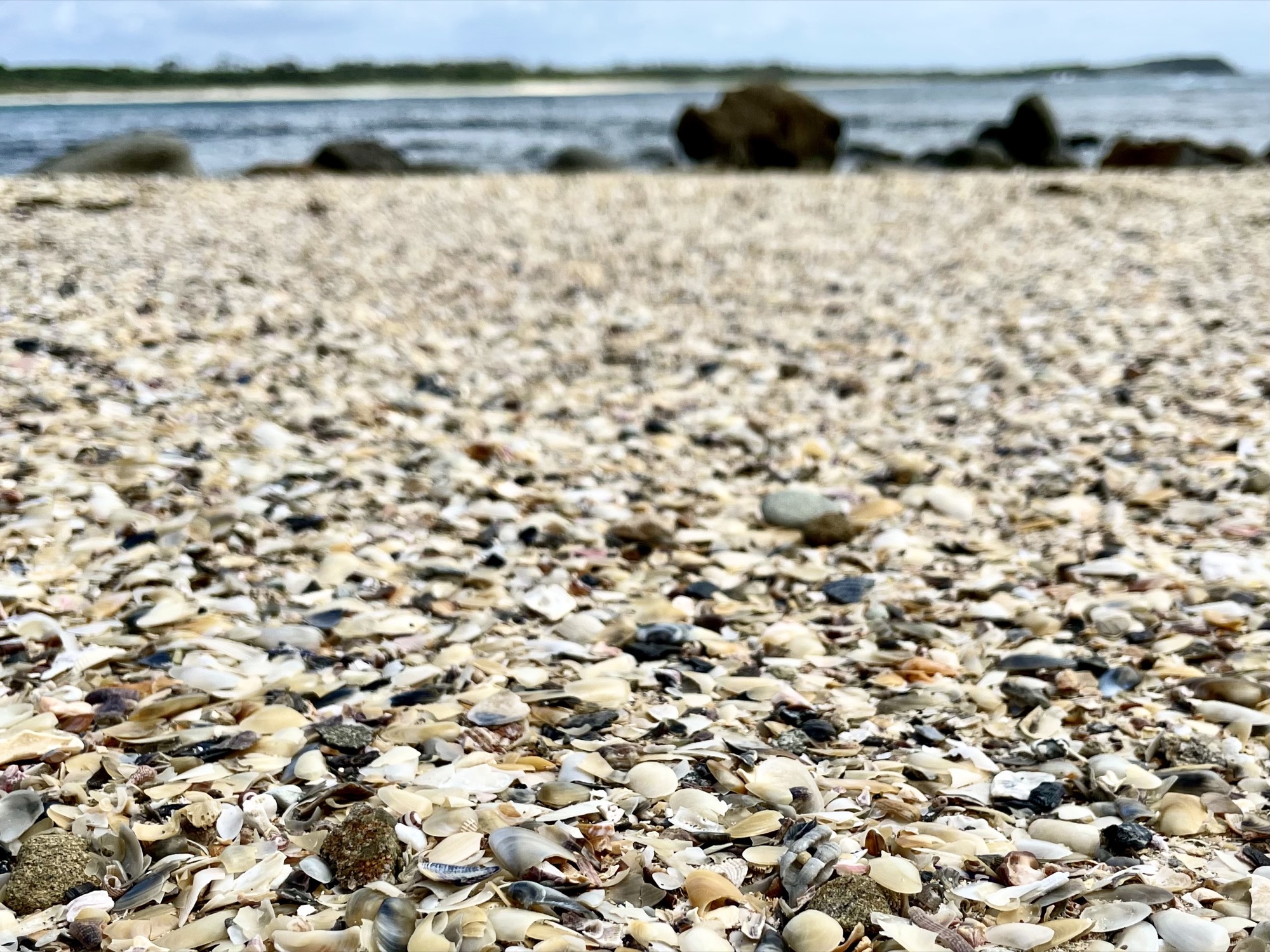
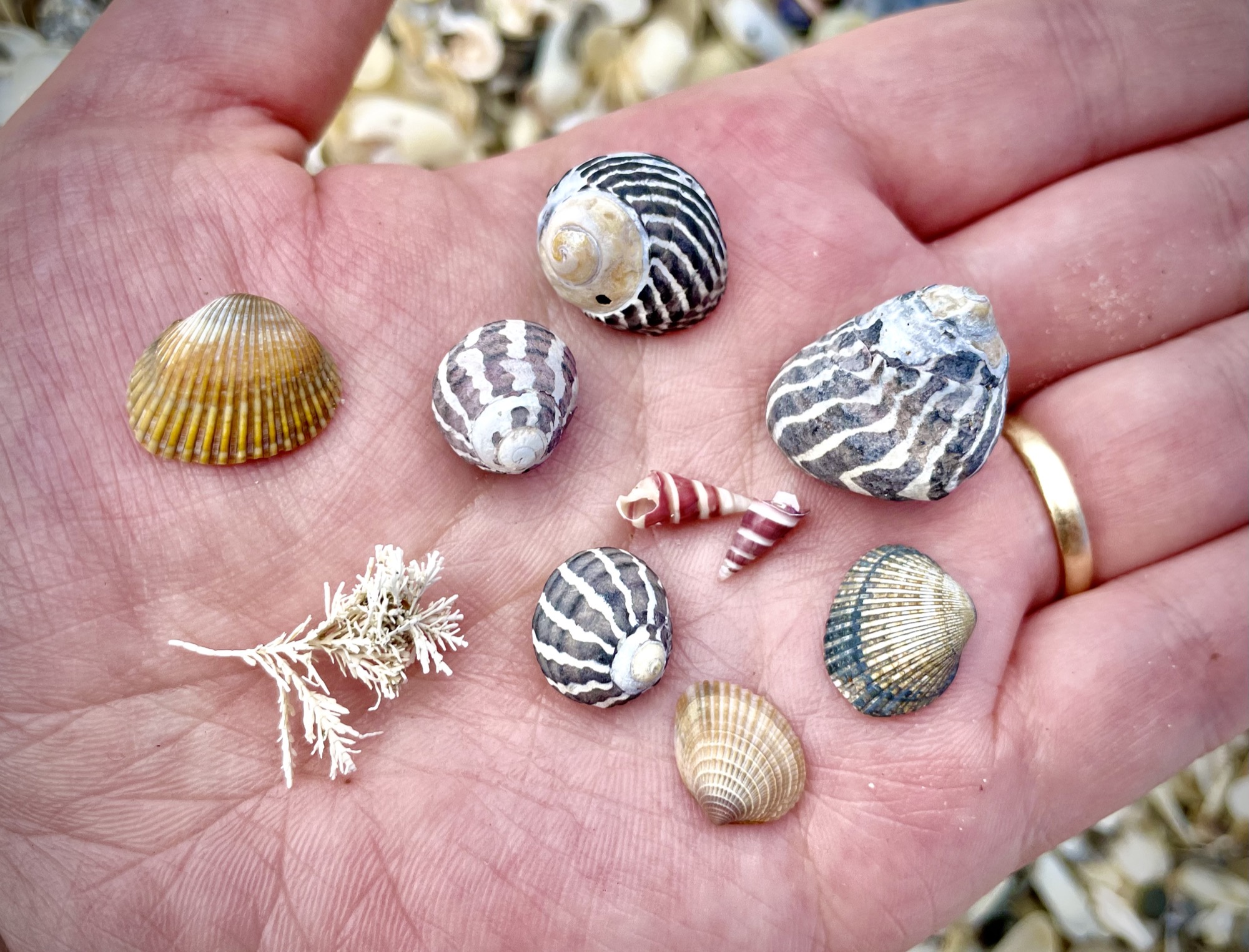
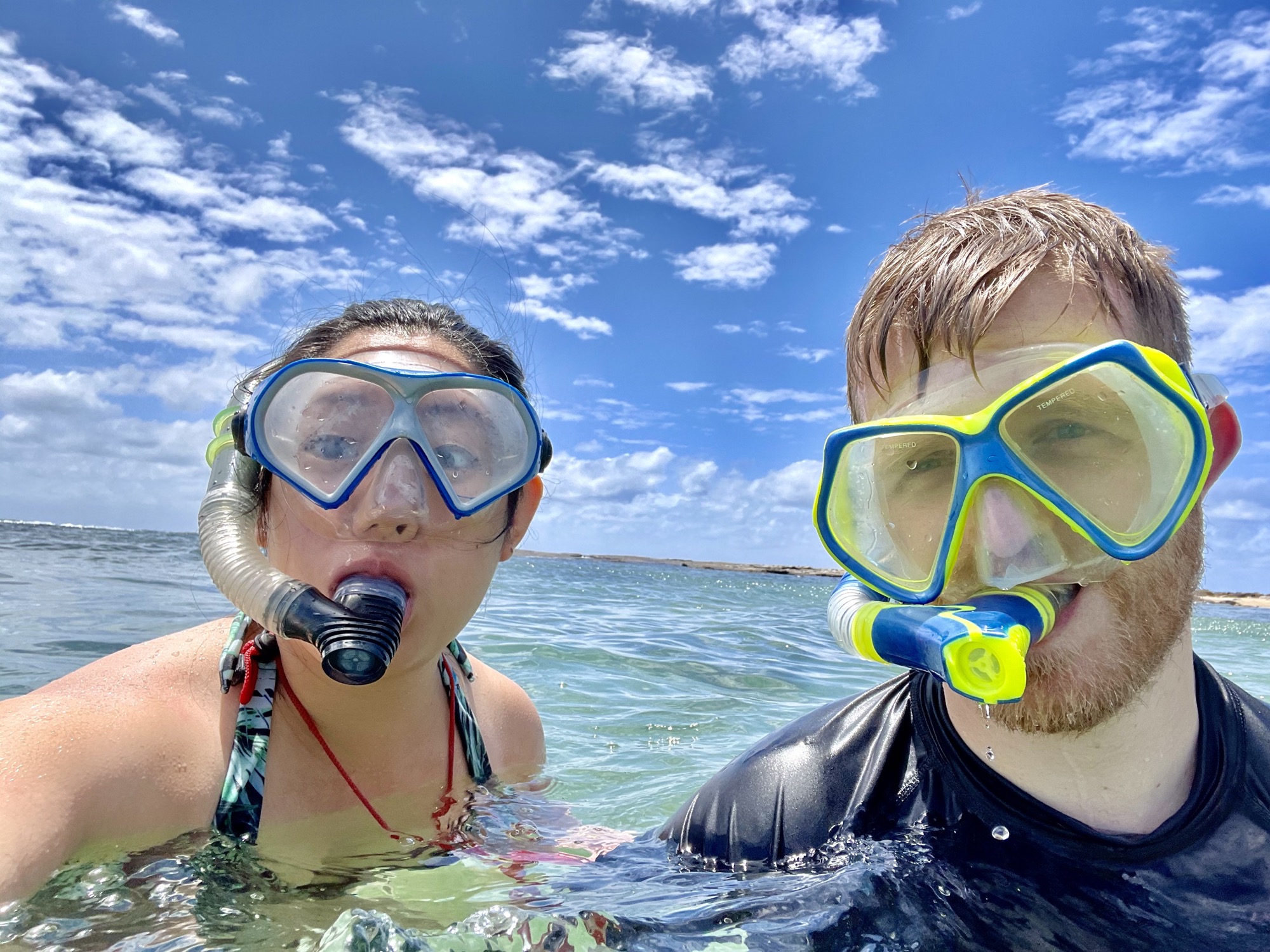
The beach was empty when we arrived and it was a lovely quiet spot with lots of small sea shells. We set our things down and went for a snorkel. The waters unfortunately weren’t that clear but we did see a few cool fish. I tested out my new Iphone in saltwater for the first time and it was indeed waterproof! This was the start to all my underwater photography for the rest of our Australia trip.

Thoughts on Iluka: Unless you’ve got lots of time, I’d recommend skipping Iluka. Although it’s a nice and quiet small town, the overall views weren’t mind-blowing. However, if you’re into nature walks and a quiet beach, then by all means pack a picnic lunch and a snorkel. You can actually drive to Bluff Beach instead and skip the rainforest walk if you’d rather just enjoy the water views.

Byron Bay

(in progress)