

Date Published: Nov. 12th, 2025 | Last Updated: Nov. 12th, 2025
Author: Abby | Category: Travel, USA
Date of travel: June 9-10, 2025
Being veterinarians, Toby and I get super excited about nature and different species of wildlife so of course when I found out about the horseshoe migration in Delaware, we just had to go! Toby had actually never seen a horseshoe crab in person before until last year at the New Jersey Science Centre and it blew his mind (they don’t have them in Australia)! The chance to see thousands of them in their natural habitat was something we just couldn’t pass up.

Horseshoe crabs are an amazing ancient species with fossils dating as far back as 445 million years – predating the dinosaurs! Despite the name, these incredible “living fossils” aren’t actually related to crabs at all! They’re related to the extinct trilobites and more closer related to spiders. They have fascinating anatomy and look unlike anything else on this planet – they kind of remind me of a Pokémon 😅.

When we were planning for our Delaware trip, there was surprisingly very limited information available on seeing the horseshoe crab migration. I thought this would’ve been a big tourist attraction for this amazing once a year event, but apparently not! After scouring the internet, I managed to piece together enough information for our trip and I’m sharing it here with you all!
If you want to learn more about horseshoe crabs, I found this website very helpful and informative in our research and education on the horseshoe crab, I highly recommend checking it out: https://horseshoecrab.org/

What is the Horseshoe Crab Migration?
Once a year, millions of horseshoe crabs make the journey from their natural habitat in the deeper ocean to the shallow coastal areas to spawn. This is one of the world’s oldest and largest wildlife migrations – it’s like witnessing a Planet Earth special in real life!

During spawning, the egg-laden females emit pheromones to attract the males and a single male will attach to the back of the female with special clasps. Once attached the pair will make the journey to the shore (pretty much a free piggy-back ride for the male who is usually much smaller in size than the female) where the female will deposit her eggs in the sand and the male will externally fertilize the eggs at the same time she deposits them. Although there can only be one male that attaches, often there are “satellite males” that huddle around one female in hopes of also fertilizing the eggs.

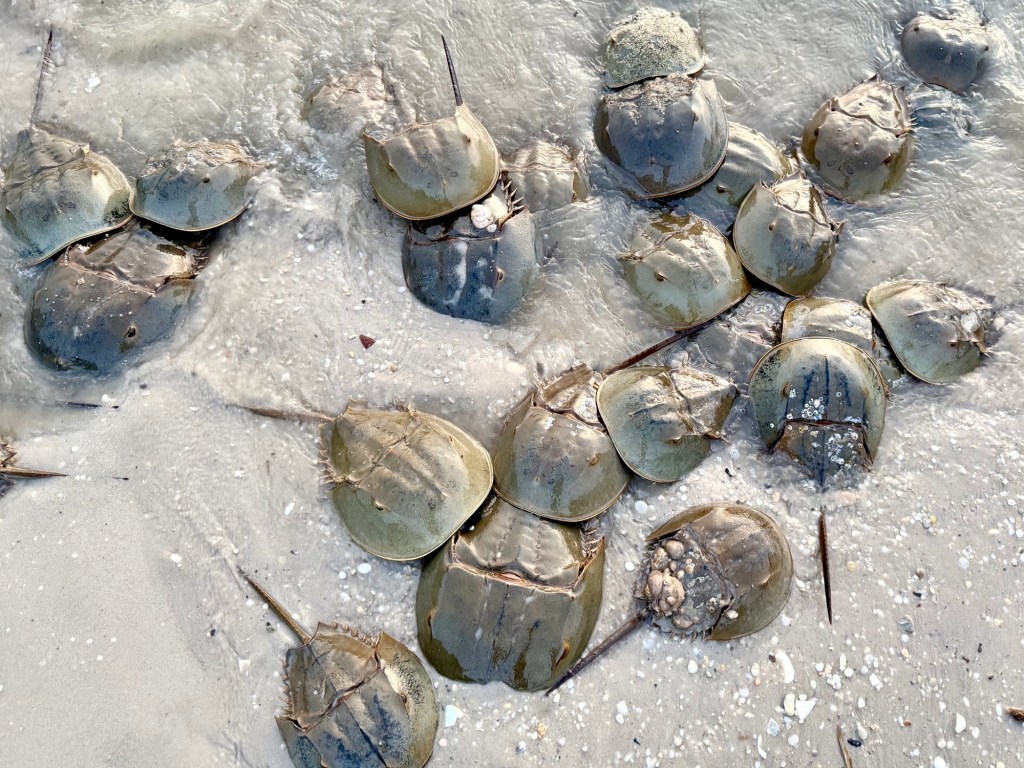
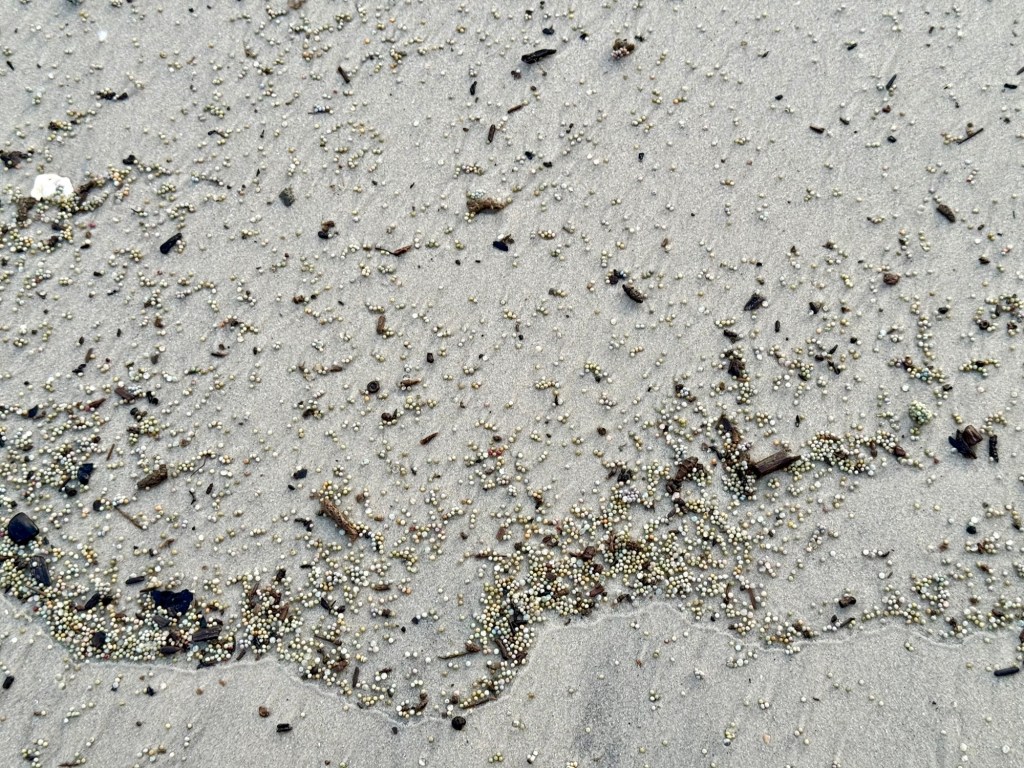
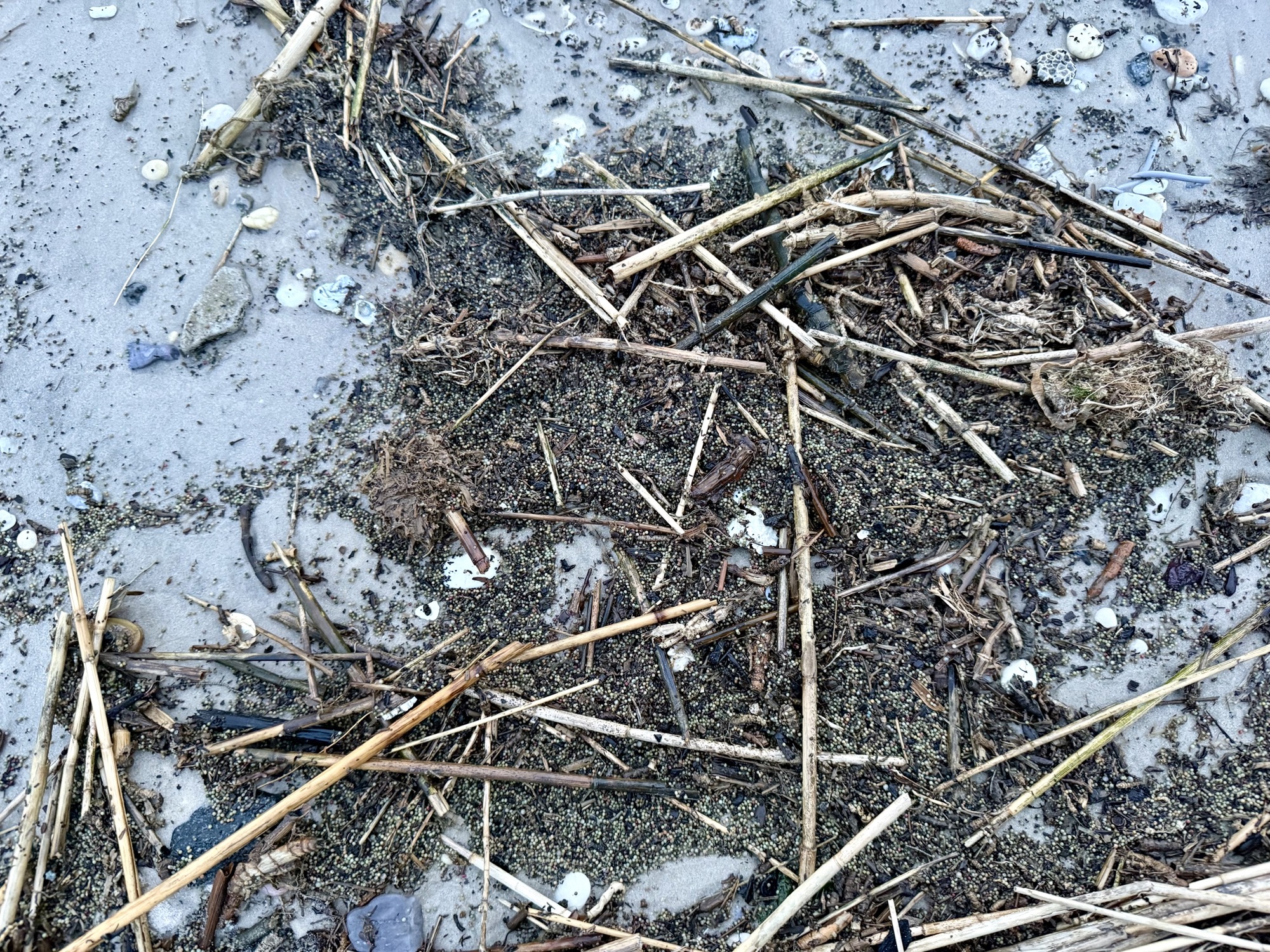
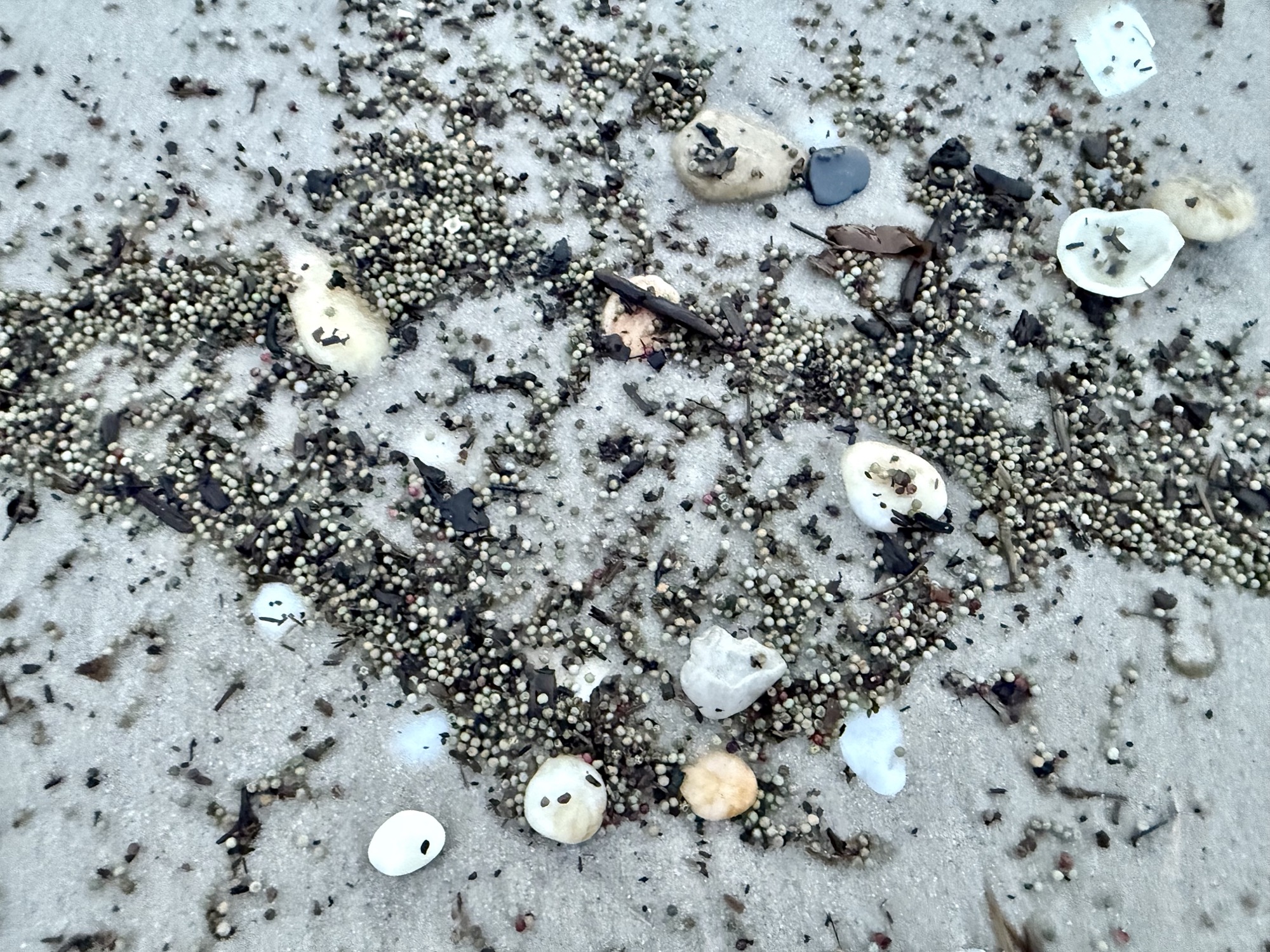
Incredibly, one female can lay 80,000 eggs in one season!!! 🤯🤯🤯 You’ll see millions of little tiny dark green eggs on the shore during the migration. These eggs provide a nutritious source for migratory birds, so you’ll also see tons of signs for migrating birds in the area at the same time.

Where to see the Horseshoe Crab Migration?
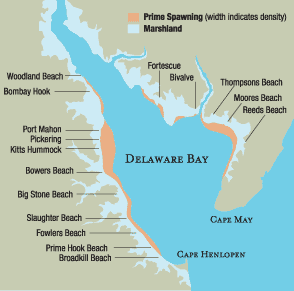
The Delaware Bay is the most popular place to see the horseshoe crab migration due to its location and protection from large ocean waves as well as sandy beaches. The states of Delaware and New Jersey surrounds the Delaware Bay so you should be be able to see them on either the Delaware side or the New Jersey side. Luckily there is a ferry that connects Lewes/Cape Henlopen and Cape May so you can check out both sides if you have the time (trip takes 1.5 hours one-way)! We had better luck on the New Jersey side this year but we were also two days away from the full moon on the Delaware side and only one day away from the full moon on the Jersey.
Selection of the perfect spawning site can depend on a number of factors including how coarse or fine the sand is, how quickly the sand drains, sediment of the beach…etc. The most preferred sites are usually next to large intertidal sand flat areas. Thankfully horseshoecrab.org provides a map of the popular spawning sites with the highest densities on their website seen above.
You can try your luck at any of these beaches, but since there’s only so much time between evening high tide and last light, you won’t be able to visit all of them to see the crabs before the sunset. Here are a few recommended beaches that I came across in my research:
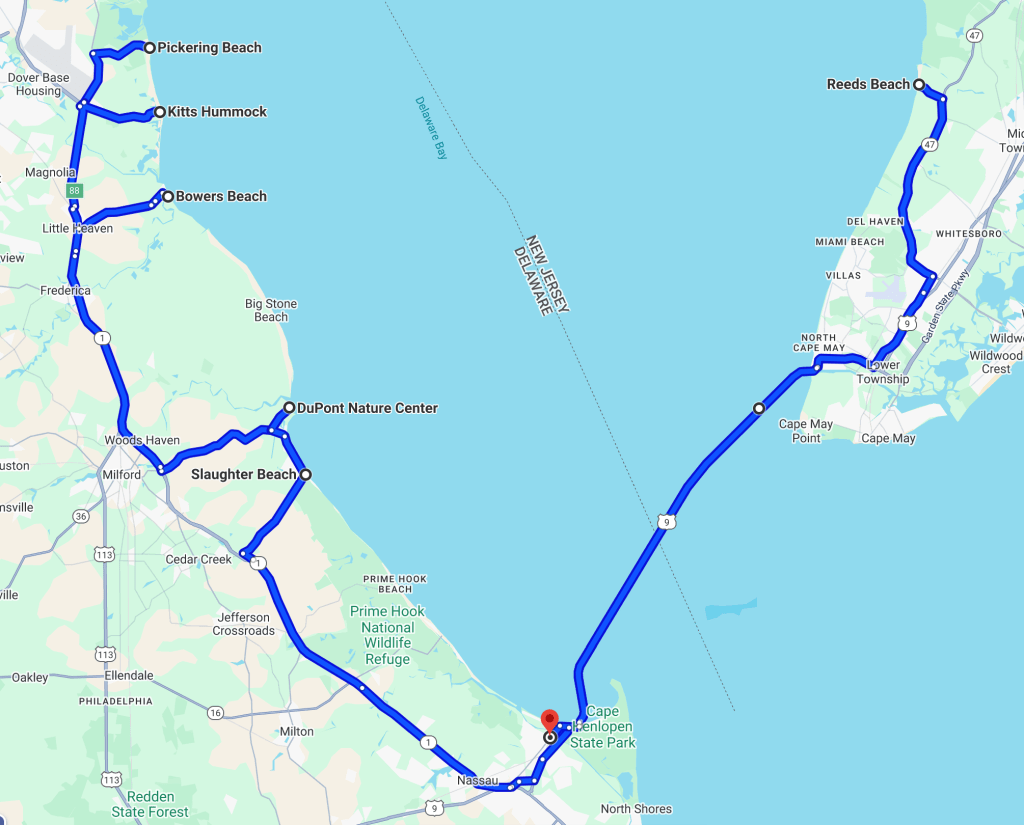
Pickering Beach, DE: An official horseshoe crab sanctuary with limited public parking spaces along the road near the public access to the beach. Roughly 15 minutes south of Dover.
Kitts Hummock, DE: Another official horseshoe crab sanctuary, also with limited public parking spaces along the road near the public access to the beach.
Bowers Beach, DE: A public beach within a small bay community. There’s plenty of beach parking in a public lot on South Flack Avenue a block away (type in “Bowers Beach Parking Lot” on Google Maps or 102 South Flack Avenue, Frederica).
DuPont Nature Center, DE (2992 Lighthouse Road, Milford): This is NOT a place to see horseshoe crabs in their nature, but instead it is an education centre with interactive exhibits if you want to learn more about the horseshoe crabs!
Slaughter Beach (354 State Road 15, Milford): One of the most popular hotspots, has plenty of parking.
Reeds Beach, Middle Township, NJ: One of the more popular spots on the New Jersey Side to see the migration due to its closer vicinity to Cape May.
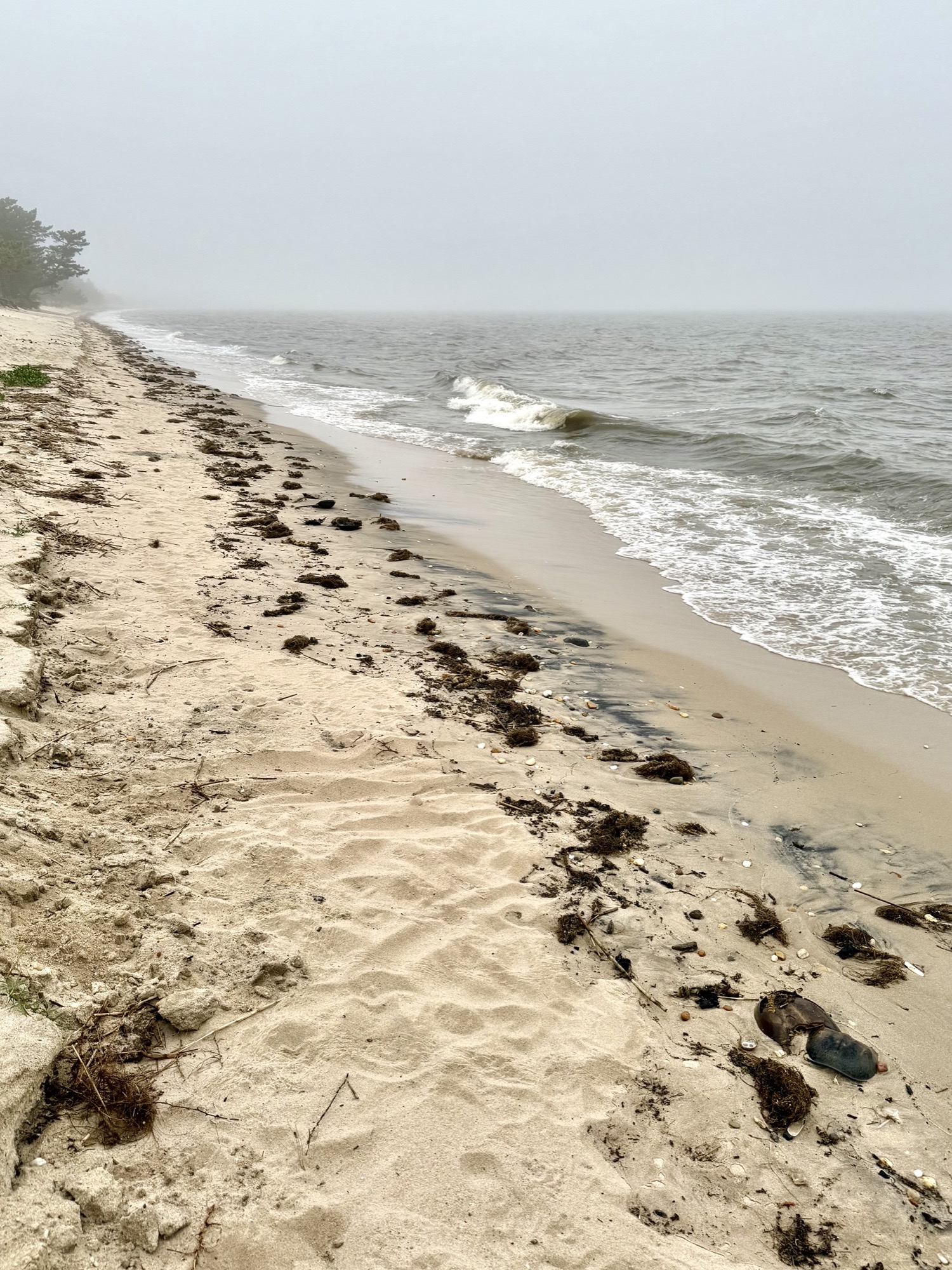
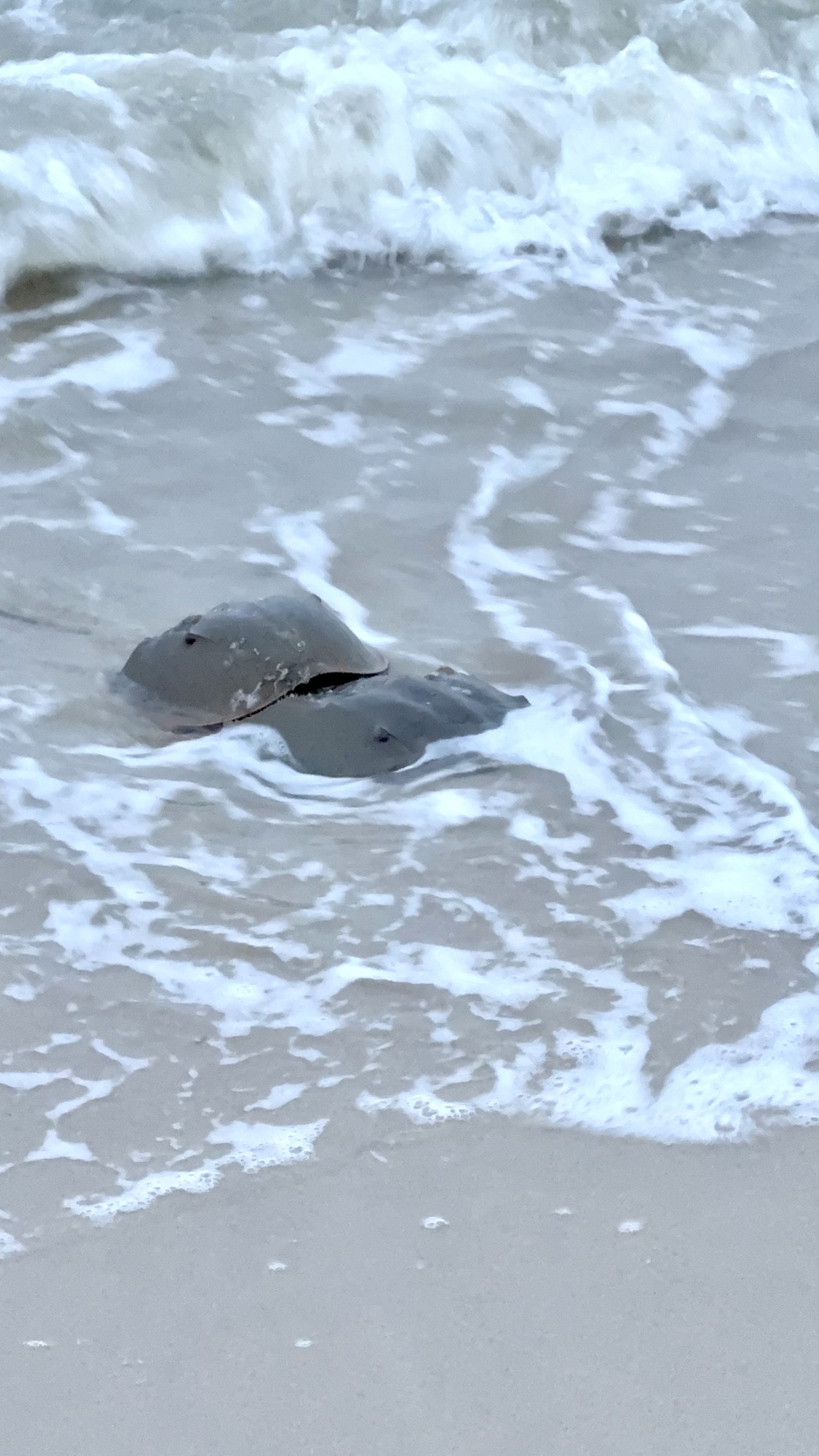
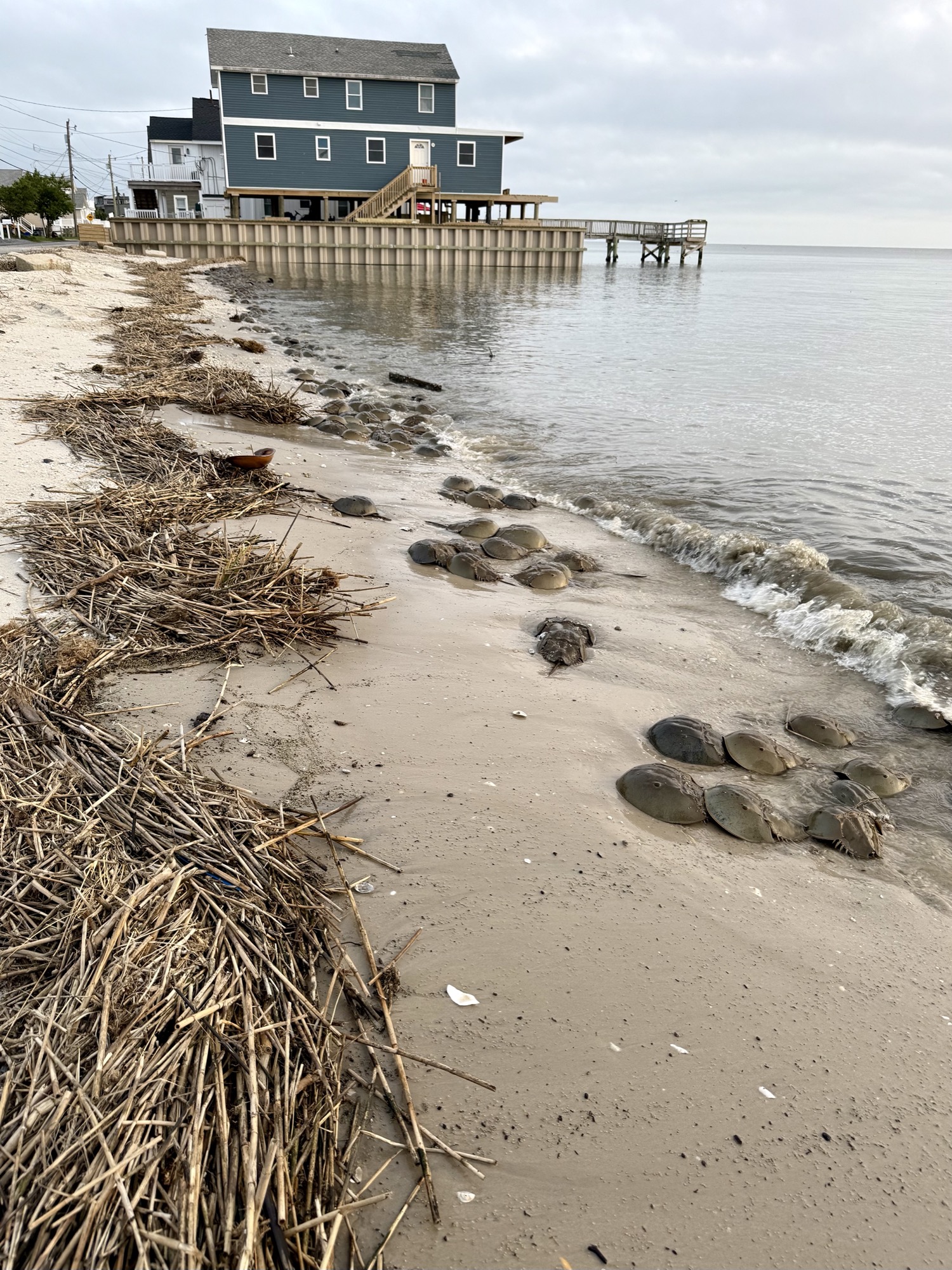
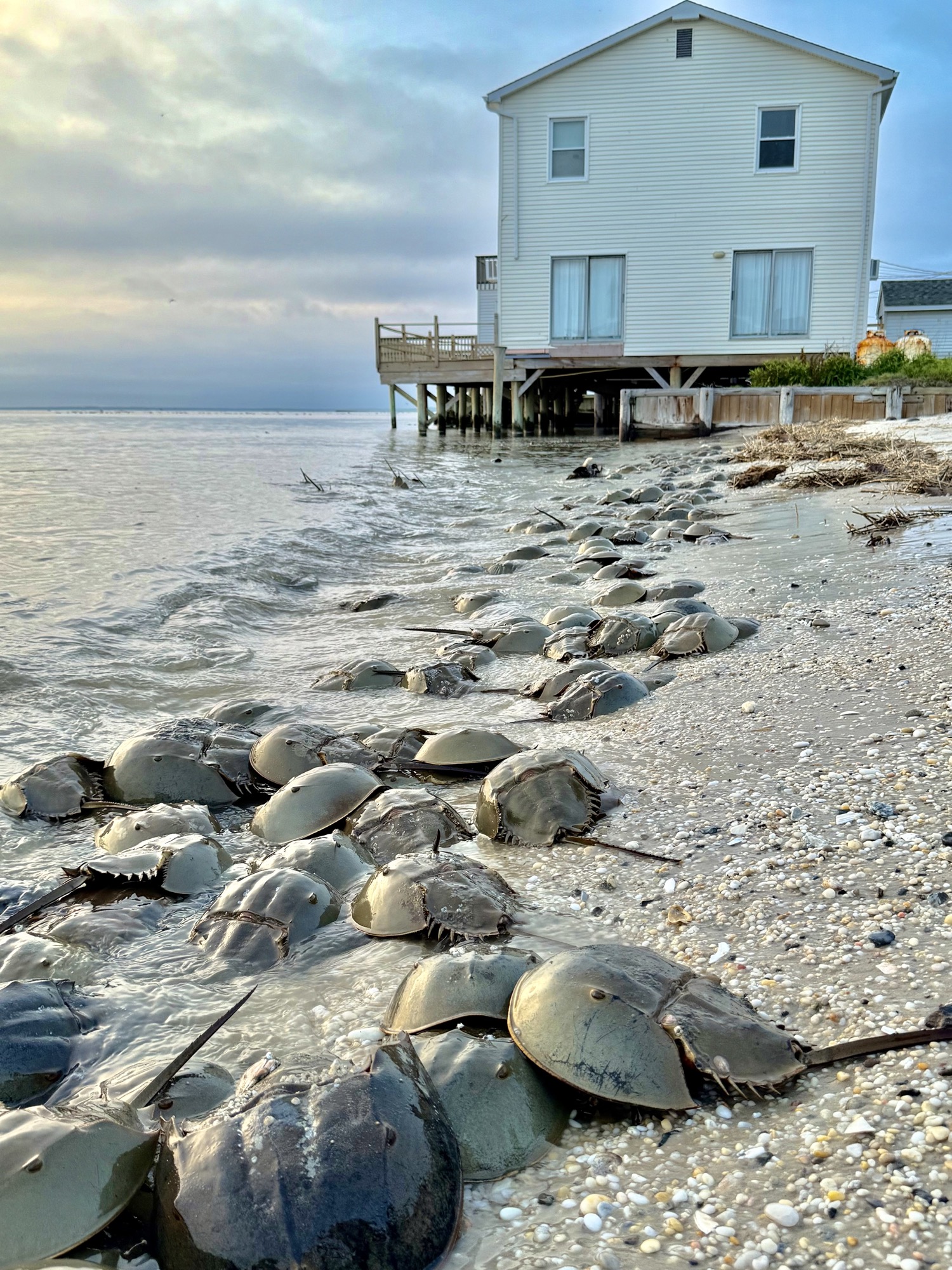
Our actual experience: Due to timing and our travel itinerary, we chose Slaughter Beach as our beach of choice to see the migration. Even though we went at the perfect time of day, unfortunately being that it was the end of the season and we were still 2 days out from the full moon, we only saw one mating pair. I was really disappointed after all of the effort we took to plan our trip around the migration. Luckily we had already planned to take the ferry to Cape May the next day to continue our road trip, and decided last minute to try our luck on the New Jersey side at Reeds Beach. On our way to Reeds Beach, there was a small tiny beach between a few houses on the side of the road that had TONS of horseshoe crabs!! I was ecstatic! After spending a good half an hour or so here, we headed up to Reeds Beach which surprisingly, although was a MUCH bigger beach, the number of horseshoe crabs here were a lot less (but definitely more migratory birds), so we went back to the original tiny beach 2 minutes away. My take on this experience is that if you don’t see many crabs, try driving around the area along the waters to see if there’s a pocket of beach with more crabs! (But also more importantly, try to go on a full moon or new moon unlike us to increase your chances at seeing them.)
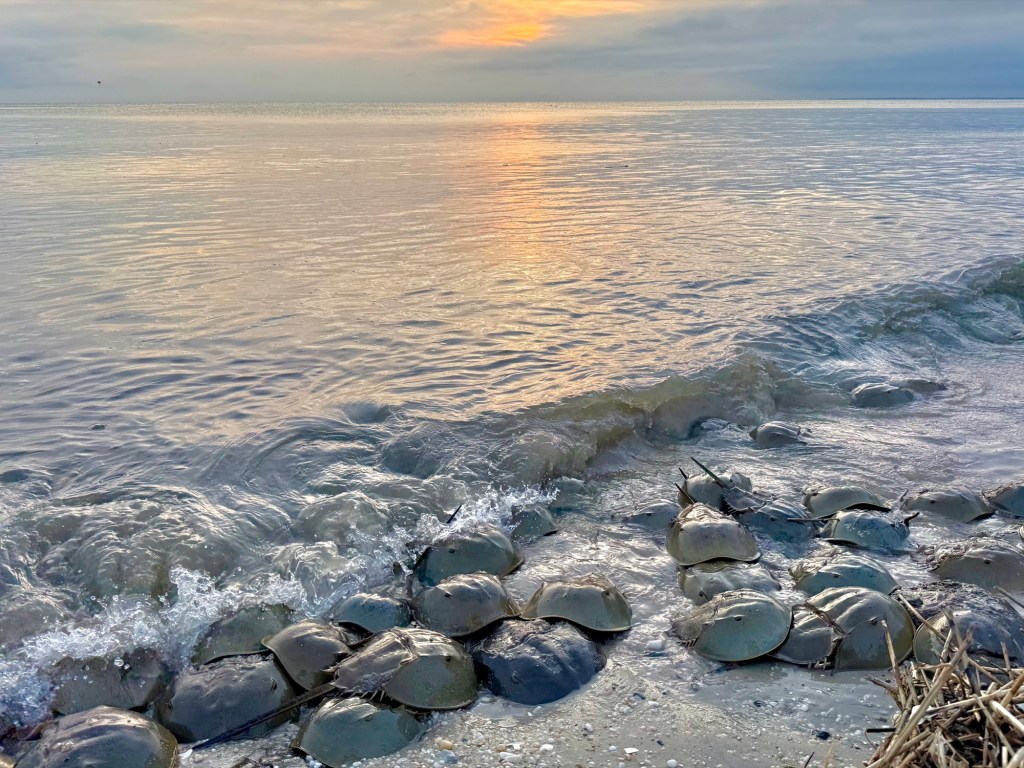
Here are some photos of our experience at Slaughter Beach (Toby found a HUGE female that was unfortunately dead but super cool to see the anatomy up close):




Here are some photos of the little beach we found between some houses on our way to Reeds Beach in New Jersey:

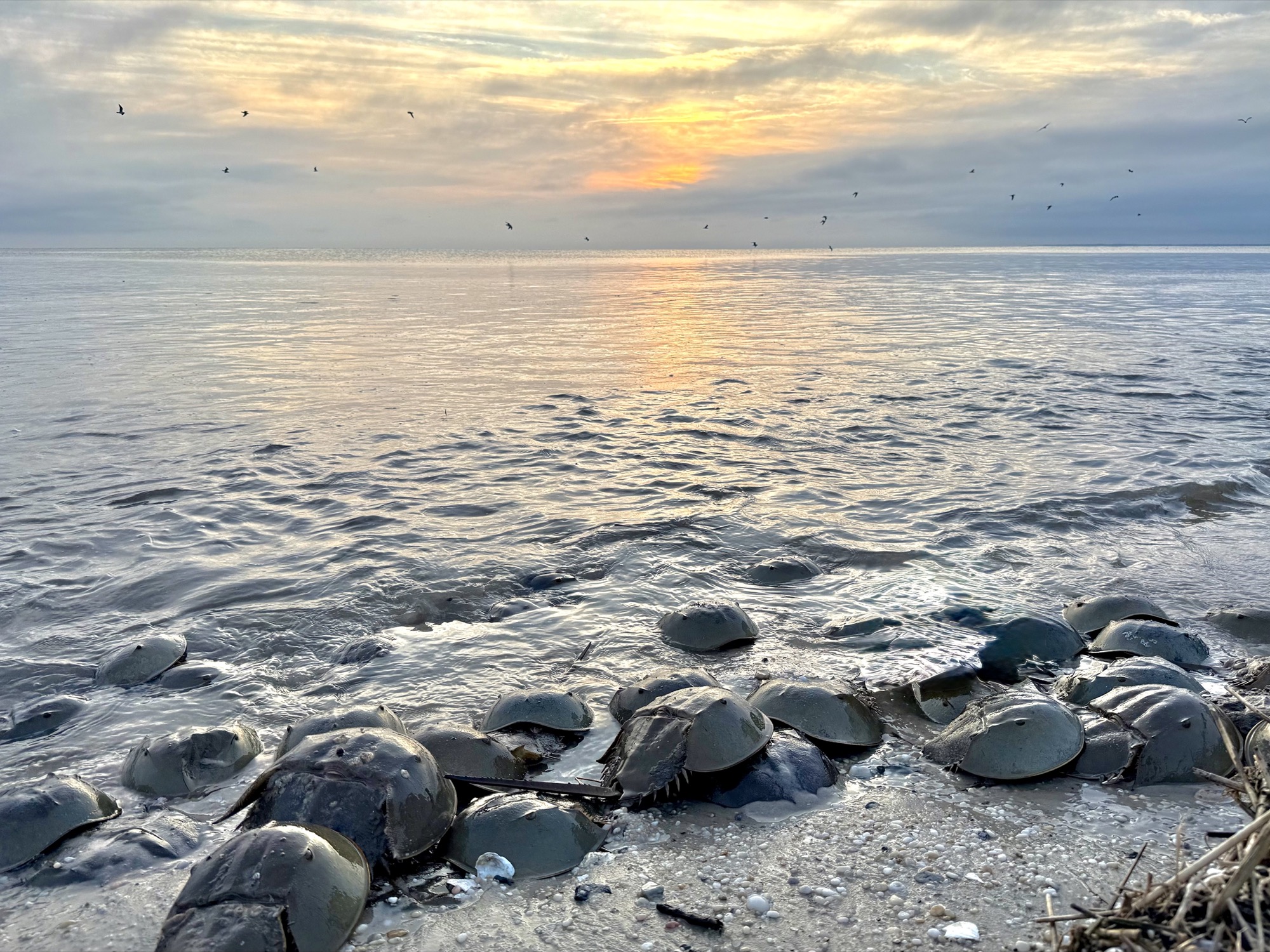


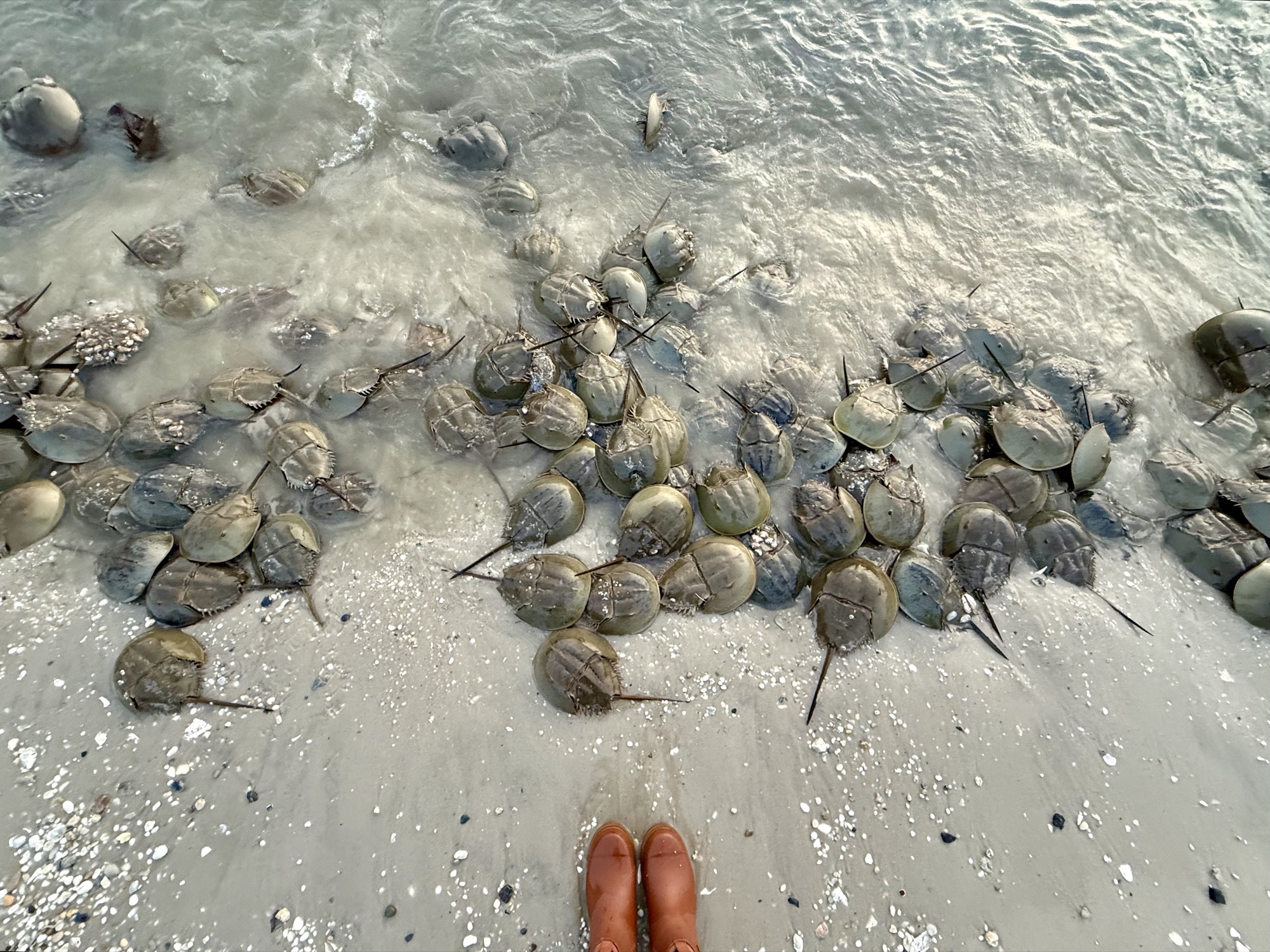
Here are some photos of Reeds Beach, NJ – not as many horseshoe crabs but TONS of eggs on the shore and migratory birds in the distance:


Timing is Crucial to Witness the Migration!
The horseshoe crab migration happens every year in the spring between the end of April to the start of June, with the peak season in mid May-June. We were late to the migration when we went on June 9th-10th 2025 and although we didn’t see as many on the Delaware side, we saw plenty on the New Jersey side (more on this later).
Peak spawning occurs on a full moon or new moon and in the evening at high tide. You want to arrive at least 30 mins before high tide (it actually lines up nicely with sunset to make it all the more magical!).
The monthly tide charts on the US Harbors website is useful when picking a date and time since it has both the moon phase and the tide times in their charts. Check it out here (I have it set to Bowers Beach, but you can always google more specific tide times depending on which beach you choose to go): https://www.usharbors.com/harbor/delaware/bowers-beach-de/tides/#monthly-tide-chart
Here is a sample of the May 2026 tide chart from the US Harbors website. In case you’re unfamiliar with reading their tide chart, I’ve circled the important areas in blue and red:

To read the chart to pick the best day:
1) First look at the Moon column on the right and determine which dates are full moon and new moon. From the chart, the full moon is on Sat May 2nd and the new moon is on Sun May 17th.
2) From those dates, find the PM high tide time of the day. From the chart, it’s 10:49pm on May 2nd and 10:38pm on May 17th (circled in red).
3) Since you want to arrive 30 minutes ahead of the high tide, your ideal time to witness the migration in May 2026 would be on either May 2nd 10:19pm or May 17th at 10:08pm. (I’m writing this post in November 2025, so double check the charts before you go to ensure this forecasted information is still accurate if you’re going in May.)
Don’t worry if you can’t make it exactly on a full moon or a new moon, we were 2 days early before a full moon and still saw tons of them on the New Jersey side, but we did have to drive up and down the coast a little to find a good spot to see them.
As beautiful and amazing as this event is to witness, know that once the sun goes down, the horseshoe crabs will continue to come to shore and can get to horror movie-level numbers. I still found it really cool, but realize that it may not be for everyone – one of my coworkers was not a fan of my night time migration photos at all 😂.
Here are some night time photos of the migration so you know what to expect:
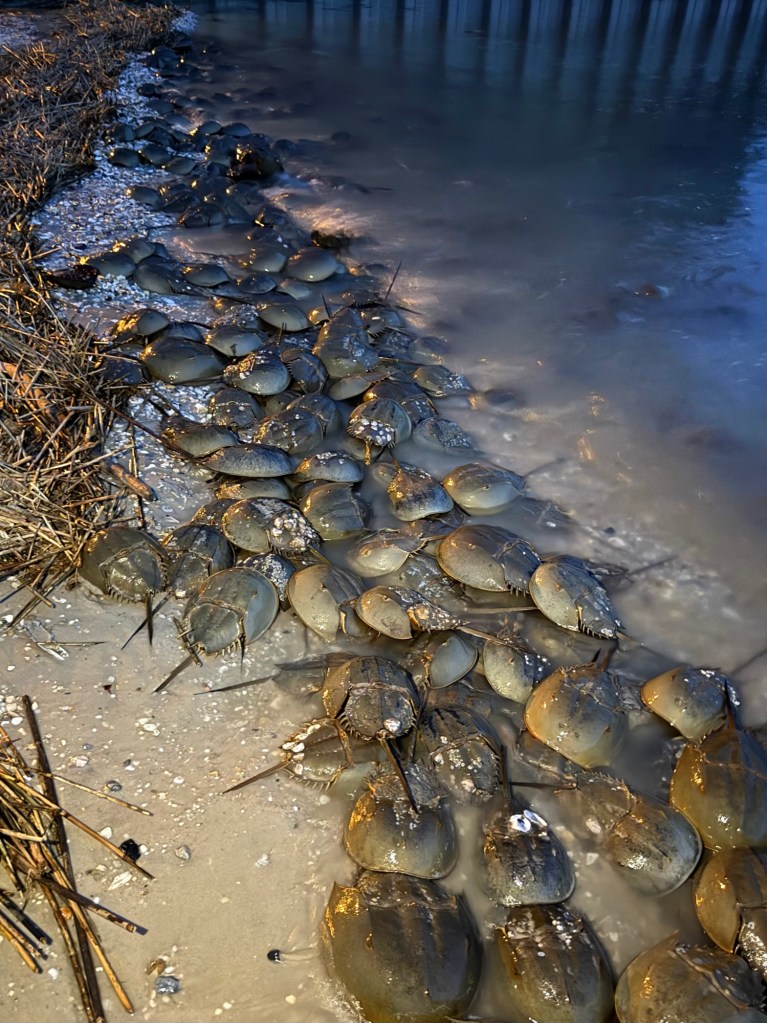


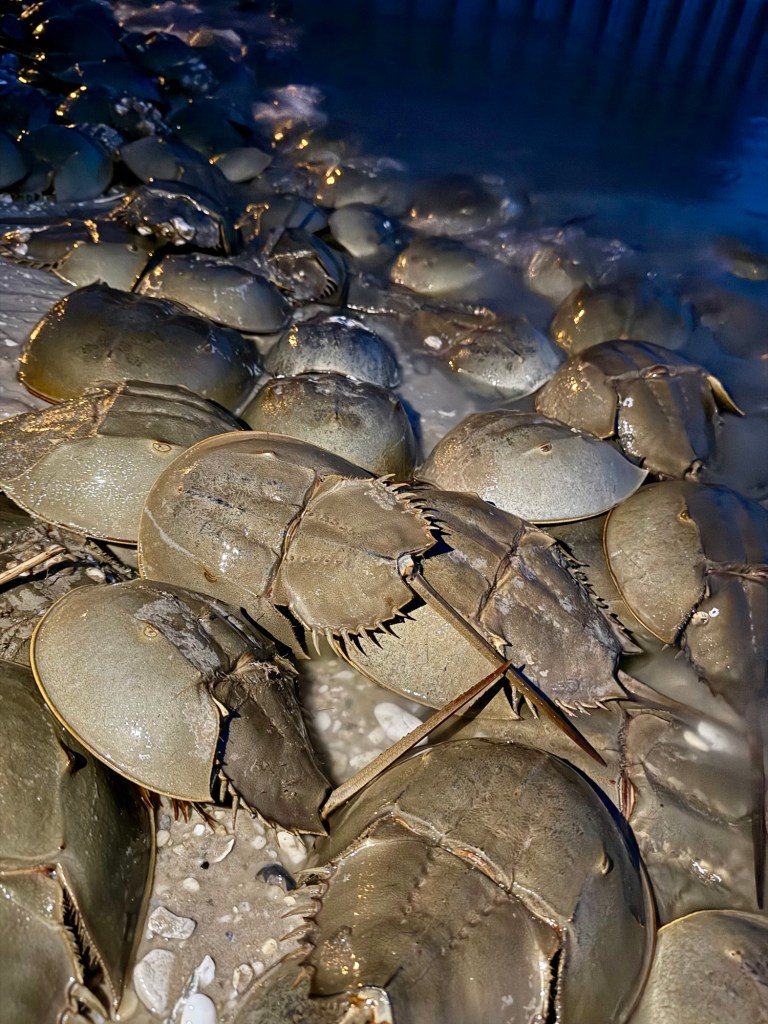

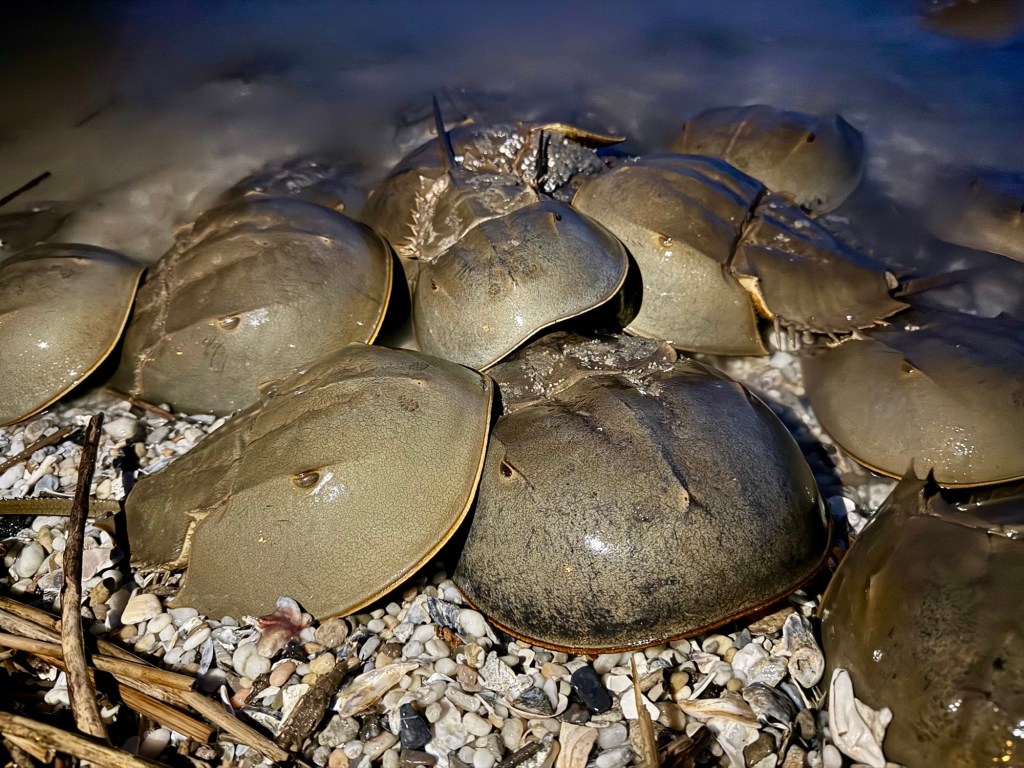
If you get all 3 things correct in terms of timing (1. season, 2. full moon or new moon, 3. evening high tide), you should be able to see hundreds if not thousands of horseshoe crabs!
If you come back to the beach early next day, you may be able to see the migratory birds feeding on the eggs!
What to Bring to See the Horseshoe Crab Migration?
- Sturdy waterproof shoes (ie. rain boots or waterproof hiking shoes)
- The horseshoe crabs will hang out just on the shoreline where the water and the beach meet, so if you want to get up close, waterproof shoes are recommended to avoid your shoes from getting wet.
- Depending on the beach, there can be a lot of debris, sticks, and dead horseshoe crabs that didn’t quite make it, so a sturdy pair of shoes will be best to walk through it.
- I’d recommend rain boots as the shoe of choice because it can smell a little fishy on the beach (after all, they are spawning), so you want to wear shoes that are easy to rinse off afterwards.
- Bug spray or covered clothing
- We learned this the hard way. There were so many teeny tiny flies and although I wore leggings (albeit thin), they managed to bite through and around my uncovered ankles. Although not painful, I was hella itchy for a few weeks. I counted 14 bites on both legs when we got back to our hotel. 😫
- Headlamp or flashlight
- Depending on the day, if the evening high tide occurs after sunset, you’ll want a light source to see these guys best. The most abundant numbers occur at night and a headlamp will keep your hands free if you’re walking through debris or taking photos.
Now you’re ready!
Now that you know the season (spring, May-June), the day (full moon or new moon), the time (30 minutes prior to the evening high tide), and the location (beaches within the Delaware Bay), you’re now ready to see the amazing horseshoe crab migration! I’d love to hear about your trip in the comments!

One more thing, if you see any overturned horseshoe crabs…Just flip ’em!
Due to their wide anatomy and the rushing waves, unfortunately you’ll more than likely see a few overturned horseshoe crabs. Sometimes they’ll be able to correct their own position with the right tide or passerby, but more often than not many of them will die stranded. So if you see an overturned horseshoe crab, just flip them over! Although they can look a little scary and pointy up close, horseshoe crabs are very gentle creatures and they do not sting nor bite. The best and gentlest way to flip them over is to grab them by the edge of the shell and flip them over. Do not grab them by the tail! Although it doesn’t look like it, they actually have very delicate tails and can damage easily.


Spread the word! Save the stranded overturned horseshoe crabs!
The ERDG (Ecological Research & Development Group), a non-profit wildlife conservation that focuses on the conservation of the world’s four horseshoe crab species, has a “Just flip ’em program” that promotes flipping stranded horseshoe crabs (https://www.horseshoecrab.org/act/flipem.html) and has made a fantastically catchy song that can be found on the website or directly linked here: https://www.horseshoecrab.org/poem/img/makinmusic/justflipem.mp3. The lyrics are amazing and I’ve literally already listened to it 3 times back to back while writing this post 😂. I wish it was on Spotify.
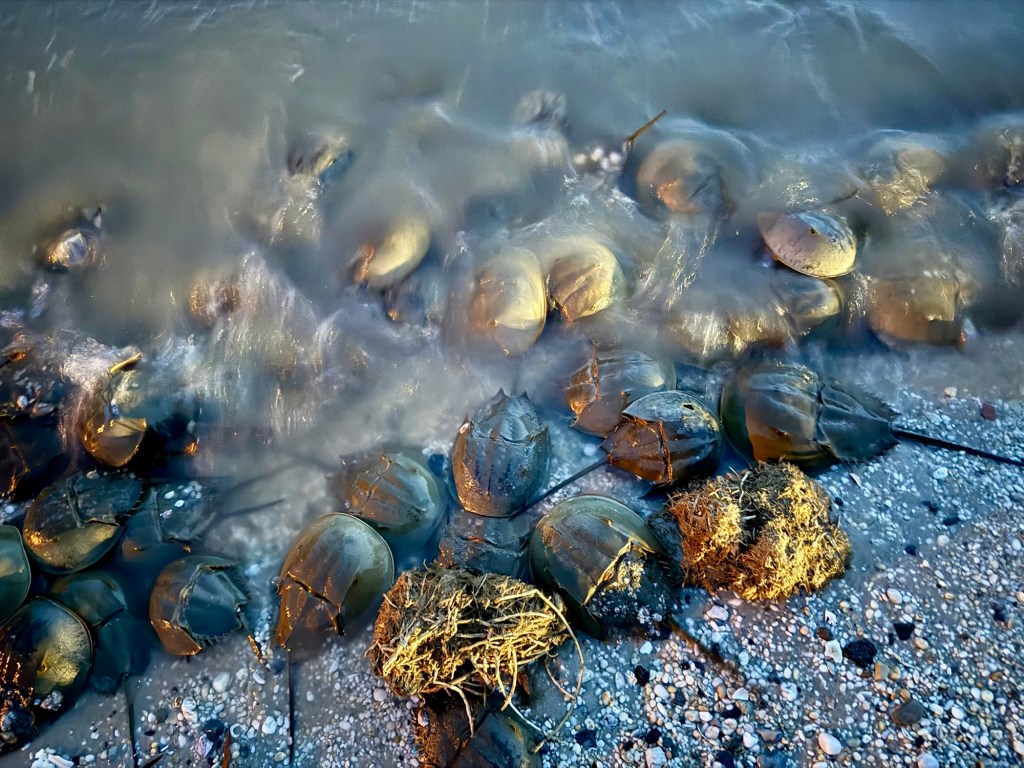
PS: Horseshoe crab numbers are declining due to habitat destruction and you can volunteer to be a part of the horseshoe crab survey to keep an eye on the numbers: https://www.delawarebayhscsurvey.org/.
Their website has posted volunteer survey dates every year which is a good guide to when you should go see the horseshoe crabs. I’ve attached a copy of their 2025 dates top the left.

Some Final Thoughts
- Horseshoe crabs are super cool.
- The annual mass migration will blow your mind 🤯 and is 100% worth it.
- There are only 2 “perfect” days every month (new moon and full moon), so make sure you plan ahead!
- Wear good shoes you can wash – yes, it will smell fishy.
- Flip over any stranded overturned horseshoe crabs!























 .
.




















































































































































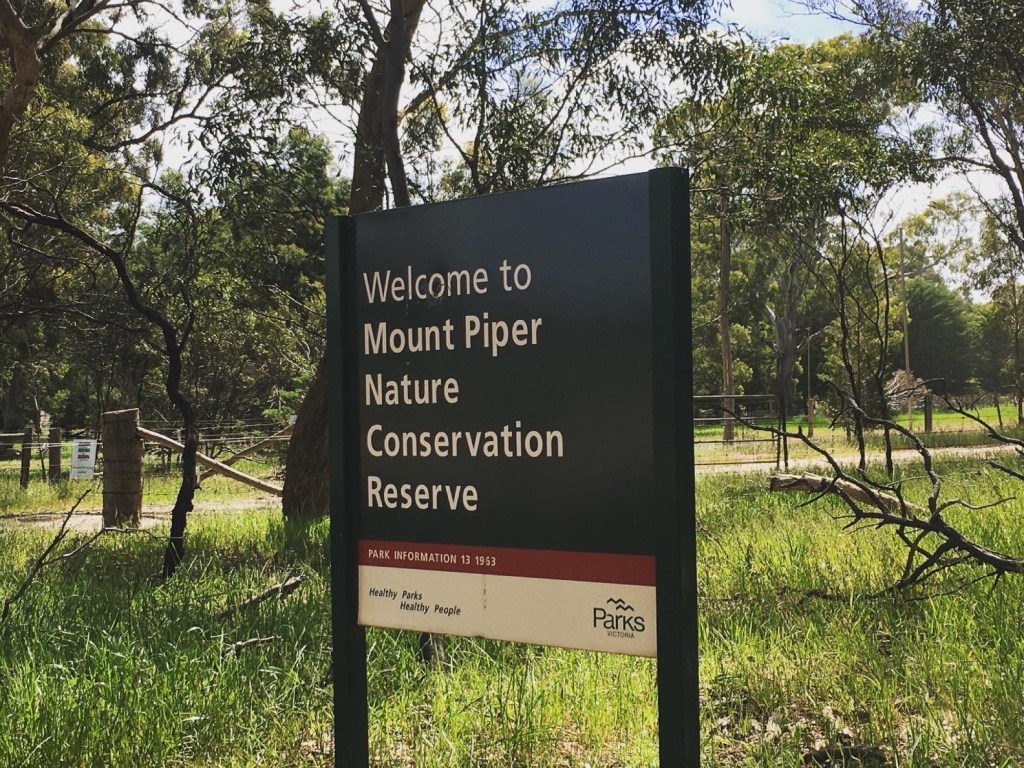














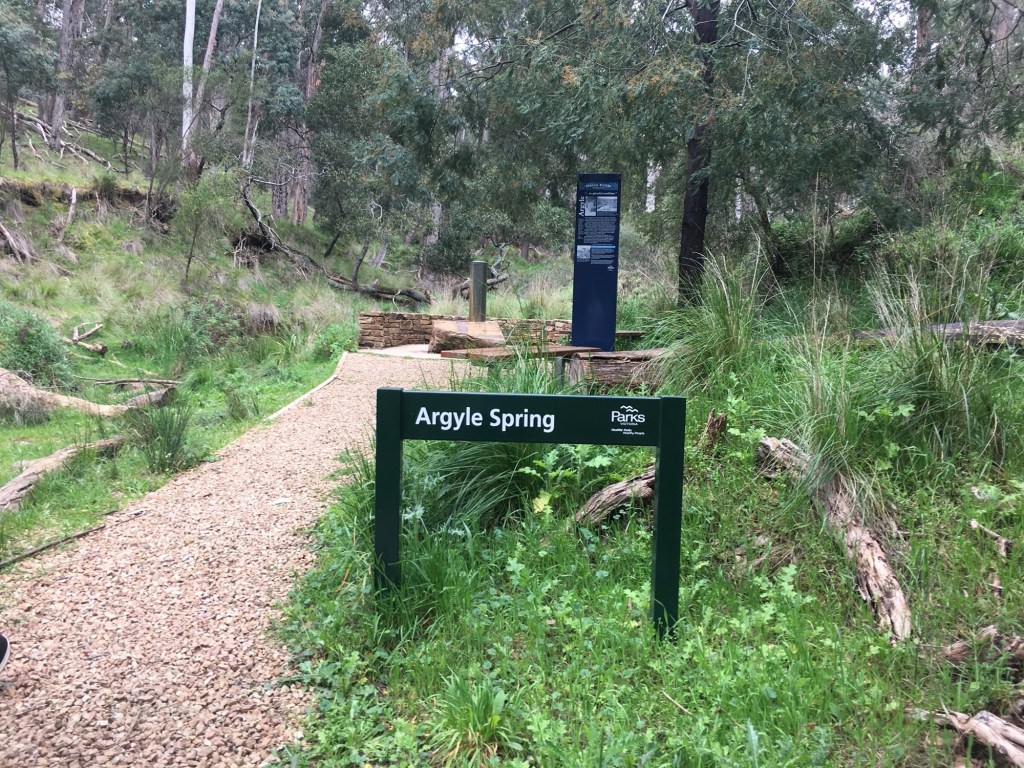
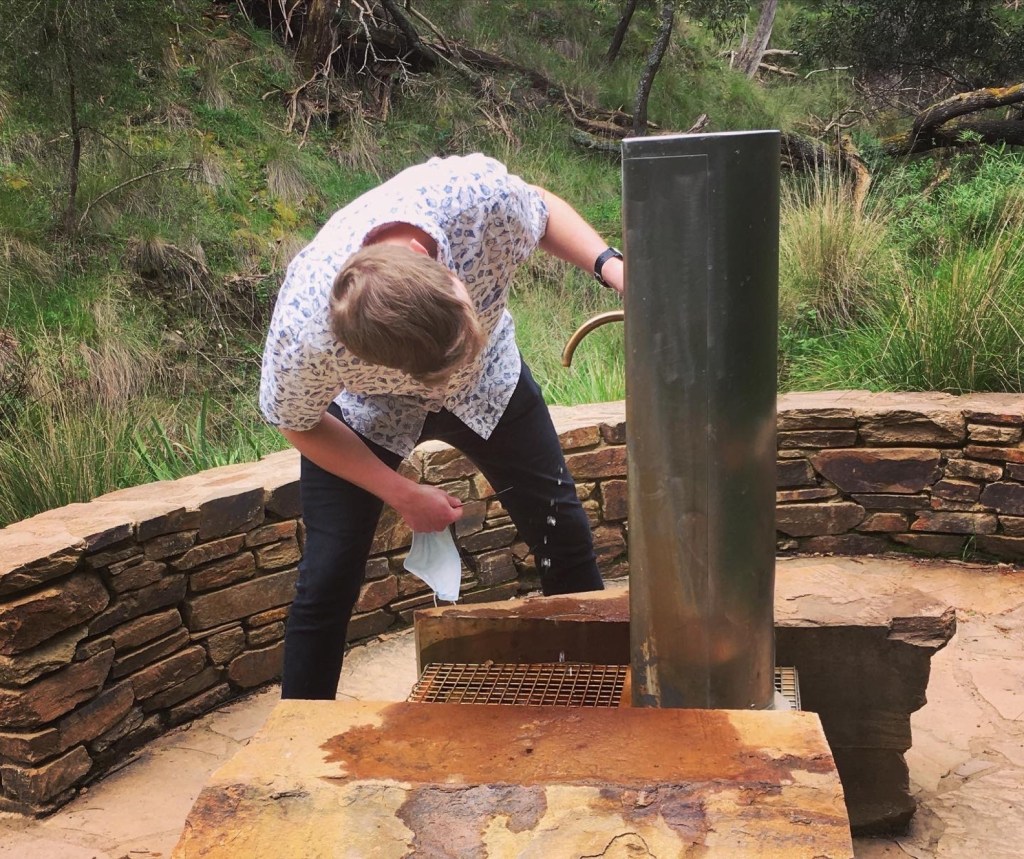
 . BLECH. I’m surprised no one wrote it in the reviews how bad the water would taste. One of my coworkers commented that when her and boyfriend went, they were so excited to try the water that they actually emptied out their water bottles to fill it up with spring water and instantly regretted it after tasting it. 😂😂😂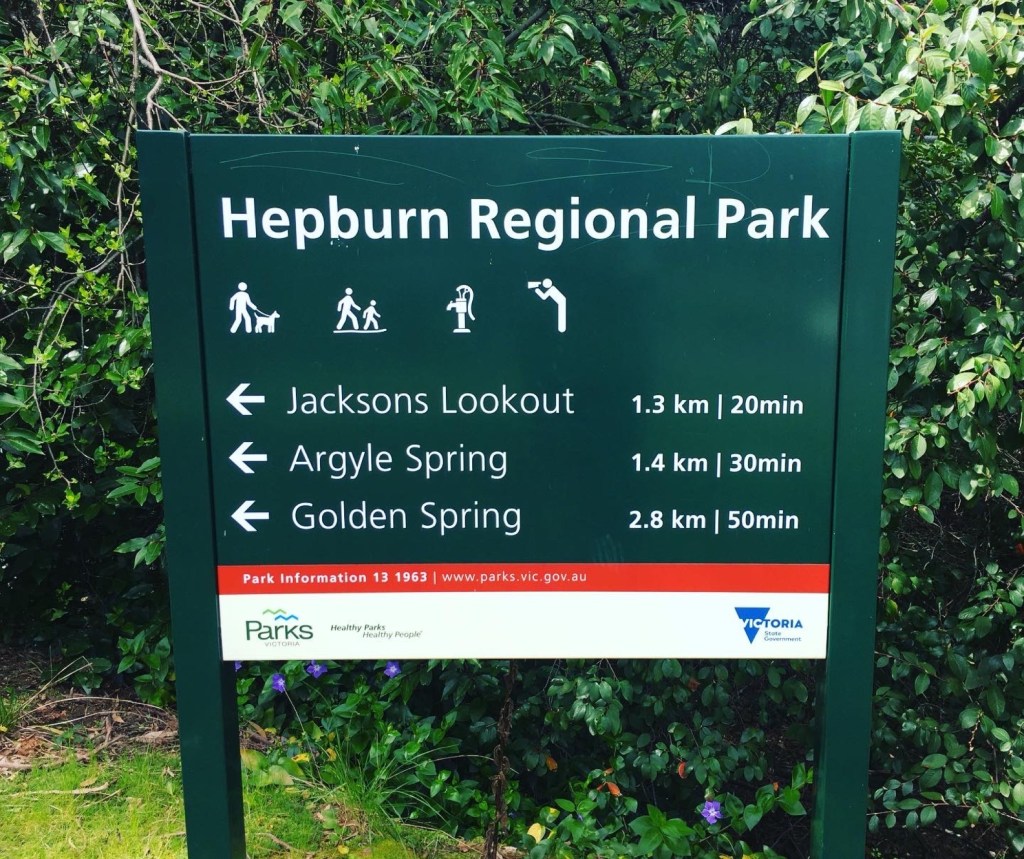



 Polyphagic Abby