Golden Diner Honey Butter Pancakes


Date Published: Sept 9th, 2025 | Last Updated: Sept 9th, 2025
Author: Abby |Category: breads, dessert, snack, easy, vegetarian
Serves: 4 pancakes | Prep time: 1 hour | Cook time: 5-7 minutes per pancake

Jump to recipe |

The Honey Butter Pancakes at Golden Diner in NYC has been the latest viral craze. My friend back home in Canada was the first to show me the TikTok and since seeing the video, I’ve been hearing about this place non-stop. Although I’m not a huge fan of pancakes, I am however OBSESSED with the honey butter chips that this dish was inspired from. If you’ve never had the chips, you should definitely try it before going – it’s sweet, it’s savoury, it’s umami, it’s everything!

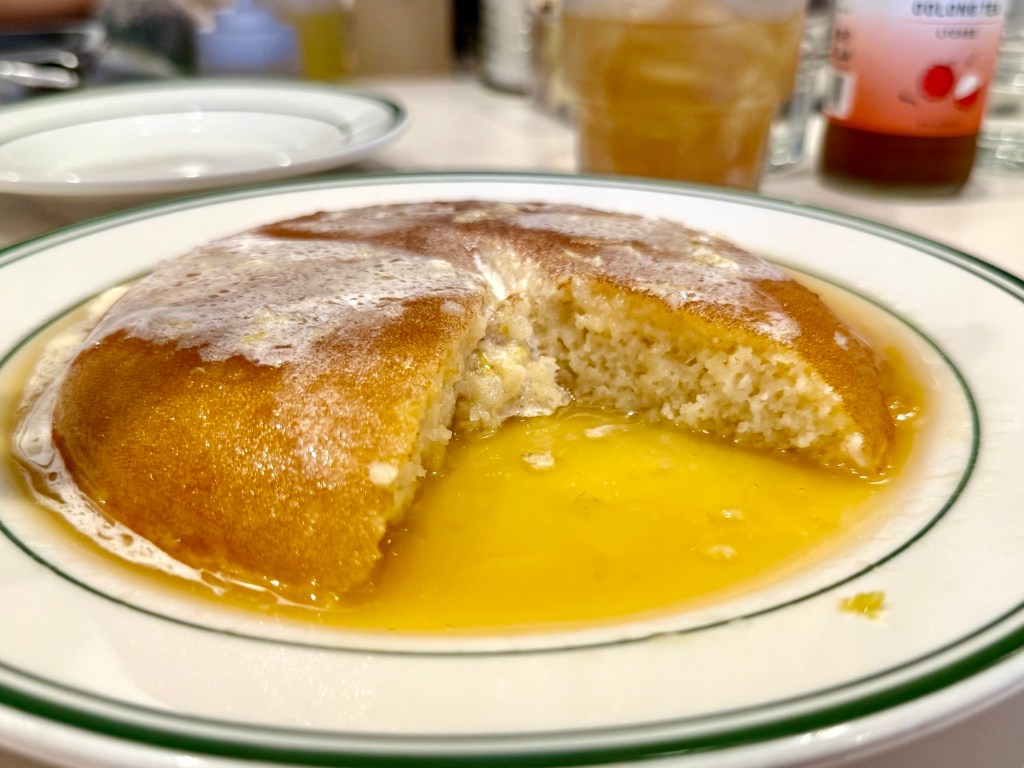
After getting off two trains and waiting 2 hours for a table on a weekday, we were finally seated. I’m glad to report that their Honey Butter Pancakes were indeed worth it. The honey butter syrup really does taste just like the chips and the thick but light and fluffy pancakes were the perfect texture to carry the heavy syrup. It comes in a single or double serving. I’d recommend the single – it’s quite heavy and after a while it can be a bit much if you don’t have a sweet tooth. You can read the rest of my review on the diner and some other local Manhattan Chinatown eats here.

The Ultimate Guide to a Manhattan Chinatown Food Crawl – bring cash!


Manhattan Chinatown is full of amazing authentic Asian food but in a neighbourhood full of Chinese signage and shop keepers that barely speak English, it can be daunting to find the best food spots amongst the literal hundreds of restaurants in this neighbourhood. This food guide highlights some of my favourite places to eat in Chinatown…

Since visiting Golden Diner, I added the Honey Butter pancakes on my list of things to try and recreate, but lucky for me, chef and owner Sam Yoo already shared his recipe through NYT Cooking. After following his recipe to the tee, I made a few adjustments to streamline the cooking process and also dissected out the ingredients list for more clarity. I’ve shared them in this recipe below.

A Breakdown of the Golden Diner Pancakes:

There are 4 components to the pancakes at Golden Diner:

  1. The pancakes, of course – these are beautifully light and fluffy pancakes that perfectly soaks up the honey butter syrup. The batter goes through a fermentation phase (called the preferment) that gives it an extra depth of flavour and also a better rise.
  2. The Honey Butter Syrup – this is the star of the show. The genius combination of maple syrup, honey, and soy sauce makes the perfect blend of sweet, umami, and savoury.
  3. Maple Honey Butter (optional) – this topping is made using similar ingredients as the honey butter syrup, minus the soy sauce. It’s easy to make, but honestly, the honey butter syrup is already so flavourful with the same flavour profile that it masks the taste of this maple honey butter. Unless I’m eating this butter alone, I can barely notice it. I’ve included it in this recipe anyway to keep it true to how they serve it at Golden Diner, but regular butter would suffice in my opinion, so I’ve noted this as an “optional” component in the dish.
  4. Berry Compote (optional) – this is an optional add-on at Golden Diner for an extra $4. We didn’t have it originally but after making it at home it was a good choice to omit it. Although the Berry Compote is delicious, I found that the bold berry flavours completely masks the flavours of the honey butter syrup, which is the whole point of this dish. If you’re going to add the Berry Compote, you might as well just use regular maple syrup on the dish.

In summary, although there are 4 components of this dish, I find that the only essential two are the fluffy pancakes and the honey butter syrup. I tend to skip making the maple honey butter and just use regular butter instead and if I’m making the berry compote (which is Toby’s favourite part), I’ll pair it with regular maple syrup.

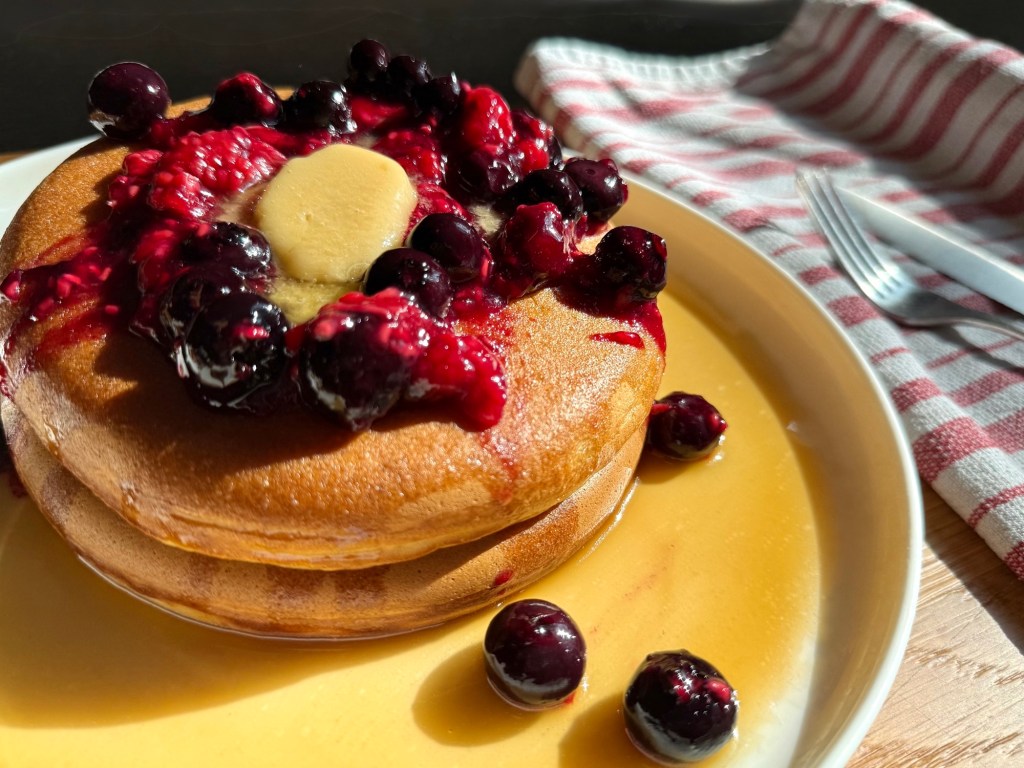
Anyways, without further ado, here’s the recipe! If you have any comments or suggestions, I’d love to hear from you in the comment section! You can follow me on instagram, youtube and facebook to see all the recipes I post!

Happy cooking!

Equipment you’ll need:

  • One or two small non-stick pans (16cm/6.5-7 inch diameter)
    • Two will make your life easier and cook the pancakes faster, but one is enough if you don’t care about speed.

Ingredients you’ll need:

  • Pancake Batter:
    • Pre-Ferment:
      • 2.25 tsps (7g or one 1/4 oz packet) active dry yeast (instant yeast is fine too)
      • 1 cup (130g) all-purpose flour
      • 1.25 cups (300g) buttermilk (or mix 1.25cups whole milk + 1.25 Tbsps lemon juice, let it sit for 5-10 minutes until it lightly thickens)
      • 1/4 cup (60ml) water
    • 1 cup (130g) all-purpose flour
    • 2 Tbsps (28g) granulated sugar
    • 3/4 tsps (5g) baking soda
    • 1/2 tsp fine salt
    • 2 large eggs
    • 1/4 cup (60g) neutral-tasting oil (ie. canola, vegetable…etc.)
  • Maple Honey Syrup:
    • 1/2 cup (113g or 1 stick) unsalted butter
    • 1/3 cup (100g) honey
    • 1.5 Tbsps (22g) maple syrup
    • 1 tsp soy sauce
    • 1/2 tsp fine salt
    • 1.5 Tbsps water
  • Maple Honey Butter (optional):
    • 1/2 cup (113g or 1 stick) unsalted butter, softened
    • 3 Tbsps (57g) honey
    • 2 Tbsps (28g) pure maple syrup
    • 3/4 tsp fine salt
  • Berry Compote (optional):
    • 14oz (400g) mixed berries (ie. blueberries, raspberries, strawberries), cut to the same size as the small berries
    • 1/3 cup (67g) granulated sugar
    • 1.5 tsps cornstarch
  • Zest of 1 lemon for garnish

Directions:

A) Make the Pancake Batter:

Pre-Ferment the batter (this step helps the pancakes have better rise, with deeper flavour by a fermentation process):

1. In a large microwave-safe bowl, add in the 1.25 cups buttermilk with 1/4 cup water. Microwave for 30 seconds at a time until lukewarm (~38-40˚C/100-104˚F). (If you don’t have any buttermilk on hand, mix 1.25 cups of whole milk with 1.25 Tbsps of lemon juice and let it sit for 5-10 minutes until it slightly thickens/clumps.)

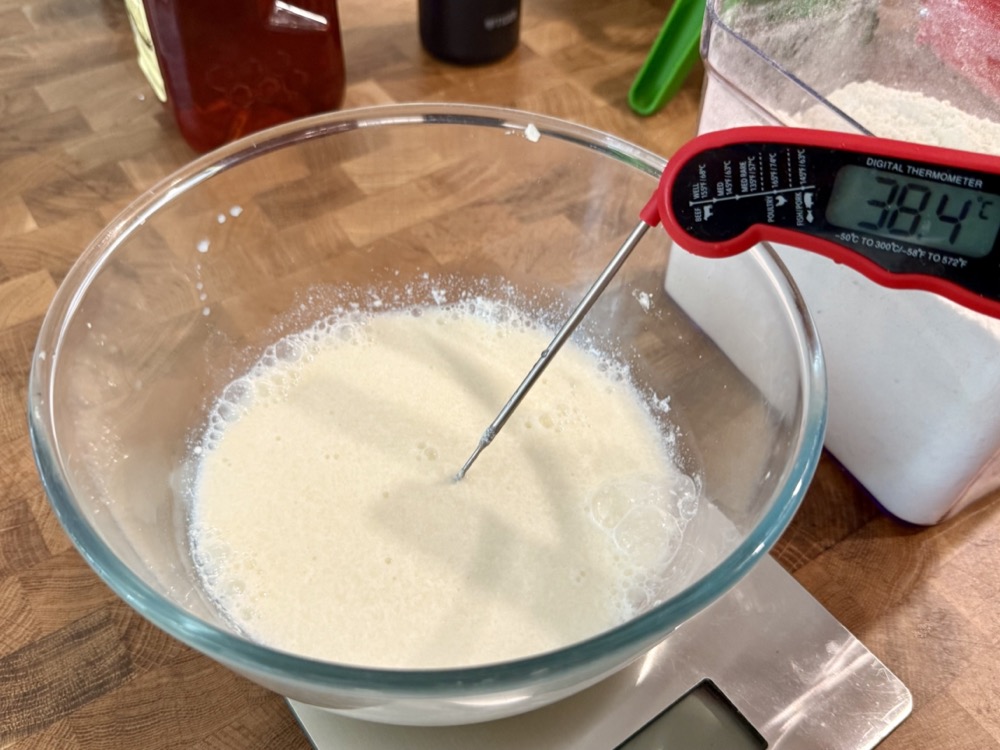
You can also do this in a small saucepan on LOW-MED heat and heat until it becomes lukewarm.

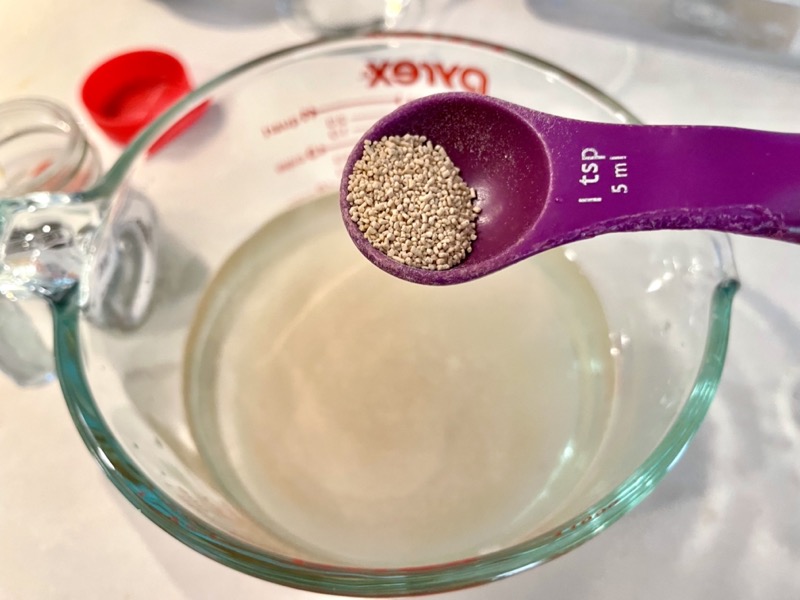
2. Whisk the 2.25 tsp yeast and 1 cup (130g) flour into the warmed buttermilk/water mixture until smooth.
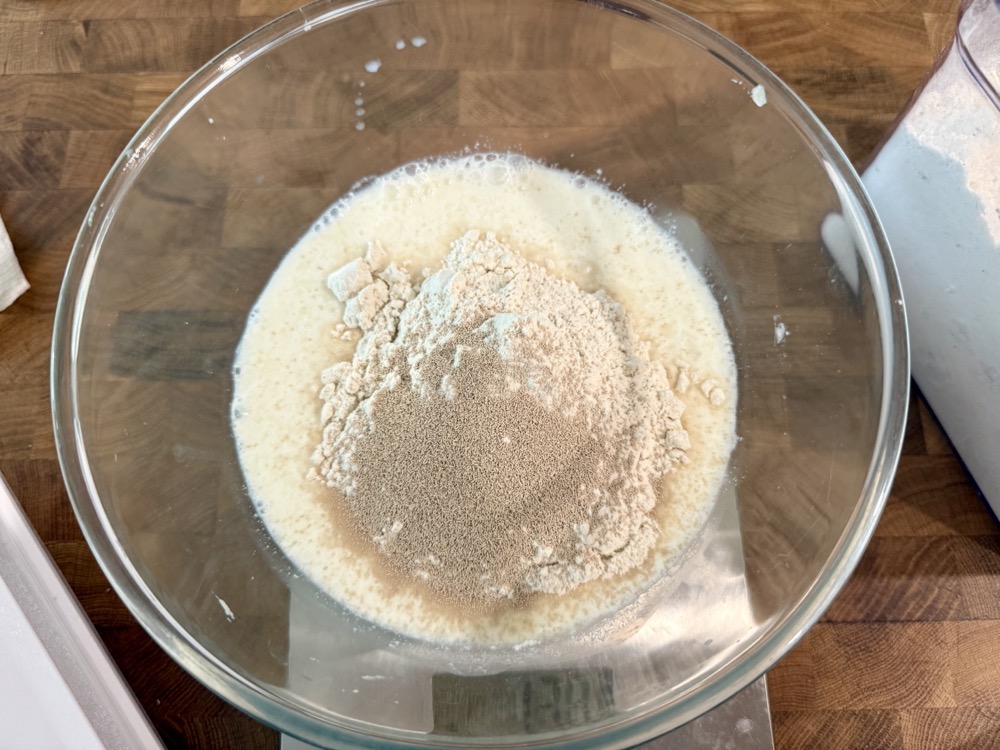
3. Cover with plastic wrap and let it sit for 1 hour at room temperature.
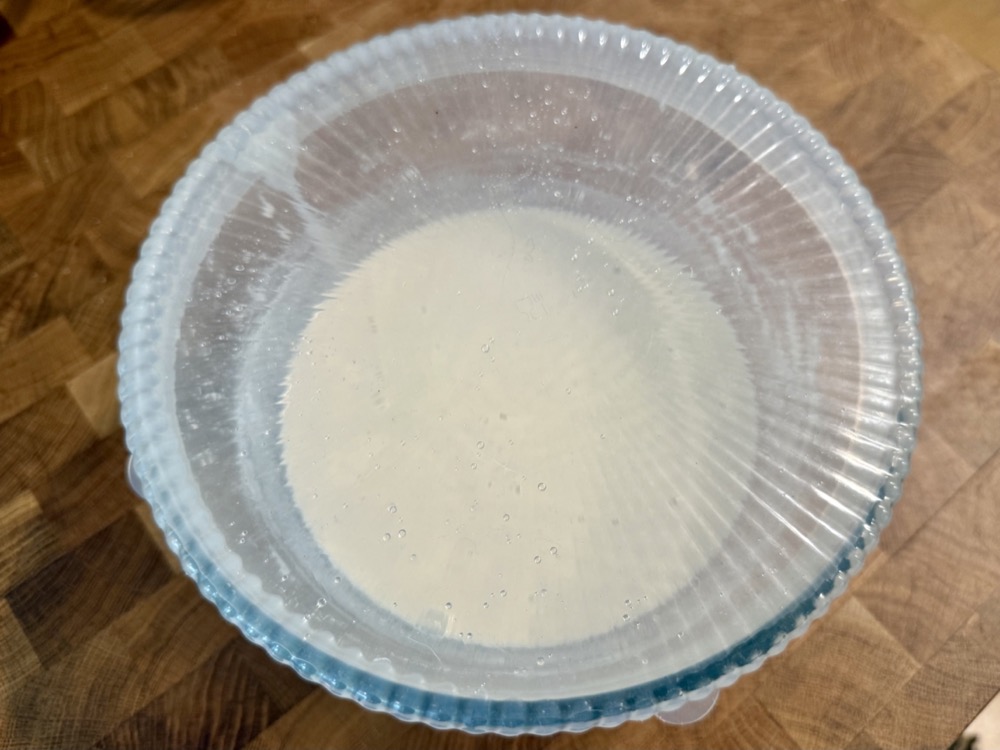
You can make the maple honey syrup, butter, and berry compote in this time.

Finishing off the batter:

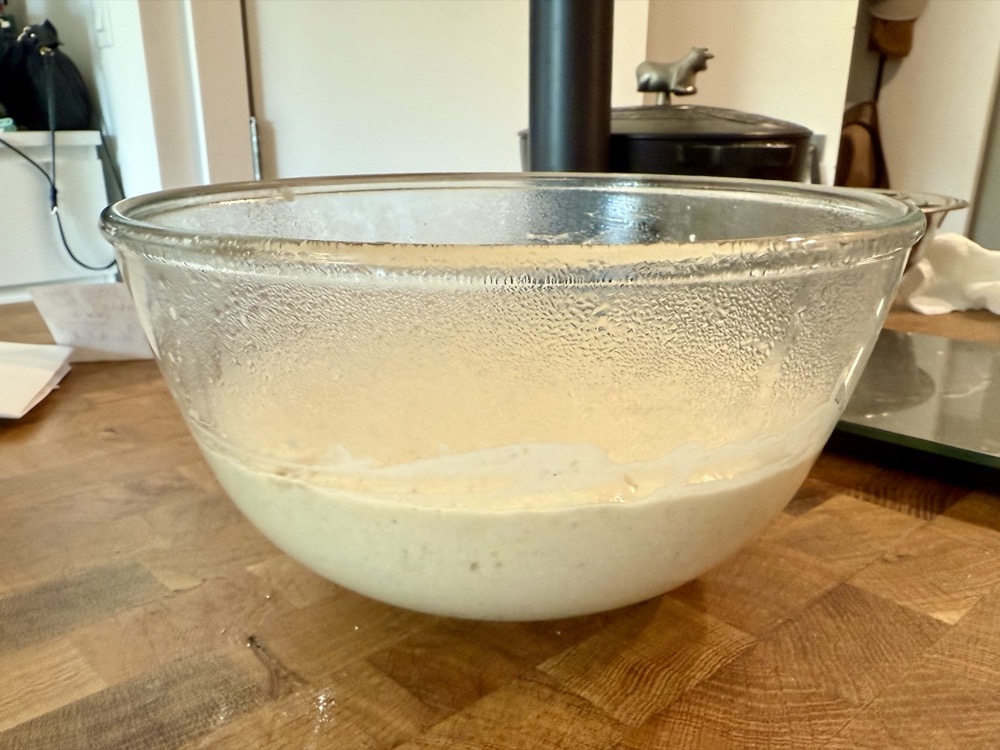
4. After 1 hour check on the batter and give it a stir. It will have risen a little and formed clumps.

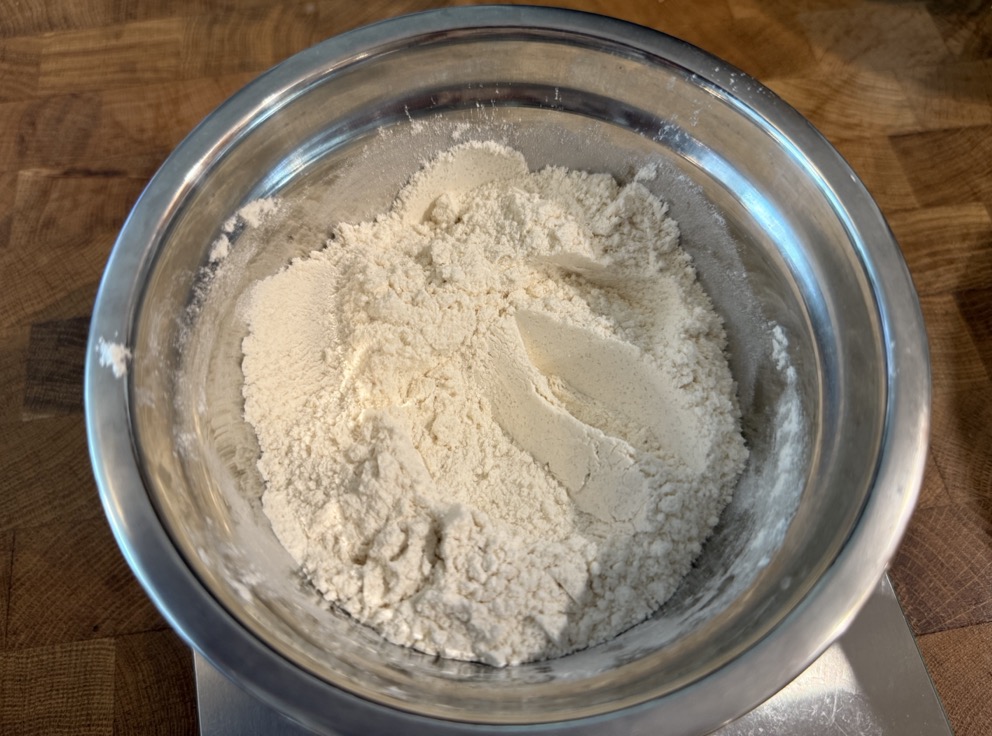
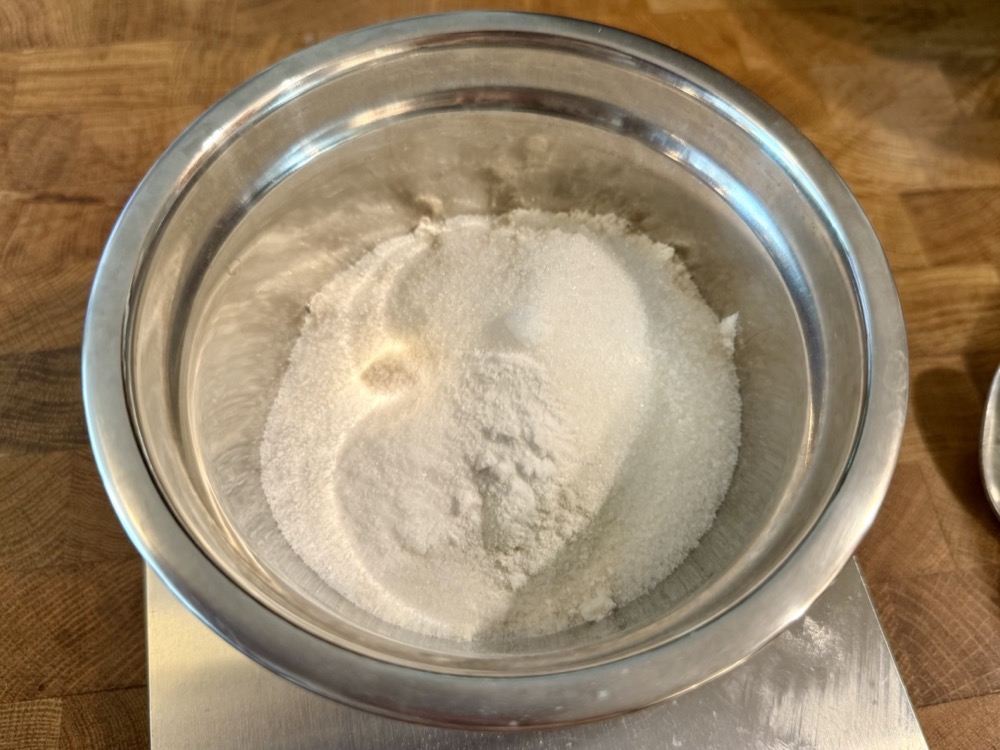
5. In a separate small bowl, mix together the remaining dry ingredients for the batter: 1 cup (130g) of flour, 2 Tbsps (28g) sugar, 3/4 tsps (5g) baking soda, and 1/2 tsp salt. Set aside.

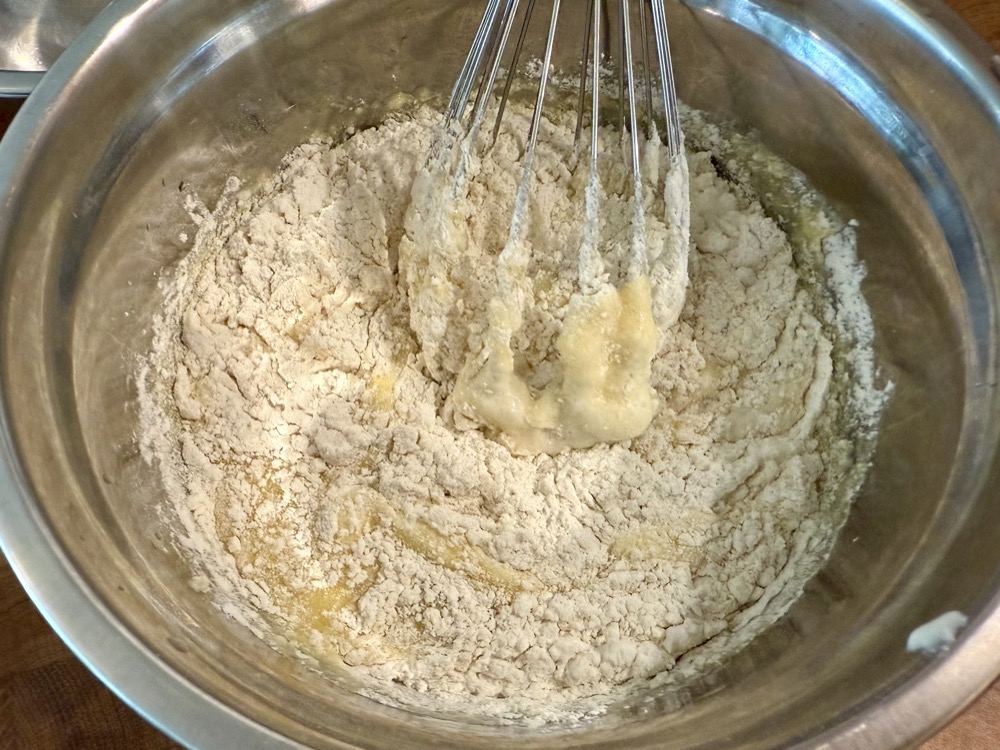
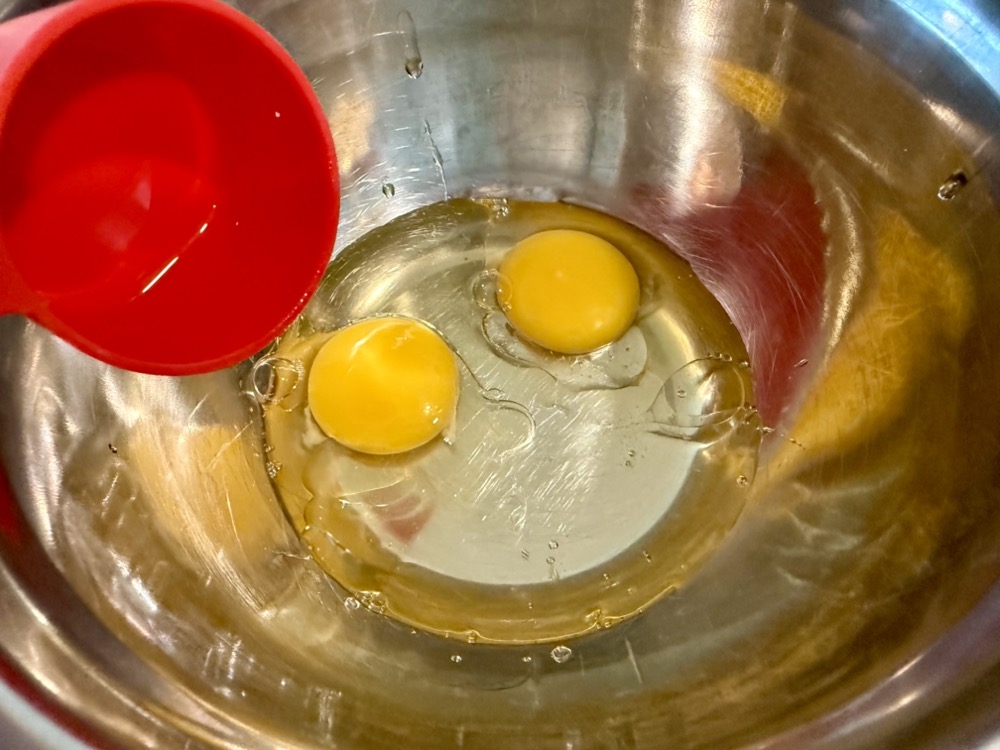
6. In another larger mixing bowl, whisk together 2 large eggs and 1/4 cup neutral oil until smooth. Add in the pre-ferment batter into the egg/oil mixture, then slowly add in the combined dry ingredients prepared in the previous step (flour, sugar, baking soda, salt). Gently stir with the whisk until the dry ingredients are incorporated, it’s okay if the batter is lumpy.

B) Make the Maple Honey Syrup:

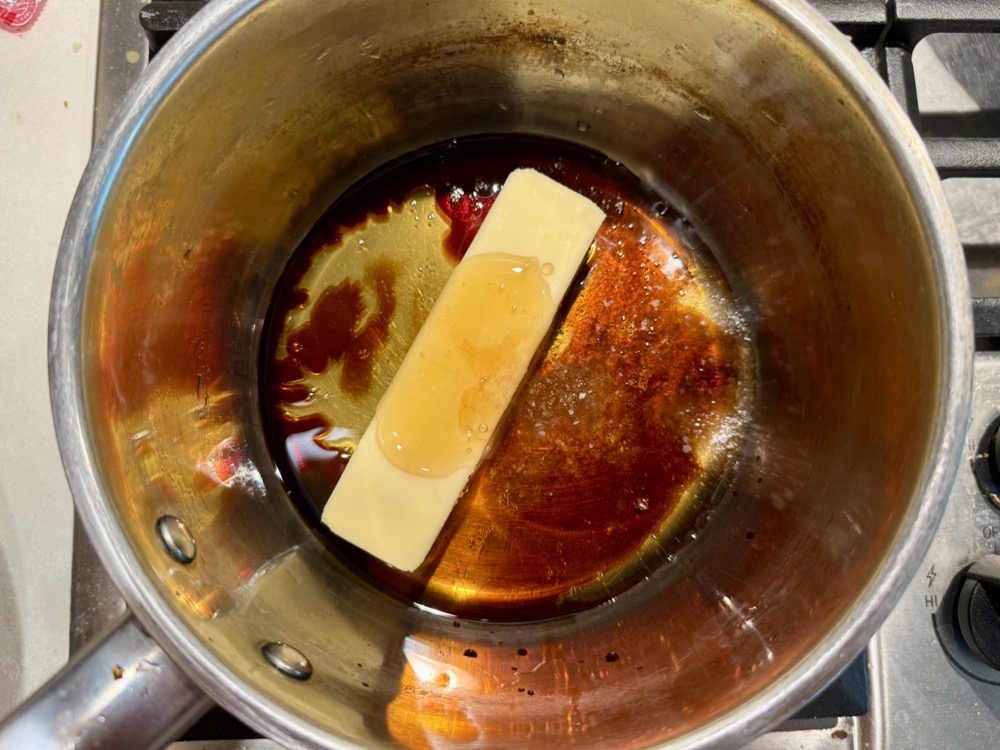
In a small saucepan on LOW-MED heat, add in the 1/2 cup (113g) butter, 1/3 cup (100g) honey, 1.5 Tbsps (24g) maple syrup, 1 tsp soy sauce, and 1/2 tsp fine salt. Whisk until the butter melts completely.

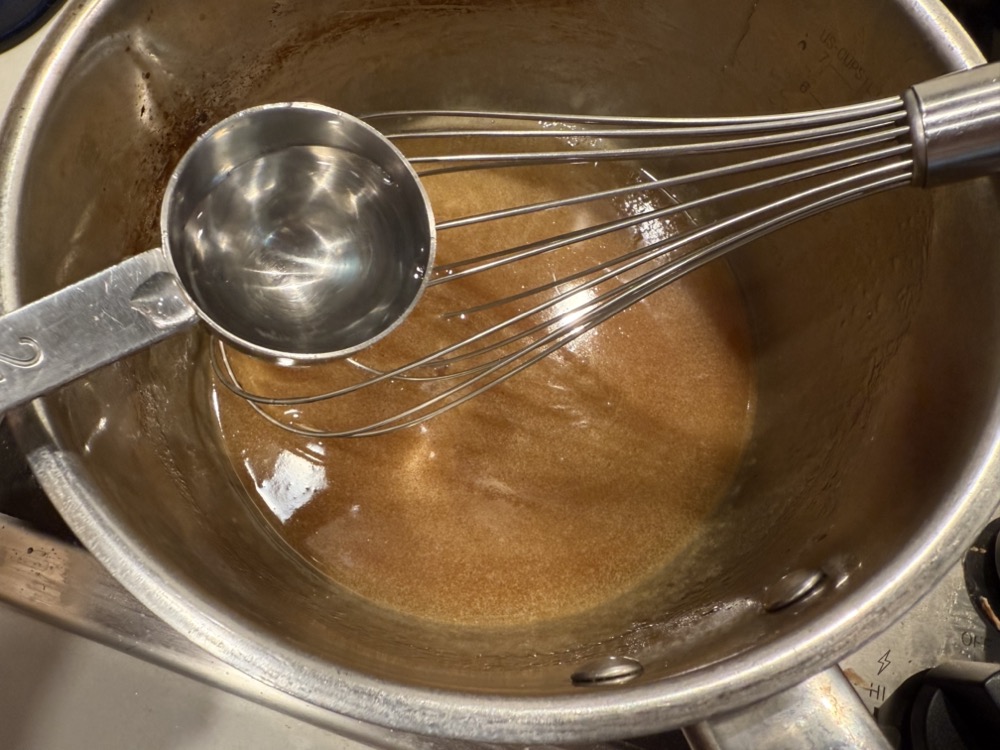
Add 1.5 Tbsps water and continue whisking until emulsified then reduce the heat to the lowest setting to keep warm until ready to use.

C) Make the Maple Honey Butter (optional):

In a bowl, whisk together the 1/2 cup (113g) softened butter, 3 Tbsps (57g) honey, 2 Tbsps (28g) maple syrup, and 3/4 tsps salt. Keep at room temperature if using within a few hours, or refrigerate in an airtight container for up to 1 week.

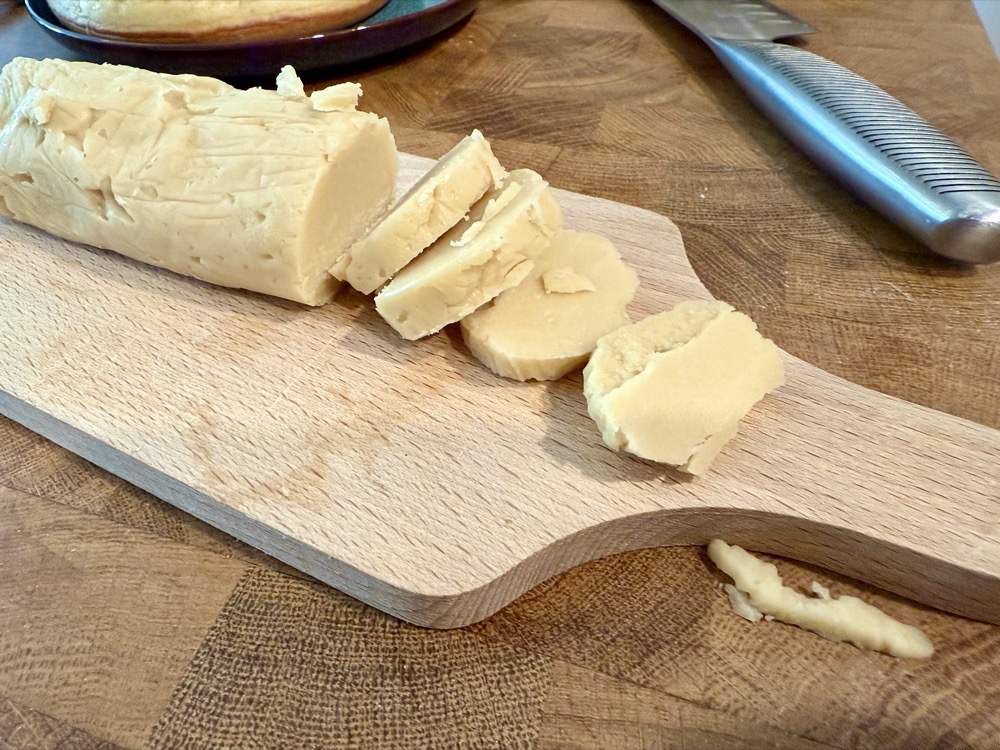
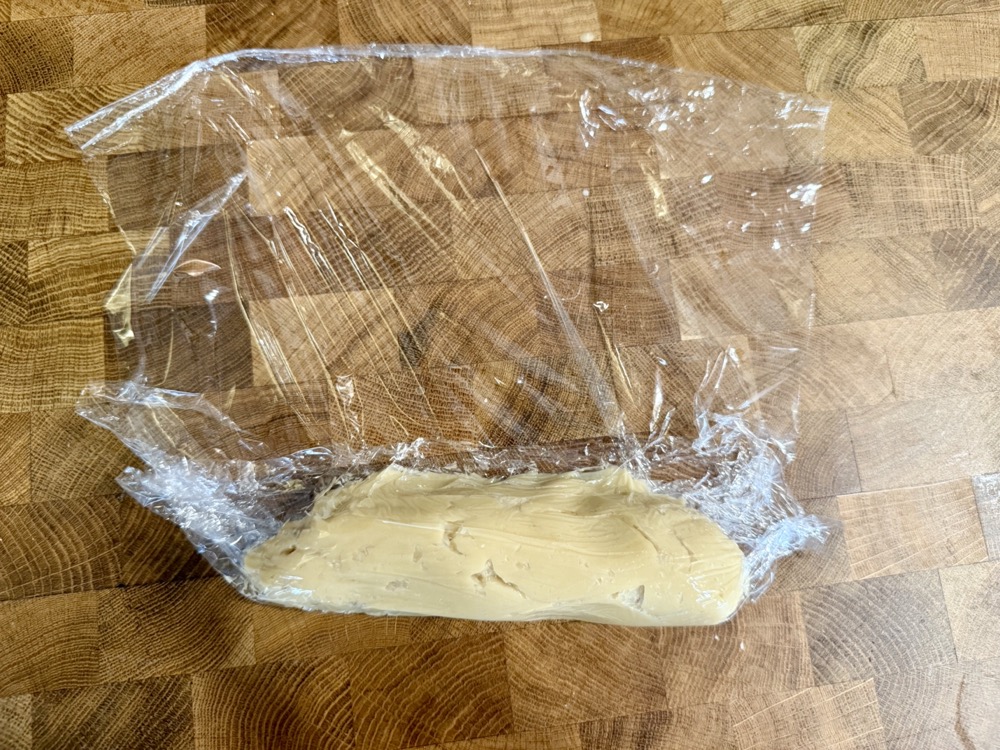
Pro-tip for storing leftover butter: spoon out the butter onto plastic wrap and roll into a log then refrigerate. Once the butter firms up, you can slice it and use as needed!

D) Make the Berry Compote (optional):

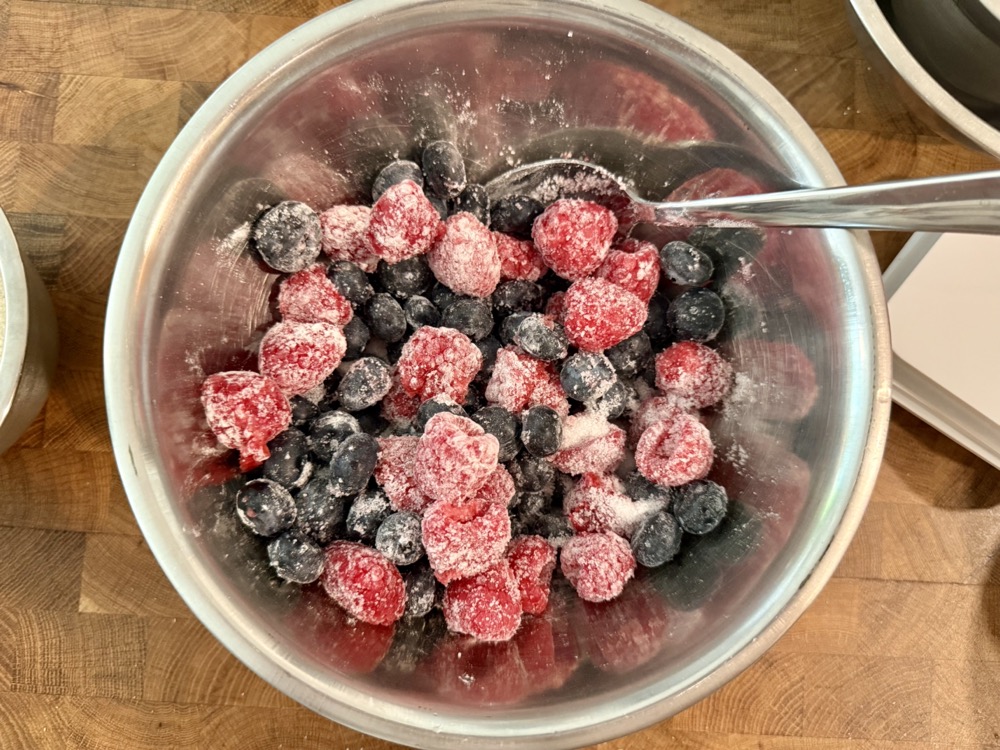
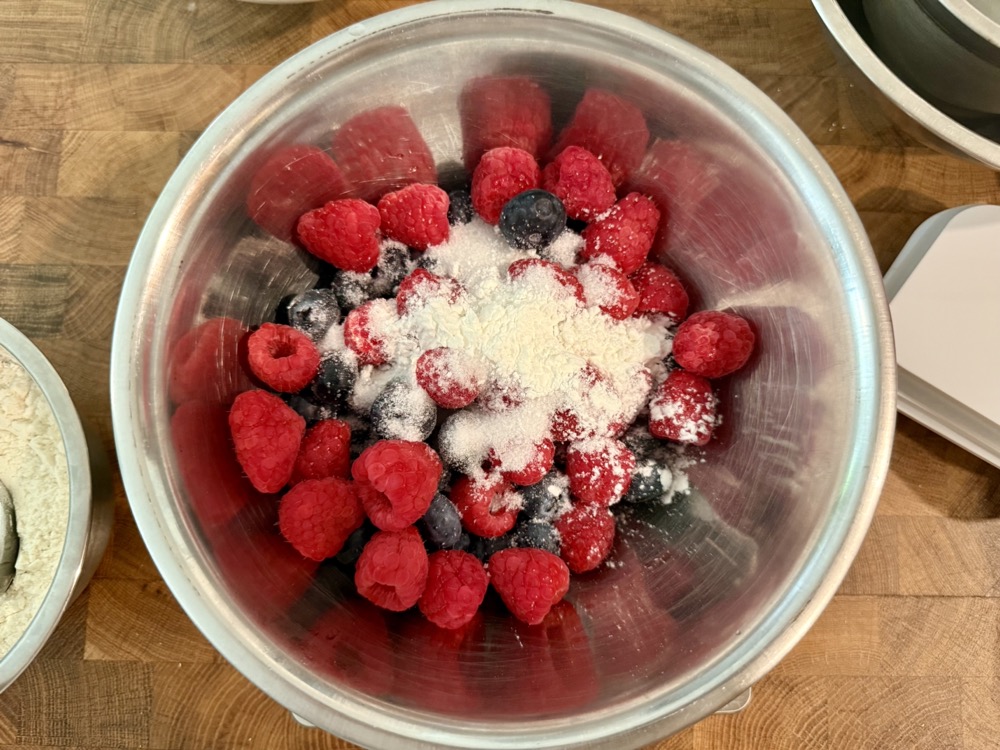
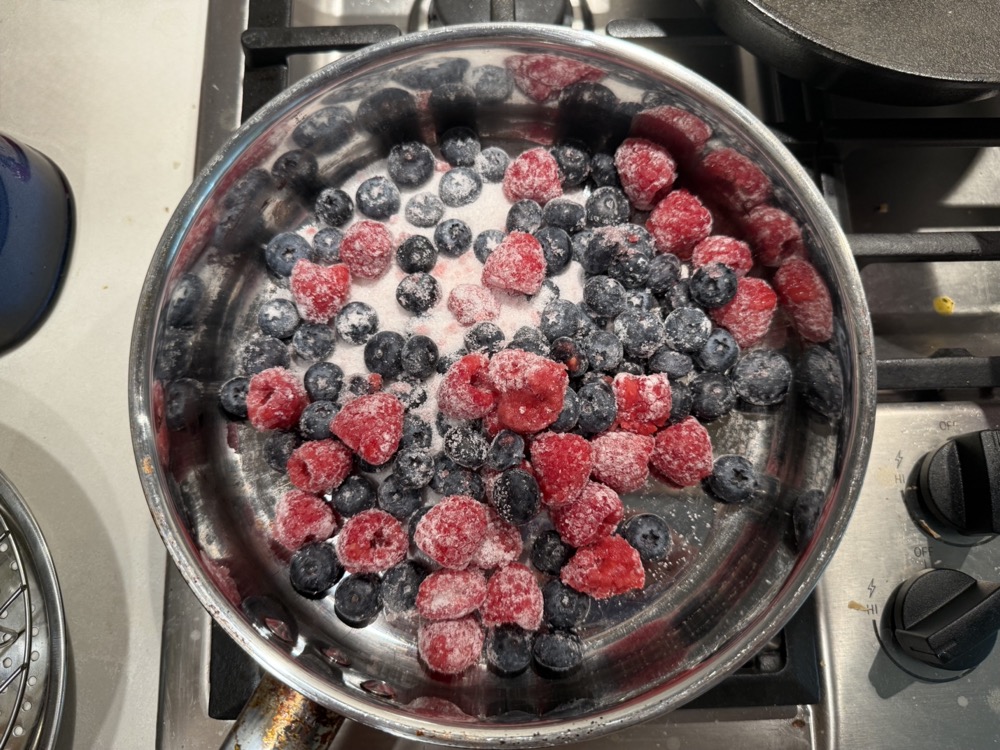
In a bowl, add in the mixed berries, 1/3 cup (67g) sugar, and 1.5 tsps cornstarch. Gently mix until the berries are evenly coated.

Heat a deep pan on HIGH heat. Splash a drop of water onto the pan and if it sizzles right away, then the pan is ready. Add the berry mixture from the previous step and cook until the blueberries are soft and easy to squish (~3-5 minutes), stirring occasionally. Remove from heat and set aside.

E) Cook the Pancakes:

Heat one or two small non-stick pans (16cm/6.5-7 inch diameter) on MED heat.

Once the pan has heated up, pour in 1 ladle of batter into the pan, which should fill up about 1/3 of the depth of the pan.

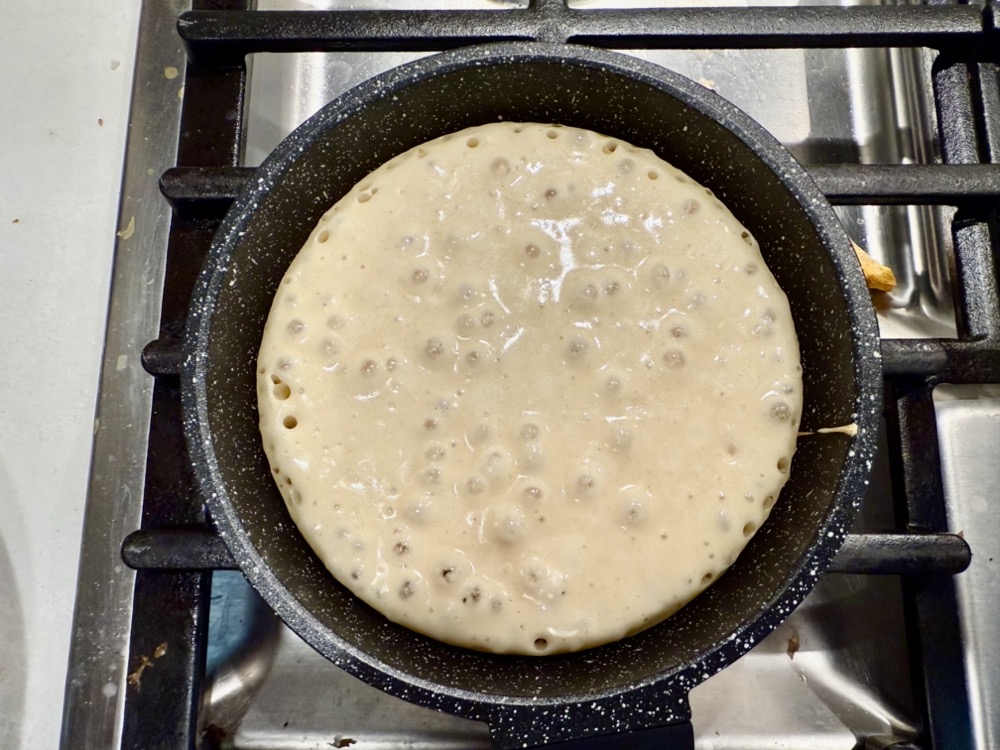
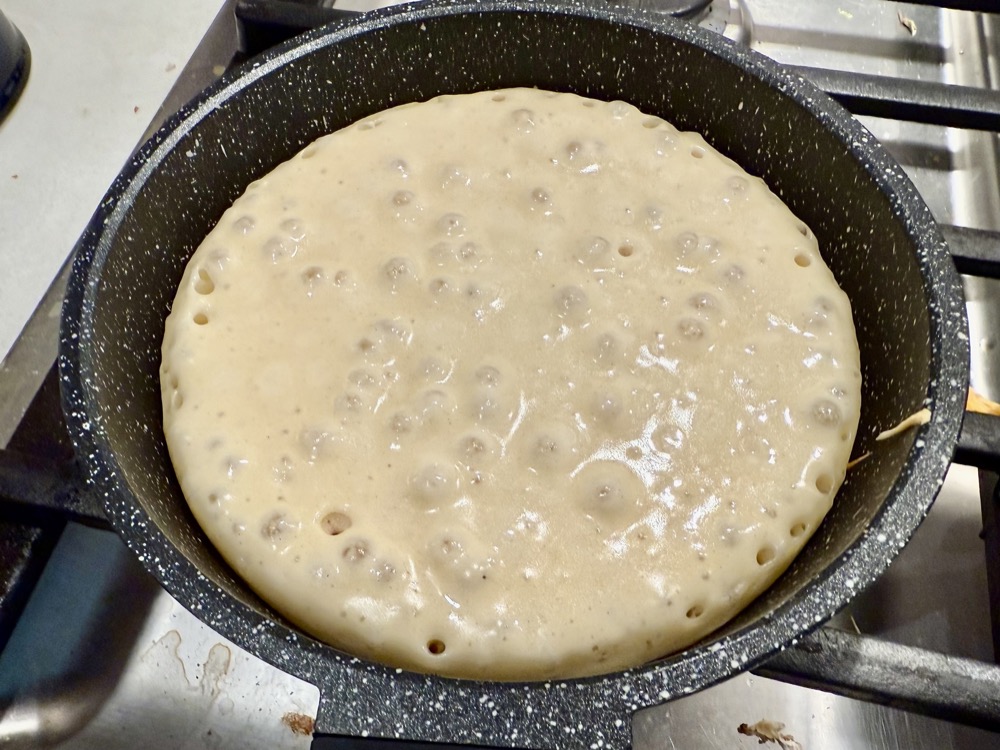
Let the batter cook for 2-3 minutes until the edges are cooked (see photo), then gently loosen the pancake from underneath and flip it over. Turn the heat down to LOW and continue to cook for another 3-4 minutes until the center is cooked (the internal temp will by 31-32˚C/88-90˚F).

Pro-tip: It can be tricky to flip a pancake when it’s in a small pan, so here are a few cheat ways to make it easier:

Method 1: If you have two of the same size pans, you can loosen the pancake first, then place the other skillet over top and directly flip it into the other pan and continue cooking.

Method 1: Use two small pans and flip onto each other (make sure to loosen the pancake first!)

Method 2: You could alternatively flip it into a large base non-stick pan and continue to cook since the pancake should hold its shape from the first pan. Tuck in any loose batter into the pancake.

Method 2: Flip the pancake onto a larger heated pan

Method 3: If your small pans are oven/broil-safe, you can just pop the pan under the broiler on LOW until it cooks through without having to actually flip it. I haven’t tried this method before, but this was how I saw them do it at Golden Diner for a perfectly shaped pancake each time.

Repeat this process for the remaining pancakes, ensuring you heat up the pan each time between pancakes.

F) To Serve:

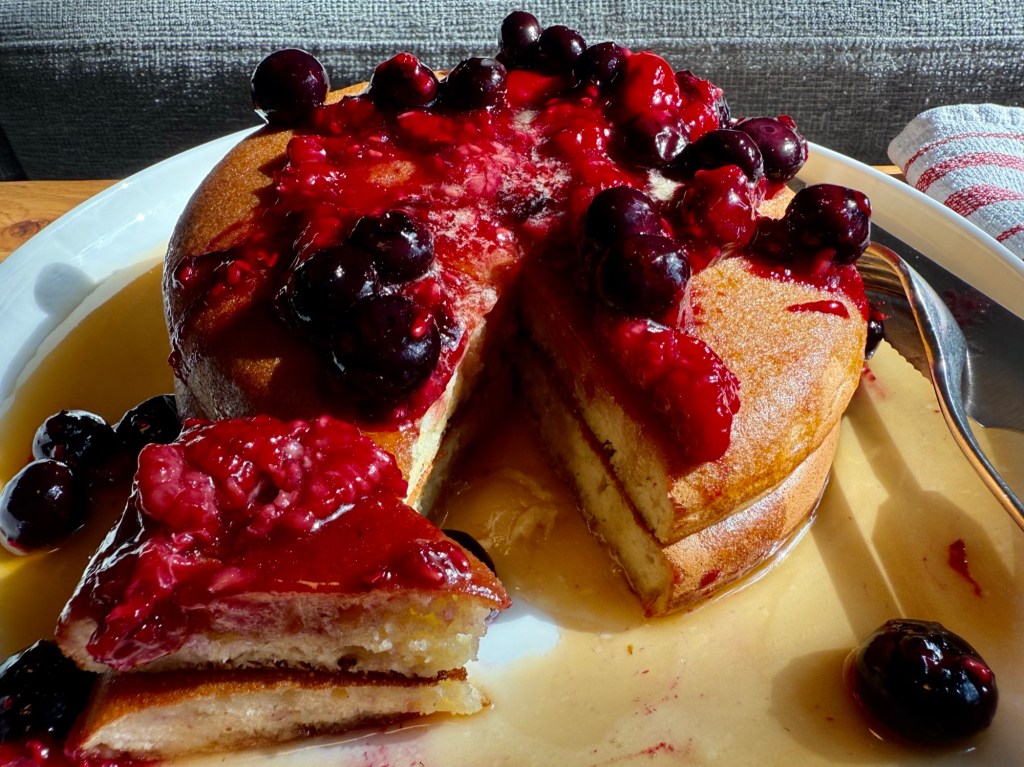
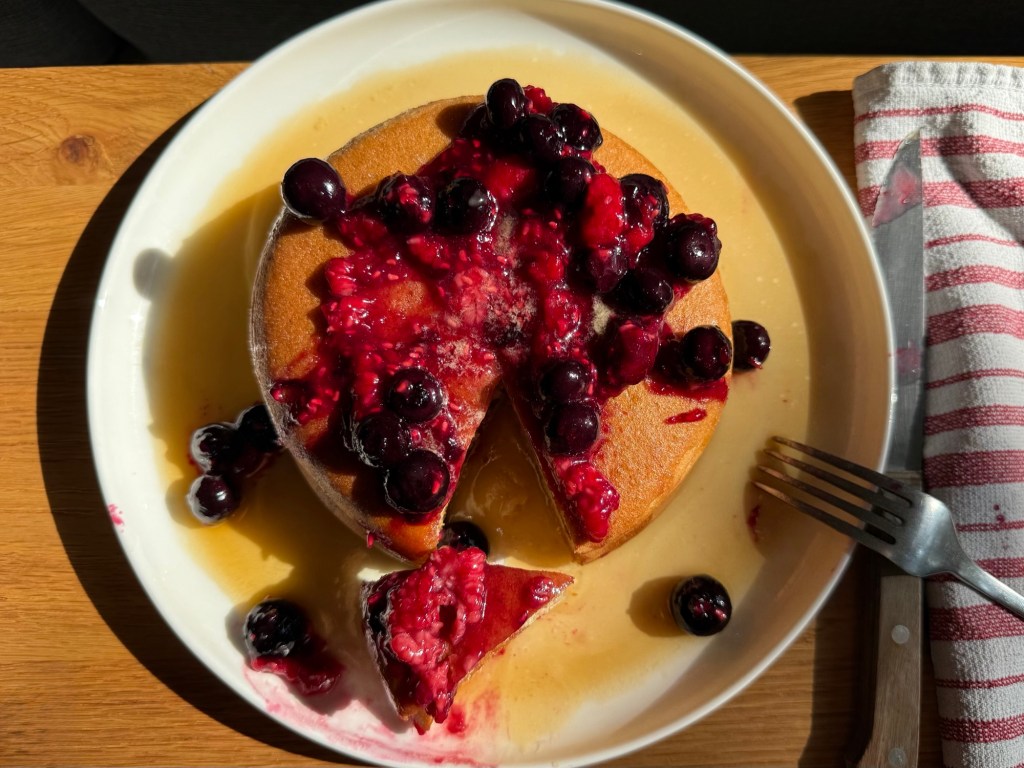
Place 1 or 2 pancakes onto a plate and evenly drench the maple honey syrup over top right away. Spoon the berry compote on top (if using) then a dollop of the maple honey butter (if using) over the berries. Sprinkle some fresh lemon zest over top and serve immediately! Enjoy!

Summarized Recipe:

Golden Diner Honey Butter Pancakes

Date Published: Sept 9th, 2025 | Last Updated: Sept 9th, 2025
Author: Abby |Category: breads, dessert, snack, easy, vegetarian
Serves: 4 pancakes | Prep time: 1 hour | Cook time: 5-7 minutes per pancake

Equipment you’ll need:

  • One or two small non-stick pans (16cm/6.5-7 inch diameter)
    • Two will make your life easier and cook the pancakes faster, but one is enough if you don’t care about speed.

Ingredients you’ll need:

  • Pancake Batter:
    • Pre-Ferment:
      • 2.25 tsps (7g or one 1/4 oz packet) active dry yeast (instant yeast is fine too)
      • 1 cup (130g) all-purpose flour
      • 1.25 cups (300g) buttermilk (or mix 1.25cups whole milk + 1.25 Tbsps lemon juice, let it sit for 5-10 minutes until it lightly thickens)
      • 1/4 cup (60ml) water
    • 1 cup (130g) all-purpose flour
    • 2 Tbsps (28g) granulated sugar
    • 3/4 tsps (5g) baking soda
    • 1/2 tsp fine salt
    • 2 large eggs
    • 1/4 cup (60g) neutral-tasting oil (ie. canola, vegetable…etc.)
  • Maple Honey Syrup:
    • 1/2 cup (113g or 1 stick) unsalted butter
    • 1/3 cup (100g) honey
    • 1.5 Tbsps (22g) maple syrup
    • 1 tsp soy sauce
    • 1/2 tsp fine salt
    • 1.5 Tbsps water
  • Maple Honey Butter (optional):
    • 1/2 cup (113g or 1 stick) unsalted butter, softened
    • 3 Tbsps (57g) honey
    • 2 Tbsps (28g) pure maple syrup
    • 3/4 tsp fine salt
  • Berry Compote (optional):
    • 14oz (400g) mixed berries (ie. blueberries, raspberries, strawberries), cut to the same size as the small berries
    • 1/3 cup (67g) granulated sugar
    • 1.5 tsps cornstarch
  • Zest of 1 lemon for garnish

Directions:

A) Make the Pancake Batter:

  • Pre-Ferment the batter (this step helps the pancakes have better rise, with deeper flavour by a fermentation process):
    • 1. In a large microwave-safe bowl, add in the 1.25 cups buttermilk with 1/4 cup water. Microwave for 30 seconds at a time until lukewarm (~38-40˚C/100-104˚F).
      • (If you don’t have any buttermilk on hand, mix 1.25 cups of whole milk with 1.25 Tbsps of lemon juice and let it sit for 5-10 minutes until it slightly thickens/clumps.)
      • You can also do this in a small saucepan on LOW-MED heat and heat until it becomes lukewarm.
    • 2. Whisk the 2.25 tsp yeast and 1 cup (130g) flour into the warmed buttermilk/water mixture until smooth.
    • 3. Cover with plastic wrap and let it sit for 1 hour at room temperature.
      • You can make the maple honey syrup, butter, and berry compote in this time.
  • Finishing off the batter:
    • 4. After 1 hour check on the batter and give it a stir. It will have risen a little and formed clumps.
    • 5. In a separate small bowl, mix together the remaining dry ingredients for the batter: 1 cup (130g) of flour, 2 Tbsps (28g) sugar, 3/4 tsps (5g) baking soda, and 1/2 tsp salt. Set aside.
    • 6. In another larger mixing bowl, whisk together 2 large eggs and 1/4 cup neutral oil until smooth. Add in the pre-ferment batter into the egg/oil mixture, then slowly add in the combined dry ingredients prepared in the previous step (flour, sugar, baking soda, salt). Gently stir with the whisk until the dry ingredients are incorporated, it’s okay if the batter is lumpy.
B) Make the Maple Honey Syrup:

  1. In a small saucepan on LOW-MED heat, add in the 1/2 cup (113g) butter, 1/3 cup (100g) honey, 1.5 Tbsps (24g) maple syrup, 1 tsp soy sauce, and 1/2 tsp fine salt. Whisk until the butter melts completely.
  2. Add 1.5 Tbsps water and continue whisking until emulsified then reduce the heat to the lowest setting to keep warm until ready to use.
C) Make the Maple Honey Butter (optional):

  1. In a bowl, whisk together the 1/2 cup (113g) softened butter, 3 Tbsps (57g) honey, 2 Tbsps (28g) maple syrup, and 3/4 tsps salt. Keep at room temperature if using within a few hours, or refrigerate in an airtight container for up to 1 week.
    • Pro-tip for storing leftover butter: spoon out the butter onto plastic wrap and roll into a log then refrigerate. Once the butter firms up, you can slice it and use as needed!

D) Make the Berry Compote (optional):

  1. In a bowl, add in the mixed berries, 1/3 cup (67g) sugar, and 1.5 tsps cornstarch. Gently mix until the berries are evenly coated.
  2. Heat a deep pan on HIGH heat. Splash a drop of water onto the pan and if it sizzles right away, then the pan is ready. Add the berry mixture from the previous step and cook until the blueberries are soft and easy to squish (~3-5 minutes), stirring occasionally. Remove from heat and set aside.
E) Cook the Pancakes:

  1. Heat one or two small non-stick pans (16cm/6.5-7 inch diameter) on MED heat.
  2. Once the pan has heated up, pour in 1 ladle of batter into the pan, which should fill up about 1/3 of the depth of the pan.
  3. Let the batter cook for 2-3 minutes until the edges are cooked (see photo), then gently loosen the pancake from underneath and flip it over. Turn the heat down to LOW and continue to cook for another 3-4 minutes until the center is cooked (the internal temp will by 31-32˚C/88-90˚F).
    • Pro-tip: It can be tricky to flip a pancake when it’s in a small pan, so here are a few cheat ways to make it easier:
      • Method 1: If you have two of the same size pans, you can loosen the pancake first, then place the other skillet over top and directly flip it into the other pan and continue cooking.
      • Method 2: You could alternatively flip it into a large base non-stick pan and continue to cook since the pancake should hold its shape from the first pan. Tuck in any loose batter into the pancake.
      • Method 3: If your small pans are oven/broil-safe, you can just pop the pan under the broiler on LOW until it cooks through without having to actually flip it. I haven’t tried this method before, but this was how I saw them do it at Golden Diner for a perfectly shaped pancake each time.
  4. Repeat this process for the remaining pancakes, ensuring you heat up the pan each time between pancakes.

F) To Serve:

Place 1 or 2 pancakes onto a plate and evenly drench the maple honey syrup over top right away. Spoon the berry compote on top (if using) then a dollop of the maple honey butter (if using) over the berries. Sprinkle some fresh lemon zest over top and serve immediately!
Beef Bulgogi


Date Published: April 18th, 2025 | Last Updated: April 18th, 2025
Author: Abby |Category: mains, asian, quick, easy,
Serves: 4 | Prep time: 12 hours (marinate overnight) | Cook time: 10 minutes

Jump to recipe |

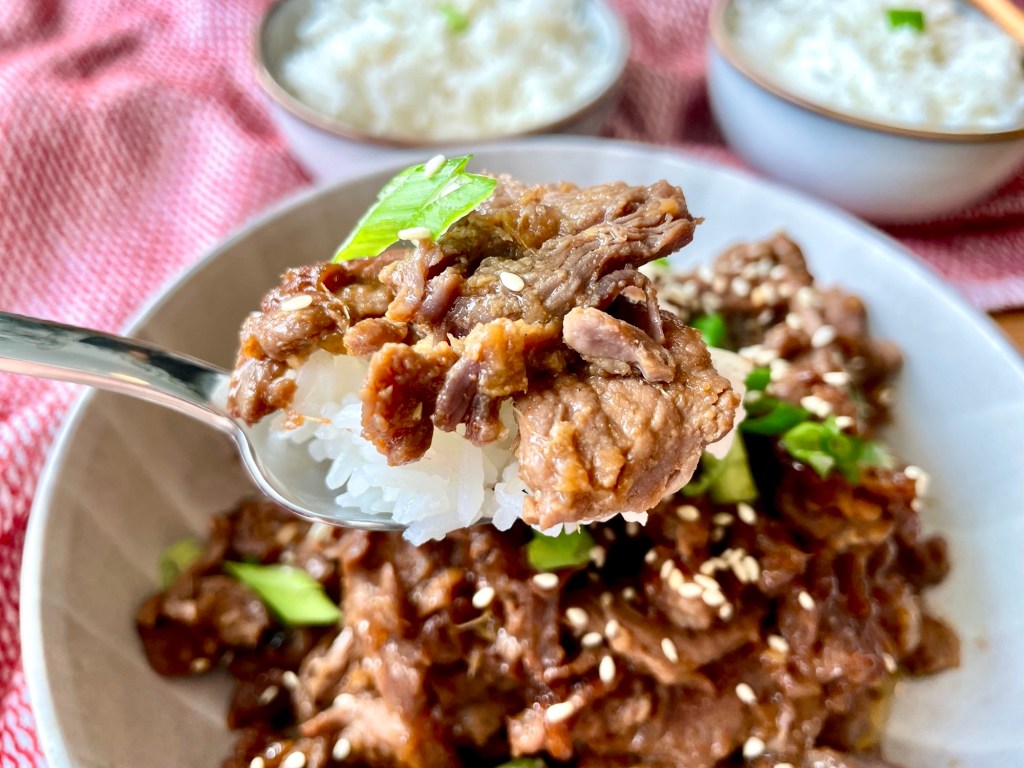
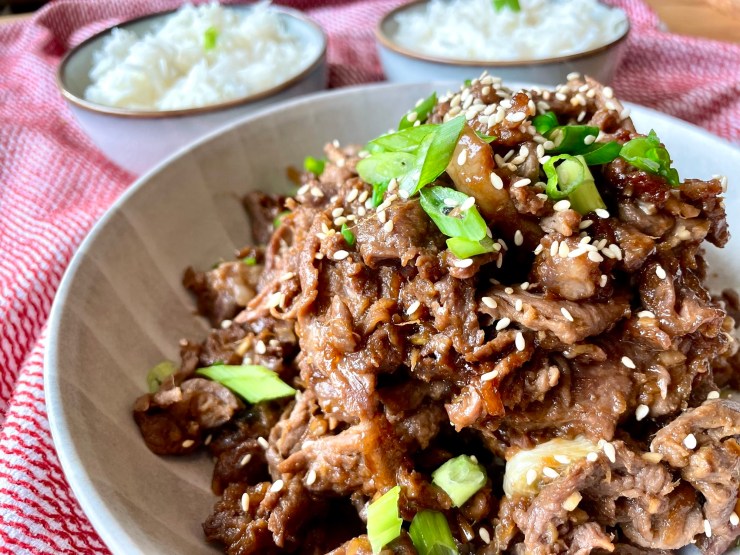
Bulgogi is a Korean dish that consists of thinly sliced meat (most commonly beef, but you can find pork and chicken variations too) marinated in soy sauce, sugar, sesame oil, garlic and ginger. Once marinated, this dish is so quick to cook that it only takes a few minutes on the grill, perfect for a busy quick weeknight dinner if you marinate the meat the night before. Serve it over rice, lettuce wraps, or perilla leaves with a side of veggies. This flavourful dish will surely be a hit!

3 Methods for thinly sliced beef:

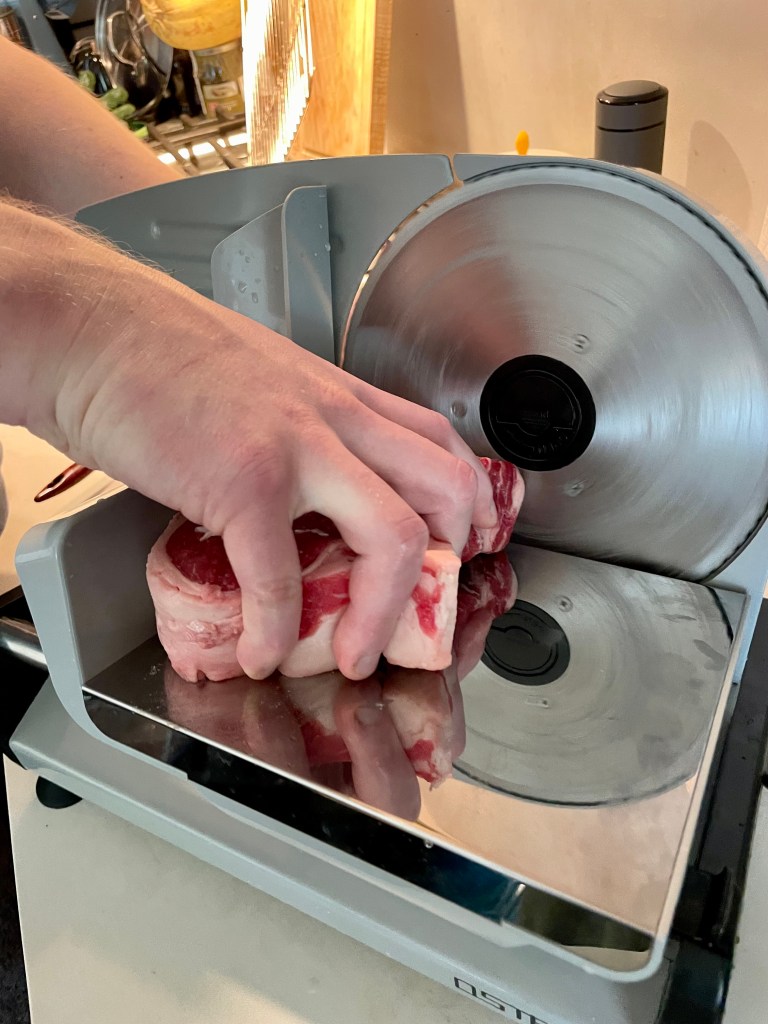
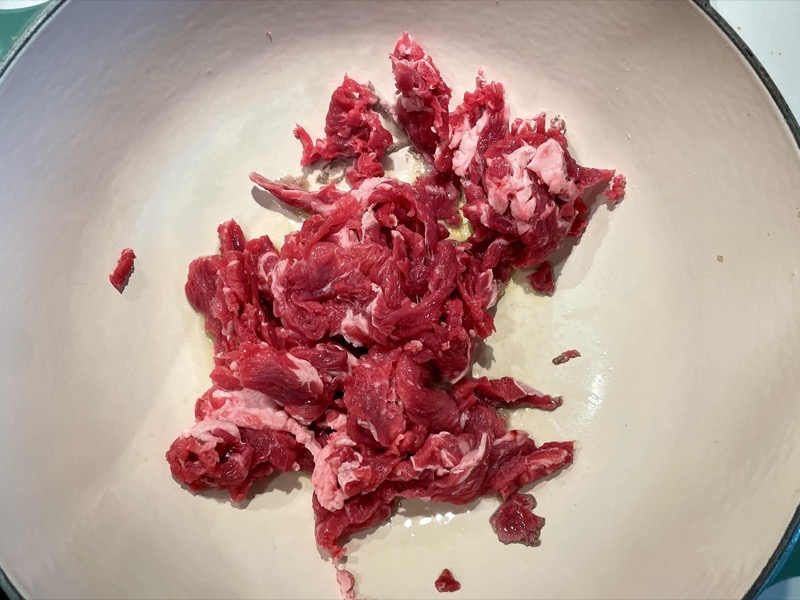
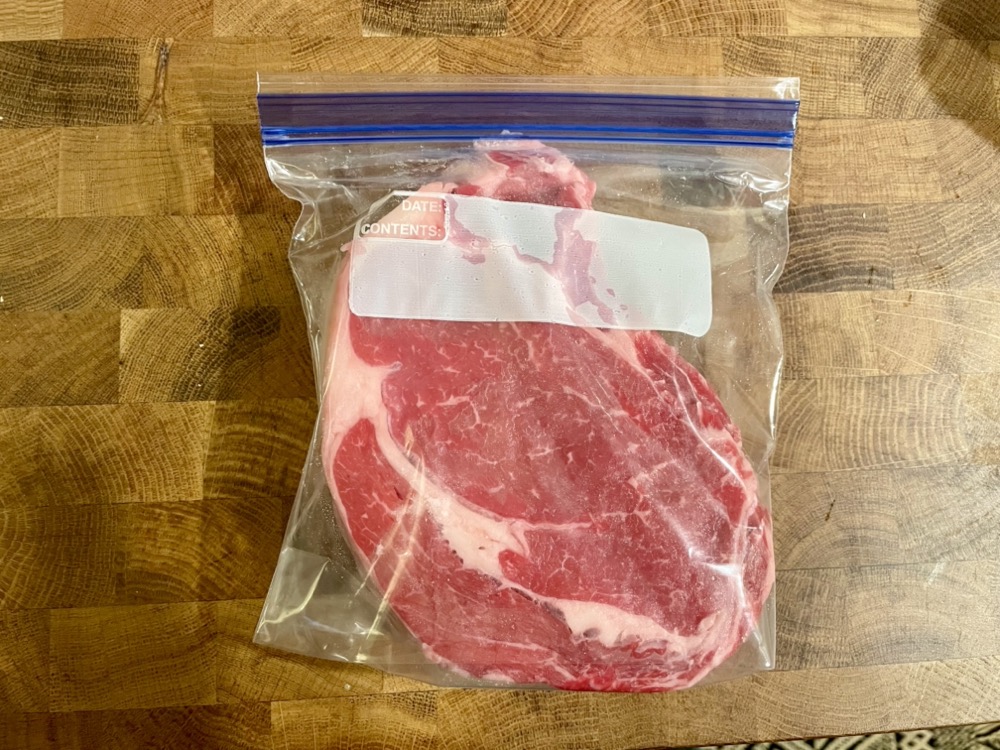
  1. For best and most uniform results: Freeze the raw steak for 20-30 minutes until semi-firm, then use a meat slicer to slice as thin as possible. I have this model of meat slicer that I chose for the decent price and its relatively small size.

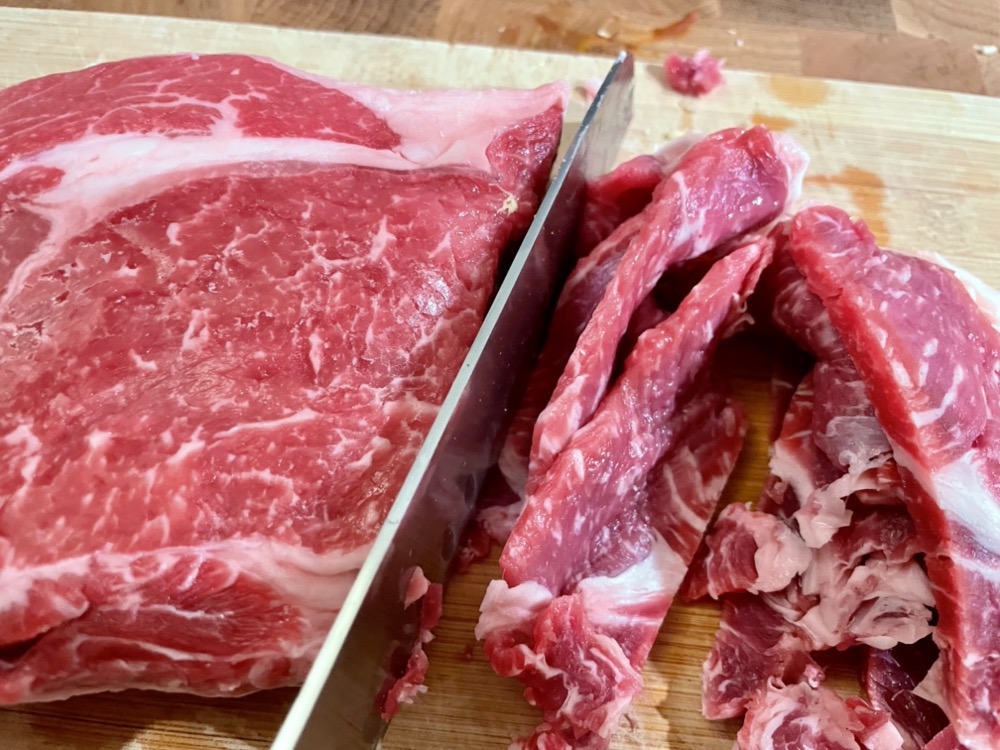
2. Freeze the raw steak for 20-30 minutes until semi-firm, then use a sharp knife to slice as thin as possible.

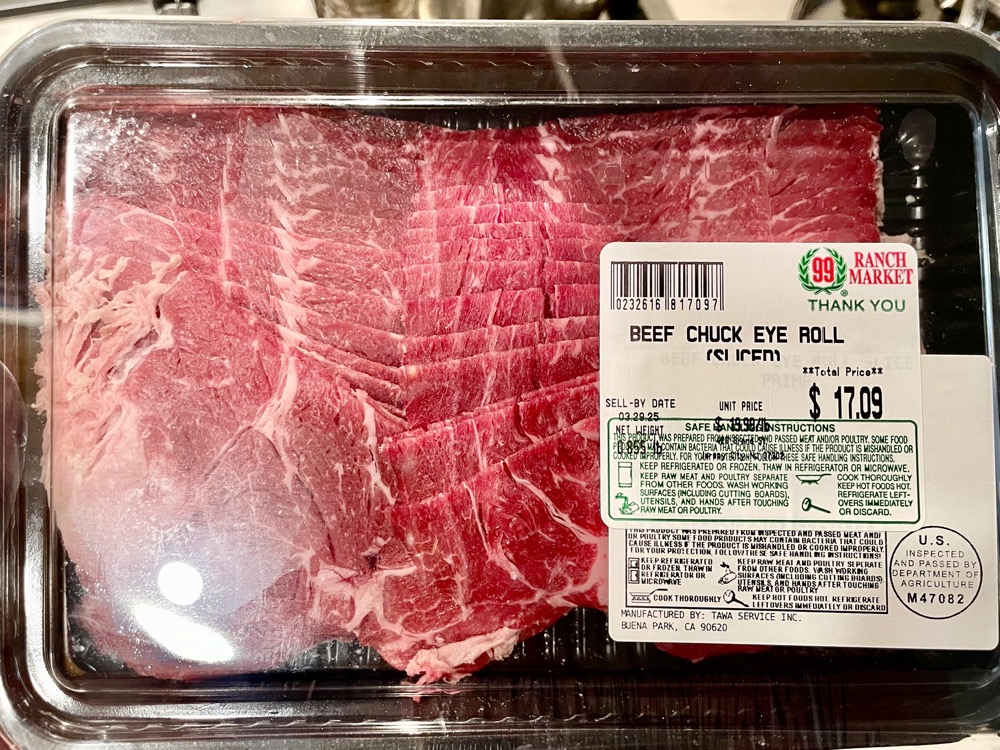
3. Buy pre-sliced frozen beef from the hotpot section of most asian grocery stores. This will be the easiest method but will also likely be more expensive.

Anyways, without further ado, here’s the recipe! If you have any comments or suggestions, I’d love to hear from you in the comment section! You can follow me on instagram, youtube and facebook to see all the recipes I post!

Happy cooking!

Ingredients you’ll need:

  • Marinade:
    • 3 cloves garlic, minced
    • 2 tsps freshly grated ginger
    • 4 green onions, sliced to 4cm pieces
    • 1/2 small pear (80g), peeled and coarsely grated
    • 1/4 cup (66g) soy sauce (Kikkoman is fine)
    • 1/4 cup (40g) brown sugar
    • 2 Tbsps (30g) toasted sesame oil
    • 1.5 Tbsps (30g) gochujang (Korean red chilli paste)
  • 700g/1.5 pounds boneless rib eye steak, sliced thinly (for cheaper options, flank steak or skirt steak will also do)
  • Garnish: chopped green onion and sesame seeds

Directions:

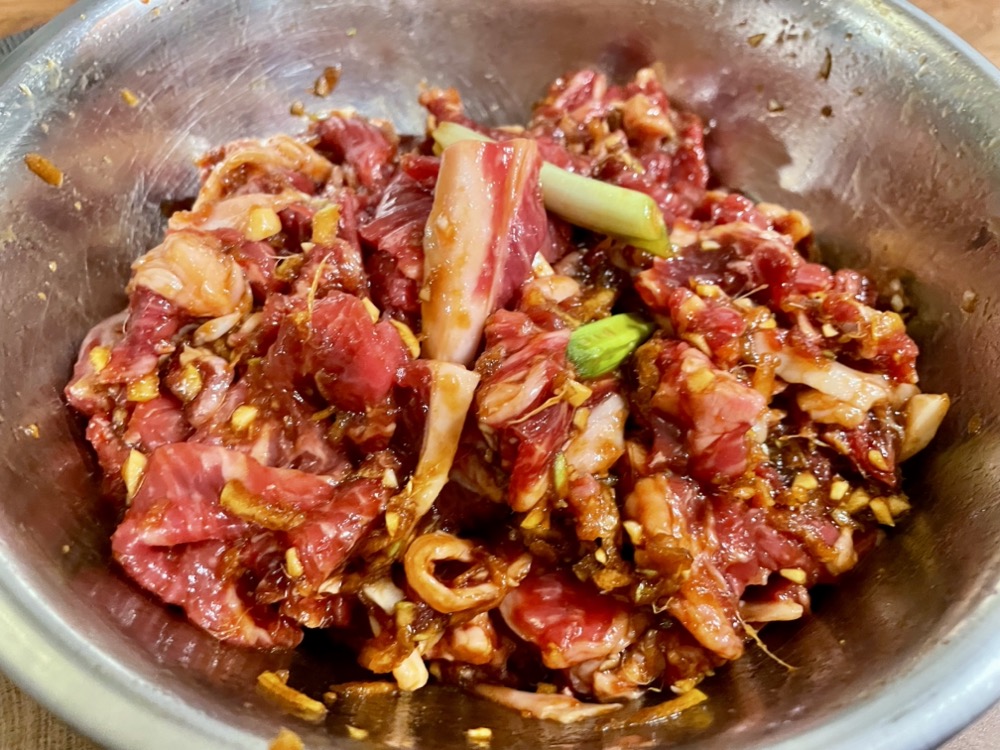
Put all the marinade ingredients in a bowl and mix well: 3 cloves minced garlic, 2 tsps grated ginger, 4 green onions sliced to 4cm pieces, 1/2 of a pear, grated (80g), 1/4 cup (66g) soy sauce, 1/4 cup (40g) brown sugar, 2 Tbsps (30g) toasted sesame oil, 1.5 Tbsps (30g) gochujang.

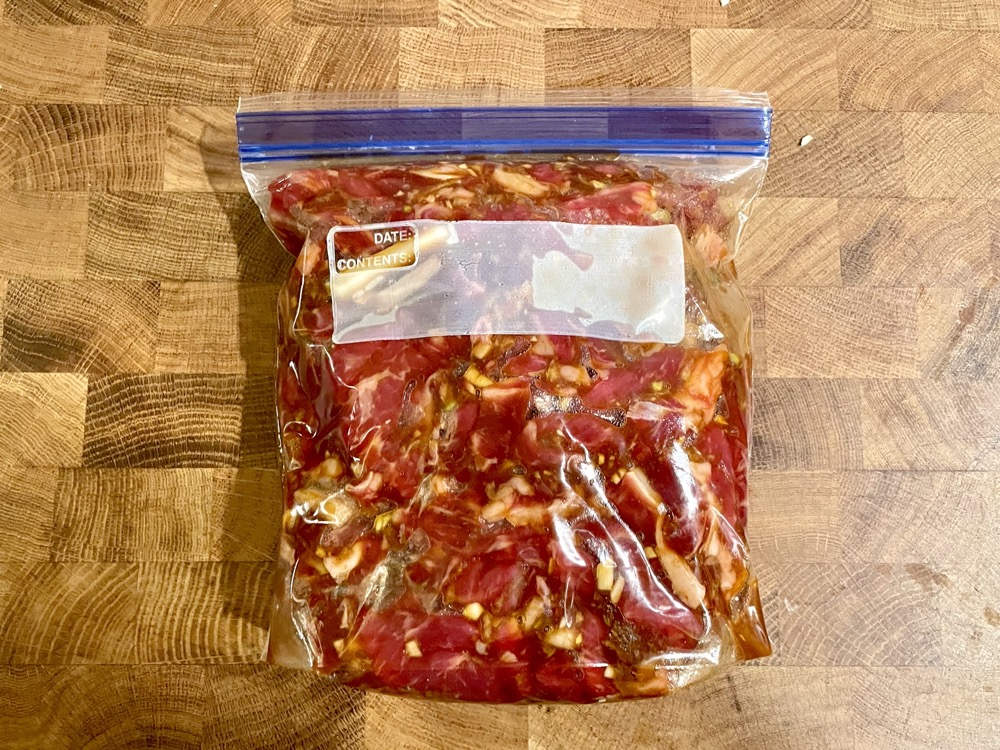
Add the thinly sliced steak into the marinade and massage well. Pour the contents into a resealable bag and marinate in the refrigerator overnight.

Take out the marinated steak 20 minutes prior to cooking to let the meat come to room temperature.

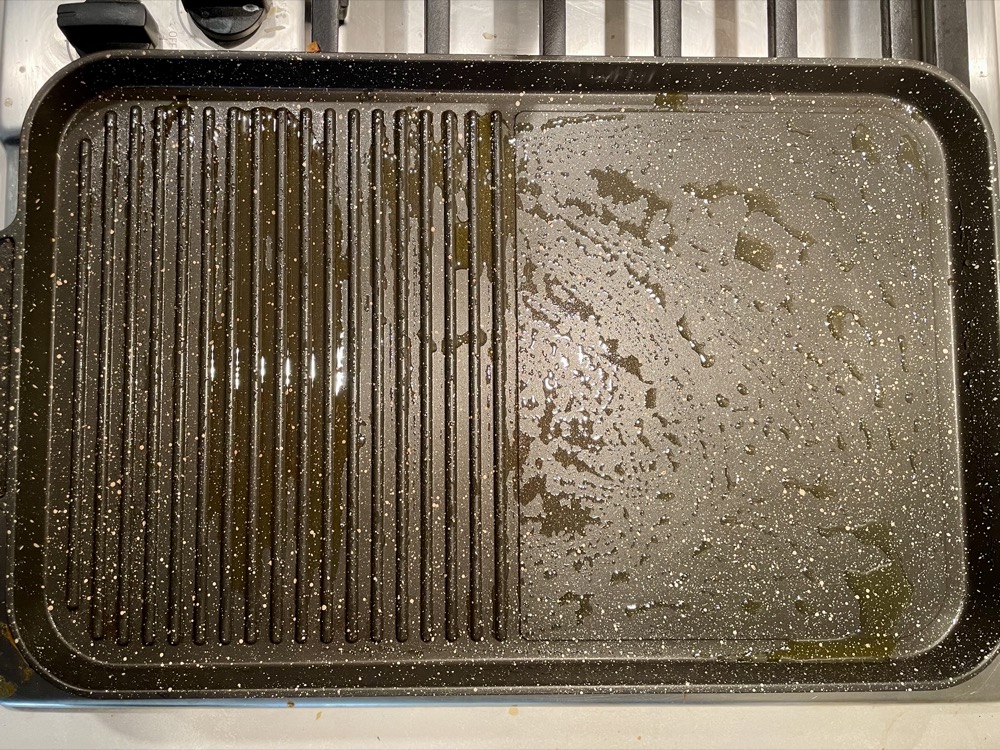
When ready to cook, use a flat skillet or grill pan on MED-HIGH heat and add a drizzle of oil. Add the marinated steak and cook for roughly 2-3 minutes per side until slightly charred and cooked. Done!

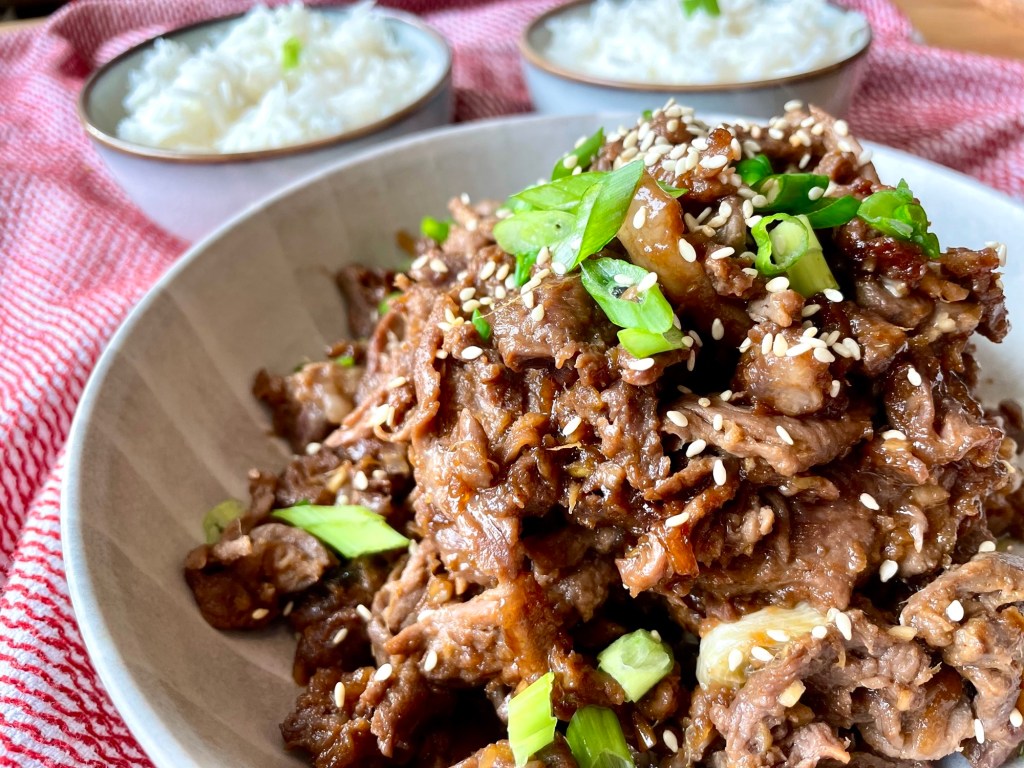
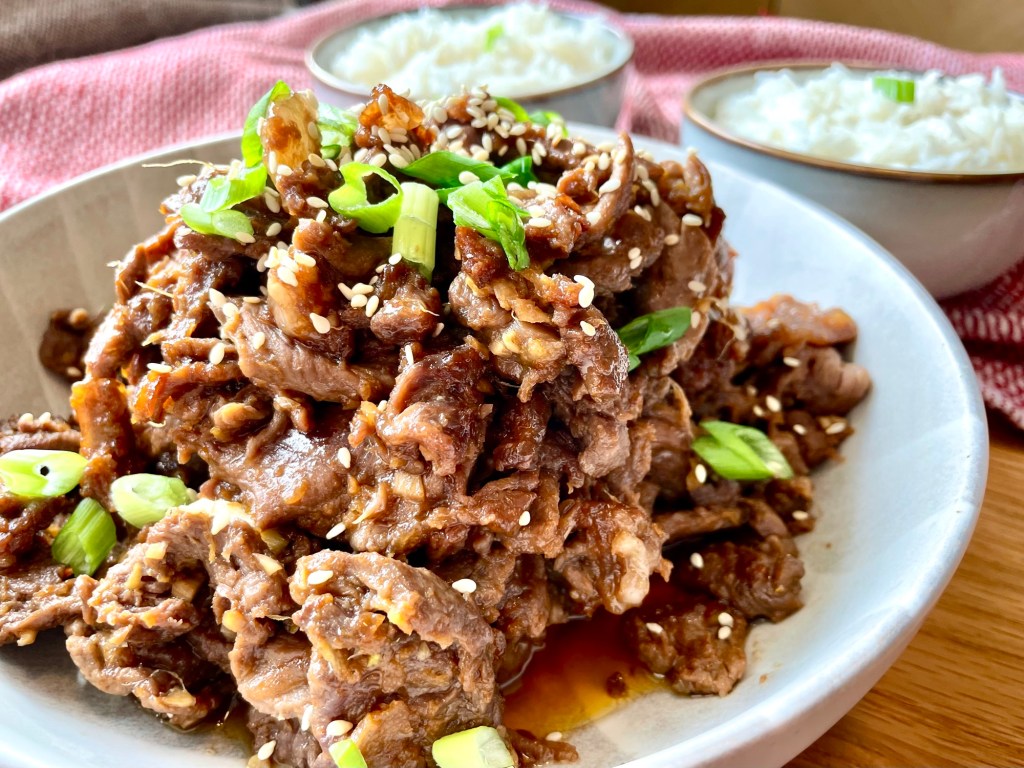
Serve with rice. Garnish with more green onion and sesame seeds.

Summarized Recipe:

Beef Bulgogi

Date Published: April 18th, 2025 | Last Updated: April 18th, 2025
Author: Abby |Category: mains, asian, quick, easy,
Serves: 4 | Prep time: 12 hours (marinate overnight) | Cook time: 10 minutes

Ingredients:

  • Marinade:
    • 3 cloves garlic, minced
    • 2 tsps freshly grated ginger
    • 4 green onions, sliced to 4cm pieces
    • 1/2 small pear (80g), peeled and coarsely grated
    • 1/4 cup (66g) soy sauce (Kikkoman is fine)
    • 1/4 cup (40g) brown sugar
    • 2 Tbsps (30g) toasted sesame oil
    • 1.5 Tbsps (30g) gochujang (Korean red chilli paste)
  • 700g/1.5 pounds boneless rib eye steak, sliced thinly (for cheaper options, flank steak or skirt steak will also do)
  • Garnish: chopped green onion and sesame seeds

Directions:

  1. Put all the marinade ingredients in a bowl and mix well: 3 cloves minced garlic, 2 tsps grated ginger, 4 green onions sliced to 4cm pieces, 1/2 of a pear, grated (80g), 1/4 cup (66g) soy sauce, 1/4 cup (40g) brown sugar, 2 Tbsps (30g) toasted sesame oil, 1.5 Tbsps (30g) gochujang.
  2. Add the thinly sliced steak into the marinade and massage well. Pour the contents into a resealable bag and marinate in the refrigerator overnight.
  3. Take out the marinated steak 20 minutes prior to cooking to let the meat come to room temperature.
  4. When ready to cook, use a flat skillet or grill pan on MED-HIGH heat and add a drizzle of oil. Add the marinated steak and cook for roughly 2-3 minutes per side until slightly charred and cooked. Done! Serve with rice. Garnish with more green onion and sesame seeds.

Soondubu Jjigae (Korean Soft Tofu Soup)


Date Published: April 12th, 2025 | Last Updated: April 12th, 2025
Author: Abby |Category: soup, asian, easy, healthy, low cal, mains, quick
Serves: 4 | Prep time: 15 mins | Cook time: 30 mins

Jump to recipe |

What is Soondubu/Sundubu Jjigae?

Soondubu or Sundubu or Soon tofu is an extra soft type of tofu that is very fragile when handled, but has a lovely soft texture.

Soon tofu

Jjigae = Korean style stew usually made with meat, seafood, or vegetables. There are a variety different ‘jjigae’ out there, named according to what their ingredients are. This dish is called a ‘soondubu jjigae’ because it’s made with the classic soft tofu.

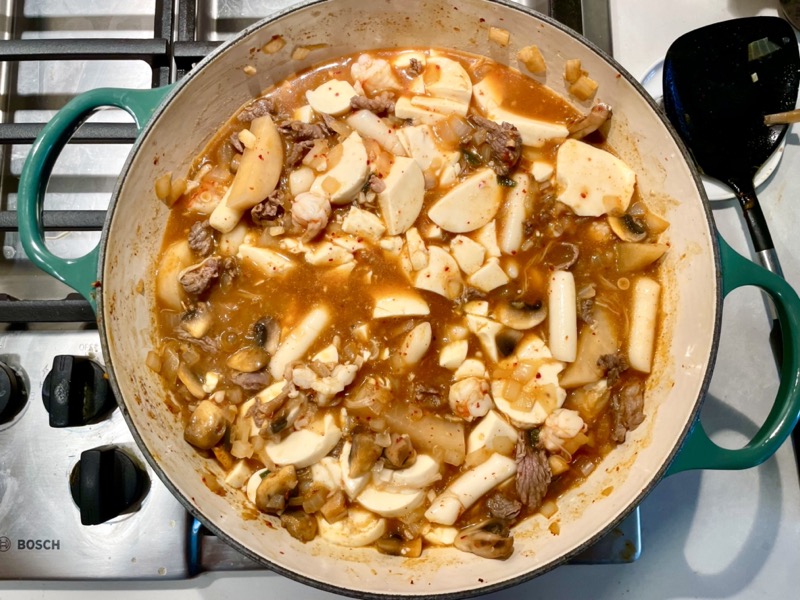
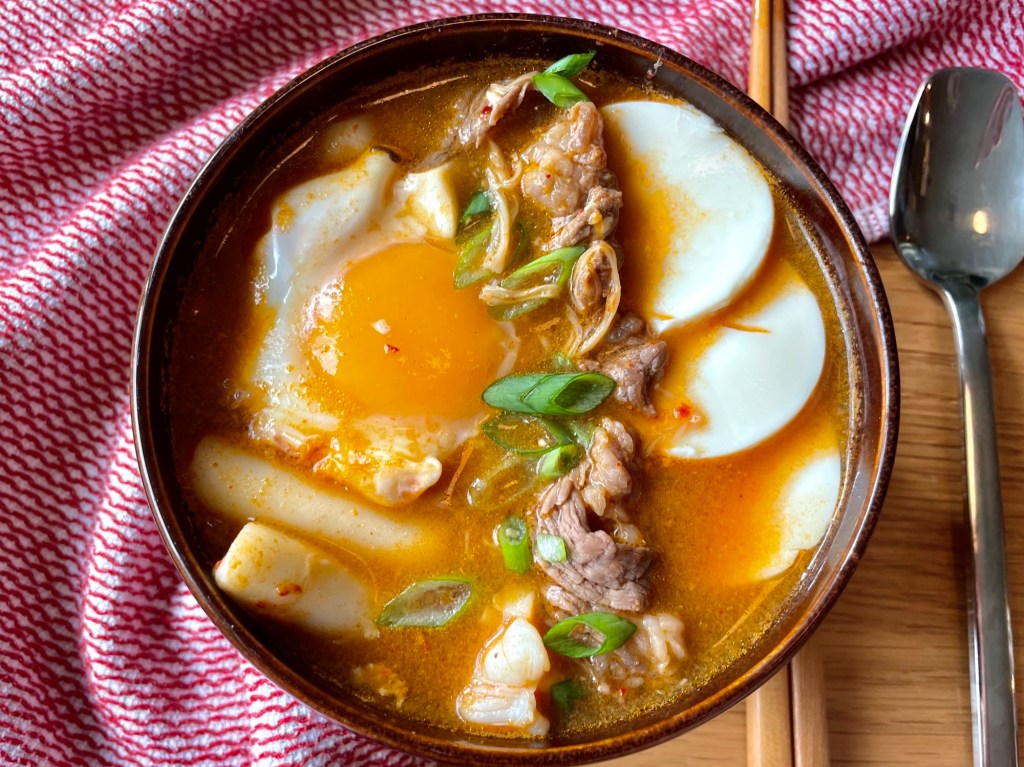
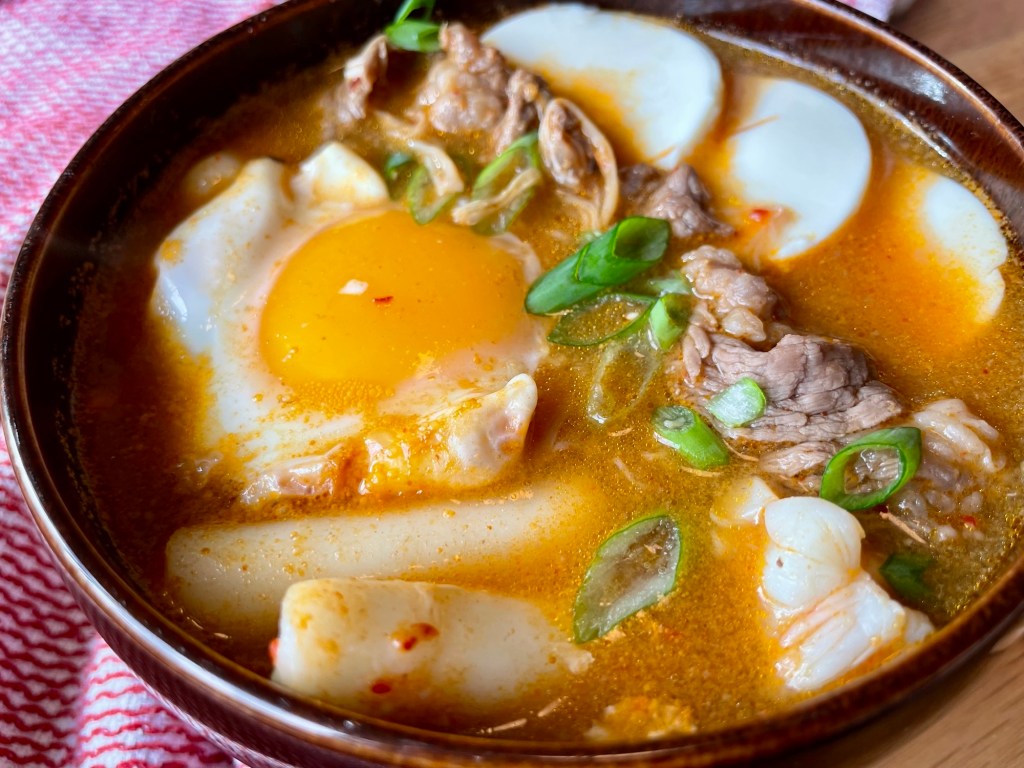
A Soondubu jjigae is a healthy and easy to make Korean soup made with bonito soup stock (fish based) and kimchi (fermented Korean cabbage) as the main flavours of the dish which results in a savoury but slightly acidic soup. The ingredients of the soup can vary from place to place but commonly you’ll find tteok (Korean rice cakes), seafood or meat (or both in this case), and of course the soft tofu. I’ve also added two types of mushrooms to mine for added texture but feel free to leave them out.

Bonito Soup Stock

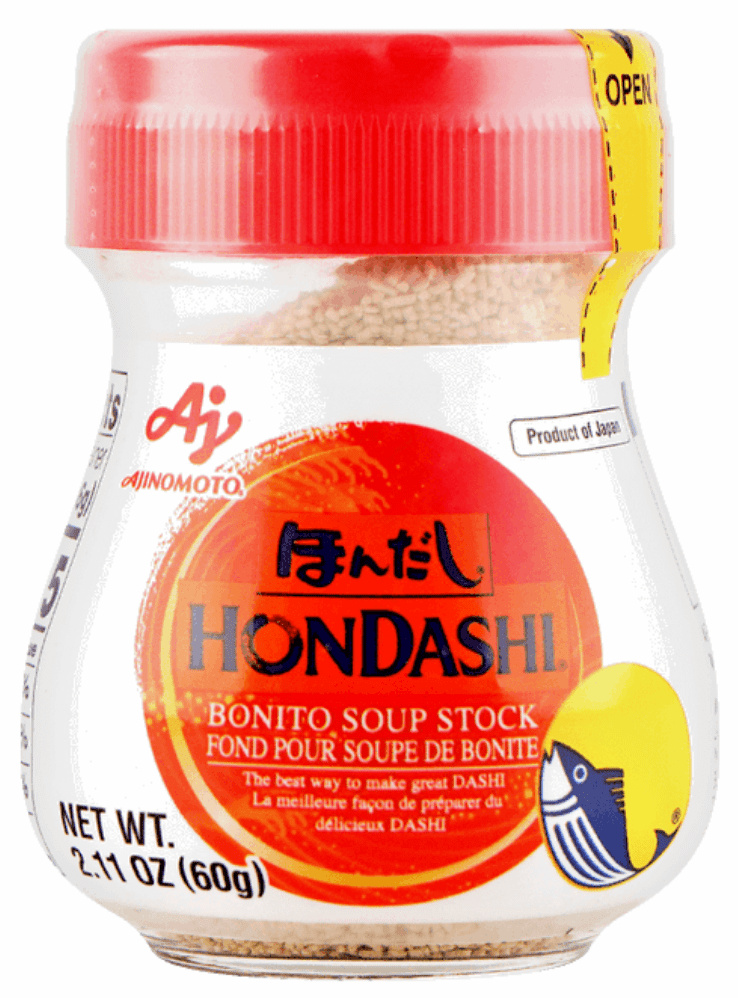
Bonito is a type of fish that is in the same family as mackerel and tuna. One of the most common forms of bonito is bonito flakes which are the thin brown flakes sprinkled on top of okonomiyaki or takoyaki. Bonito stock, also known as dashi, is a Japanese soup stock made from bonito flakes, kelp, and other ingredients. It packs tons of umami flavour and is a key component of many Japanese dishes, including miso soup. HonDashi is the most popular brand of bonito soup stock/dashi that you’ll find in most Asian grocery stores and it comes in a powder/fine pellet form packaged in small glass jars (as pictured), or in packets. They usually need to be kept refrigerated once opened.

What are Garaetteok/Tteok (Korean rice cakes)?

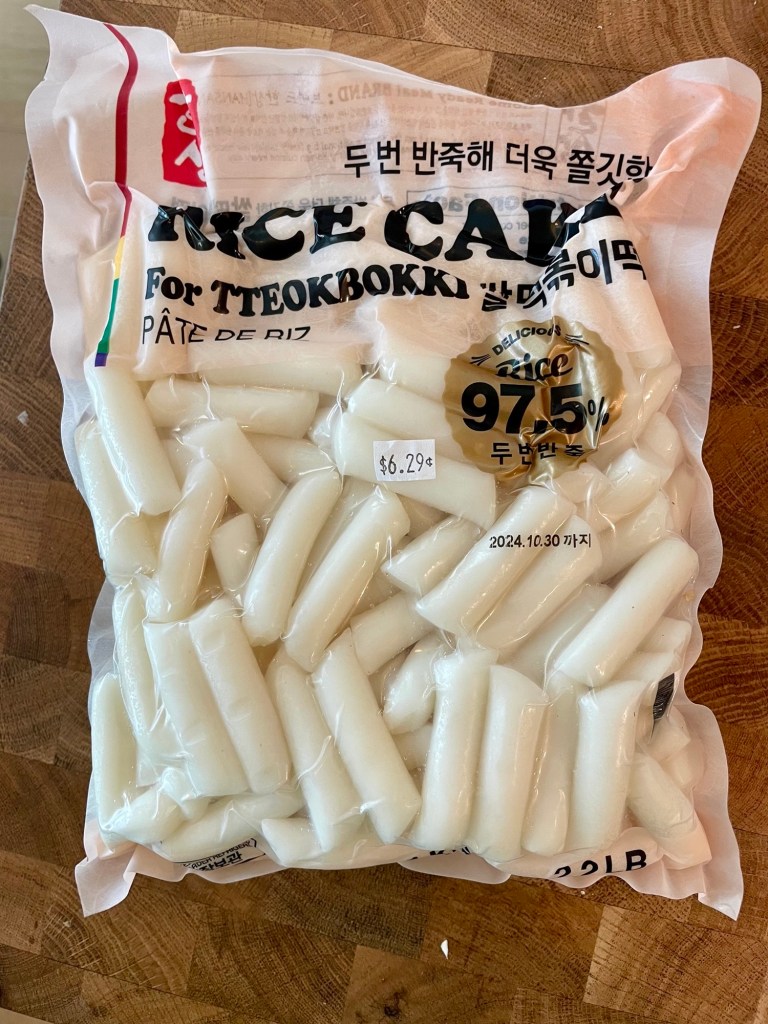
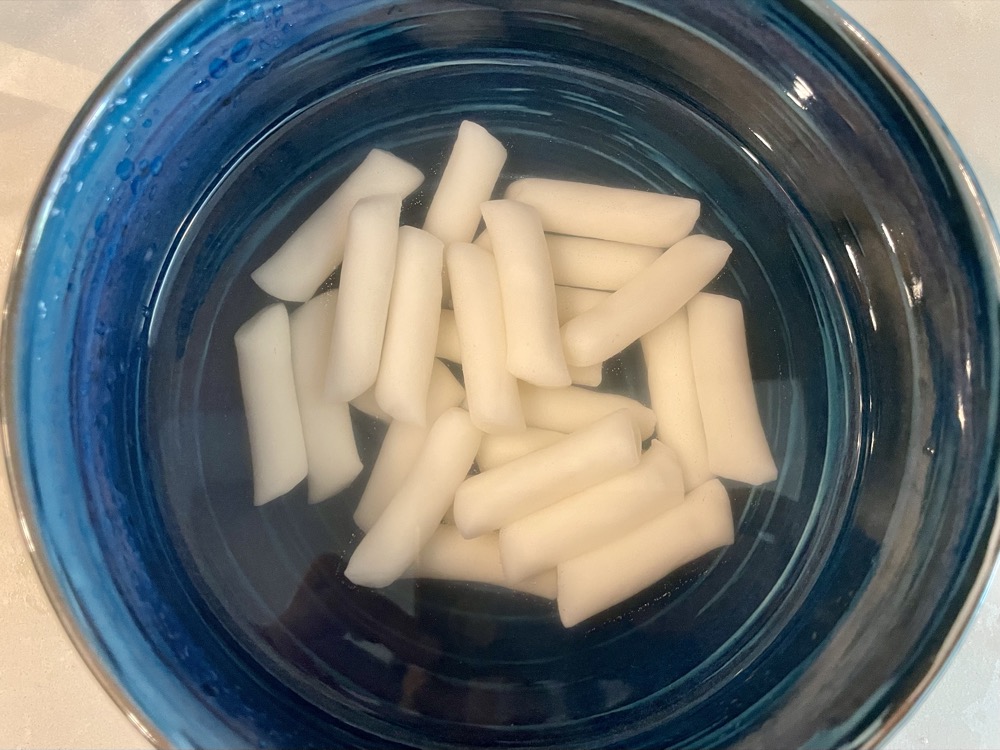
Garaetteok/tteok are Korean rice cakes that are made from non-glutinous rice flour and come in skinny long cylinders. On their own they don’t have much flavour so they’re often added to a flavourful saucy dish (such as this dak galbi recipe) or a soup. They have a soft and chewy texture once cooked and make a great textural addition to many dishes. You’ll most commonly see garaetteok/tteok served in a dish called tteokbokki which is a spicy rice cake dish.

You can find these vacuum-sealed in the refrigerated section of most Asian grocery stores. They will be very hard coming out of the package and need to be soaked for at least 10 minutes in warm water to slightly soften before cooking them. If you’re lucky and your Asian grocer have these fresh, you can put them directly into the dish without soaking.

Don’t worry if you can’t find any garaetteok/tteok. Simply omit them from the recipe altogether. It won’t change the flavour of the dish. It’s mainly to add an extra textural component.

A Quick Note on Gochugaru – Korean Chilli Powder

This recipe uses Gochugaru, a Korean chilli powder, which is not too spicy and it gives the dish a deeper orangey/red colour. It can be easily found in most Asian grocery stores, but if you don’t have any, a good substitute is Kashmiri chilli powder (an Indian variety). Do NOT substitute with cayenne pepper which is a MUCH spicier chilli powder. If you absolutely can’t find Gochugaru or Kashmiri chilli powder, then you can substitute with 1 part cayenne powder: 3 parts paprika, or consider skipping it altogether.

Anyways, without further ado, here’s the recipe! If you have any comments or suggestions, I’d love to hear from you in the comment section! You can follow me on instagram, youtube and facebook to see all the recipes I post!

Happy cooking!

Ingredients you’ll need:

  • 300g chuck steak, sliced into 3-4 cm long strips
  • 6 cloves garlic, minced
  • 1 small onion, diced
  • 1 cup (~250g) kimchi, chopped with juices
  • 1 Tbsp Korean chili powder
  • 400g button mushrooms, sliced
  • 1 bunch enoki mushrooms (optional)
  • 2.5 tsps Hondashi bonito stock powder
  • 2 cups water
  • 1 handful of tteok (Korean rice cakes), rinsed
  • 150g raw shrimp, deveined and deshelled, cut in half width-wise
  • 2 x 313g/11oz packages of soft soon tofu (extra soft Korean tofu), halved and sliced
  • For garnish: 1 green onion, sliced fine

Directions:

In a medium sized soup pot (enough to accommodate 6 cups) on HIGH heat, add a drizzle of oil and quickly sauté the steak until just browned on the outside – do not cook all the way through (2-3 minutes). Remove from the pot and set aside.

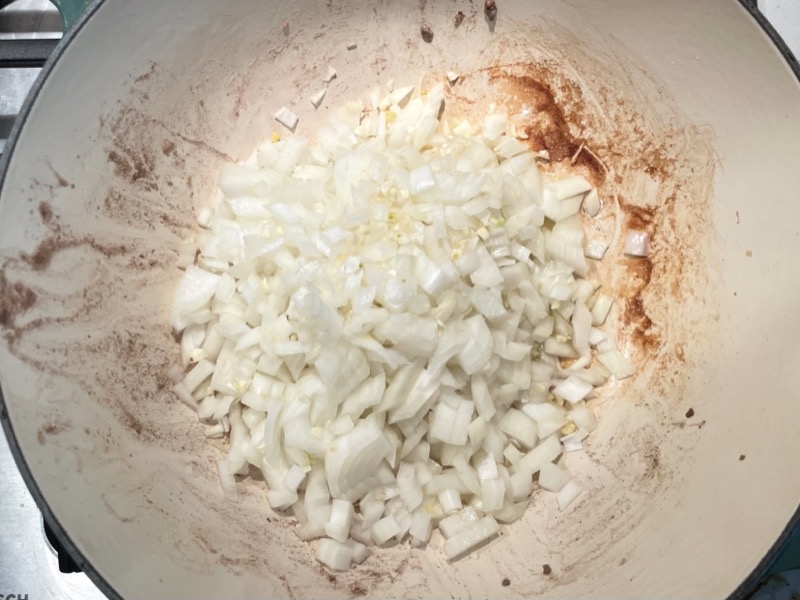
In the same pot on MED-HIGH heat, add another drizzle of oil and sauté the garlic and onion for 30 seconds or until fragrant. Then add in the 1 cup chopped kimchi, 1 Tbsp chili powder, button mushrooms, and enoki mushrooms. Continue to sauté for another few minutes until the onion softens.

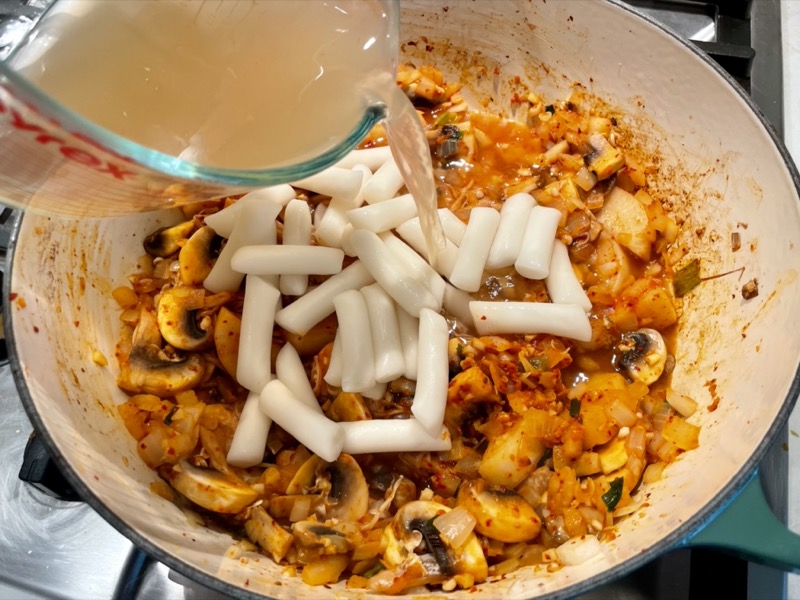
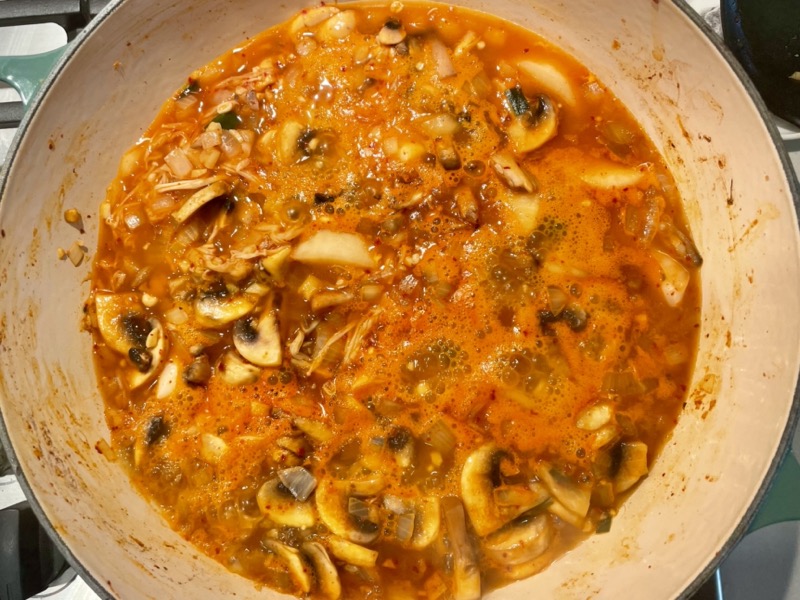
Dissolve the 2.5 tsps bonito stock powder into 2 cups of water and add it to the pot along with the tteok. Bring to a boil and simmer for 2-3 minutes.

Add in the shrimp, tofu, and sautéed steak (from step 1) into the pot and carefully mix it around without breaking the tofu. Let the soup simmer until the shrimp is cooked and the tteok is soft (~another 3-4 minutes), then turn off the heat.

Taste and adjust salt or sugar as needed (the amount of adjustment will depend on the type of kimchi you’ve used). Garnish with chopped green onion. Enjoy! Serve with a side of white rice.

Optional: crack an egg at the surface while the shrimp is cooking at the same time for 3-4 minutes, or otherwise poach an egg separately and add it to the bowl when serving.

Summarized Recipe

Soondubu Jjigae (Korean Soft Tofu Soup)

Date Published: April 12th, 2025 | Last Updated: April 12th, 2025
Author: Abby |Category: soup, asian, easy, healthy, low cal, mains, quick
Serves: 4 | Prep time: 15 mins | Cook time: 30 mins

Ingredients:

  • 300g chuck steak, sliced into 3-4 cm long strips
  • 6 cloves garlic, minced
  • 1 small onion, diced
  • 1 cup (~250g) kimchi, chopped with juices
  • 1 Tbsp Korean chili powder
  • 400g button mushrooms, sliced
  • 1 bunch enoki mushrooms (optional)
  • 2.5 tsps Hondashi bonito stock powder
  • 2 cups water
  • 1 handful of tteok (Korean rice cakes), rinsed
  • 150g raw shrimp, deveined and deshelled, cut in half width-wise
  • 2 x 313g/11oz packages of soft soon tofu (extra soft Korean tofu), halved and sliced
  • For garnish: 1 green onion, sliced fine

Directions:

  1. In a medium sized soup pot (enough to accommodate 6 cups) on HIGH heat, add a drizzle of oil and quickly sauté the steak until just browned on the outside – do not cook all the way through (2-3 minutes). Remove from the pot and set aside.
  2. In the same pot on MED-HIGH heat, add another drizzle of oil and sauté the garlic and onion for 30 seconds or until fragrant. Then add in the 1 cup chopped kimchi, 1 Tbsp chili powder, button mushrooms, and enoki mushrooms. Continue to sauté for another few minutes until the onion softens.
  3. Dissolve the 2.5 tsps bonito stock powder into 2 cups of water and add it to the pot along with the tteok. Bring to a boil and simmer for 2-3 minutes then add in the shrimp, tofu, and sautéed steak (from step 1) into the pot and carefully mix it around without breaking the tofu. Let the soup simmer until the shrimp is cooked and the tteok is soft (~another 3-4 minutes), then turn off the heat. Taste and adjust salt or sugar as needed (the amount of adjustment will depend on the type of kimchi you’ve used). Garnish with chopped green onion. Enjoy! Serve with a side of white rice.
    • Optional: crack an egg at the surface while the shrimp is cooking at the same time for 3-4 minutes, or otherwise poach an egg separately and add it to the bowl when serving.

Joons’ Dak Galbi – Korean Spicy Chicken Stir Fry with Cheese & Noodles


Date Published: Mar 7th, 2025 | Last Updated: Mar 7th, 2025
Author: Abby |Category: mains, easy, Asian
Serves: 4 | Prep time: overnight marinating + 20 mins | Cook time: 40 mins

Jump to recipe |

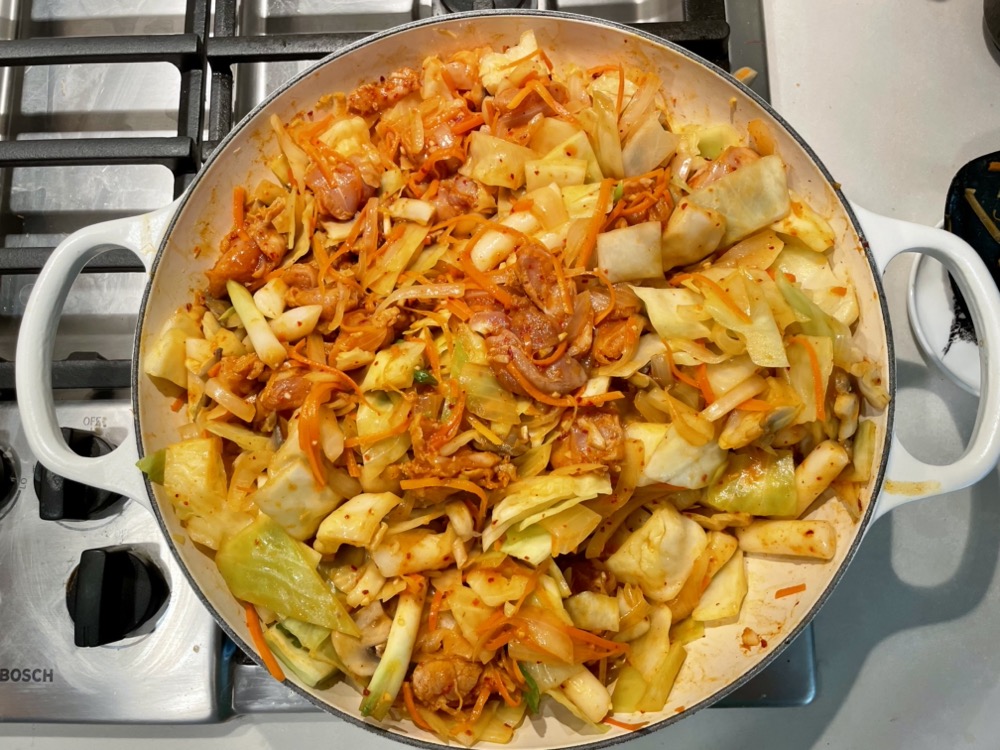
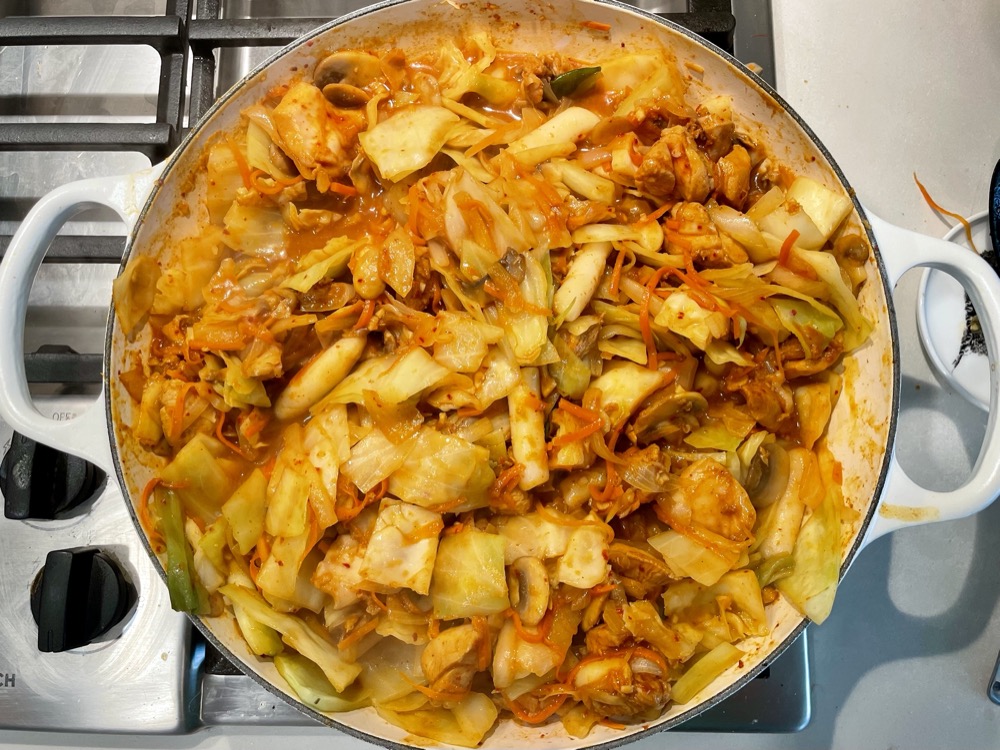
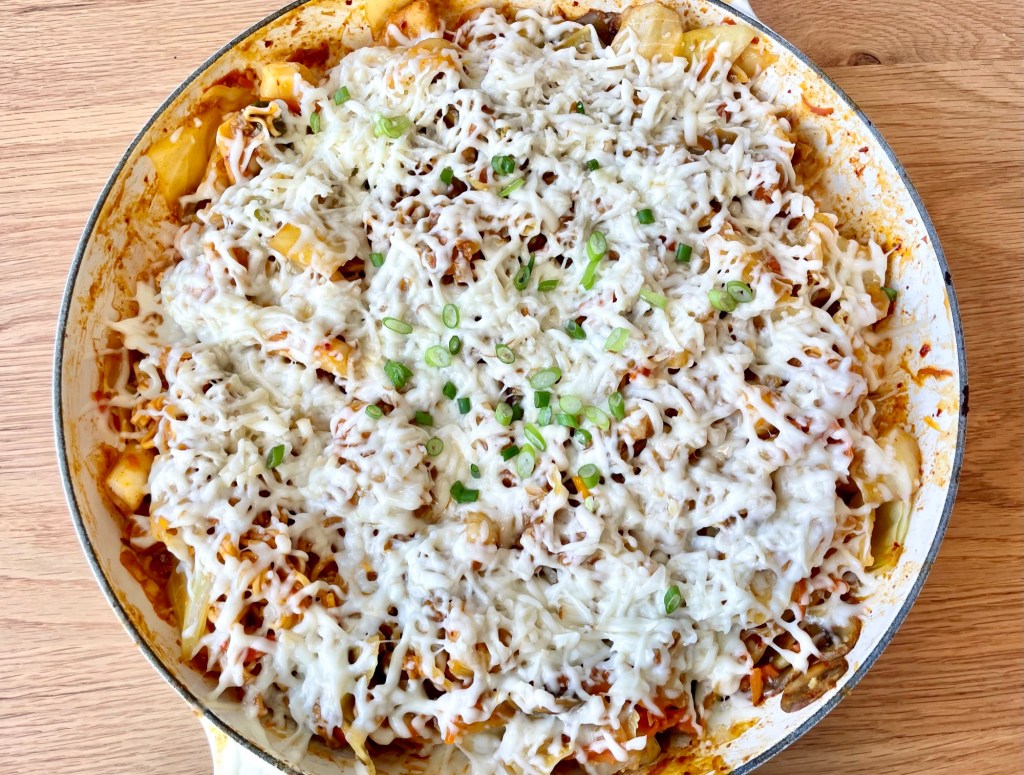
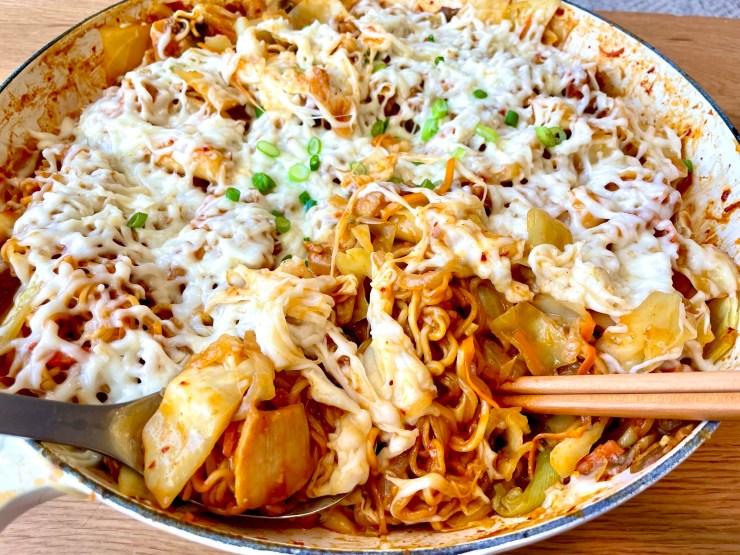
In my high school years when I lived in Canada, my friends and I would often hangout in downtown Toronto on the weekends, either perusing Kensington market, browsing through record shops, shopping on Queen Street, studying for finals at Robarts, or just grabbing a bite to eat at one of the many restaurant options in Toronto. One of my favourite Korean restaurants was Joons on Bloor St. in Koreatown. It was a small dingy restaurant that you had to take a few steps down from street level to get to the front door. The decor wasn’t anything impressive and the table water was served in scratched up refillable rubbermaid bottles. Despite its appearance, it was often relatively busy with nearly every other table ordering their AMAZING dak galbi, including me! I would religiously order this same dish every time – in fact, I don’t think I’ve ever ordered anything else at Joons 🤔. Dak galbi is a stir-fry chicken dish in a spicy sauce that’s seen on most Korean restaurant menus, but Joons did it differently. A portable cook top is brought out to the table and the whole dish is cooked in front of you. It usually took at least 15-20 minutes to cook which is excruciating when you’re starving and this amazing aroma in front of you keeps wafting in your face every time the waitress lifted the lid to give it a stir, but the wait was always worth it. You had options of add-ins to the dish, but most people would get everything in it which is usually cabbage, instant noodles, chicken, and cheese 🤤.

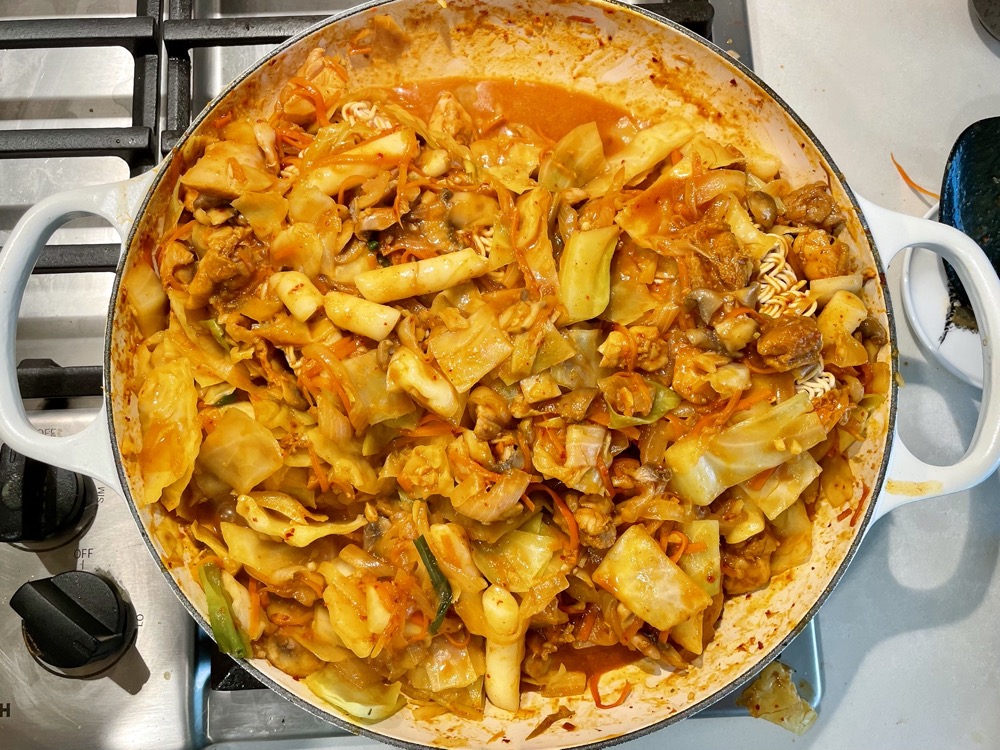
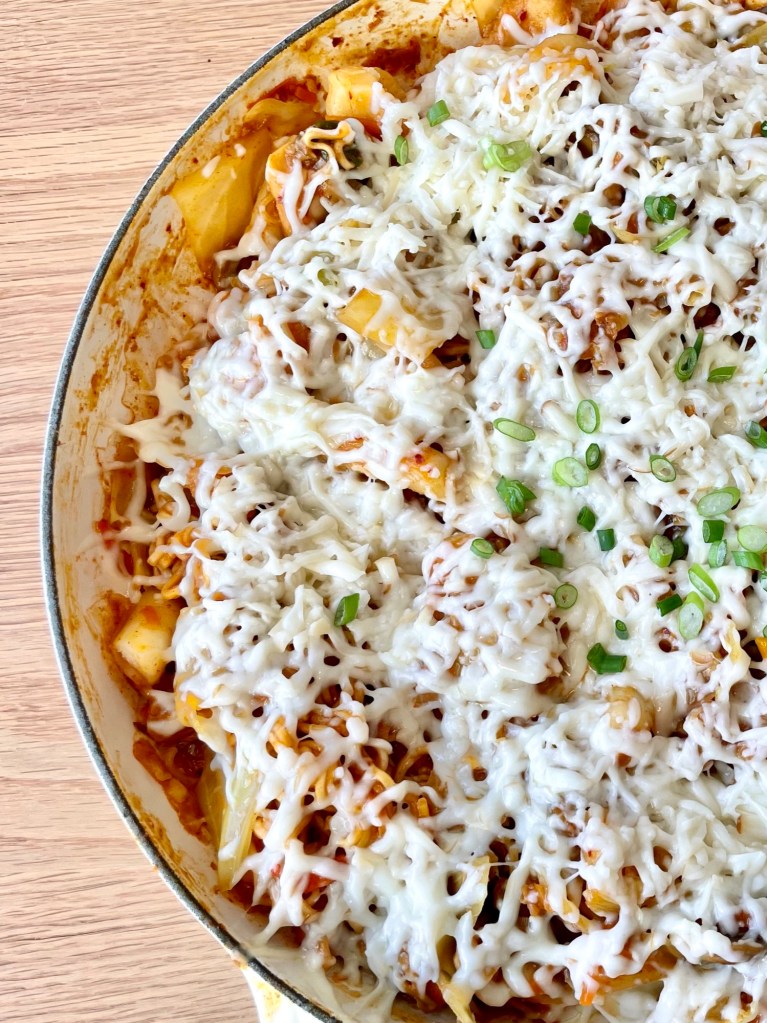
Sadly, Joons has been closed for about 4-5 years now and I mourn that loss every time I pass through the area 💔. This recipe is a tribute to Joons’ dak galbi. I’ve scoured the internet for people’s old photos and videos of the dish to try and recreate it exactly as it was. I had some help from My Korean Kitchen with the chicken marinade portion and included everything else from the instant noodles to the mozzarella cheese on top. Although mine didn’t quite come out as saucy and red as theirs, I’d say the flavours are pretty damn close! But of course, I haven’t had Joons since before vet school which is nearly a decade ago now, so I could also be remembering it a little differently. Either way, this is still a pretty tasty dish. If you’ve had the dak galbi at Joons before, let me know how close I am in the comments!

What is Dak Galbi?

Dak galbi or dakgalbi directly translates to “chicken rib”. No actual ribs are used in this dish – the origin of this word is thought to be due to using chicken as a cheaper source of meat compared to pork 🤷🏻‍♀️. It’s a dish that is essentially chicken and vegetables stir-fried in a gochujang-based sauce. The vegetables are usually cabbage, sweet potato, and green onions. You can serve it along side perilla leaves as a wrap. In my recipe I’ve used carrots instead of sweet potato because it’s already a pretty carb-heavy dish with the noodles and rice cakes, but feel free to substitute! This dish is mildly spicy. If you prefer spicier, you can buy the spicier versions of gochujang or add in more gochugaru (Korean chilli powder).

What is Gochujang?

Gochukang is Korean red chilli paste. It’s savoury, sweet, and spicy all together. It’s a very popular condiment used in Korean cooking and is used as a base to many sauces, including in this dak galbi recipe. There really is no substitute to gochujang. You can usually find this in the Asian section of most grocery stores. They come in a variety of levels of spiciness, so choose carefully! I usually go for the mild one and add in chilli powder if I want more of a kick.
What are Garaetteok/Tteok (Korean rice cakes)?

Garaetteok/tteok are Korean rice cakes that are made from non-glutinous rice flour and come in skinny long cylinders. On their own they don’t have much flavour so they’re often added to a flavourful saucy dish (such as this dak galbi recipe) or a soup. They have a soft and chewy texture once cooked and make a great textural addition to many dishes. You’ll most commonly see garaetteok/tteok served in a dish called tteokbokki which is a spicy rice cake dish.

You can find these vacuum-sealed in the refrigerated section of most Asian grocery stores. They will be very hard coming out of the package and need to be soaked for at least 10 minutes in warm water to slightly soften before cooking them. If you’re lucky and your Asian grocer have these fresh, you can put them directly into the dish without soaking.

Don’t worry if you can’t find any garaetteok/tteok. Simply omit them from the recipe altogether. It won’t change the flavour of the dish. It’s mainly to add an extra textural component.

A Quick Note on Gochugaru – Korean Chilli Powder

This recipe uses Gochugaru, a Korean chilli powder, which is not too spicy and it gives the dish a deeper orangey/red colour. It can be easily found in most Asian grocery stores, but if you don’t have any, a good substitute is Kashmiri chilli powder (an Indian variety). Do NOT substitute with cayenne pepper which is a MUCH spicier chilli powder. If you absolutely can’t find Gochugaru or Kashmiri chilli powder, then you can substitute with 1 part cayenne powder: 3 parts paprika, or consider skipping it altogether.

Anyways, without further ado, here’s the recipe! If you have any comments or suggestions, I’d love to hear from you in the comment section! You can follow me on instagram, youtube and facebook to see all the recipes I post!

Happy cooking!

Ingredients you’ll need:

  • Chicken Marinade:
    • 600g chicken thighs, cut into 2.5cm pieces
    • 7 Tbsps (160g) gochujang (Korean chili paste)
    • 1/4 cup rice wine
    • 1 Tbsp gochugaru (Korean chili flakes)
    • 2 Tbsps soy sauce
    • 2 Tbsps granulated sugar
    • 2 tsps curry powder
    • 4 large cloves garlic, minced
    • 2 tsps minced ginger
    • 2 green onions, sliced to 4cm pieces
  • 1 medium carrot, julienned or grated on the large hole (optional)
  • 250g mushrooms, sliced (optional)
  • 1 medium brown onion, sliced
  • 1/4 small (6 cups) cabbage, chopped
  • 25 pieces (180g) Garaetteok/Tteok (Korean rice cakes)
  • 2 cups (230g) mozzarella cheese, shredded
  • 2 packets of instant noodles
  • Garnish: 1 green onion, chopped

Directions:

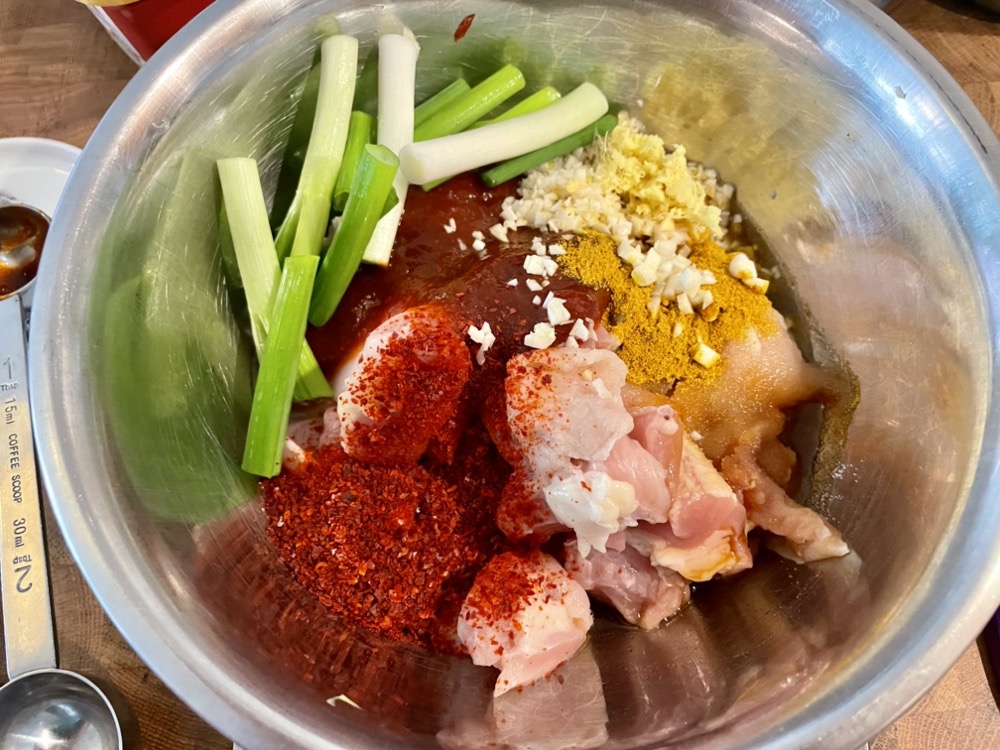
Marinate the chicken: In a mixing bowl, add in all the ingredients of the chicken marinade: diced chicken thighs, 7 Tbsps gochujang, 1/4 cup rice wine, 1 Tbsp gochugaru, 2 Tbsps soy sauce, 2 Tbsps sugar, 2 tsps curry powder, minced garlic, minced ginger, and sliced green onions. Mix thoroughly and transfer to a resealable bag or container and marinate in the fridge for a minimum of 4 hours, or overnight.

Rinse and soak the garaetteok/tteok in warm water for 10 minutes (skip this step if you have freshly made garaetteok/tteok).

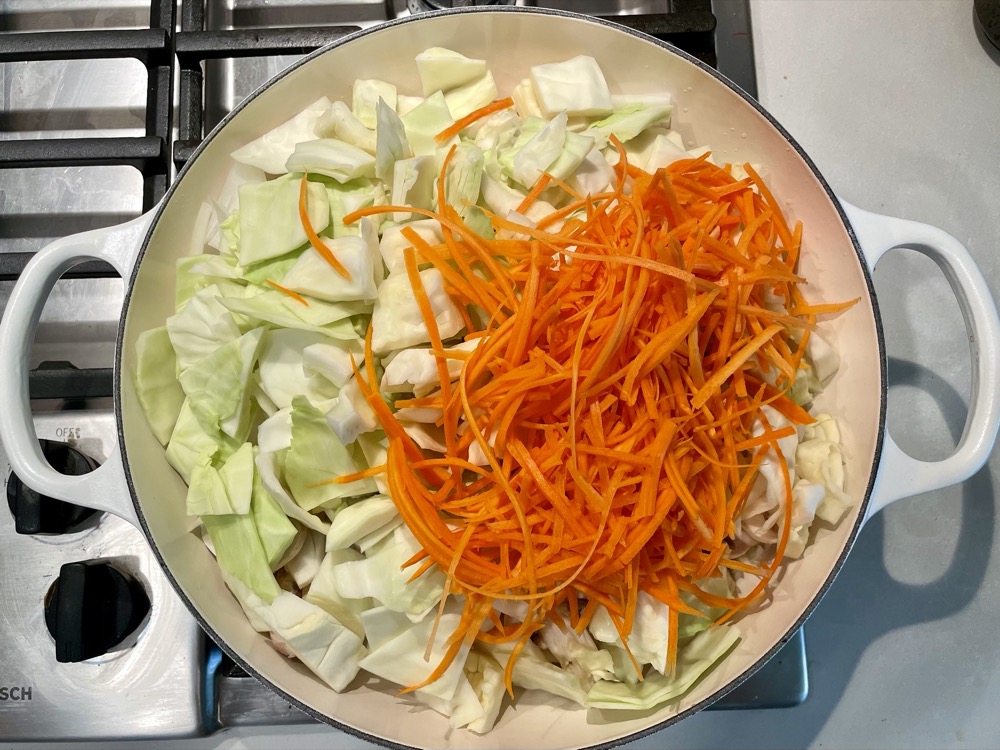
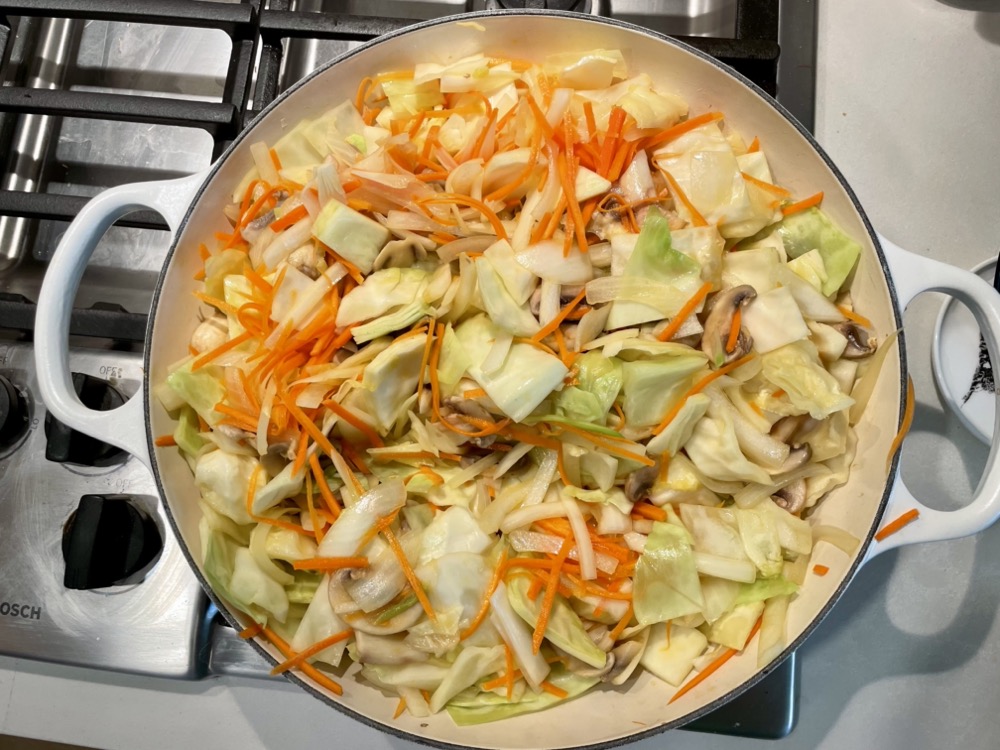
In a non-stick pan on MED-HIGH heat, add a drizzle of oil and add in the carrots, mushrooms, onion, and cabbage. Sauté for 5 minutes until the vegetables start to soften.

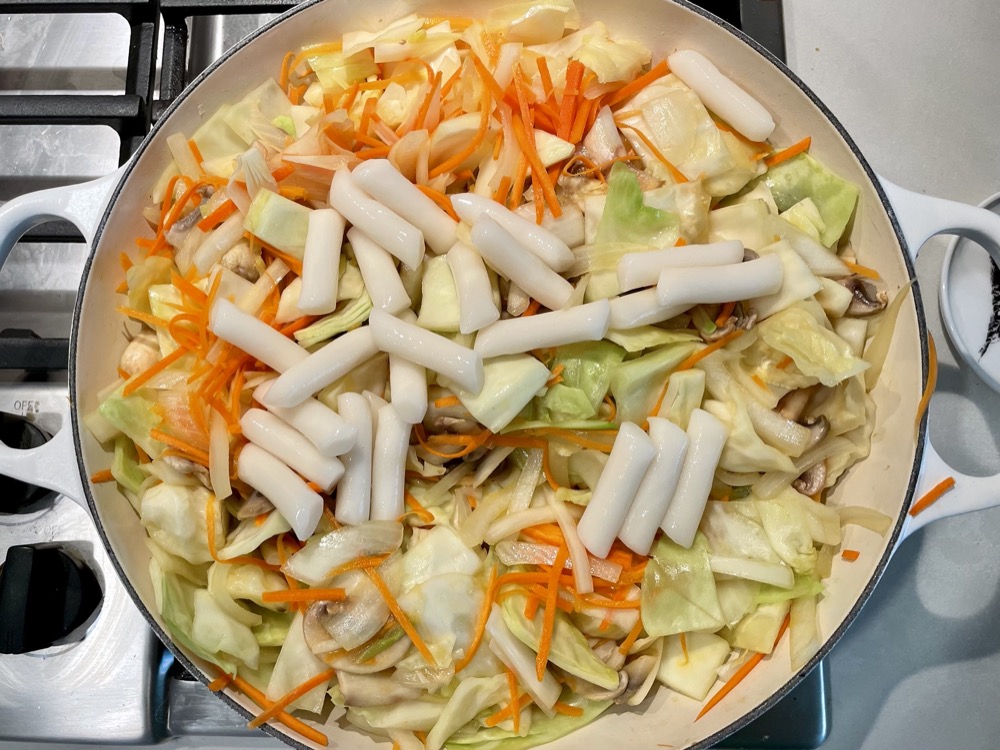
Next add in the garaetteok/tteok and the marinated chicken (from step 1) along with all of the marinade in the bag. Sauté for another 3-4 minutes, then turn the heat down to MED, put a lid on, and continue to cook until the chicken is nearly done (~10 minutes). Stir occasionally to ensure nothing sticks to the pan.

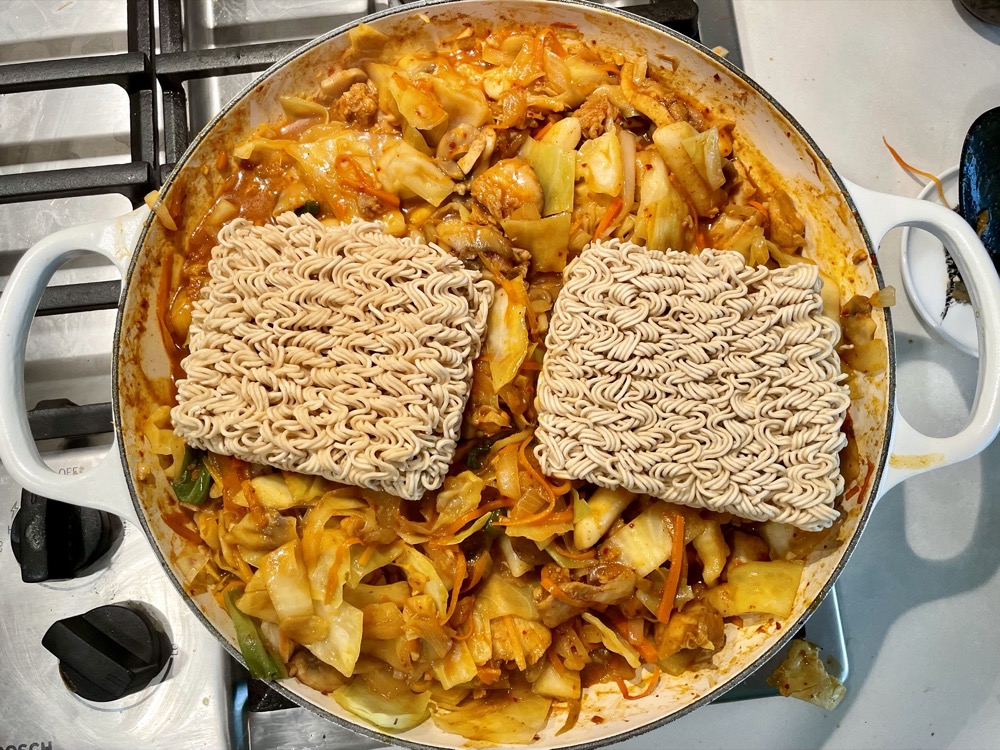
When the chicken is almost ready, add in the instant noodles and submerge it into the ingredients and sauce. Put the lid back on and let it steam for 3-4 minutes until the noodles are soft enough to separate with chopsticks.

Once the noodles, chicken, and garaetteok/tteok are cooked, turn off the heat and sprinkle the shredded mozzarella cheese on top. Garnish with chopped green onion. Serve immediately. Enjoy!

Summarized Recipe:

Joons’ Dak Galbi – Korean Spicy Chicken Stir Fry with Cheese & Noodles

Date Published: Mar 7th, 2025 | Last Updated: Mar 7th, 2025
Author: Abby |Category: mains, easy, Asian
Serves: 4 | Prep time: overnight marinating + 20 mins | Cook time: 40 mins

Ingredients:

  • Chicken Marinade:
    • 600g chicken thighs, cut into 2.5cm pieces
    • 7 Tbsps (160g) gochujang (Korean chili paste)
    • 1/4 cup rice wine
    • 1 Tbsp gochugaru (Korean chili flakes)
    • 2 Tbsps soy sauce
    • 2 Tbsps granulated sugar
    • 2 tsps curry powder
    • 4 large cloves garlic, minced
    • 2 tsps minced ginger
    • 2 green onions, sliced to 4cm pieces
  • 1 medium carrot, julienned or grated on the large hole
  • 250g mushrooms, sliced
  • 1 medium brown onion, sliced
  • 1/4 small (6 cups) cabbage, chopped
  • 25 pieces (180g) garaetteok/tteok (Korean rice cakes)
  • 2 cups (230g) mozzarella cheese, shredded
  • 2 packets of instant noodles
  • Garnish: 1 green onion, chopped

Directions:

  1. Marinate the chicken: In a mixing bowl, add in all the ingredients of the chicken marinade: diced chicken thighs, 7 Tbsps gochujang, 1/4 cup rice wine, 1 Tbsp gochugaru, 2 Tbsps soy sauce, 2 Tbsps sugar, 2 tsps curry powder, minced garlic, minced ginger, and sliced green onions. Mix thoroughly and transfer to a resealable bag or container and marinate in the fridge for a minimum of 4 hours, or overnight.
  2. Rinse and soak the garaetteok/tteok in warm water for 10 minutes (skip this step if you have freshly made garaetteok/tteok).
  3. In a non-stick pan on MED-HIGH heat, add a drizzle of oil and add in the carrots, mushrooms, onion, and cabbage. Sauté for 5 minutes until the vegetables start to soften.
  4. Next add in the garaetteok/tteok and the marinated chicken (from step 1) along with all of the marinade in the bag. Sauté for another 3-4 minutes, then turn the heat down to MED, put a lid on, and continue to cook until the chicken is nearly done (~10 minutes). Stir occasionally to ensure nothing sticks to the pan.
  5. When the chicken is almost ready, add in the instant noodles and submerge it into the ingredients and sauce. Put the lid back on and let it steam for 3-4 minutes until the noodles are soft enough to separate with chopsticks.
  6. Once the noodles, chicken, and garaetteok/tteok are cooked, turn off the heat and sprinkle the shredded mozzarella cheese on top. Garnish with chopped green onion. Serve immediately. Enjoy!

Korean Sweet Pickled Radish (“Chicken-mu”)


Date Published: April 16th, 2024 | Last Updated: April 16th, 2024
Author: Abby |Category: Asian, easy, sides, vegetarian, quick, healthy, low cal, vegetarian
Serves: 6 | Prep time: 10 mins | Cook time: marinate for 2 days

Jump to recipe |

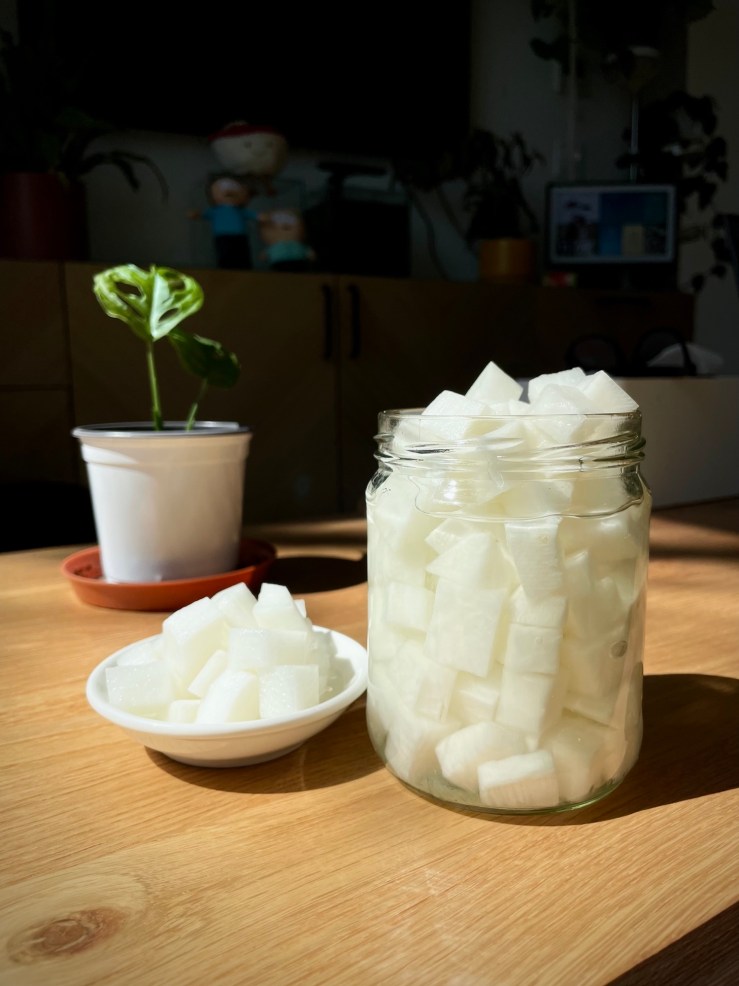
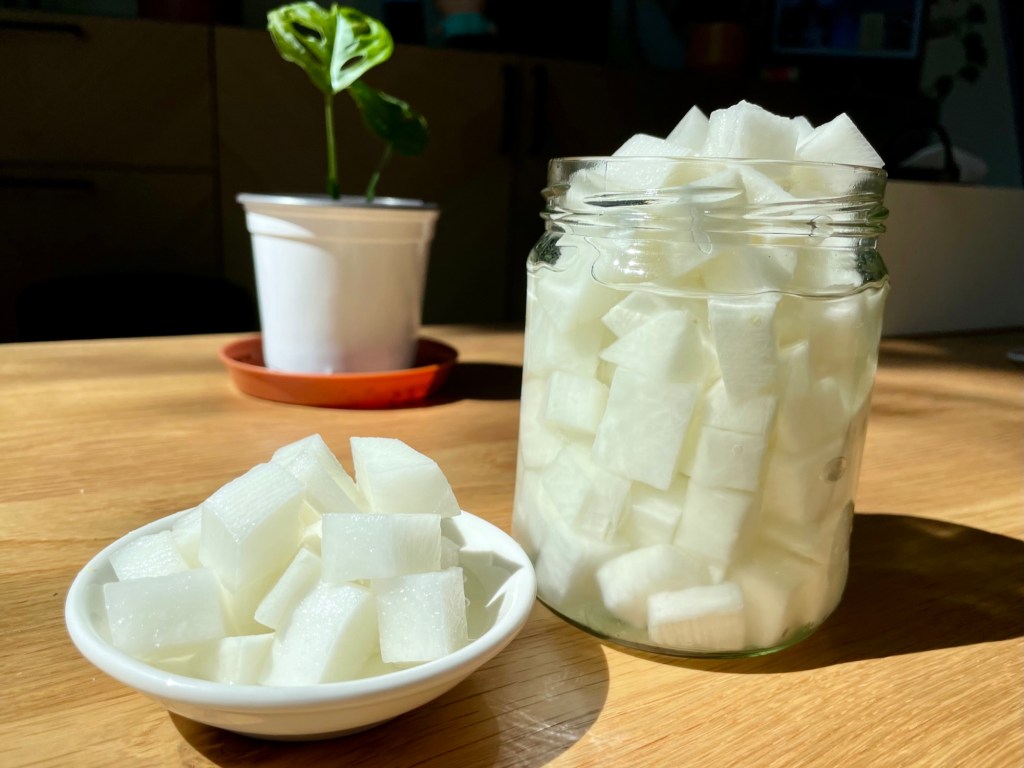
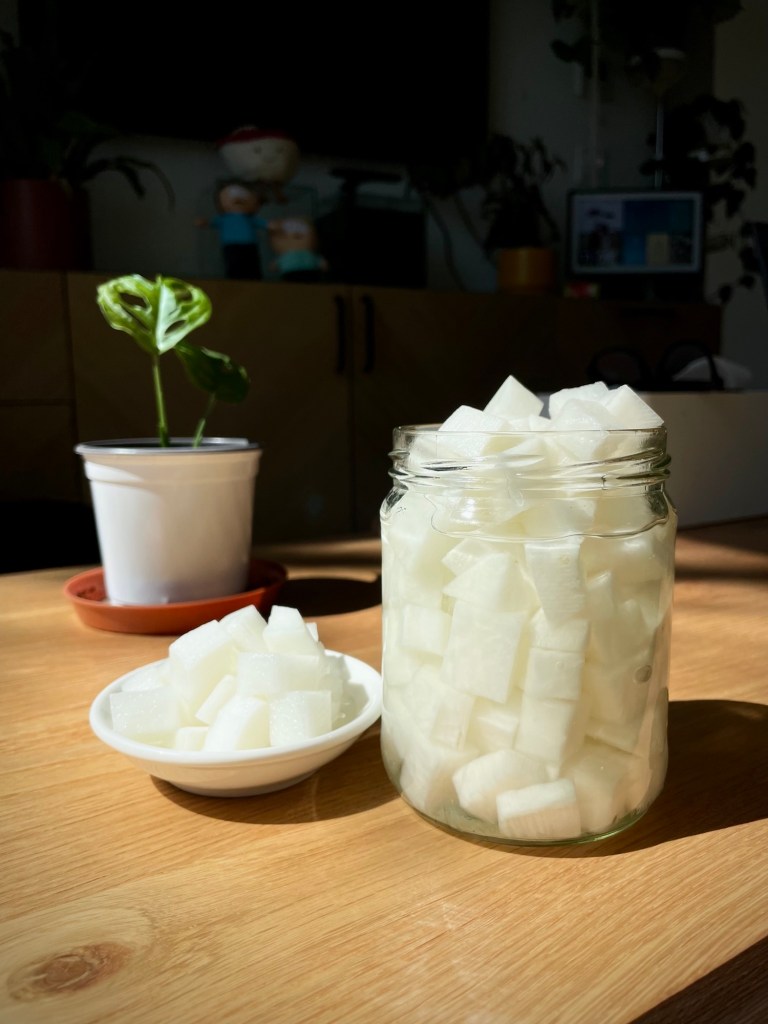
Toby and I are obsessed with Korean Fried Chicken. Whenever we move to a new town, we are always on the lookout for a good Korean fried chicken spot (and also a good ramen spot). Throughout our travels around Australia, our favourite Korean chicken spot still remains to this day, 7 Grams Chicken in Perth, Western Australia. It’s just so damn good and the chicken is always cooked perfectly – there’s no comparison. With every serving of Korean fried chicken, a little bowl of sweet cold pickled radishes always accompanies it. This little bowl of radishes is the perfect accompaniment to cut the grease – it’s not too sour and not too sweet, and the refreshing crunch of the perfect little white cubes makes you forget that you’re gorging on oily fried chicken and that somehow you’re still being healthy by eating your vegetables. We love our pickled radishes so much that we always get extra orders, but now that I’ve learned how to make this, I can stop paying extra for the pickled radishes and make it myself ahead of time!

We’ve never been to Korea, but when I was researching this recipe I found that it is also often called “Chicken-mu”. ‘Mu’ means radish in Korean and this specific pickled radish dish is pretty much only served with fried chicken, which is why they call it ‘Chicken-mu’!

What type of radish?

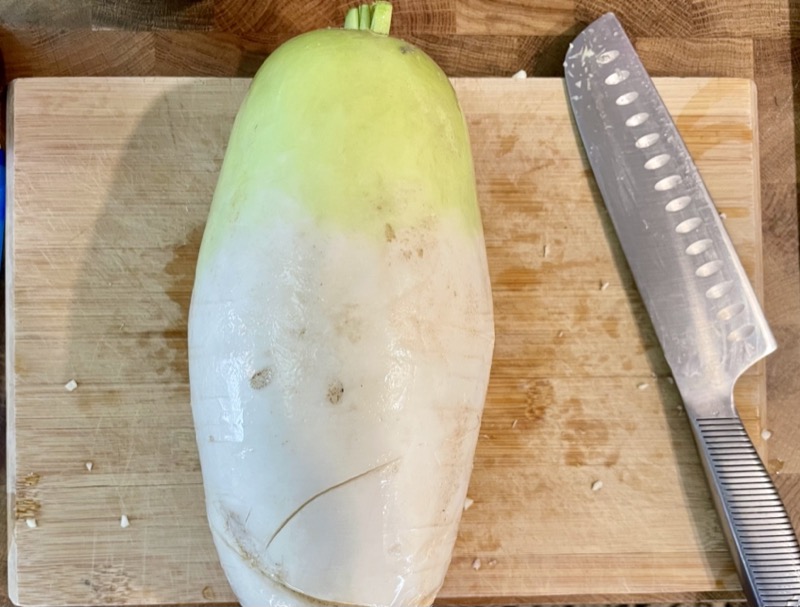
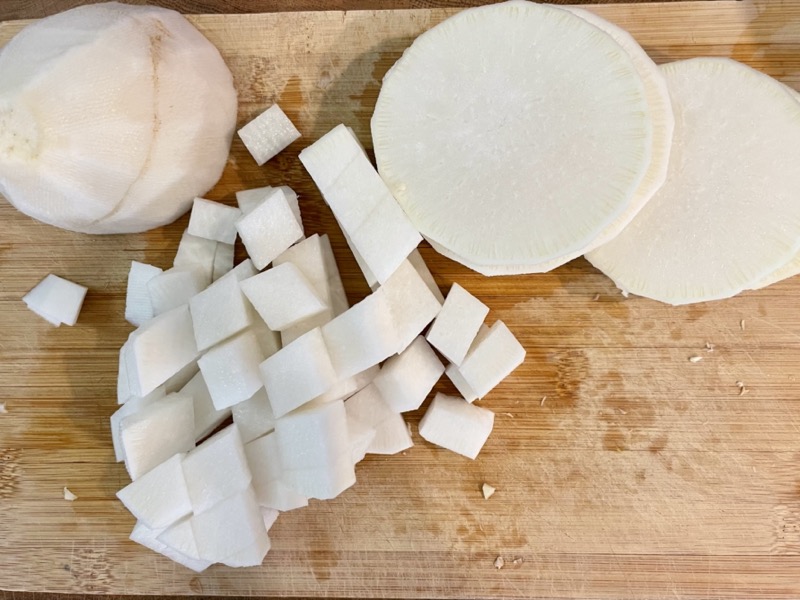
It is no surprise that a Korean radish is used to make this recipe. It is generally smaller and rounder than the common Chinese style daikon radish and has a green colour on the top half. A Korean radish has a little less water content which results in a crunchier texture and holds up well in the pickling liquid. If you can’t find a Korean radish, substitute with daikon instead, but results may differ a little.

Anyways, without further ado, here’s the recipe! If you have any comments or suggestions, I’d love to hear from you in the comment section! You can follow me on instagram, youtube and facebook to see all the recipes I post!

Happy cooking!

Ingredients you’ll need:

  • Pickling liquid:
    • 2/3 cup granulated sugar
    • 2/3 cup white vinegar
    • 2/3 cup water
    • 2 tsps kosher salt
  • 450g (1lb = 1 small) Korean radish, peeled and cut into 1.5 cm cubes

Directions:

In a large glass container (with a lid), add in the sugar, vinegar, water and salt. Shake the container until the sugar and salt have dissolved.

Rinse the radish and peel it, then chop it into 1.5cm cubes.

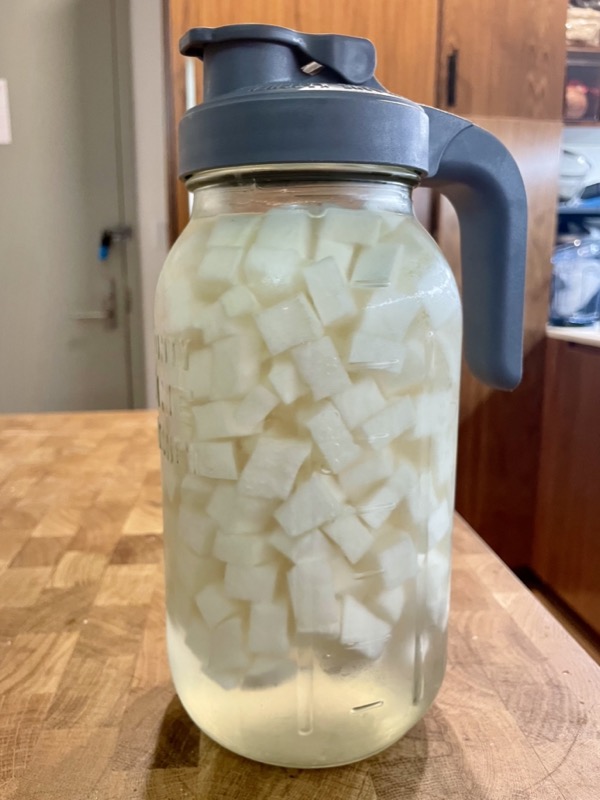
Add in the cubed radishes. Ensure all of the radish is submerged into the pickling liquid – if not, double the amount of pickling liquid. Close the lid and let it marinate for at least 24 hours (flavours will be better after 48 hours). Store up to 10 days, flavours will be best if eaten within 4 days.

Summarized Recipe:

Korean Sweet Pickled Radish (“Chicken-mu”)

Date Published: April 16th, 2024 | Last Updated: April 16th, 2024
Author: Abby |Category: Asian, easy, sides, vegetarian, quick, healthy, low cal, vegetarian
Serves: 6 | Prep time: 10 mins | Cook time: marinate for 2 days

Ingredients:

  • Pickling liquid:
    • 2/3 cup granulated sugar
    • 2/3 cup white vinegar
    • 2/3 cup water
    • 2 tsps kosher salt
  • 450g (1lb = 1 small) Korean radish, peeled and cut into 1.5 cm cubes

Directions:

  1. In a large glass container (with a lid), add in the sugar, vinegar, water, and salt. Shake the container until the sugar and salt have dissolved.
  2. Add in the cubed radishes. Ensure all of the radish is submerged into the pickling liquid – if not, double the amount of pickling liquid. Close the lid and let it marinate for at least 24 hours (flavours will be better after 48 hours). Store up to 10 days, flavours will be best if eaten within 4 days.