
Australia, a place I called home for 8 years. I originally came here for veterinary school in 2015. The plan was to only stay for 4 years of school and do some travel, but after meeting Toby in vet school, we decided to work a couple years in Australia after graduation before setting off to travel. We were ready to leave in 2020, but the pandemic had other plans for us.
During the pandemic, Toby and I spent a little over 2 years (Sept 2020 – Dec 2022) providing relief veterinary work while slowly traveling around coastal Australia. We did the whole trip in my little Nissan Micra. We packed lightly and went where we were needed. We had an amazing time around this beautiful country seeing the breathtaking sights, meeting the best people, and of course eating all the good food! You can read more about the start of our journey here in Central Victoria.


Things to know about Australia:
- Australia is not all about beaches and surf life (although there is a lot of that too). This country is full of surprises from the desert landscapes of the Northern Territory and Northern Western Australia, to the tropical dense rainforests in Queensland. There are sand dunes, reefs, vineyards, plenty of hiking, and a ton of unique wildlife and flora. You can dig for truffles in Tasmania, swim with whale sharks in Western Australia, snorkle the Great Barrier Reef in Queensland (or the lesser known and more pristine Ningaloo Reef in WA), take a selfie with a quokka (the marsupial with a permanent smile), sample the freshest oysters directly from the waters in South Australia, gorge yourself on lobsters in Cervantes, be in awe of the enormous Curtain Fig Tree in Queensland, surf at the infamous Bondi Beach in New South Wales, watch thousands of flying foxes (world’s largest bats) take flight at dusk in the Northern Territory, paddle through pristine waters in the middle of the dessert in Central Queensland, and sample the best cheeses and wines in Yarra Valley, Victoria. If nature isn’t your thing, there’s no shortage of farmers markets, hidden cafes, and amazing restaurants.
- Yes, there are big spiders here, but no they are not everywhere. The big spiders are called Huntsman spiders and they are perfectly harmless to humans. They do not make nests and they chill out and eat the bugs in your home. In my 8 years of living here, I’ve only seen a Huntsman twice.
- Yes, there are venomous and poisonous things in Australia, but no they are also not everywhere. Nothing will jump out at you and try to kill you. Respect the land and don’t go touching things you’re not meant to. Leave the spiders alone, don’t touch the Blue Ring Octopus, don’t swim in the croc-inhabited waters in the north, leave the snakes alone, stay on the trails and pay attention to signage.
- No, kangaroos are not everywhere. I was actually quite disappointed to learn this when I first arrived – I expected them to be hopping in the fields near the airport when I landed 😂. You’ll see them in the country and often at dawn or dusk.
- There is no official national sport, but Australian football or “Footy” (it’s kind of like a mix between rugby and American football as far as I understand it – someone please correct me if I’m wrong) is most popular, along with a strong presence of Cricket and Rugby.
- The sun is strong in Australia. It can feel drastically different in temperatures under the sun and in the shade. Sunscreen is important!
- Best time to visit:
- The seasons are flipped around compared to the Northern hemisphere. The seasons start on the first of the month:
- Spring: September, October, November (Transition months)
- Summer: December, January, February (Hottest months)
- Autumn: March, April and May (Transition months)
- Winter: June, July and August (Coldest months)
- The seasons are flipped around compared to the Northern hemisphere. The seasons start on the first of the month:
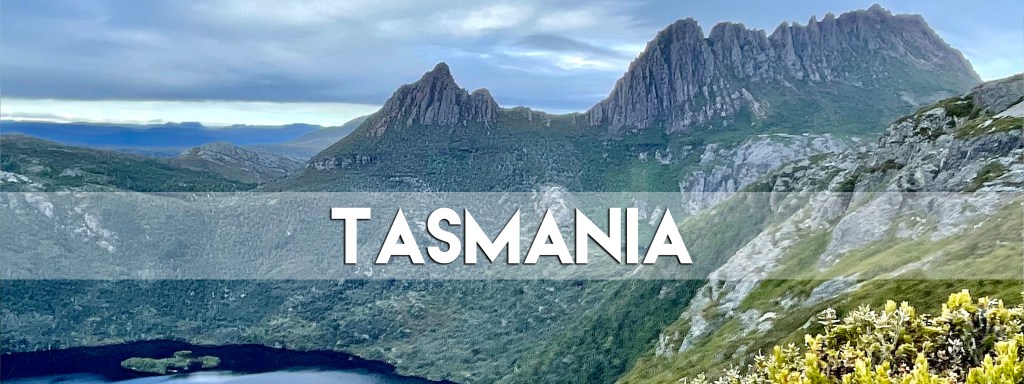
- Most of Australia doesn’t get any snow, unless you’re way up high in the mountains (once we had 10cm of snow overnight in Cradle Mountain), but instead, their winters are definitely the coldest but also the wettest months. The year of our wedding it poured non-stop every day for the week leading right up to the wedding.
- Summer can get crazy hot, even in the southern states such as Victoria. In the northern states it can get so hot that you literally can’t do anything outside until the sun goes down.
- The best months to visit in my opinion is Autumn (Sept to November). Spring can be nice too, but if it has been a particularly wet winter water storm damage, roads may be closed or needing of repairs or if the season extends out, it can make a dent in your plans.
- NT: May to October is the dry season, also when most festivals are on. Wet season is Nov-March (if you’re into birds and wildlife, this time may be better for you).
- QLD: May to August, storms in the summer, Autumn weather has more rain = better waterfalls
- VIC: March to August – warmer weather, more markets and festivals, nicer to be outside
- TAS: Dec – Feb, summer time which is warm and dry. Doesn’t get too hot in Summer in Tas because so south. Gets a lot colder in the winter months but you might get to see snow if you go up the mountains.
- SA:
- WA:
- NSW:
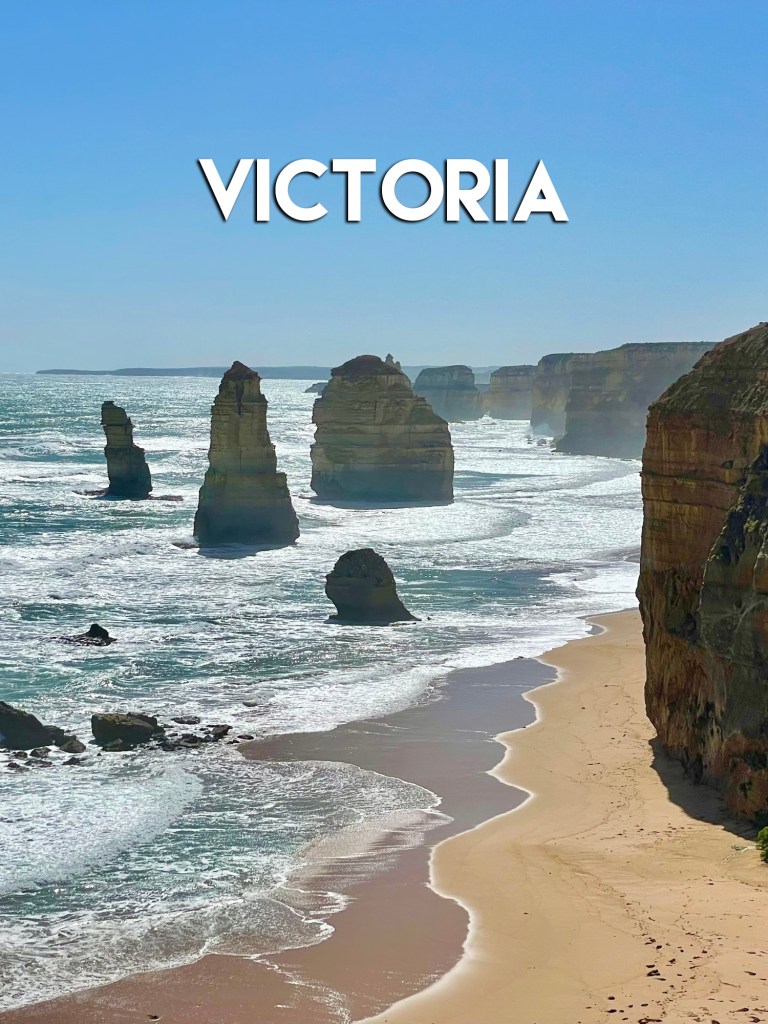


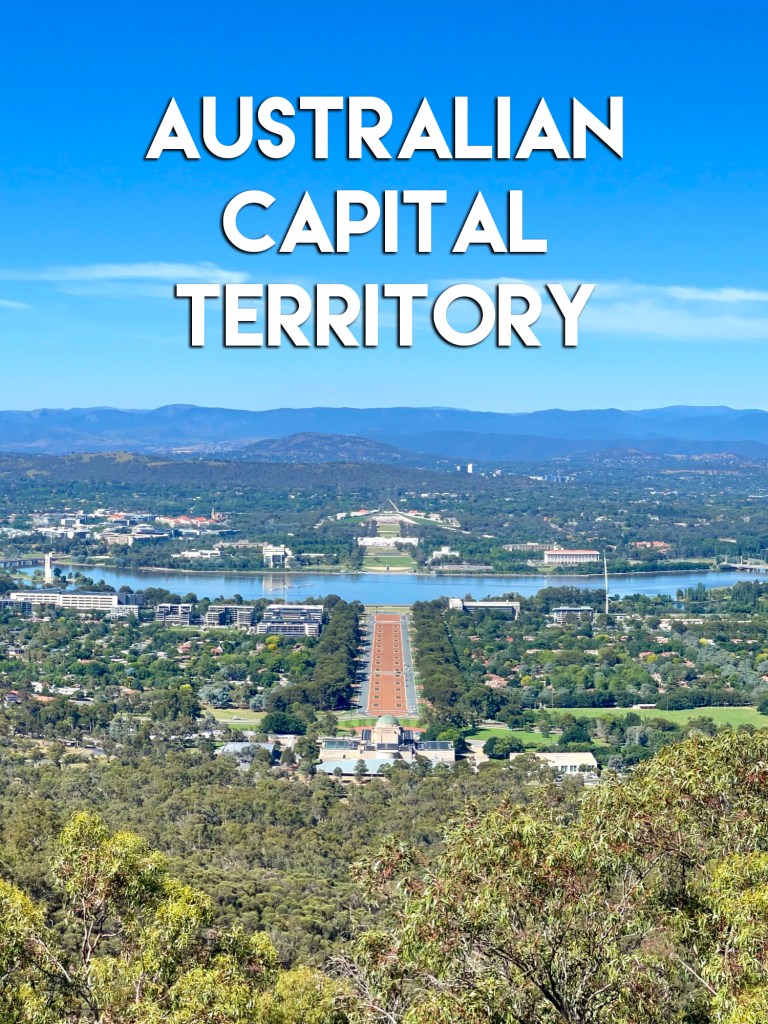
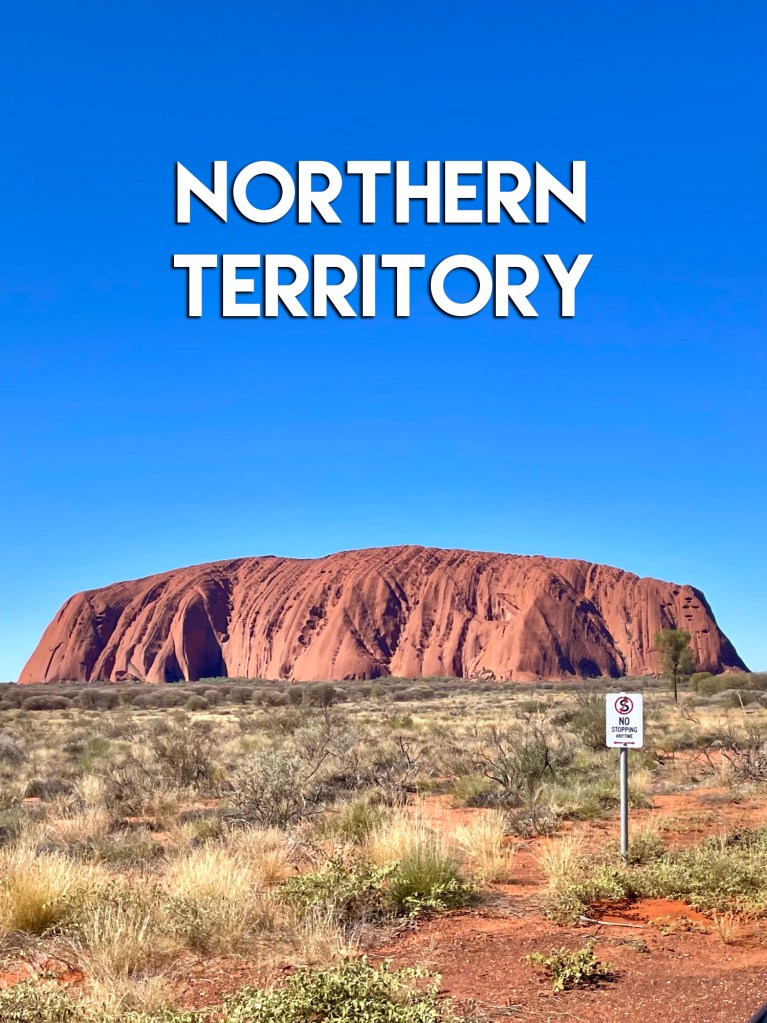

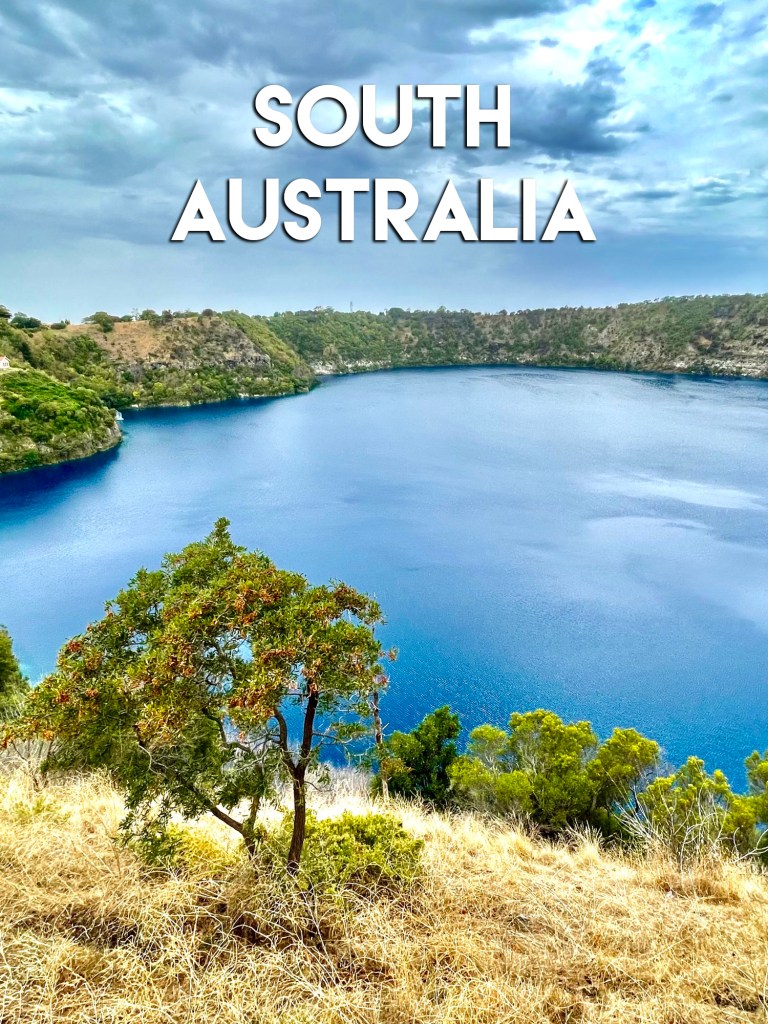

VICTORIA | NEW SOUTH WALES | QUEENSLAND | ACT | NORTHERN TERRITORY | WESTERN AUSTRALIA | SOUTH AUSTRALIA | TASMANIA
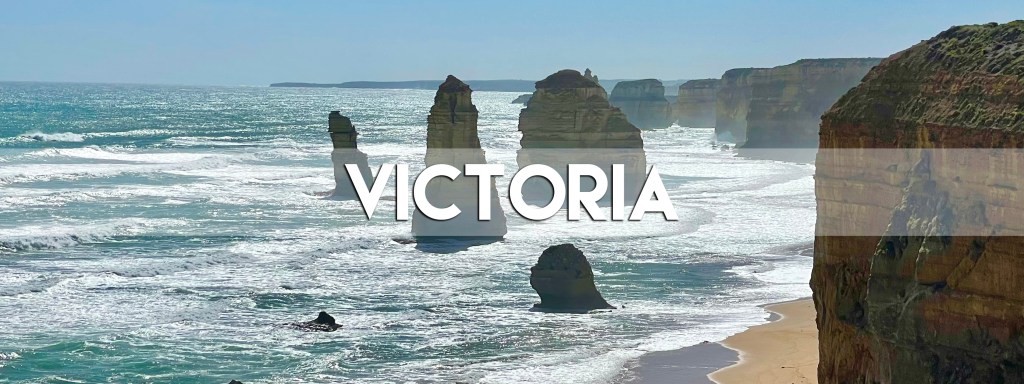
Victoria, our home base.
Best time to travel:
Favourite places:
Central Victoria
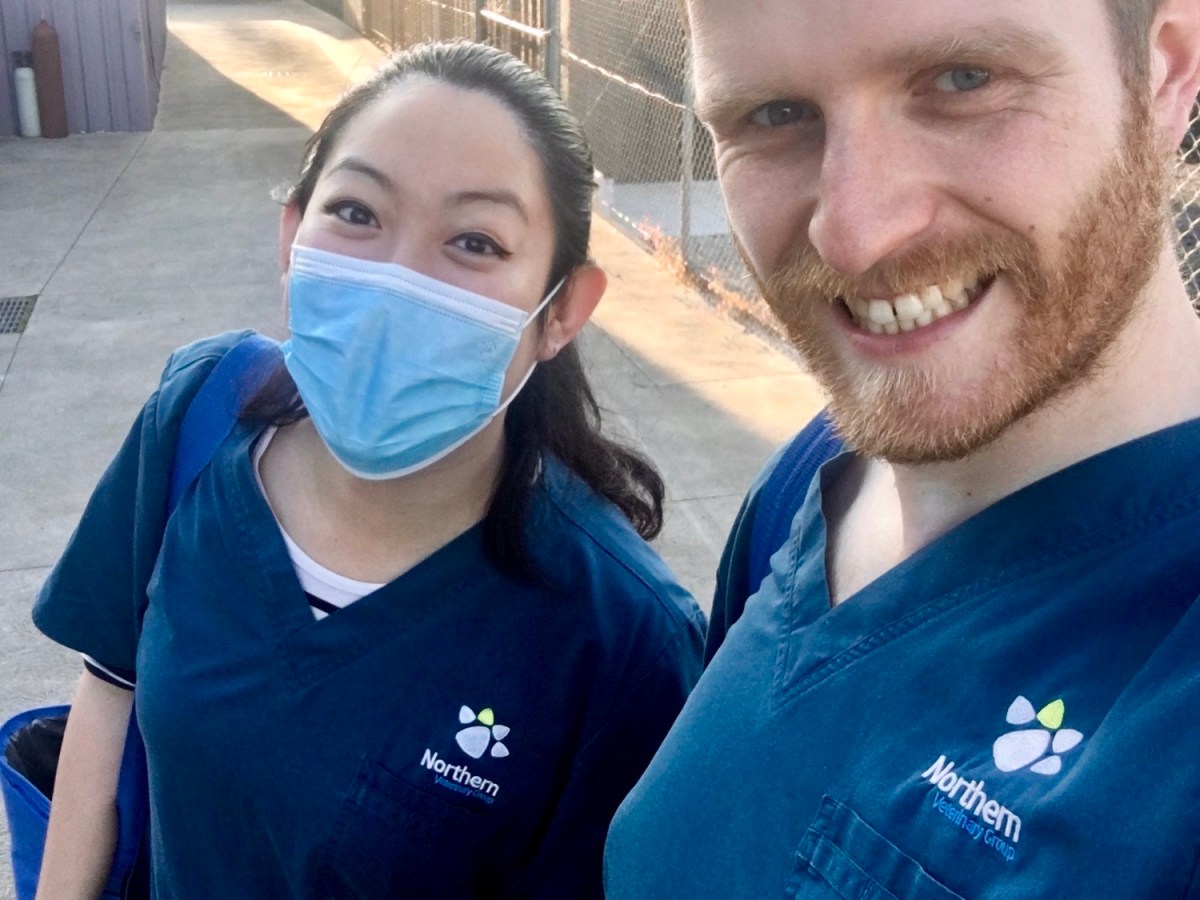
Our Time Working in Central Victoria: Kilmore, Wallan, Woodend (the start of our working journey through the pandemic)
It was the end of August 2020, smack deep in the pandemic. The state of Victoria had the highest number…
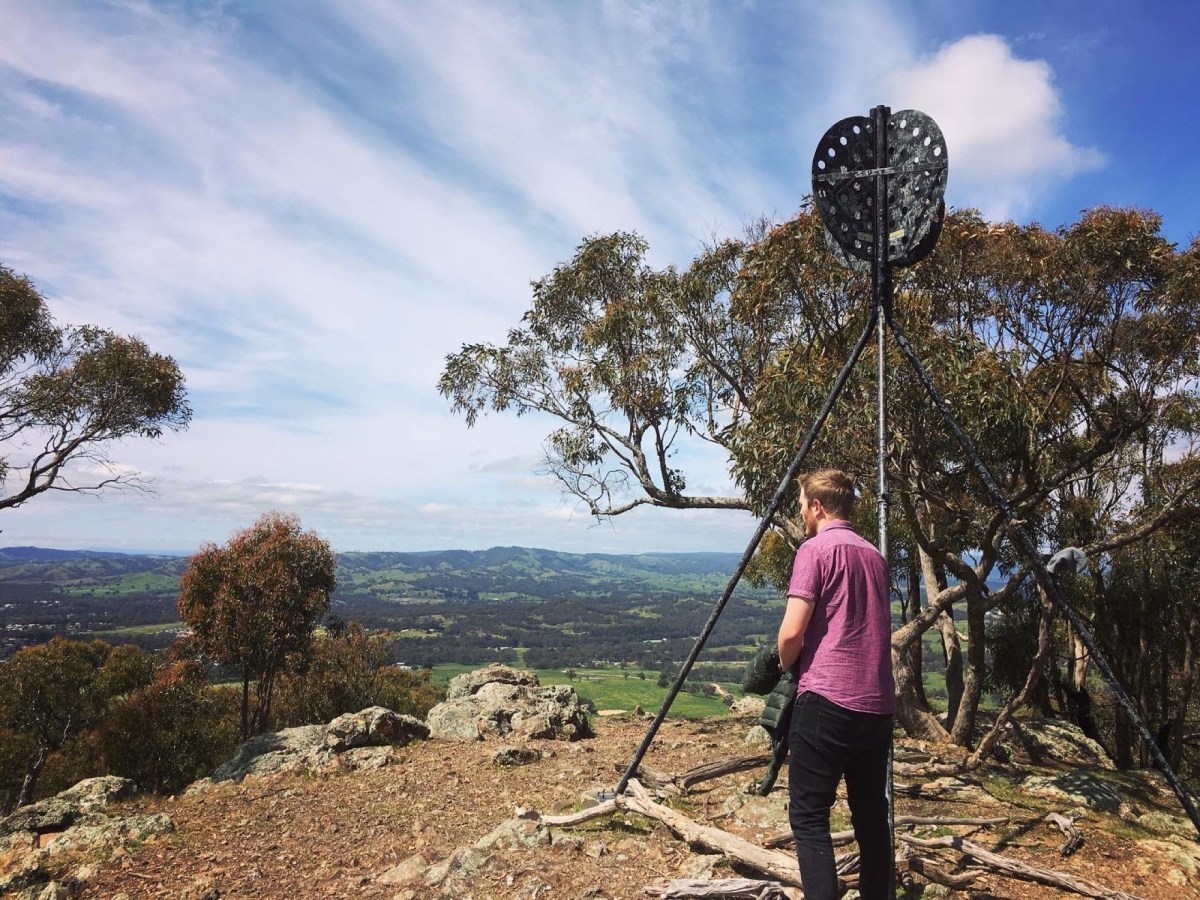
Kilmore, VIC and Mount Piper
During our time in Kilmore, we did a couple of day hikes around the area. Mount Piper Situated in Broadford,…

Daylesford, VIC
Travel date: October 4th, 2020 Daylesford is known as a spa town in regional Victoria. We made a day trip…
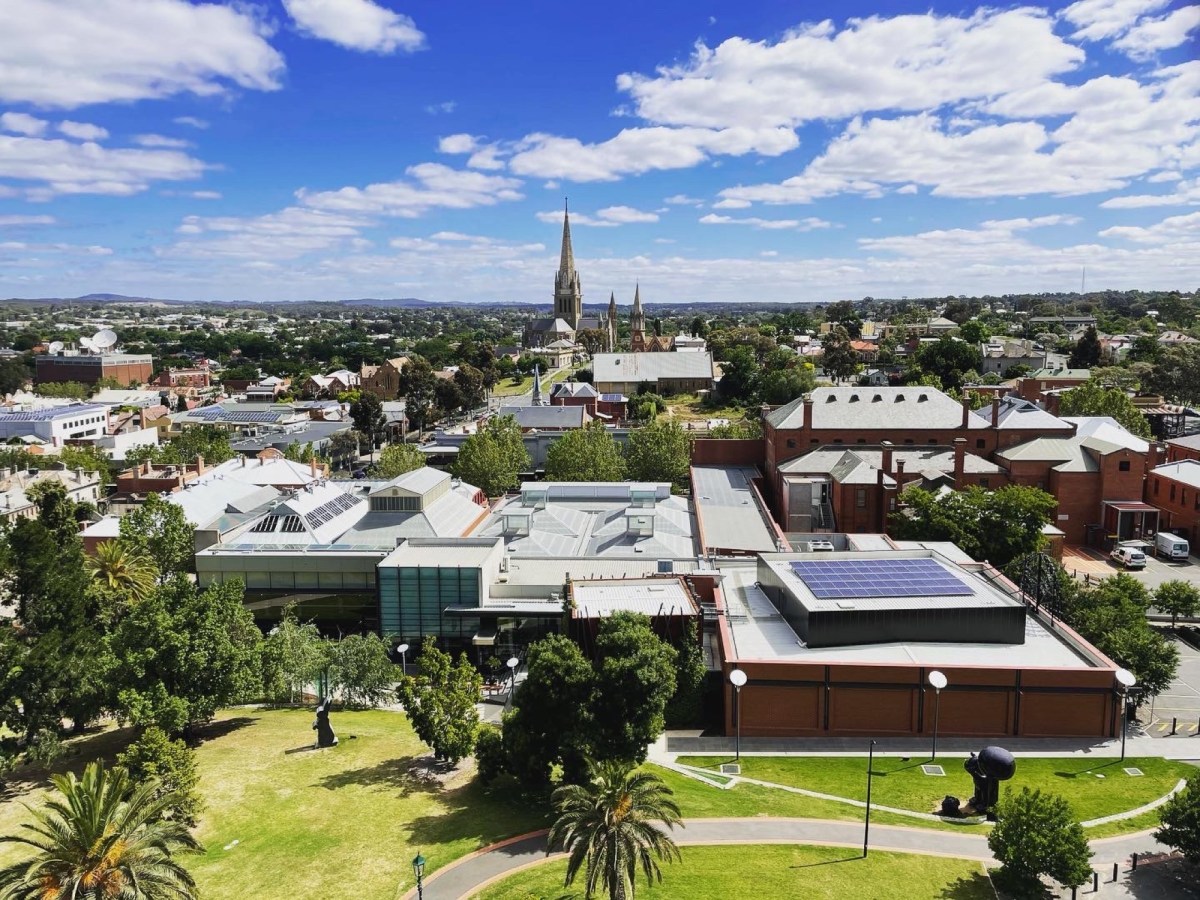
Bendigo, VIC
Travel Date: November 5th, 2020 After living in a small country town for a couple months, I was craving a…
Malmsbury & Blackhill Nature Reserve, VIC
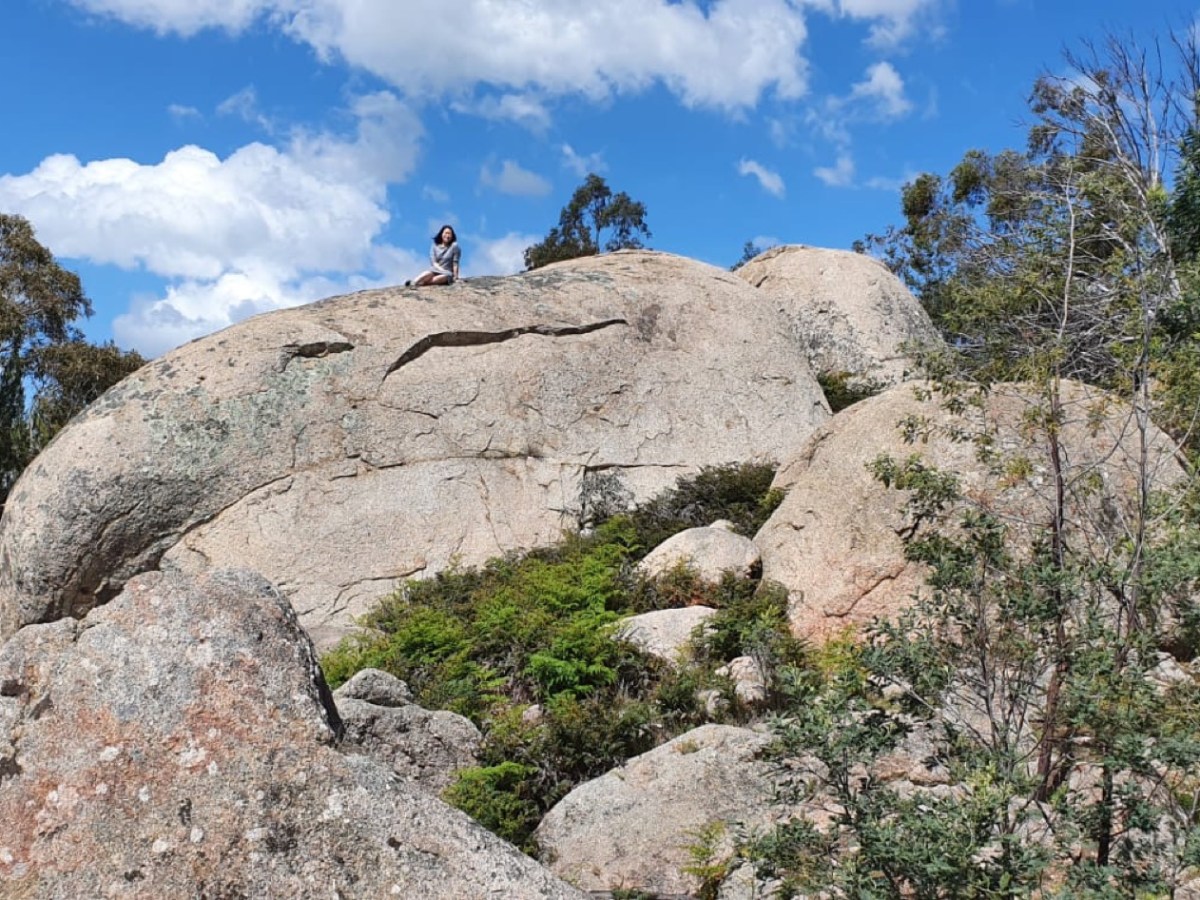
Travel Dates: October 2020 Malmsbury and Edgecombe are small towns in Central Victoria. They’re about a 12 minute drive away…
East Coast
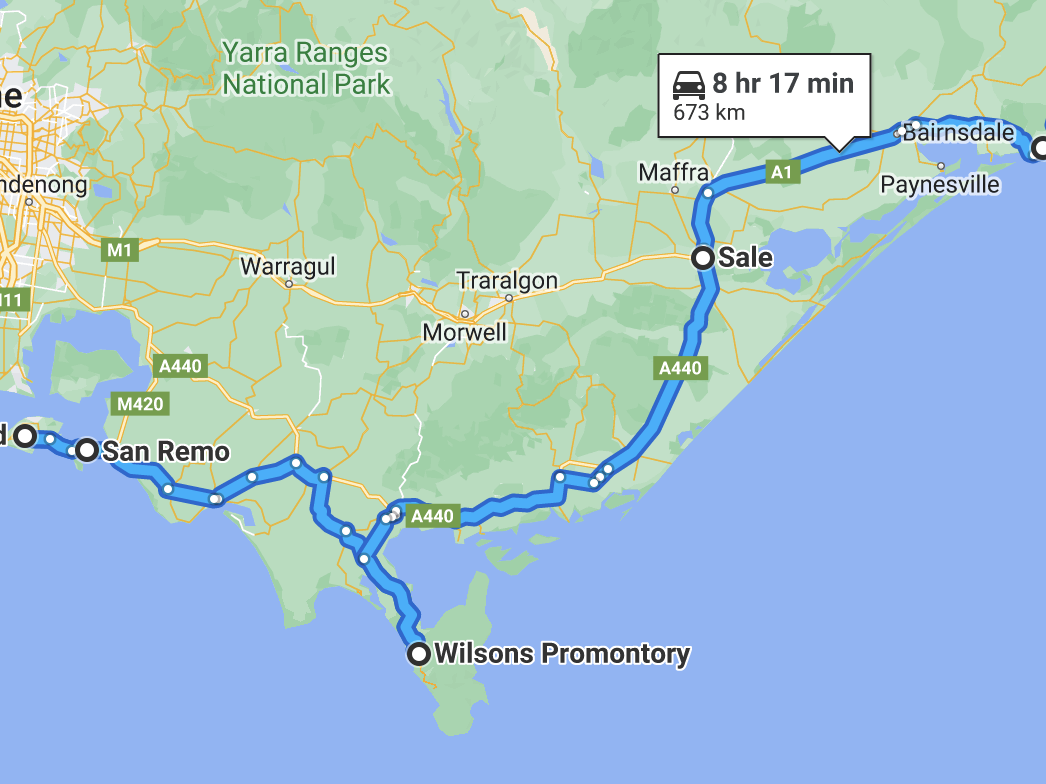
Overview: Road trip of Victoria’s East Coast
Take road trip through Victoria’s Eastern coast, from Melbourne to the NSW border. Follow this guide for the best places to stop and where to find the best fish n’ chips!
Phillip Island
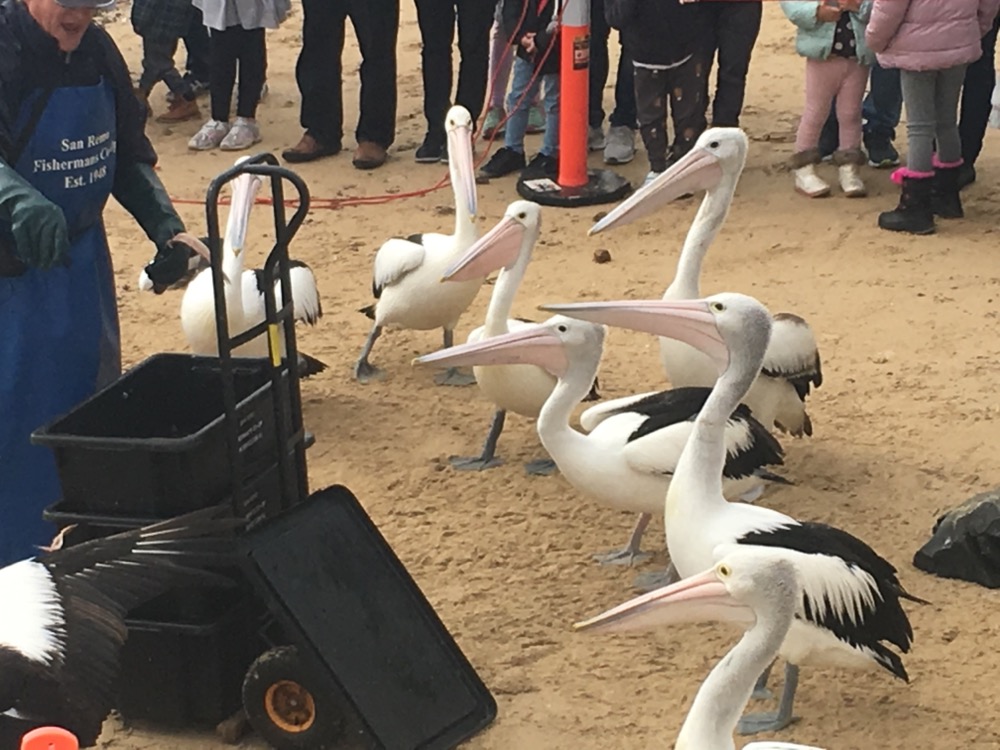
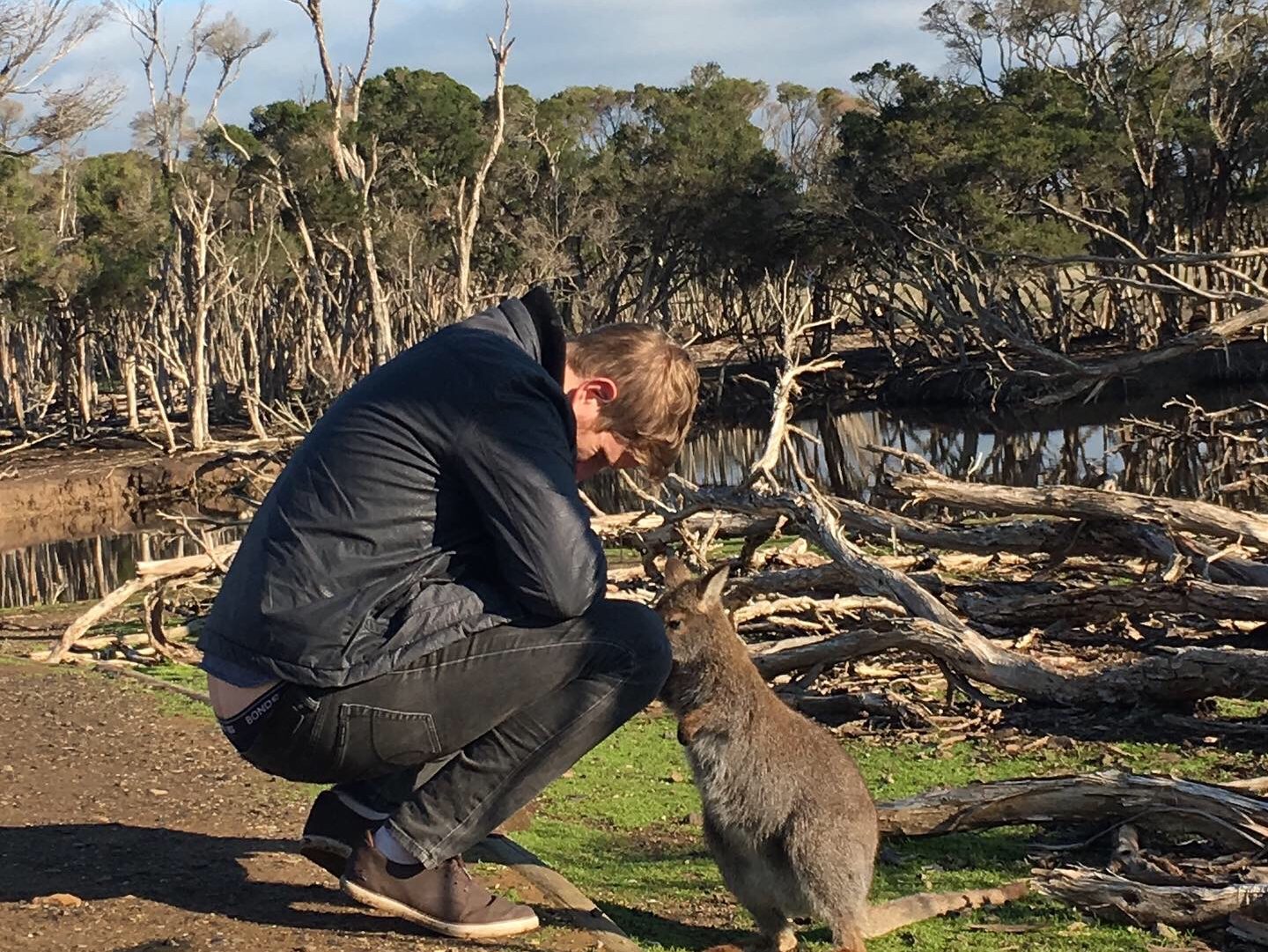
One of the most popular day trips from Melbourne. Check out the famous adorable blue fairy penguins at night and get up close to a variety of Australian native animals.

Kilcunda Beach
A beach with cool rock formations that’s worth checking out if you’re driving by on a road trip.

Wilsons Promontory National Park
Wilson’s Prom is a huge national park roughly 3 hours drive from Melbourne. It sits at the most southern point of mainland Australia. There are coastal views, mountain views, beaches, tropical hikes, sand dunes, and wildlife! Check out my comprehensive guide here.

Raymond Island
Raymond Island is a small island located off of the town of Paynesville. This island is known for its large population of wild koalas. It’s a free ferry onto the island and only takes half an hour to follow the koala trail.

Lakes Entrance
Lakes Entrance is a seaside town that is a popular place for fishing. It’s aptly named from all the surrounding lakes that converge in this one area and flow out to sea.
West Coast
- GOR
Melbourne CBD
- Camberwell Market
- Prahran Market
- South Melbourne Market
- Queen Victoria Market
- Melbourne Itinerary

NSW

QLD
ACT

NT

WA

SA
 Polyphagic Abby